Anomaly Detection in Post-Quantum AI Orchestration Workflows

TL;DR
- This article explores how ai-driven anomaly detection is vital for securing post-quantum ai infrastructure. We cover the specific role of Model Context Protocol (MCP) in complex workflows, the security challenges it introduces like tool poisoning, and the importance of post-quantum cryptography to protect against future threats. Readers will learn practical implementation strategies for anomaly detection using quantum-resistant secure aggregation to future-proof their ai deployments.
The New Frontier of AI Orchestration and Quantum Risk
Ever wonder what happens when the math we use to lock our digital doors just... stops working? It’s not a movie plot anymore; with quantum computers getting stronger, the "ai" systems we’re building today are basically sitting ducks for tomorrow's hackers.
The truth is, most of our current encryption like RSA is gonna be easy pickings for a decent quantum machine. (Breaking RSA encryption just got 20x easier for quantum computers) We’ve spent years building these massive ai orchestration workflows, but we're realizing the foundation is made of sand.
- Quantum-resistant security is a must: If we don't switch to post-quantum cryptography (pqc) now, the sensitive data we're feeding into models today could be decrypted later by anyone with a quantum processor.
- Data streams are wide open: ai relies on constant flows of info. If a hacker intercepts a stream in a healthcare or finance setting, they aren't just stealing a file; they’re potentially poisoning the entire logic of the model. (How Hackers Target Medical AI Systems)
- The clock is ticking: According to Gopher Security, we need to think about quantum-safety like, yesterday, because traditional methods just won't cut it anymore.
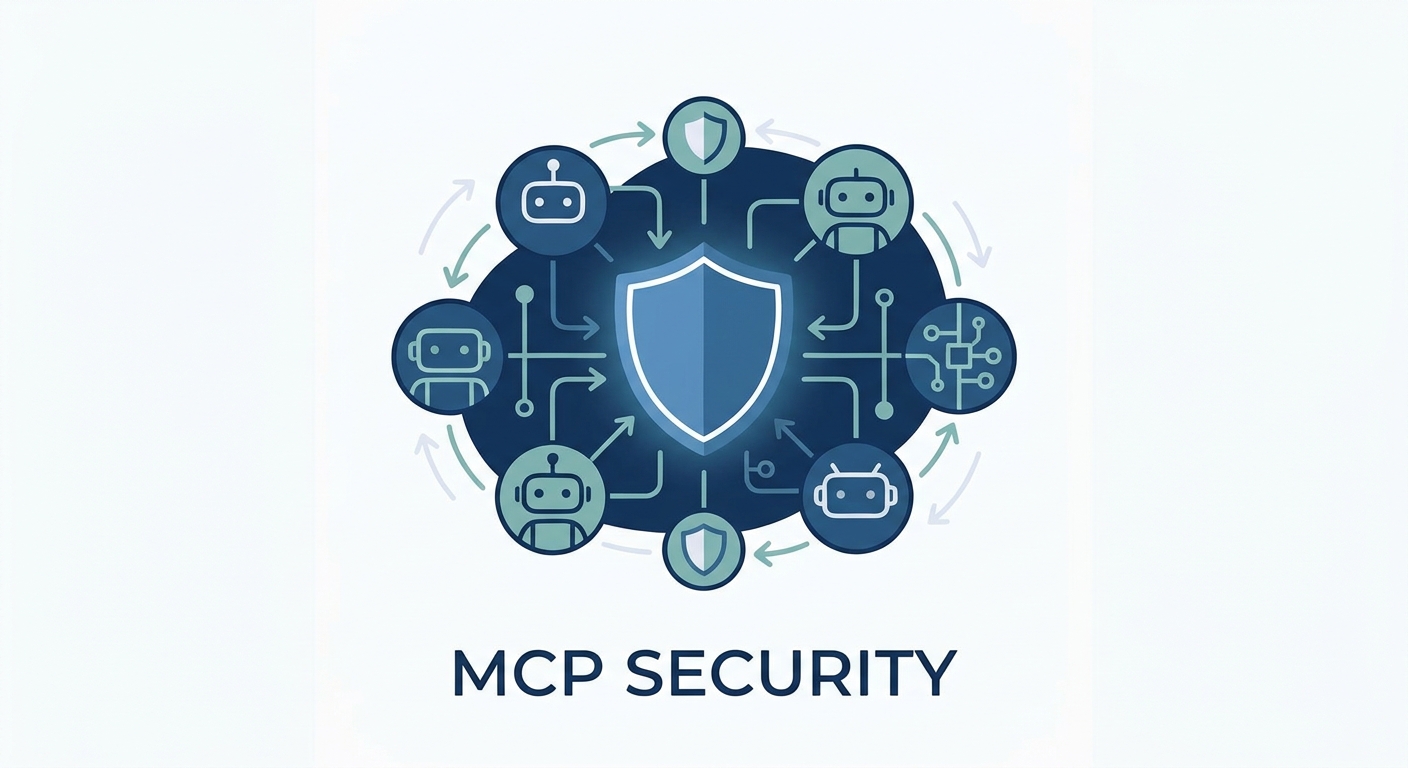
We’re seeing more people use the Model Context Protocol (mcp) to bridge the gap between big models and local data. It’s great for productivity, but honestly, it’s a security nightmare if you aren't careful.
By connecting ai directly to your private tools, you’re increasing the "attack surface." It’s not just about keeping people out of the building anymore; it's about watching every single message sent between the model and the database.
In retail, for example, an mcp setup might pull customer purchase history to give better recommendations. If that connection isn't hardened with lattice-based encryption, a quantum-enabled attacker could sniff that context and own your customer's identity.
Anyway, it's clear that the old "perimeter" defense is dead. We need to start looking at the actual behavior of these data streams to catch the weird stuff before it breaks everything.
Next, we'll dive into why those old-school rules for spotting hackers are failing and how ai itself is the only thing fast enough to save us...
Identifying Anomalies in Post-Quantum Context Streams
Ever feel like you’re just waiting for the other shoe to drop with your ai security? You’ve got these mcp streams running, and honestly, it’s a lot of data to trust blindly when quantum threats are lurking in the background.
Checking for weirdness in these streams isn't just about setting a few alerts anymore. Traditional rules are too stiff; they break the moment a model updates or a user changes how they talk to an agent.
So, how do we actually spot a needle in a haystack when the haystack is moving? We use ai to watch the ai, basically.
- Autoencoders are the mvps here: Think of these as ai that tries to "copy" the incoming context stream. If the model can't recreate the data accurately, it means something is "off"—like a corrupted packet or a poisoned prompt that shouldn't be there.
- Clustering for tool patterns: In a big mcp setup, your model is constantly calling different tools. If a tool that usually handles "retail inventory" suddenly starts asking for "admin permissions" or weird database schemas, clustering algorithms flag that outlier immediately.
- Ditching the rigid rules: Rules-based systems are like a fence with a giant hole in it. They can't handle the fluid nature of ai communication, but behavioral models can adjust to a new "normal" as your workflows evolve.
As noted earlier by gopher security, this kind of ai-driven detection is the only way to stay ahead because it actually learns from its own mistakes instead of waiting for a human to update a config file.
It gets even more gnarly when you think about "puppet attacks." Basically, a puppet attack is when a hacker manipulates an ai's behavior through indirect prompt injection or malicious context steering. They aren't breaking the door down; they're just tricking the ai into doing something dumb by whispering the wrong things in its ear.

If a healthcare ai is pulling patient records and the api response has a tiny bit more latency than usual, it might be a man-in-the-middle attack trying to swap out data. We use behavioral analysis to watch these agentic workflows in real-time.
According to AI-Driven Anomaly Detection in Post-Quantum AI Infrastructure (2025), gopher security is already processing over 1 million requests per second to catch these blips before they turn into full-blown breaches.
Honestly, it’s a bit of a cat-and-mouse game. But if you’re monitoring the context streams with the right math—especially lattice-based stuff—you’re in a much better spot.
Next, we’re gonna look at how we actually lock these streams down so even a quantum computer can't peek inside...
Implementing Gopher Security for Quantum-Resistant AI
So, you’ve got your anomaly detection running, but how do you actually lock the doors so a quantum computer doesn't just walk in anyway? It’s one thing to spot a thief; it’s another to make sure the "ai" is talking through a pipe that can't be cracked.
Implementing gopher security isn't just about adding a layer; it's about changing the foundation of how mcp servers talk to your models. Honestly, if you aren't using lattice-based math by now, you’re just leaving the keys under the mat.
Deploying these secure mcp servers actually takes way less time than you’d think—like, minutes if you already have your api schemas ready. The goal is to move beyond just "watching" and start "enforcing" before a prompt even hits the model.
- Active defense against injections: Gopher uses what they call a 4D security framework. This covers Identity (who is asking), Intent (what are they trying to do), Resource (what data are they touching), and Environment (where and when is this happening). If a retail bot suddenly tries to access a "root" file via an mcp tool, it gets killed instantly.
- Lattice-based p2p: All internal chatter between your ai orchestrator and your tools should use post-quantum cryptography (pqc). Lattice-based math is key here because these problems are computationally "hard" even for quantum algorithms like Shor's algorithm, which usually eats traditional math for breakfast.
- Schema-level hardening: You can basically wrap your existing apis in a quantum-resistant shell. This means your legacy databases in finance or healthcare can stay put while gopher handles the heavy lifting of the encryption.
We need to stop trusting "agents" just because they’re inside our network. A zero-trust approach means the ai has to prove it needs access to a specific parameter every single time.

This is where it gets cool—context-aware access. If a healthcare ai is pulling patient records, the system checks environmental signals like the time of day or the specific node location. If things look "weird," gopher drops the connection.
According to Gopher Security, switching to this kind of secure aggregation lets hospitals or banks crunch numbers together without ever seeing the raw, sensitive data.
It’s basically like making a soup where everyone adds ingredients, but you only see the final broth, not the individual pieces.
Now, we need to talk about IAM (Identity and Access Management) for AI agents. Since agents are basically acting as users, they need their own cryptographically signed identities. We use decentralized identifiers so that even if a node is compromised, the attacker can't just "spoof" their way into other parts of the system.
Quantum-Resistant Secure Aggregation Techniques
So, you’ve got your ai detecting weird stuff, but how do you let it "learn" from sensitive data without actually seeing the private bits? It's like trying to bake a cake with a bunch of friends where nobody wants to show their secret ingredient—you need a way to mix it all together while keeping the recipes locked up.
This is where things get really clever with federated learning. Instead of sending raw healthcare records or bank transactions to a central server, you keep the data on your local mcp node. You train a "mini-model" locally, and then just send the mathematical updates to the main orchestrator.
- Differential Privacy: We add a bit of "math noise" to the data streams. This makes it impossible for an attacker (or even the ai itself) to reverse-engineer a specific person's info from the aggregate.
- Secure Multi-party Computation: It’s a mouthful, but basically, it lets different organizations crunch numbers together. As noted earlier by gopher security, this is how hospitals can spot disease patterns without ever leaking a single patient's name.
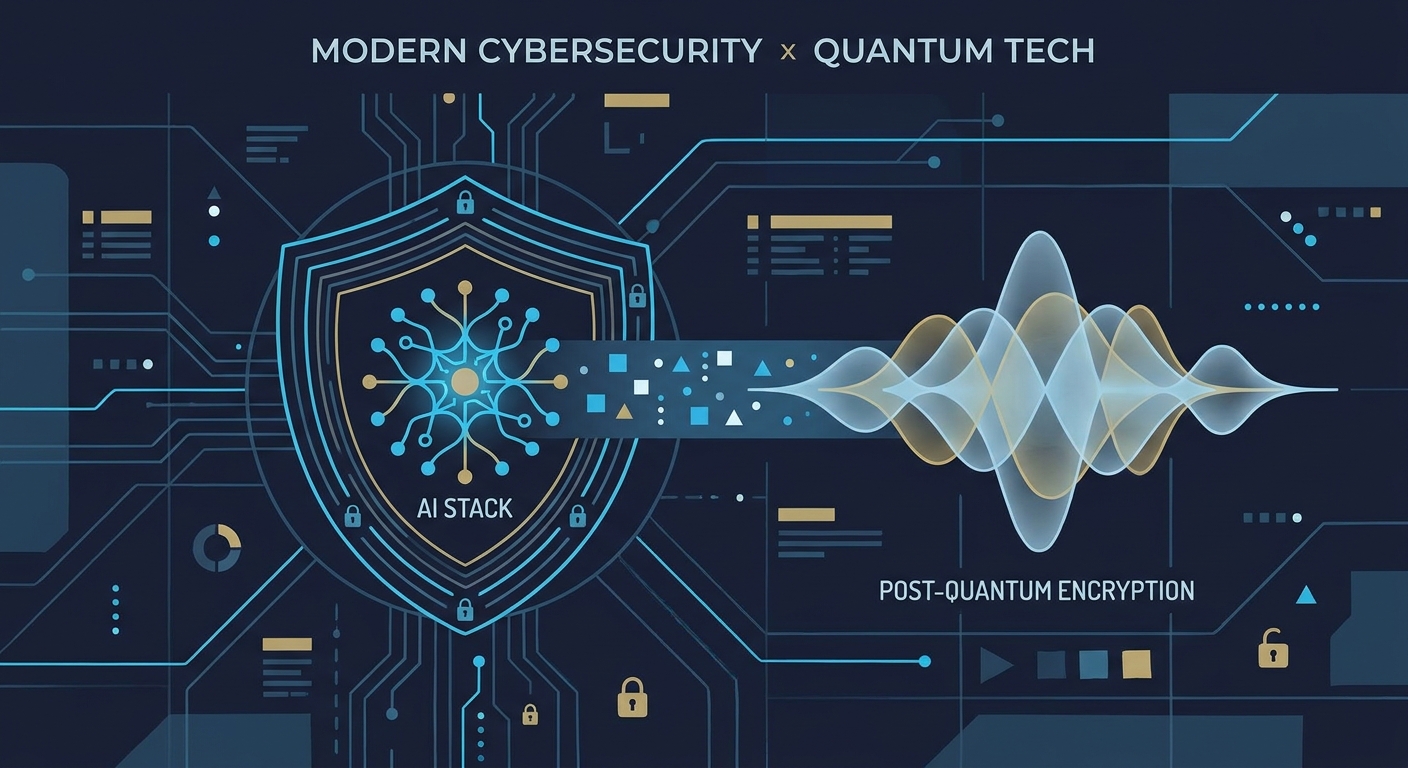
If you’re moving this data around, you need a pipe that a quantum computer can't crack. We’re seeing a big shift toward NIST standards like ML-KEM and ML-DSA. These aren't your grandpa's RSA keys; they use complex math "lattices" that are basically a maze even a quantum rig can't solve.

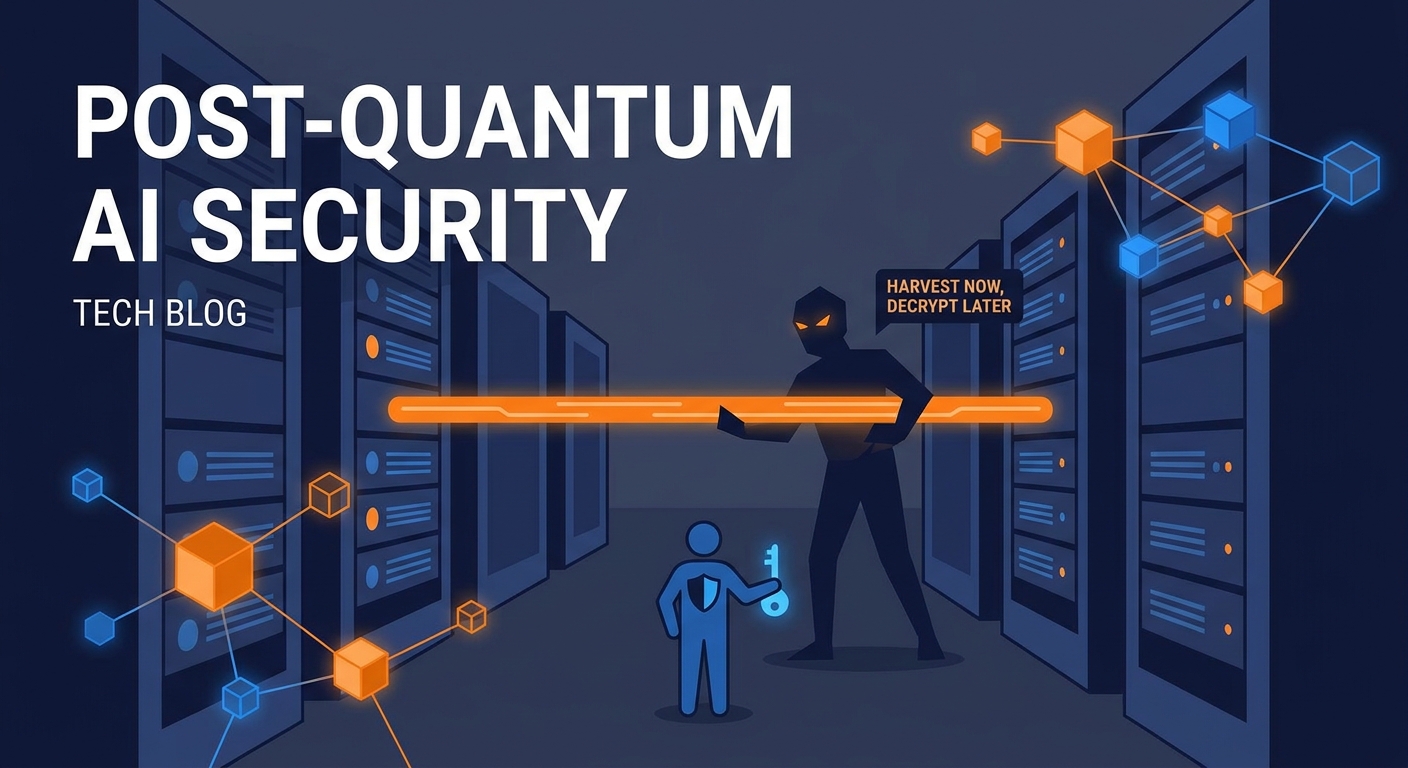
There is a bit of a performance hit when you switch to pqc, but honestly, it’s worth it to stop "harvest now, decrypt later" attacks. If a hacker steals your retail customer data today, they might not be able to read it yet—but in five years, they will, unless you're using lattice-based math now.
Anyway, locking down the data is only half the battle. We also have to make sure the identities of these agents are locked tight. By using hardware-backed keys for each ai agent, we ensure that "spoofing" into the vault is basically impossible without the physical secure enclave.
Real-World Deployment and Future Outlook
So, we’ve talked a lot about the math and the "ai" models, but honestly, seeing this stuff actually running in the wild is where it gets real. It’s one thing to worry about quantum computers in a lab, but it’s another when you’re trying to keep a hospital’s mcp streams from leaking patient data while a model is trying to diagnose a rare condition.
In healthcare, we're seeing federated learning actually work without compromising privacy. Hospitals are training models on decentralized nodes, so the raw records never leave the building, but the "ai" still gets smarter.
- Finance and fraud: Banks are using these aggregated, encrypted streams to spot weird transaction patterns across different branches. If a specific api starts showing a tiny latency spike, the anomaly detector flags it as a possible man-in-the-middle attempt before the money is even gone.
- Scaling to the moon: As noted in the Gopher Security research, some setups are already handling over 1 million requests per second. That’s a lot of data to check for "puppet attacks" in real-time, but behavioral clustering makes it possible without slowing everything down.

The future isn't just about reacting; it's about systems that fix themselves. We’re moving toward a world where "ai" threat hunters don't just find a hole, they patch the mcp policy on the fly to block the attacker.
- Automated compliance: Tools are starting to handle things like soc 2 or gdpr automatically by proving that no human (or quantum computer) ever saw the raw context.
- Community is everything: We can't do this in a vacuum. Sharing threat signatures and new lattice-based tricks between companies is the only way we stay ahead of the bad guys.
Honestly, it’s a bit of a marathon, not a sprint. But if you're layering gopher security with those nist-standard algorithms now, you're building on concrete, not sand. Stay curious, keep testing, and don't trust any agent blindly. We've got this.