Post-Quantum AI Infrastructure Security: Protecting MCP Deployments in 2026

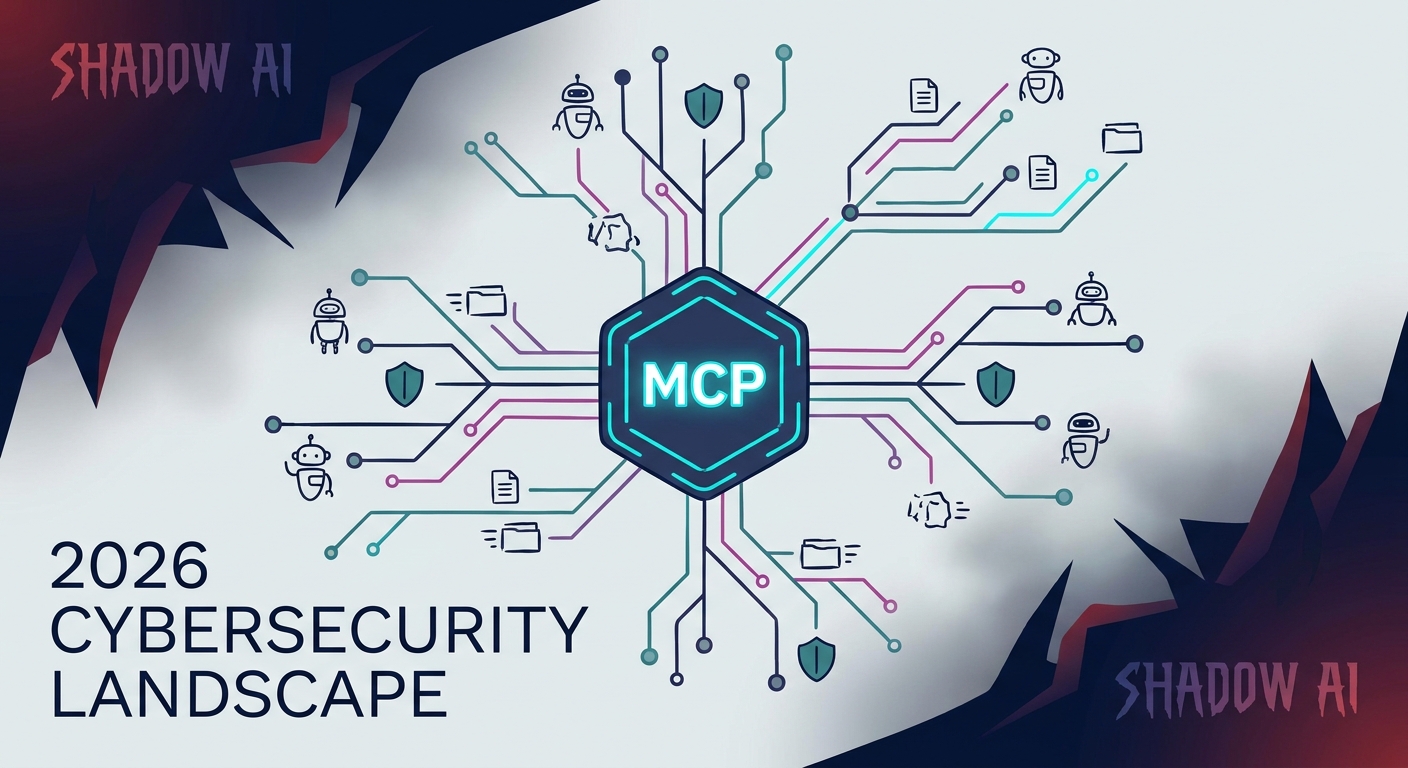
The year is 2026. The security perimeter? It’s gone. While your average enterprise is still busy patching legacy REST endpoints like it’s 2019, the real war has moved to the Model Context Protocol (MCP).
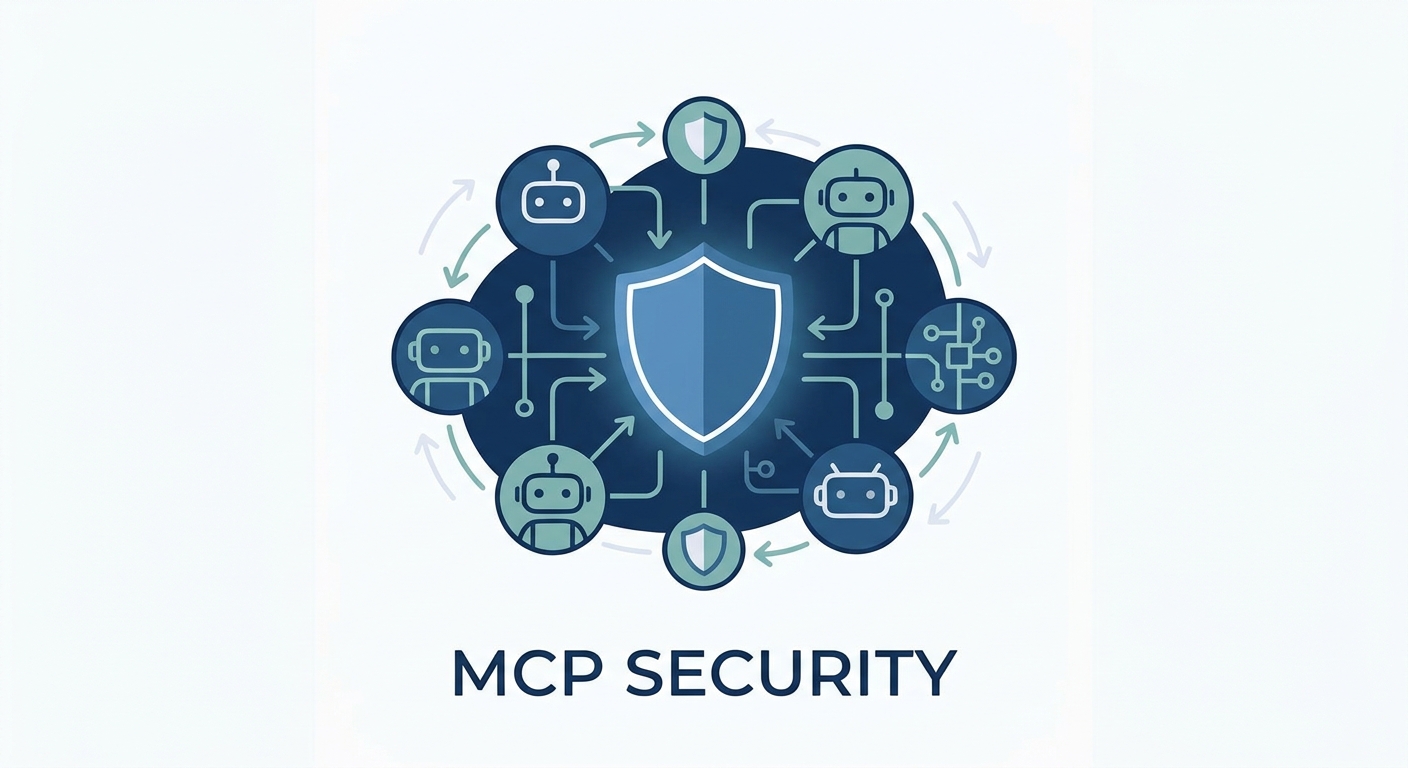
We’ve traded predictable, stateless API calls for a chaotic, sprawling mess of autonomous agents. These things share memory, execution privileges, and context in real-time. It’s a total shift. This has birthed "Shadow AI"—a tangled, unmonitored mesh of MCP servers buried deep in your network. Every time an agent negotiates a handshake, it’s basically handing over the keys to the kingdom.
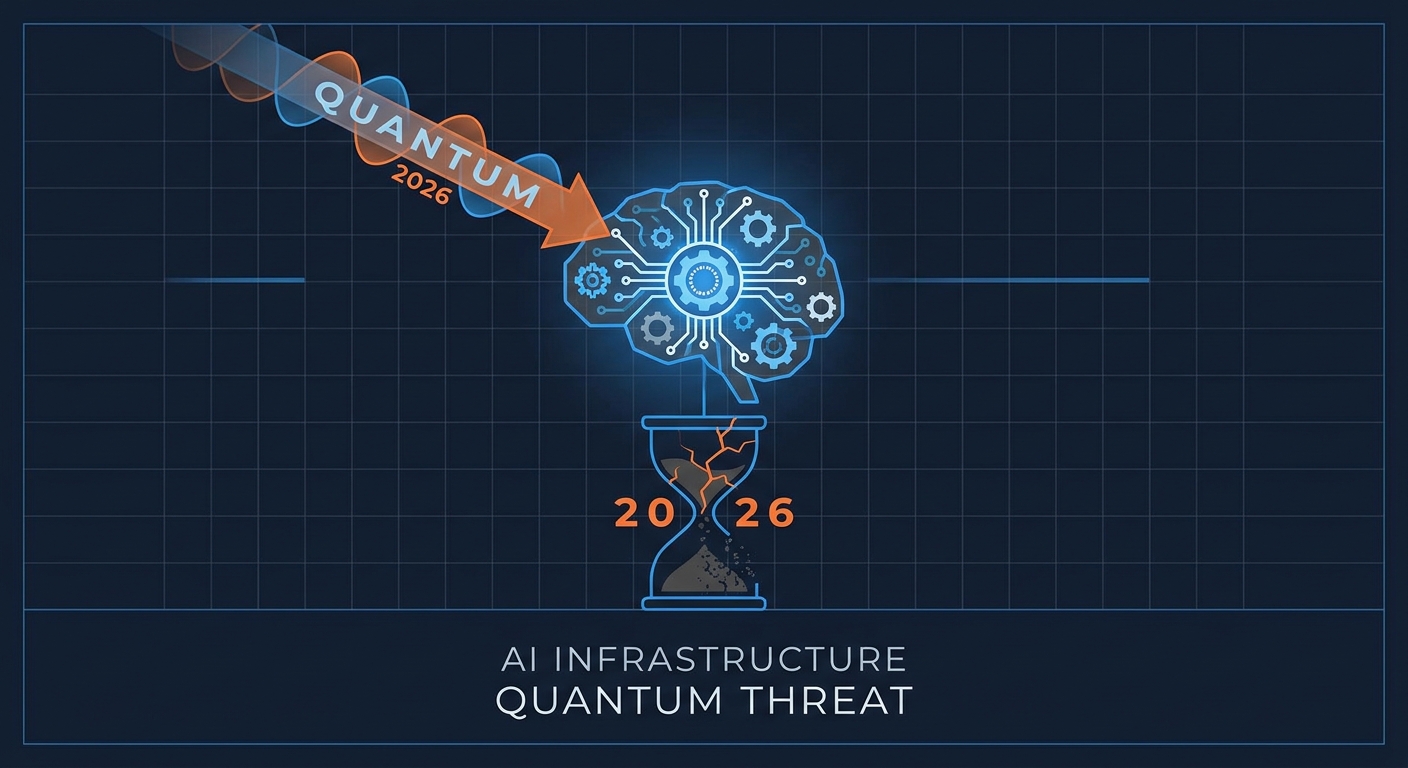
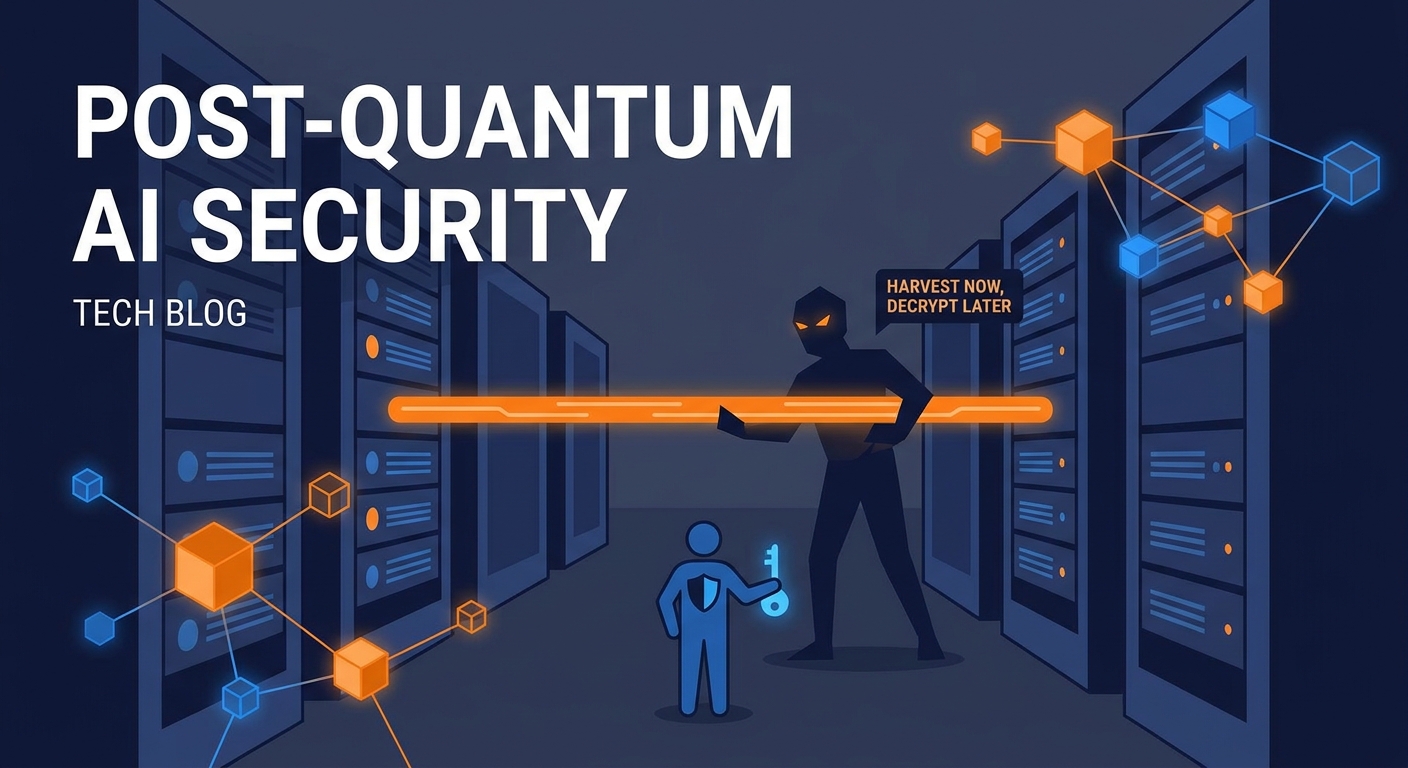
And then there’s the elephant in the room: "Q-Day." The day quantum computers turn our current RSA and ECC encryption into digital confetti. This isn't some sci-fi nightmare anymore; it’s an immediate, ticking clock. If we don't get our post-quantum cryptography (PQC) ducks in a row, adversarial state actors will harvest our data chains and decrypt them before we even know we’ve been hit.
Why Traditional API Gateways Are Just Fishing Nets
If you’re still relying on a legacy Web Application Firewall (WAF) to secure your agentic workflows, you might as well be trying to catch radio waves with a fishing net. It’s futile.
Traditional gateways were built for the request-response cycle—a simple "ask and answer" dance that ends the moment the connection closes. MCP is the exact opposite. It’s stateful. It’s persistent. It’s heavy on context.
Because MCP servers hold a long-lived connection to the model, they create a continuous data stream that standard WAFs simply aren't built to parse. A WAF can spot a malformed JSON payload from a mile away, sure. But can it tell when an agent is being manipulated by a "context-poisoned" prompt injected three steps back in the conversation? Not a chance. It’s blind to the state.
The Vulnerability Catalog: Beyond RCE
The same flexibility that makes MCP a powerhouse is what turns it into an RCE (Remote Code Execution) playground. MCP servers exist to give agents tools and data access. One bad configuration, one sloppy permission setting, and suddenly an agent is running arbitrary code on your host infrastructure.
This isn't theory. As we’ve seen in AI supply chain analysis from The Hacker News, the systemic risk is real. A single vulnerability in a popular MCP server SDK can compromise thousands of enterprise deployments in one fell swoop.
But let’s talk about the real danger: "Context Poisoning." Think of it as the modern, high-stakes version of SQL injection. You don't need to break the code when you can just break the reasoning. By sliding malicious data into the long-term memory store that an agent relies on, an attacker can subtly tilt the agent's decision-making. The agent thinks it's acting on trusted, retrieved context, but it’s actually executing the attacker's script. It’s a ghost in the machine.
Visualizing the "Context Chain" Ripple Effect
The core of the problem is the propagation of trust. When an agent pulls context from an MCP server, it logs that data as "ground truth." If that server is compromised, the agent becomes a vector for the attack. It’s a domino effect.
Once that poisoned input hits the agent’s reasoning engine, the damage is usually done. The action is authorized, the logic is triggered, and the system is compromised before you can even hit the panic button.
The "PQC Bridge": Why It’s Non-Negotiable
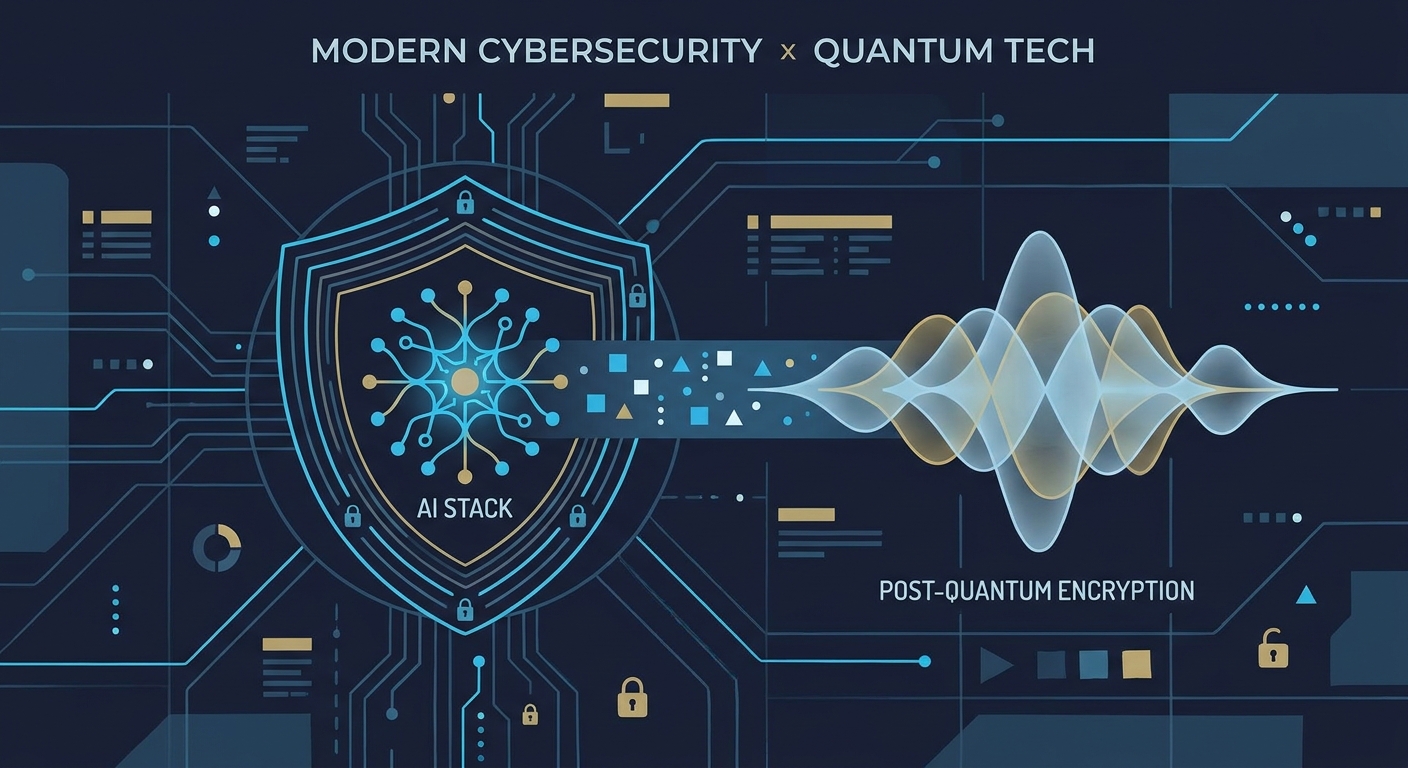
If we want to survive the quantum transition, we have to adopt the NIST Post-Quantum Cryptography standards—specifically FIPS 203, 204, and 205. These algorithms are the only things standing between us and future quantum systems.
But here’s the rub: you can’t just flip a switch. You need "Crypto-Agility."
In 2026, if your infrastructure isn't built to swap out cryptographic libraries on the fly, you’re already behind. You need an architecture that doesn't force a full refactor every time a standard evolves. Your MCP implementation cannot be hard-coded to legacy TLS. It needs to negotiate PQC-ready transport layers dynamically. If you can't adapt, you're a sitting duck.
Zero-Trust Orchestration: The Only Way Forward
Stop trusting your agents. It’s that simple.
In a true zero-trust model, an agent is never "trusted" by default. It has to prove who it is, every single time, and it receives a scoped, short-lived token for that specific interaction. That’s it.
Most companies have no idea how much "Shadow AI" is running in their backyard. That’s why we’re seeing a massive surge in demand for specialized MCP security assessment services. You need to find those unmanaged endpoints before someone else does. By building resilient AI infrastructure that treats every single agent-to-server connection as a potential breach, you stop playing defense and start taking control.
The 2026 MCP Hardening Checklist
Don't wait for a breach to start securing your environment. Use this list to audit your current setup:
- Input Validation & Sanitization: If it’s retrieved context, assume it’s dirty. Sanitize everything. Implement strict schema validation on all MCP server inputs to stop prompt injection in its tracks.
- Adhere to CoSAI Guidelines: Follow the Coalition for Secure AI (CoSAI) MCP guidelines. They are the industry standard for a reason.
- Transition to PQC-Ready Transport: Audit your TLS libraries today. If they aren't supporting FIPS 203/204/205, you need a migration strategy immediately. Don't wait for the quantum hardware to arrive.
- Automated Shadow AI Discovery: If you can't see the endpoint, you can't secure it. Run regular network scans to find every rogue MCP server.
- Zero-Trust Identity: Use mTLS (mutual TLS) between your agents and MCP servers. If the agent can't authenticate, it shouldn't be talking to your data.
Frequently Asked Questions
Why do traditional API gateways fail to protect MCP deployments?
Traditional gateways are designed for stateless REST traffic. They cannot inspect the "thought process" or long-term context memory of an AI agent. Because MCP is stateful and persistent, a WAF is blind to the malicious context poisoning that occurs during the agent’s reasoning phase.
Is my AI agent infrastructure "Quantum-Ready" in 2026?
If your infrastructure relies on standard RSA or ECC encryption for your MCP transport layers, it is not quantum-ready. You must audit your cryptographic libraries to confirm they support NIST-approved PQC algorithms (FIPS 203, 204, 205) and possess the "crypto-agility" to update these protocols without a full system overhaul.
How do I prevent "Context Poisoning" in my MCP servers?
Preventing context poisoning requires strict input validation and adversarial testing. You must treat all data retrieved from memory stores as untrusted, perform integrity checks on retrieved context, and implement automated adversarial testing to see if your agents can be tricked by specifically crafted data inputs.
Are NIST-standard PQC algorithms compatible with existing MCP libraries?
While the core MCP libraries are evolving, many are not yet natively PQC-compliant. This creates a gap that requires "Crypto-Agility"—the ability to wrap your existing connections in a secure, PQC-ready transport layer while the underlying protocol libraries catch up to the new NIST standards.