Post-Quantum Cryptographic Agility for Distributed AI Inference Architectures

TL;DR
- This article explores how to build future-proof security for distributed ai models using post-quantum cryptographic agility. It covers transitioning from static encryption to modular systems that protect Model Context Protocol environments against quantum threats. You'll learn about implementing cryptographic bills of materials, automating algorithm swaps, and using gopher security to maintain zero-trust integrity across decentralized inference nodes before Q-day arrives.
Understanding the basics: What is cloud security testing?
Ever wonder if your cloud setup is actually secure or if you're just lucky? Honestly, with how fast things move in aws or azure, "hoping for the best" is a pretty bad strategy.
Cloud security testing is basically a deep dive into your infra to find the messy bits before hackers do. It’s not just about patches anymore; it is about finding those weird misconfigurations that happen when someone clicks the wrong button in the console.
Why old tools are failing
Traditional security relied on SAST (Static Analysis) to look at code and DAST (Dynamic Analysis) to poke at running web apps. But those tools were built for servers that stay put. In a cloud-native world, we have ephemeral containers that vanish in minutes, making traditional IP-based scanning almost useless. (How do you handle security scanning for ephemeral workloads and ...) Modern tools have to plug directly into the control-plane to watch how identities talk to each other in real-time.
- IAM mess-ups: Checking if a dev has more power than they actually need.
- Exposed storage: Making sure your s3 buckets aren't just sitting open to the whole world.
- Workload flaws: Scanning the base images in your registry for known cves.
According to Wiz, a whopping 44% of companies surveyed in 2024 reported a cloud data breach within the last year, often because of high-risk "toxic combinations" where a simple vulnerability meets a path to sensitive data.

In retail, this might look like checking if your checkout api can accidentally talk to a database it shouldn't. It's all about that shared responsibility model where the provider handles the hardware, but you own the mess inside.
Next, we're gonna look at how these risks get even weirder when you start adding ai into the mix.
Testing the AI layer: MCP and Model Context Security
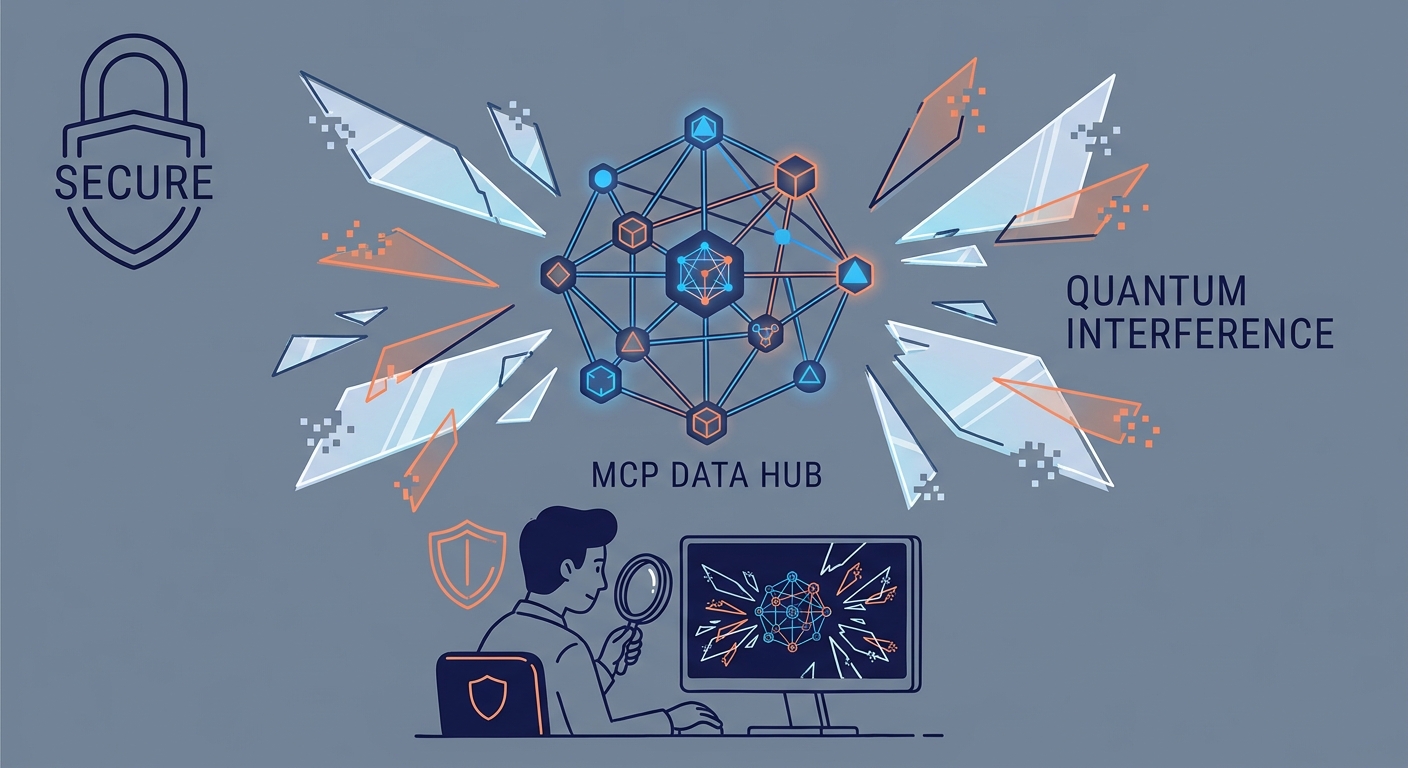
So you finally got your ai models talking to your databases using MCP (Model Context Protocol). For those who haven't heard of it, MCP is a new standard led by Anthropic that lets ai models safely talk to local data and tools. It's cool, but now you're wondering if a rogue prompt could accidentally wipe your production tables? Honestly, if you aren't testing the "context" layer, you're basically leaving the keys in the ignition of a very smart, very fast car.
Testing mcp isn't like scanning a standard web server. You're dealing with servers that hand off tools and data to an llm, which creates some pretty wild attack vectors.
- Tool poisoning: We have to test if an attacker can inject malicious "instructions" into the data mcp sends to the model. In healthcare, this might look like a bot being tricked into leaking patient records because the context window was "poisoned" with a hidden command.
- Api schema validation: You gotta check your swagger or openapi files. If your mcp server exposes a
delete_usertool but doesn't have strict auth, the ai might just use it because it "felt" like the right step. - Shadow mcp servers: Devs love spinning these up to test things. If they aren't behind your sso, you've got a massive hole in your cloud perimeter.
According to GÉANT, cloud providers like azure actually allow you to "fuzz" or run vulnerability assessments against your own vms and functions, which is exactly where these mcp connectors usually live.

One thing I've noticed is people forget about "puppet attacks" where the ai is manipulated into acting as a proxy to hit internal apis. It's basically ssrf but for the ai age.
Since these ai connections often handle sensitive data, we also need to worry about how that data is encrypted for the long haul.
Post-Quantum considerations in cloud testing
So, you think your cloud encryption is solid because it's "industry standard"? That’s cute, but quantum computers are basically waiting in the wings to turn your current pki into wet tissue paper. Honestly, if you aren't testing for quantum-readiness now, you're just leaving a time bomb in your ai infra.
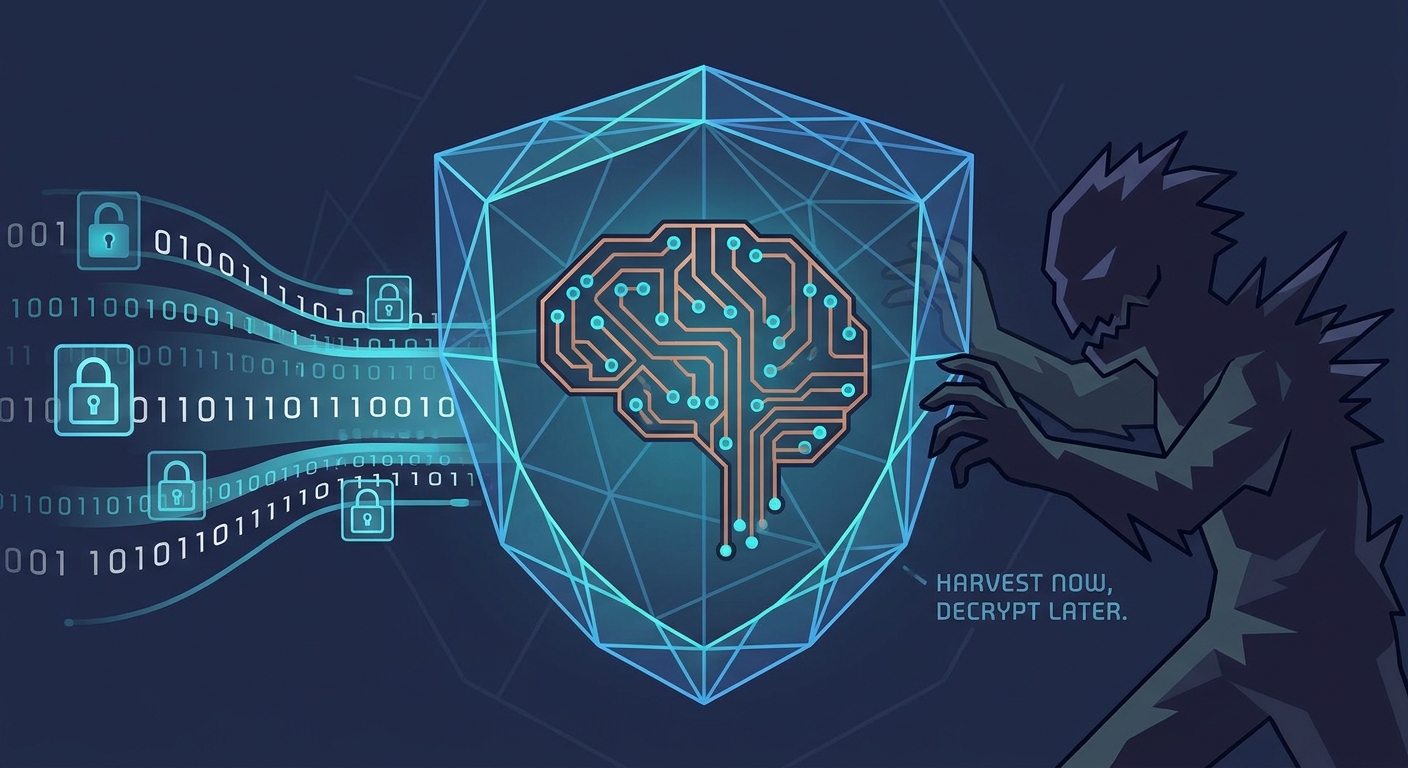
Most of our current mcp setups rely on classic exchange methods like rsa or ecc. (Post-Quantum Key Exchange for MCP Authentication) The problem is "harvest now, decrypt later" – hackers are stealing encrypted data today, betting they can crack it in a few years with a quantum processor.
- P2p connectivity tests: You gotta check if your peer-to-peer tunnels between ai agents can handle NIST-standardized post-quantum cryptography (pqc) algorithms like Kyber (for encryption) or Dilithium (for signatures).
- Entropy verification: Quantum-resistant stuff needs way better randomness. If your entropy source is weak, the whole thing falls apart.
- Key exchange protocols: We need to verify that your mcp servers aren't defaulting back to legacy protocols when a handshake gets "noisy."
As previously discussed, cloud providers like azure allow you to run vulnerability assessments, and this should now include checking for "quantum-safe" wrappers on your api endpoints. In finance, this is huge because transaction data has to stay secret for decades, not just weeks.

I've seen teams spend months on ai logic but zero minutes on the crypto-agility of their connectors. If your ai is talking to a database in a hospital, that context window better be wrapped in something that survives the next decade.
Now that we've covered the future of encryption, let's get back to the practical ways you actually find these holes today.
Core testing techniques for modern AI infrastructure
Think your cloud setup is bulletproof because you've got a firewall? Honestly, that is like locking your front door but leaving the keys under the mat while a giant "Rob Me" sign hangs from the roof.
You gotta use cloud security posture management (cspm) to find what I call "toxic combinations." This isn't just one bug; it's when a small misconfiguration (like an open port) meets a loose identity rule (like an over-privileged service account). Modern CSPM tools find these by using graph-based analysis or attack path modeling. Instead of just giving you a list of 1,000 alerts, they show you the actual path a hacker would take from the internet to your database.
I've seen so many "identity sprawl" issues where service accounts for ai agents just keep pilling up. You need to simulate role-chaining attacks in your control plane to see if an attacker can hop from a low-level lambda function all the way to your root admin. It's not just about what a user can do, but what their stolen token might do if it starts chaining permissions.
- Simulating prompt injections: You should be throwing weird, malicious strings at your llm to see how fast your detection kicks in.
- Zero-day prevention: Use ai-powered intelligence to spot patterns that don't match any known cve but just "feel" wrong, like a database suddenly exporting ten times its usual volume to a new s3 bucket.

According to the previously discussed findings from Wiz, focusing on exploitability and business impact—rather than just a long list of vulnerabilities—is the only way to stay sane. In retail, this might mean blocking an ai bot that suddenly tries to access "wholesale pricing" tables during a public holiday.
To keep these "toxic combinations" from coming back, you need to move from manual testing to something more automated.
Compliance and automated policy enforcement
Look, if you're only scanning your ai setup once every few months, you are basically asking for trouble. In the world of mcp and auto-scaling workloads things change way too fast for old-school point-in-time tests to keep up.
Quarterly scans are basically dead. If a dev spins up a new mcp server in azure for a quick test and leaves it open, a hacker will find it in minutes, not months. You need continuous scanning that watches your control-plane 24/7.
- Automated SOC 2: Use tools that map your configs to frameworks like soc 2 or gdpr automatically so you aren't scrambling during audit season.
- Granular policy: Don't just check if a port is open; use policy-as-code to verify if an ai agent is allowed to call a specific
delete_recordparameter. - Real-time drift: If a production setting deviates from your secure baseline, your system should kill the process or alert you immediately.

As noted earlier by Wiz, 44% of companies saw a cloud breach last year, mostly from messy configs. In finance, this means a bot shouldn't be able to bypass mfa just because a container restarted with default settings. Honestly, automate your enforcement or prepare for a long weekend of incident response.