2026 Industry Report Maps Strategic Migration Path for Quantum-Resistant Enterprise Data Protection


TL;DR
- NCSC mandates quantum-resistant systems for critical infrastructure by 2035.
- Shor’s algorithm threatens current RSA and ECC encryption standards.
- Organizations must complete cryptographic discovery by 2028.
- The 'Store Now, Decrypt Later' threat requires immediate data protection.
- PQC migration involves significant infrastructure and hardware upgrades.
2026 Industry Report: Mapping the Quantum-Resistant Migration Path
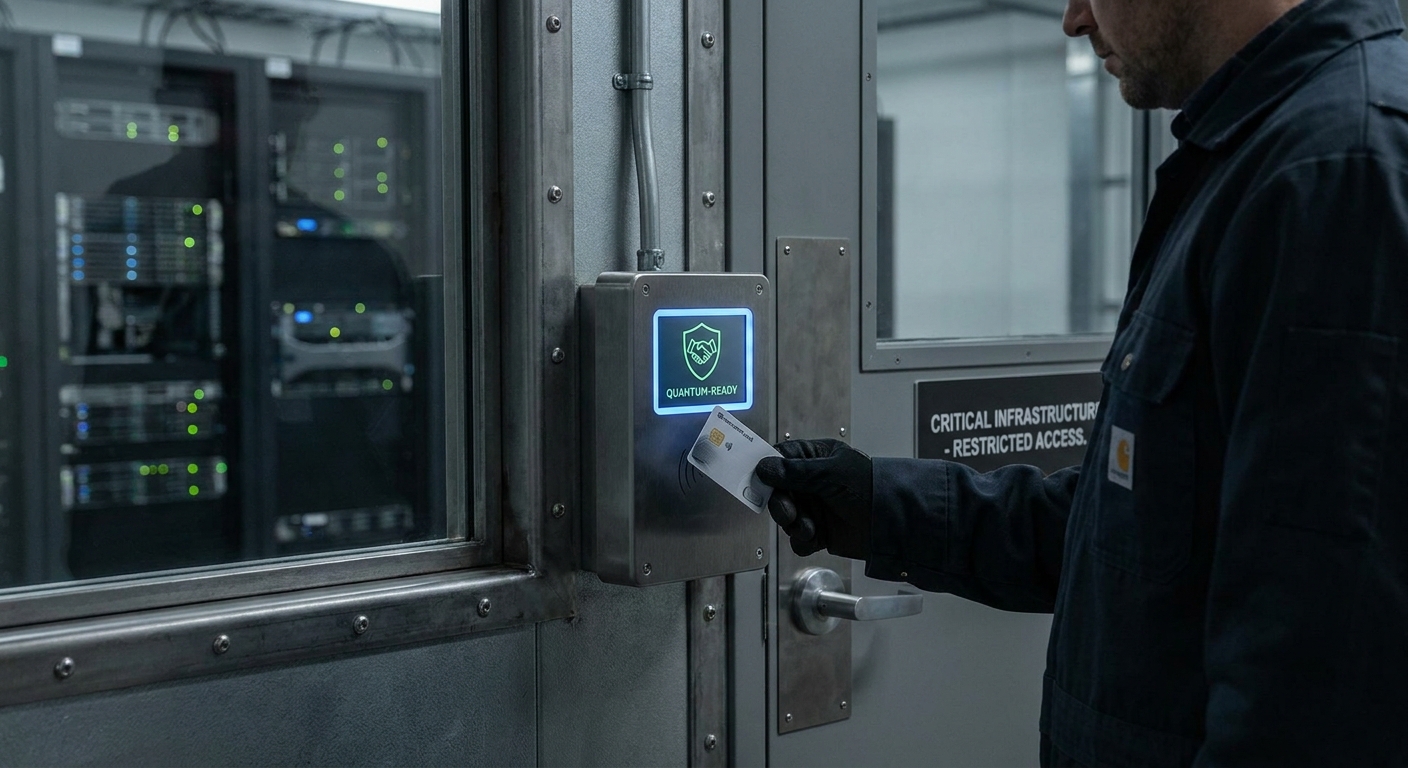
The National Cyber Security Centre (NCSC) has finally dropped the hammer. Their latest strategic framework isn't just a suggestion; it’s a hard-coded mandate for the post-quantum era. If you’re managing critical infrastructure, the clock is ticking. The directive is clear: by 2035, your systems better be quantum-resistant, or you’re essentially leaving the front door wide open for the next generation of computing threats.
Why the rush? It comes down to Shor’s algorithm. Our current digital security—RSA, ECC, the stuff keeping the global economy afloat—is built on mathematical problems that quantum computers will eventually chew through like paper. With fault-tolerant quantum machines potentially hitting the scene between 2028 and 2030, the "Store Now, Decrypt Later" (SNDL) threat is no longer a sci-fi plot. Adversaries are already vacuuming up encrypted data, banking on the fact that they’ll be able to crack it once the hardware catches up.
The NCSC Migration Timeline: A Decade of Hard Work
The NCSC isn't asking for a miracle overnight, but they are demanding a plan. They’ve laid out a three-stage roadmap that forces organizations to stop kicking the can down the road.
- By 2028: Discovery is the name of the game. You need to know exactly where your cryptographic dependencies live. If you don't know what you have, you can't protect it. Define your goals and lock in your roadmap.
- By 2031: Execution begins. It’s time to prioritize the most vulnerable systems and start the heavy lifting of upgrading to PQC-compliant standards.
- By 2035: Total compliance. Every system, every service, every product—if it’s not quantum-resistant by now, it’s a liability.
The Reality Check: Technical and Operational Hurdles
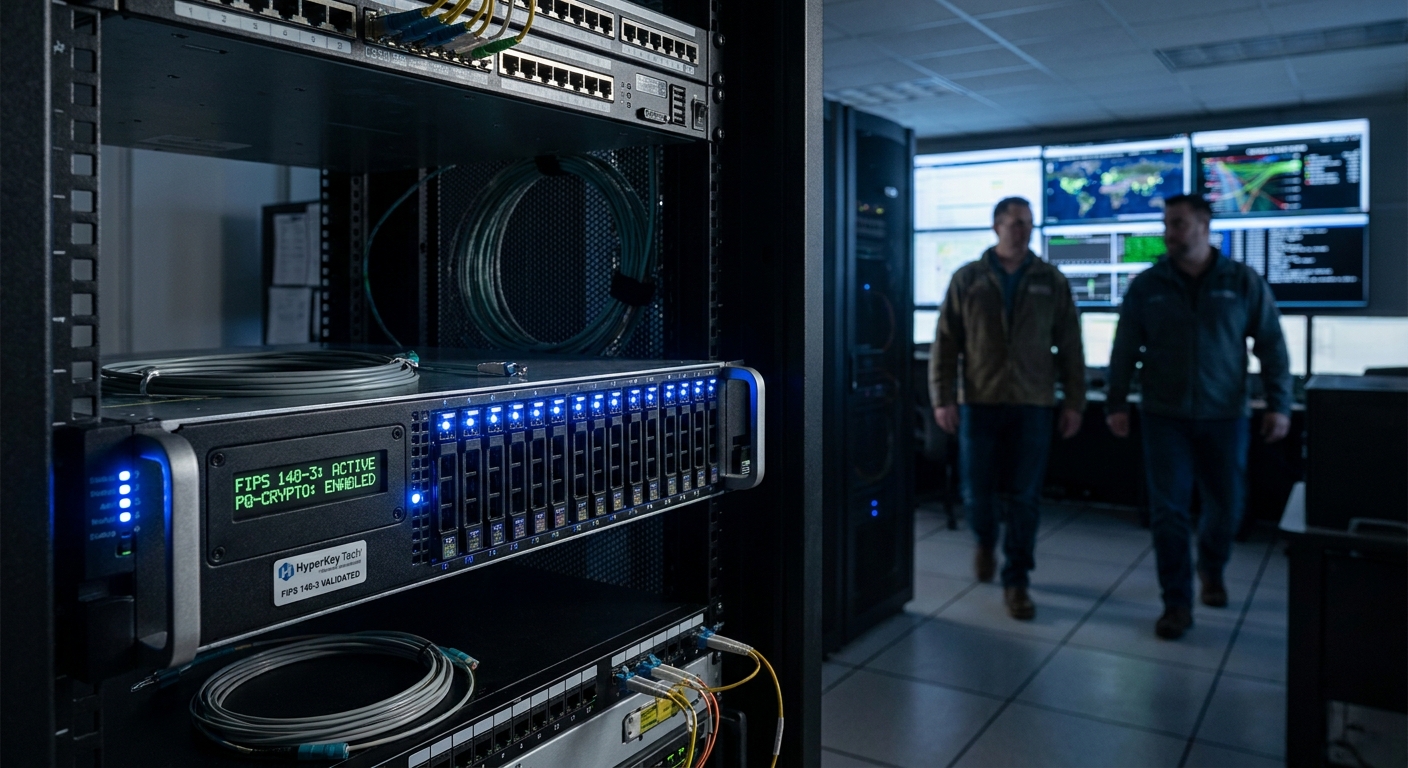
Let’s be honest: this isn't a simple patch Tuesday. We’re talking about a fundamental overhaul of the digital plumbing. You’ll be dealing with hardware security modules (HSMs) that weren't built for these new algorithms, supply chain complexities, and a regulatory environment that’s struggling to keep pace.
Expect some friction. PQC algorithms are "heavier" than the classical ones we’re used to. They require more computational muscle and often result in larger certificate sizes. Your infrastructure is going to feel the strain, and your teams need to be ready for the overhead.
| Milestone | Deadline | Primary Objective |
|---|---|---|
| Discovery Phase | 2028 | Map out all cryptographic dependencies |
| Execution Phase | 2031 | Upgrade high-priority, vulnerable systems |
| Full Compliance | 2035 | Complete transition across the entire stack |
The SNDL Threat: Why Waiting is a Losing Strategy
If you handle medical records, financial data, or trade secrets, you’re already in the crosshairs. This data has a long shelf life. If it’s stolen today, it’s still valuable ten years from now. The next steps for preparing for post-quantum cryptography aren't just about technical specs—they’re about changing how we think about data longevity.
The good news? The National Institute of Standards and Technology (NIST) is leading the charge. They have released the first three finalized post-quantum encryption standards, providing the bedrock for this global transition. These aren't just theoretical models; they are the new reality for securing internet traffic and enterprise secrets.
Navigating the Transition
You don't have to go it alone. The NCSC has provided extensive guidance on PQC migration timelines to help you align your internal operations with national security needs. If you’re wondering what comes next in post-quantum cryptography, the NCSC’s ongoing documentation is the best place to start for risk owners managing the hardware and software lifecycle.
For those deep in the technical weeds, specialized hubs like PQShield regarding PQC transition roadmaps offer practical insights into managing the technical debt that comes with legacy systems.
This isn't just another IT project; it’s the most significant shift in cybersecurity since the dawn of the internet. By hitting those 2028, 2031, and 2035 milestones, you aren't just checking boxes—you’re ensuring that your organization survives the quantum transition. The path is mapped; now it’s just a matter of doing the work.