Cato Networks Achieves 45-Minute Vulnerability Mitigation Benchmark for Cloud Security Platforms

TL;DR
- Cato Networks achieves a 45-minute vulnerability mitigation benchmark using agentic AI.
- Traditional patching takes weeks, creating dangerous windows for threat actors.
- The automated process includes triage, exploit reproduction, and global signature deployment.
- Agentic AI removes human bottlenecks from the tactical security lifecycle.
Cato Networks Slashes Vulnerability Response to 45 Minutes
The race between hackers and security teams has always been lopsided. A vulnerability is announced, the clock starts ticking, and defenders scramble to patch systems before the exploit hits. But what if you could cut that response time down to less than an hour?
Cato Networks just moved the goalposts. They’ve announced a new benchmark: 45 minutes from vulnerability disclosure to global protection. By leaning into full agentic AI, they’ve automated the entire slog—research, signature creation, and deployment—across their cloud-native platform. It’s a bold move that effectively turns the network into an active, intelligent shield.
The Patching Problem
Let’s be honest: the current model is broken. The gap between a CVE (Common Vulnerabilities and Exposures) hitting the public record and a patch actually being applied is a goldmine for threat actors. Organizations are drowning in updates, and the sheer volume of CVEs is staggering. According to data from the National Institute of Standards and Technology (NIST), we’ve seen a 263% surge in reported vulnerabilities between 2020 and 2025.
Security teams and Managed Service Providers (MSPs) are burnt out. They’re tasked with triaging, testing, and deploying fixes across sprawling, complex infrastructures that were never designed for this velocity.
Traditional patching just can’t keep up. The Verizon 2025 Data Breach Investigations Report paints a grim picture: the median remediation time for edge device vulnerabilities is currently 32 days. That’s a month-long window where your front door is effectively unlocked. For a motivated attacker, 32 days is an eternity.
How the 45-Minute Benchmark Works
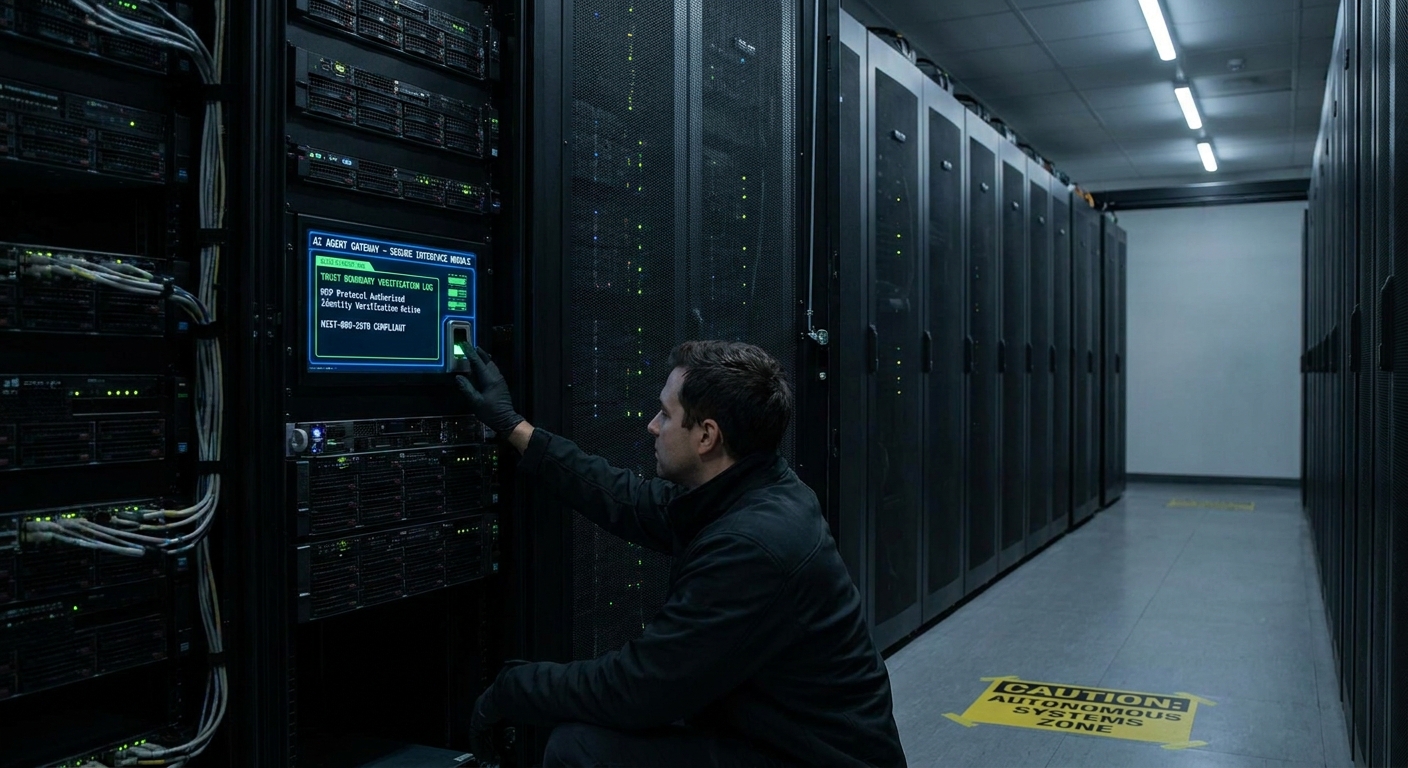
Cato’s new Cato Networks mitigation process isn't just about faster human work; it’s about removing the human from the tactical loop entirely. By deploying autonomous agents, they’ve streamlined the security lifecycle into a repeatable, high-speed sequence:
- Continuous Monitoring: The system tracks new CVEs and threat intelligence feeds in real-time.
- Automated Triage: It instantly assesses how severe a vulnerability is and whether it actually poses a threat to the specific network environment.
- Exploit Reproduction: The AI simulates the attack, verifying the threat vector so the team isn't chasing ghosts.
- Signature Development and Testing: It builds and validates a protective signature, ensuring it stops the bad traffic without nuking the legitimate stuff.
- Global Deployment: Once validated, the signature is pushed across the entire Cato Cloud simultaneously.
As MSSP Alert points out, there’s still a human hand on the wheel to ensure accuracy, but the heavy lifting is gone. This isn't just another WAF rule; it’s a network-level defense layer that stops the threat before it ever reaches your infrastructure.
The Shift in Strategy
| Feature | Traditional Patching | Agentic Network Mitigation |
|---|---|---|
| Response Time | Days to weeks | 45 minutes |
| Primary Focus | System-level patching | Network-level traffic filtering |
| Human Effort | High (Manual deployment) | Low (Supervised automation) |
| Deployment Scope | Local/Device-specific | Global/Cloud-native |
This transition to a 45-minute time-to-protect fundamentally changes the game. We’re moving away from the idea that a patch is the only way to stay safe. Instead, the network becomes an active, intelligent shield.
Does this mean you can stop patching your servers? Absolutely not. But it does change the pressure. Instead of panic-patching at 3:00 AM, IT teams can use this 45-minute buffer to test their updates properly and deploy them on a sane schedule. The network holds the line while the IT team does the maintenance.
The Future of Autonomous Security
The industry is clearly trending toward autonomous operations. We’ve reached a point where human-scale response times simply cannot compete with the sheer volume of vulnerabilities being discovered. By offloading the repetitive, high-stakes work of signature development to AI agents, security professionals can finally stop playing defense and start focusing on actual strategy.
It’s an evolution in the security lifecycle that was long overdue. When the network can protect itself, the humans behind the screen can finally get some sleep.