Crystallographic Signature Verification for Federal Model Contexts

TL;DR
- This article covers the critical shift toward lattice-based crystallographic signatures to secure federal Model Context Protocol (MCP) environments against future quantum threats. We explore how to implement post-quantum verification within ai infrastructure to stop tool poisoning and ensure that model contexts remain untampered. You'll get a deep dive into cryptographic agility and granular policy enforcement for high-stakes governmental deployments.
The Quantum Threat to Federal Model Contexts
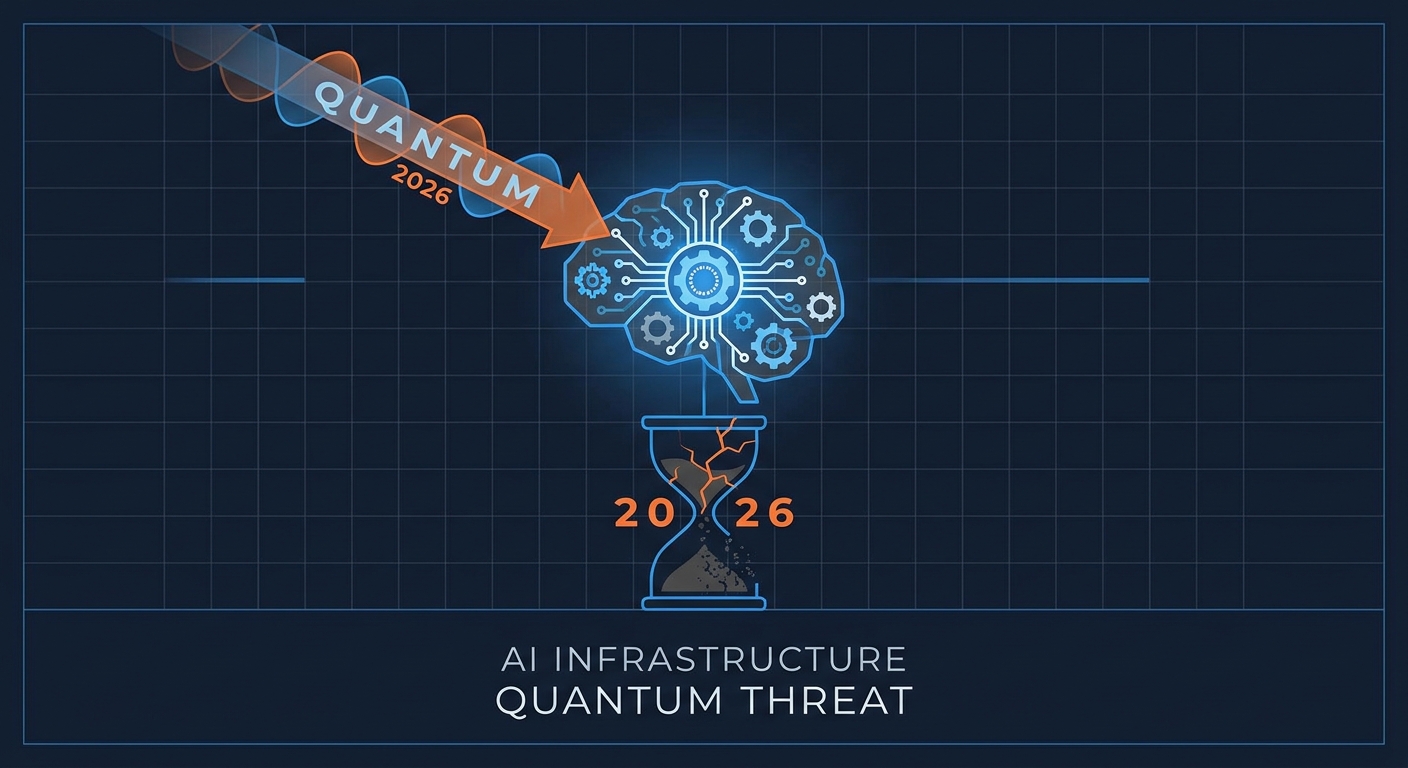
Ever wonder if a quantum computer could just waltz into a federal database and start acting like it owns the place? It's not sci-fi anymore—it is a legit "when, not if" situation for our ai infrastructure.
We’ve been leaning on RSA and Elliptic Curve Cryptography (ECC) for decades, but they’re basically sitting ducks now. The problem is Shor’s algorithm; it’s this mathematical shortcut that a quantum computer uses to crack the prime factoring that keeps our current encryption alive.
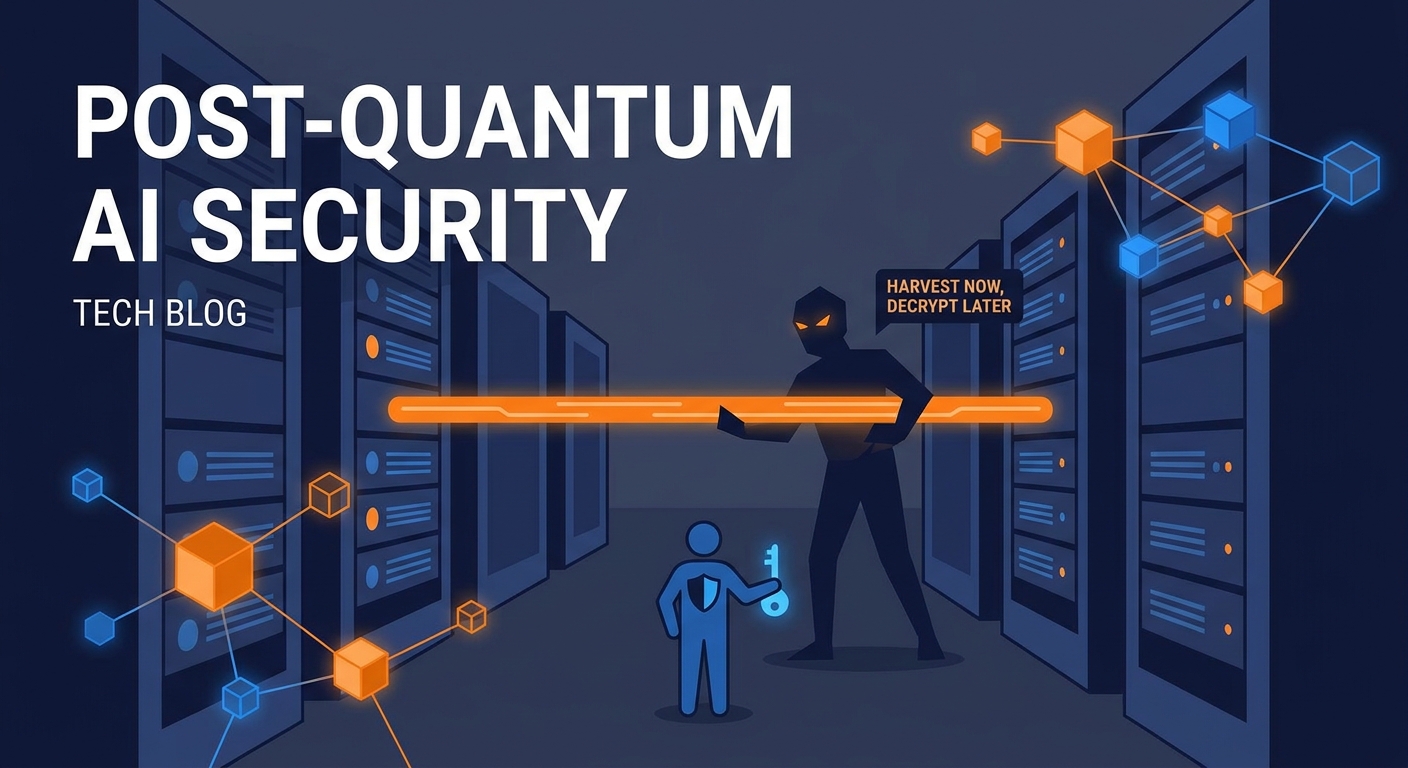
The most pressing danger is "harvest now, decrypt later." This is where bad actors steal encrypted federal data today, just waiting for a quantum machine to pop it open in five years. While digital signatures like ML-DSA protect the integrity of a message (making sure it wasn't tampered with), we also need ML-KEM (formerly Kyber) to handle the confidentiality side. Without both, your data is basically a time capsule for hackers.
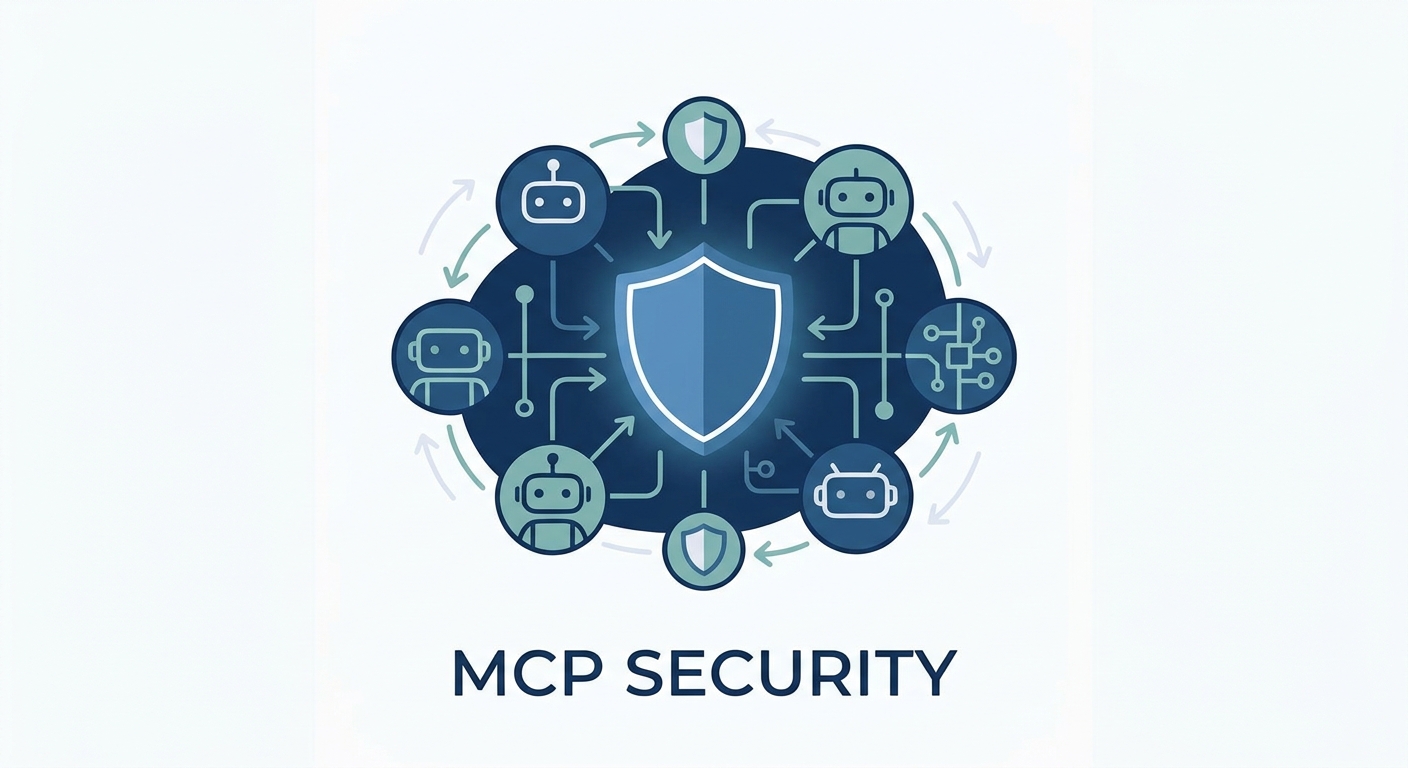
- The mcp Tool Vulnerability: In a Model Context Protocol (mcp) setup, your ai agents rely on "tool definitions" to know what they can actually do. If an attacker uses quantum-calculated spoofs to alter these definitions, your ai might think it has permission to export a whole database when it was only supposed to read one file.
- Identity Spoofing: We've seen how easy it is to mimic api calls. In a pre-quantum world, we trust the handshake, but a quantum adversary can forge those digital signatures instantly, making a rogue agent look like a verified bot.
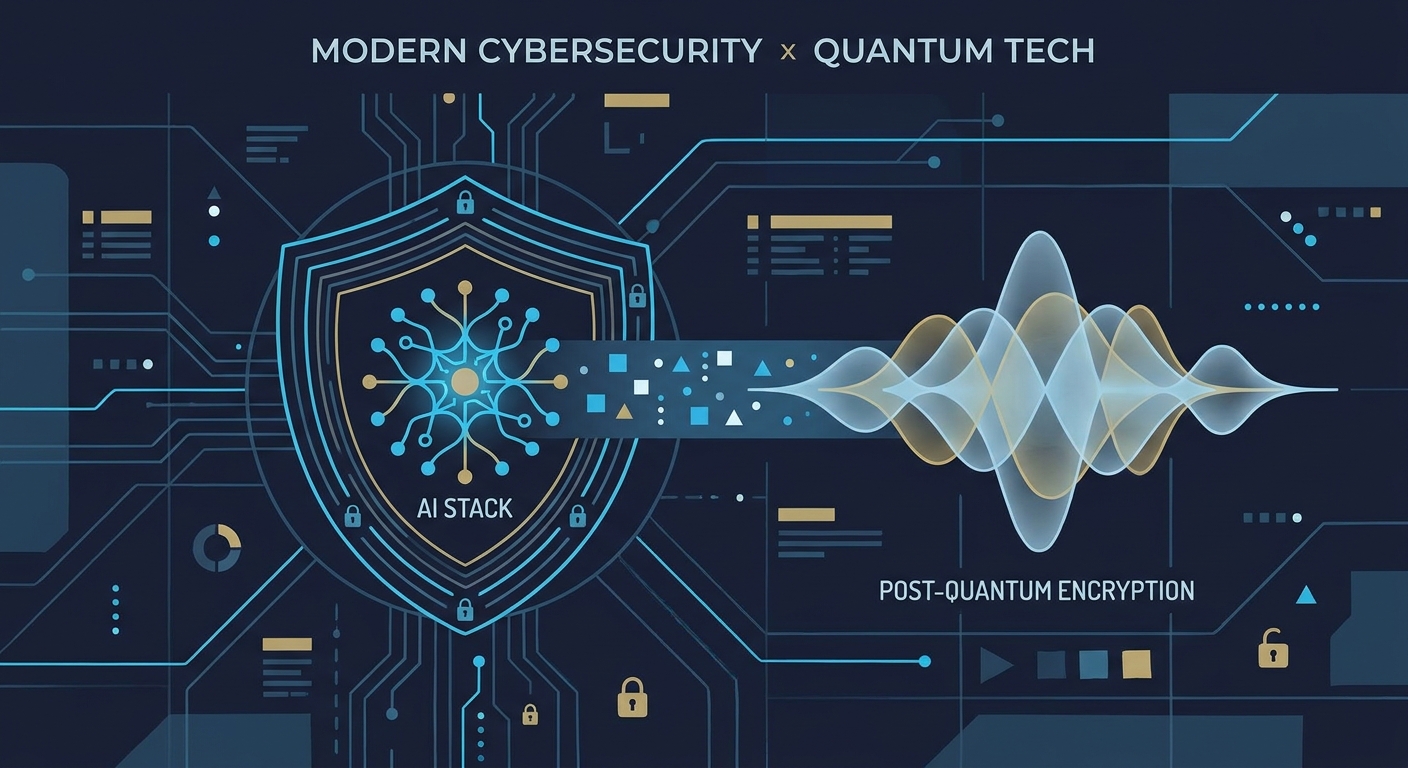
According to the pqc Coalition, these attacks are already happening against federal data. To fight back, we move to lattice-based math. Instead of hiding keys behind big prime numbers, we hide them in complex, multi-dimensional grids that even quantum bits can't navigate easily.

NIST recently finalized the ML-DSA (Module-Lattice-Based Digital Signature Algorithm) as the standard for federal agencies. When an mcp agent interacts with a sensitive resource, it uses these crystallographic signatures to prove—without a doubt—that it is who it says it is.
Next, we’re gonna look at how these signatures get baked into the mcp layer and how to manage the massive keys that come with them.
Implementing PQC in Model Context Protocol Deployments
So, you've got your mcp servers running and your ai agents are talking to each other like old friends. That’s great, until you realize those handshakes are based on math that a quantum computer will eventually eat for breakfast.
The big secret here is "cryptographic agility." It sounds like a buzzword, but it just means your mcp deployment shouldn't be married to one specific algorithm. You want to be able to swap out signatures like you're changing a lightbulb.
- Modular Signature Wrappers: Instead of hardcoding RSA into your mcp tool definitions, use a wrapper. This lets you switch to ML-DSA or whatever comes next without touching the core logic.
- Hybrid Modes are Your Friend: A lot of agencies are running "hybrid" signatures. You sign the data with a classic key (like ECC) and a quantum-resistant one. If one fails, the other still holds the line.
- Dealing with "Thick" Keys: PQC keys and signatures are way bigger than what we're used to. We’re talking kilobytes instead of bytes. You gotta make sure your p2p mcp channels can handle the extra payload without lagging out.

I saw a dev team recently try to roll their own pqc implementation in a finance bot. They forgot about the latency of larger keys and the whole thing crawled. By keeping the security layer separate from the ai logic, you stay flexible.
Next, we’re gonna dive into how gopher security handles the orchestration of these keys across a distributed federal network.
Future-Proofing Federal AI with Gopher Security
Honestly, keeping federal mcp deployments safe feels like a full-time game of whack-a-mole. That is where Gopher Security comes in. It’s more like a smart nervous system for your model context protocol setup.
Gopher uses what they call a 4D framework to verify every interaction. It doesn't just look at a key; it looks at:
- Identity: Is this actually the authorized agent?
- Behavior: Is the agent suddenly asking for way more data than usual?
- Context: Where is the request coming from and is the environment secure?
- Time: Is this request happening during a weird window or too fast?
- Post-Quantum p2p Connectivity: Gopher sets up peer-to-peer tunnels between your mcp clients and servers using those lattice-based signatures, ensuring that even if someone sniffs the traffic, they can't do anything with it later.
- KMS and PKI Orchestration: This is the big one. Gopher automates the lifecycle of your PQC keys. It handles the distribution of ML-DSA-65 keys across your nodes and rotates them so you don't have to manually update a thousand config files.

Here is a quick look at how you might define a Gopher policy:
target: "federal-mcp-server"
rules:
  - tool: "export_ledger"
    auth: "ml-dsa-65"
    mfa_required: true
    max_rate: "5_requests_per_min"
    behavior_profile: "static_analysis_only"
Next up, we’re gonna talk about how to actually implement this in code with versioned keys.
Granular Policy and Identity in Crystallographic Contexts
Ever feel like giving an ai agent "admin" rights is like handing your car keys to a toddler? It's terrifying because, in a standard mcp setup, permissions are often all-or-nothing.
We need to get way more surgical. Think of it as parameter-level lockdown. Instead of just letting a bot access a tool, we sign specific tokens that say it can only view certain rows or fields. If a quantum adversary tries to tweak those numbers in transit, the crystallographic signature breaks and the request dies.
- Signed Context Tokens: We wrap every mcp request in a lattice-signed token that carries the specific "scope" of the work.
- Industry Solutions: In Healthcare, this stops an ai from pulling social security numbers while summarizing notes. In Retail, it prevents a pricing bot from touching "flagship" products it shouldn't. In Finance, it ensures a treasury bot can't move more than its daily limit.
- Immutable Audit Trails: Every single parameter check gets logged. If you're going for SOC 2 or ISO 27001 compliance, this is your bread and butter.

Here is how a restricted policy might look in a simple json-style check:
{
  "actor": "logistics-bot-01",
  "tool": "update_inventory",
  "constraints": {
    "warehouse_id": "WH-42",
    "max_increment": 100
  },
  "sig": "ml-dsa-65"
}
This keeps the ai in a "sandbox" that it can't math its way out of. Honestly, it's the only way to sleep at night.
Technical Implementation: Key Management and Verification
Look, we can talk about math all day, but at some point, you actually have to push code. If your mcp setup isn't verifying signatures in the actual request flow, all that post-quantum theory is just expensive paperwork.
You need a way to handle Versioned Keys and Grace Periods. You can't just swap a key and break every active session. Your code needs to look at the key_id and decide which public key to use for verification.
Here is how you might handle this in a python-based mcp server:
from pqcrypto.sign import mldsa65
# A simple key store with versioning
KEY_STORE = {
"v1_2023": b"old_public_key_bytes...",
"v2_2024": b"ml_dsa_65_public_key_bytes..."
}
def verify_mcp_request(request):
# grab the signature and the key version from headers
signature = request.headers.get("X-MCP-Sig")
key_version = request.headers.get("X-Key-ID", "v1_2023")
public_key = KEY_STORE.get(key_version)
<span class="hljs-keyword">if</span> <span class="hljs-keyword">not</span> public_key:
log_security_event(<span class="hljs-string">"Unknown Key Version"</span>)
<span class="hljs-keyword">return</span> <span class="hljs-literal">False</span>
<span class="hljs-keyword">try</span>:
<span class="hljs-comment"># verify using the specific versioned key</span>
mldsa65.verify(public_key, request.body, signature)
<span class="hljs-keyword">return</span> <span class="hljs-literal">True</span>
<span class="hljs-keyword">except</span> Exception:
log_security_event(<span class="hljs-string">"Signature Mismatch - Potential Quantum Spoof"</span>)
<span class="hljs-keyword">return</span> <span class="hljs-literal">False</span>
We gotta be careful here. While we're locking everything down, we shouldn't forget that over-monitoring can lead to bias. If your security policy is too rigid, it might accidentally block legitimate edge cases just because they look "unusual."

At the end of the day, moving to a post-quantum mcp architecture is about staying ahead of the curve. As mentioned earlier, the threat is already here—we're just building the walls high enough to keep the future at bay. Stay safe out there.