Granular, Policy-Based Access Control with Post-Quantum Attribute-Based Encryption

TL;DR
- This article covers granular, policy-driven access control using Post-Quantum Attribute-Based Encryption (pq-abe) to fortify AI infrastructure. It details how pq-abe enhances security by enabling fine-grained permissions based on attributes, ensuring only authorized entities access sensitive data. Also, this explores the implementation challenges and best practices for integrating pq-abe into existing systems, providing a future-proof security posture against quantum computing threats, and it helps in achieving compliance.
Introduction to Granular Access Control in AI Infrastructure
Okay, so you're diving into ai security, huh? Let's talk granular access control. why's it important?
- ai handles tons of sensitive data; we need to protect it.
- Traditional methods? They're kinda too clunky for ai's needs.
- It minimizes those pesky attack surfaces, keeping data breaches at bay. Velotix.ai highlights how granular access can minimize sensitive data exposure.
Think of healthcare: doctors needs everything, billing folks? Just insurance deets. That's the idea, and it's why you should care. Now, let's get specific about what granular access really is...
Understanding Attribute-Based Encryption (ABE)
Attribute-Based Encryption, or abe, huh? Sounds complicated, but it's kinda cool. Imagine a lock that only opens if you have the right attributes, not just a key.
- it encrypts data based on user and data attributes. Think "department=HR AND clearance=high".
- Access policies get baked right into the ciphertext itself.
- You only decrypt if your attributes match the policy. No match, no access.
So, next up, let's see why this is useful for ai security.
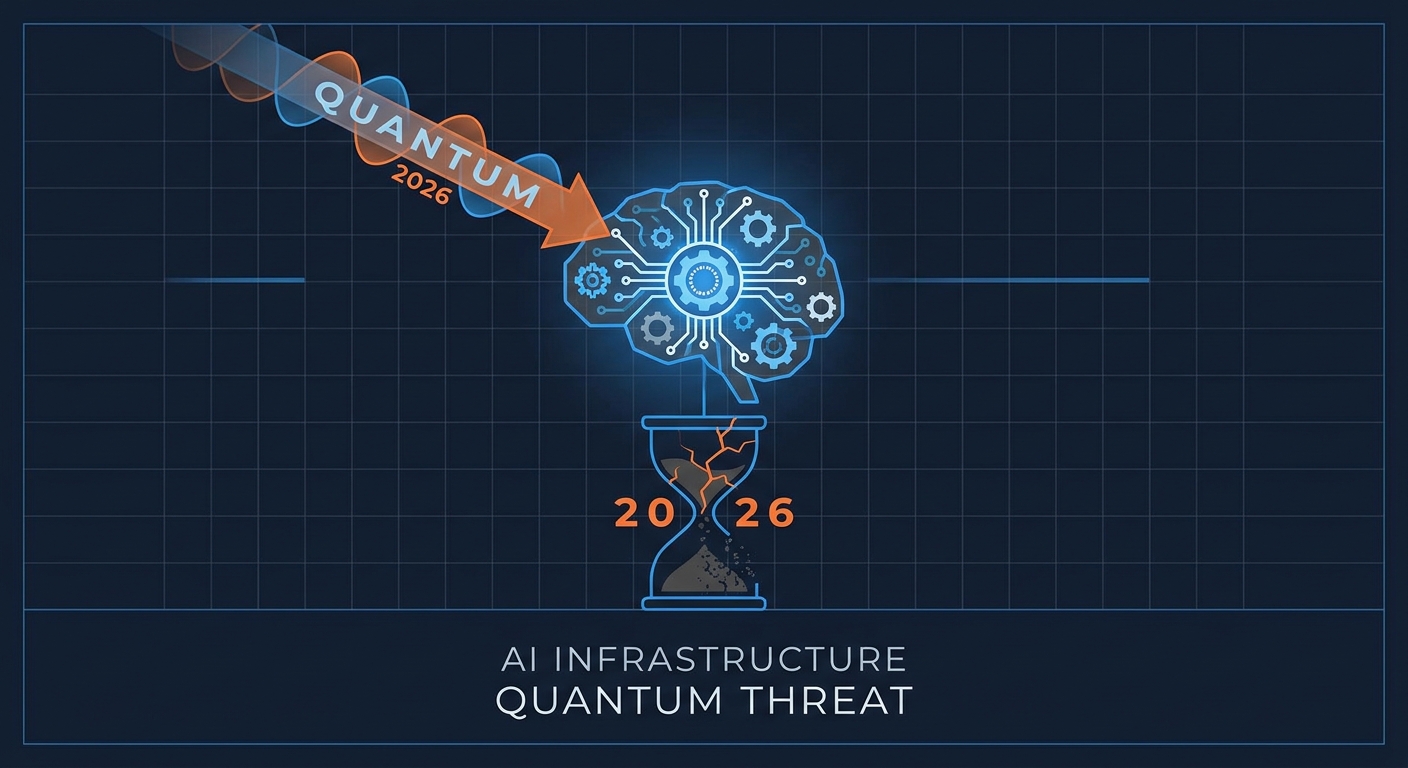
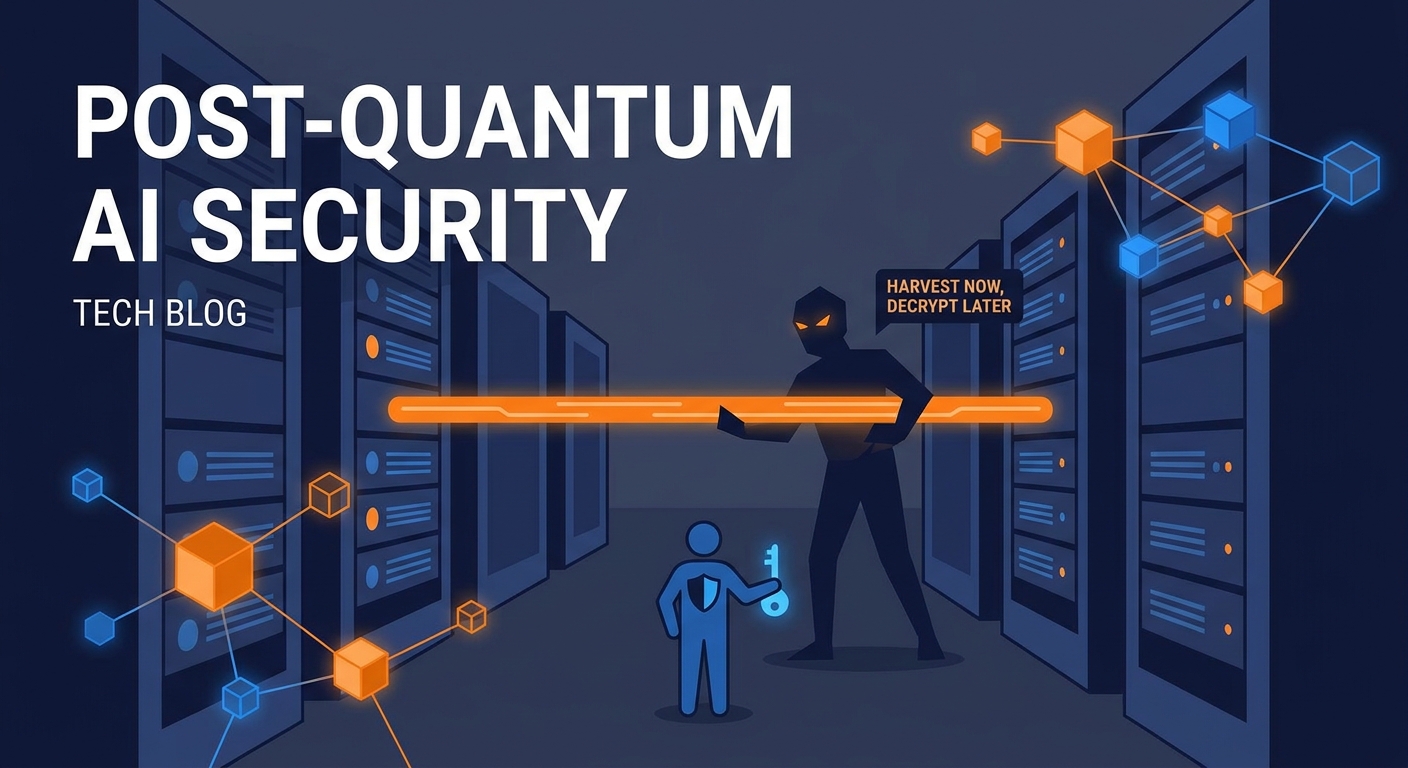
The Quantum Threat and the Need for Post-Quantum Cryptography
Okay, so quantum computers are coming, right? Like, eventually they'll be here. That means current encryption methods is gonna be about as useful as a screen door on a submarine.
- Shor's algorithm is the big bad wolf here. It can crack RSA and ECC, which are like, everywhere. If you're using RSA or ECC you are vulnerable.
- This isn't just about banks or governments either. ai systems, especially those dealing with sensitive stuff, are at risk. your healthcare ai, your retail ai, you name it.
We need something better, something that quantum computers can't just waltz through. That something is post-quantum cryptography.
It's all about cryptographic agility, folks. Being ready to swap out old algorithms for new, tougher ones before the quantum apocalypse hits. Let's talk about that new hope next.
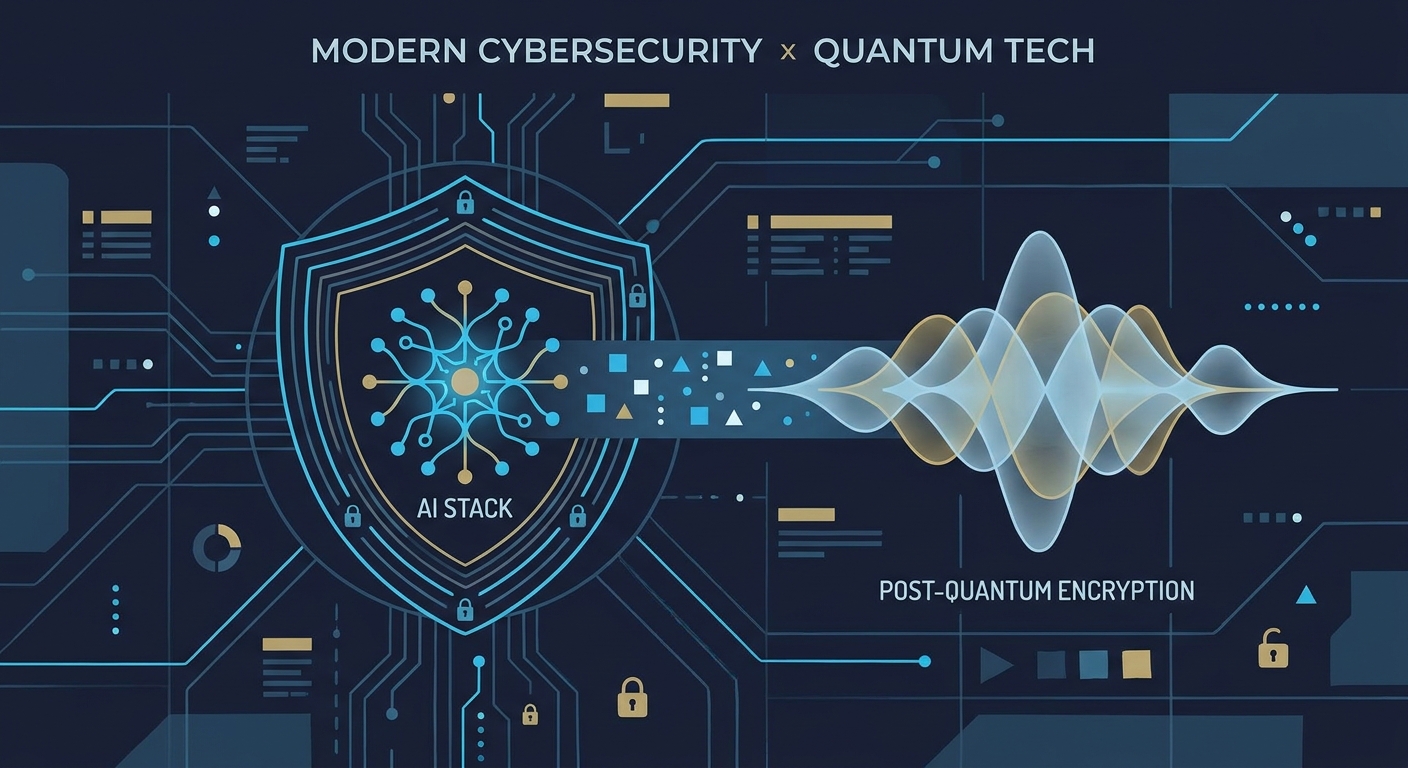
Post-Quantum Attribute-Based Encryption (PQ-ABE): A Future-Proof Solution
PQ-ABE, huh? Sounds like alphabet soup, but stick with me. It's all about taking Attribute-Based Encryption and making it, well, quantum-proof. Can't have those quantum computers messin' with our data, can we?
- It combines ABE with post-quantum cryptography. This is crucial for, like, actually protecting access control from quantum attacks. Think healthcare data; doctors need access, but only the right doctors, even if quantum computers get involved.
- It ensures confidentiality and integrity, even if someone's got a quantum computer. No peeking at patient records, no messing with financial transactions.
- It's like, future-proofing your security. You dont wanna be stuck with outdated tech, right?
So, hows this actually help ai infra security? Let's jump into that next.
Implementing Granular, Policy-Based Access Control with PQ-ABE
Implementing granular, policy-based access control with pq-abe? Sounds like a mouthful, I know. But hey, wanna stop quantum computers from messin' with your ai secrets? Then pay attention!
First up, define access policies. Figure out who needs what. HR folks shouldn't see engineering schematics, right?
Then, you gotta integrate pq-abe into what you already have. Might be a pain, especially with older systems. api's and middleware can help smooth things out though.
Lastly, Picture this: only approved researchers tweaking a machine learning model. pq-abe makes this happen. No unauthorized meddling with sensitive outputs.
So, that's how it works, next, an example scenario...
Challenges and Considerations
PQ-ABE sounds great, right? But, like, nothing's perfect, is it? There are definitely some speed bumps you'll hit when trying to use it.
- Performance is a big one. Turns out, all that fancy crypto math takes time. So, pq-abe? It can add overhead. Gotta optimize those cryptographic operations, or your ai system is gonna crawl.
- Key management gets complex, quick. Managing all them attributes and keys? Not a walk in the park. You'll need a solid system, maybe a trusted authority, to keep things secure. And revoking keys when someone leaves? Yeah, that's gotta be smooth.
It's like, balancing usability with hardcore security.
Next up? Diving even deeper into this rabbit hole...
Best Practices for Deploying PQ-ABE in AI Environments
Okay, so you've got PQ-ABE implemented, cool. But how do you know it's actually doing it's job, you know?
First, you gotta verify access control policies. Are they actually being enforced the way you think they are? Audit logs are your friend.
Next up- identify vulnerabilities; that's the goal. Regular audits can show gaps in your pq-abe setup before someone nasty finds 'em. Think penetration testing, vulnerability scans.
And don't forget compliance. HIPAA in healthcare, PCI dss for finance—you gotta dot those i's and cross those t's.
Keep an eye on access patterns. Weird stuff happening at 3 am? That's a red flag.
Use threat intelligence! Knowing what attacks are out there helps you prepare.
Have an incident response plan. when, not if, something goes wrong.
So, that's security audits and monitoring. what about more?
Conclusion: Embracing PQ-ABE for Secure AI
So, quantum computers are gonna be a thing, right? Which means, we gotta be ready.
- PQ-ABE? It's not just some buzzword; it's about building trust in ai, especially when handling sensitive info. Think healthcare: patients need to trust their data is safe, even from future threats.
- It's a proactive move, not a panic button. We're talking about cryptographic agility, and being able to swap out old algorithms for the new ones.
- It ensures confidentiality and integrity, so no messing with financial transactions cause you know, who wants that?
Basically, PQ-ABE's the shield for your ai kingdom.