Model Context Protocol (MCP) Security Post-Quantum Transition Roadmap

TL;DR
- This article provides a comprehensive roadmap for securing Model Context Protocol (MCP) deployments against post-quantum threats. It covers key vulnerabilities, the evolution of post-quantum cryptography (PQC), and practical strategies for integrating quantum-resistant solutions like PQuAKE. Also details best practices, implementation considerations, and future-proofing strategies, so you can protect your ai infrastructure, right now.
Introduction: The Imperative of Post-Quantum Security for MCP
Okay, so, quantum computers, right? They're not quite here yet, but when they arrive, they're gonna be a big problem for ai security. I mean, imagine someone could just, like, unzip all your ai's secrets.
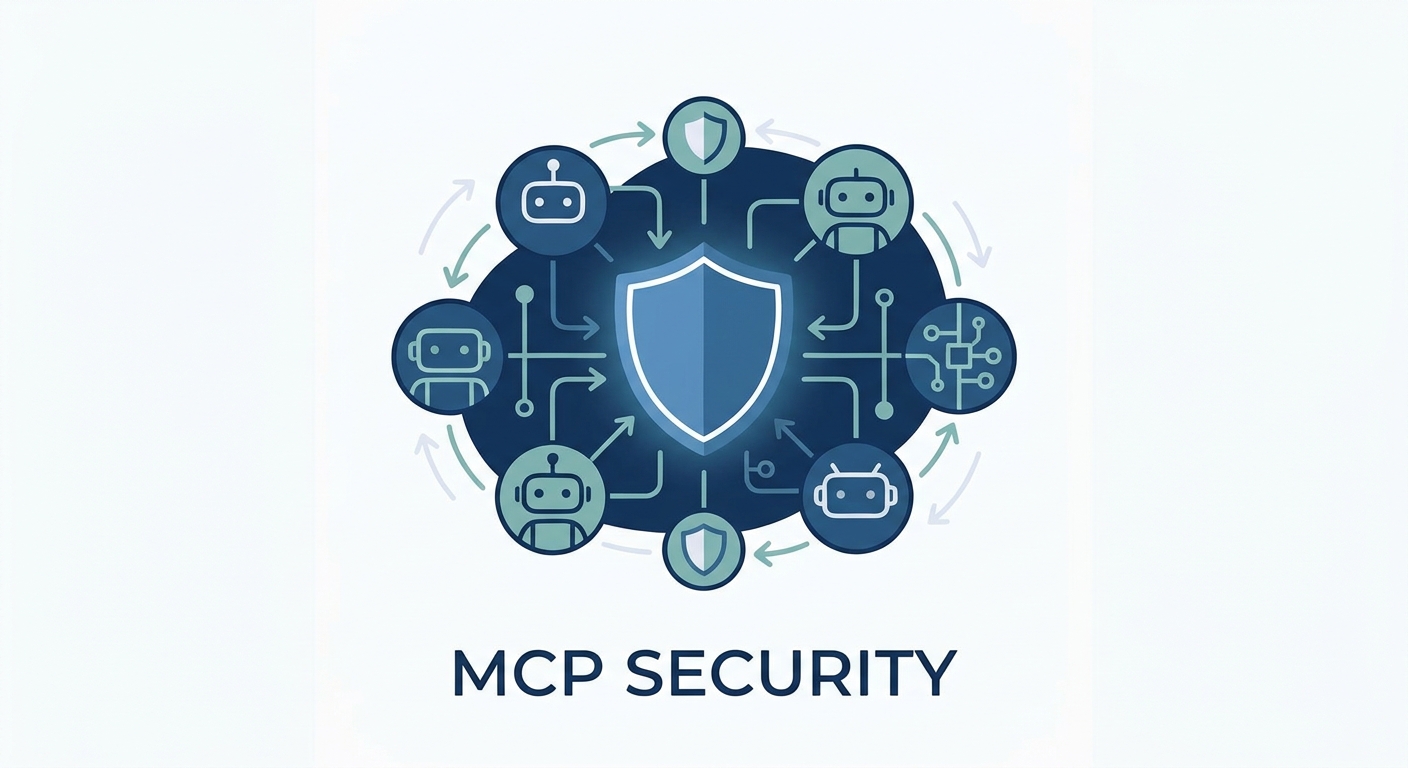
The Model Context Protocol (mcp), it's how ai systems share information. Think of it as the secret language they speak. And if that language gets compromised, well, things could get messy. It's not just about protecting data; it's about protecting the models themselves.
Here's the deal: Quantum computers can break current encryption, like RSA and ECC. (Quantum Computing - How it Changes Encryption as We Know It) It's all thanks to something called Shor's algorithm. (Shor's algorithm - Wikipedia)
This means attackers could potentially steal sensitive data exchanged through mcp. Imagine financial models getting manipulated or healthcare ais spitting out wrong diagnoses!
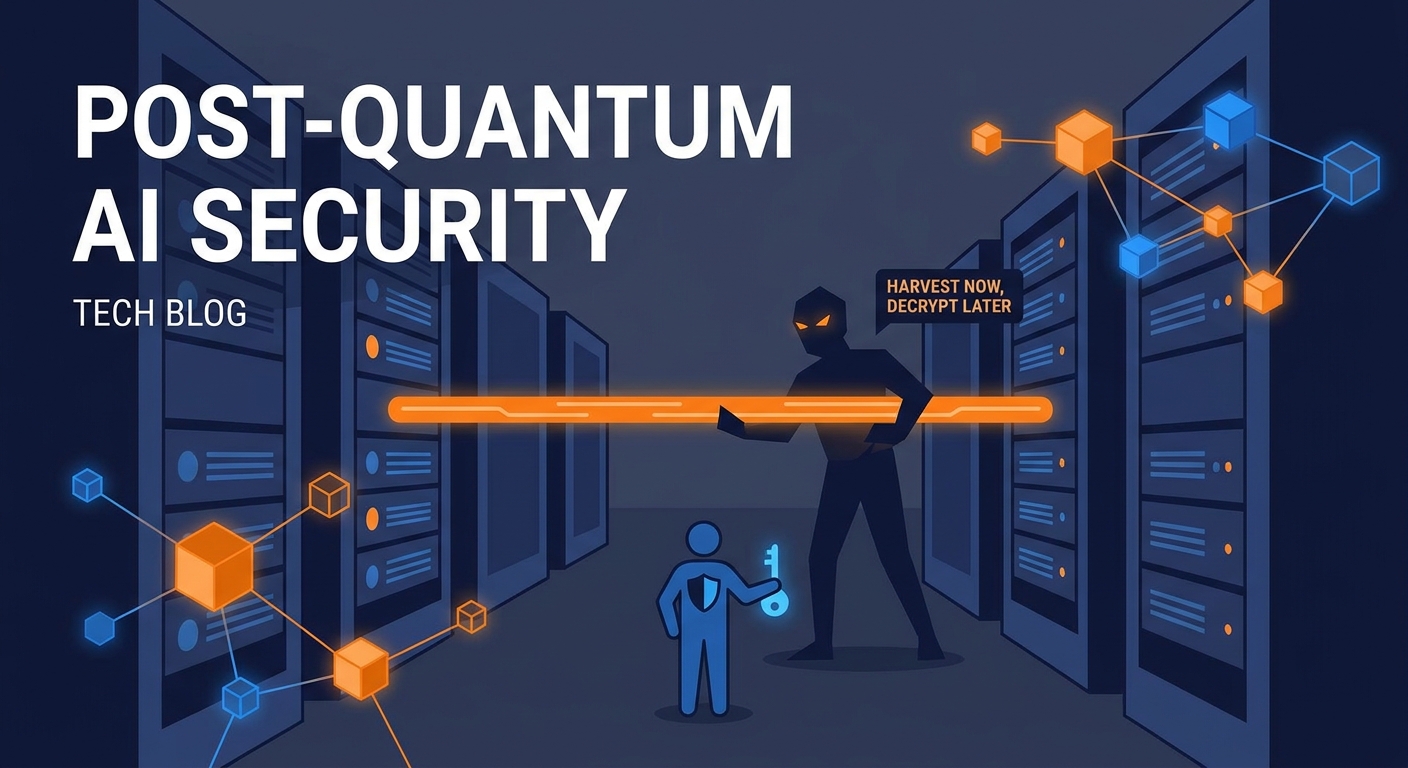
And get this: there's something called "store now, decrypt later" attacks. Hackers can grab encrypted data today and crack it open when quantum computers are powerful enough. (Are Hackers Harvesting Data Now to Crack Later? - Quantropi) Kinda scary, huh?
The data exchanged via mcp is often super-sensitive. We're talking about intellectual property, patient records, financial data – the kinda stuff you really don't want falling into the wrong hands.
A successful quantum attack could lead to massive data breaches, where sensitive information is exposed. Plus, attackers could manipulate ai models, causing them to make incorrect predictions or decisions.
That's why we need to be proactive and get ready now. We needs a well-defined plan to secure our mcp deployments.
So, with all this in mind, we will now dive into post-quantum cryptography and how it can help shield your ai against these future threats.
Understanding MCP Vulnerabilities in a Post-Quantum World
Okay, so, you might be thinking, "Quantum computers, that's a future problem, right?" Well, not exactly. They're already messing with the way we think about security today, especially when it comes to how ais talk to each other using mcp.
Think of mcp as the ai's internal network, and it's got some existing cracks in its armor. I mean, even without quantum computers, there's stuff to worry about.
Prompt Injection: Imagine someone whispering bad ideas into an ai's ear. That's kinda what prompt injection is. An attacker crafts sneaky inputs that makes the ai do things it shouldn't, like spitting out confidential data. Enkrypt AI point out how allow lists can help, but there's no silver bullet.
Tool Poisoning: This one's even sneakier. An attacker messes with the descriptions and schemas of the tools the ai uses. It's like swapping out a real wrench for a rubber one – only the ai doesn't know the difference until it's too late.
Unauthenticated Access and Credential Theft: Seriously, if you ain't got good authentication, you're basically leaving the front door wide open. An attacker can just stroll in and start messing with things.
Command Injection: If an attacker can inject commands into the system, they can potentially gain remote code execution. This means they could run arbitrary commands on the server hosting the ai, leading to data breaches, system compromise, or even complete control of the infrastructure. The best way to mitigate this, according to Enkrypt AI, is to use argument separation and strict validation.
Tool Name Spoofing: Think about it – "git" vs. "gît." Tiny difference, big consequences if you click the wrong one. It's all about tricking users into running malicious tools by using similar-looking names.
Now, here's where the quantum computers come in. They're like giving those existing vulnerabilities a shot of steroids.
See, a lot of the security we rely on now uses encryption that quantum computers can crack pretty easily. Shor's algorithm – remember that from before? – is the big reason why. That means things like stolen credentials, which are already a problem, become way easier for attackers to get their hands on.

So, yeah, quantum computers aren't just some far-off threat. They're gonna amplify the problems we already have with mcp security. That's why we needs to be thinking about quantum-resistant security now.
Next up, we'll dive into post-quantum cryptography and how it can help shield your ai against these future threats.
Post-Quantum Cryptography (PQC): The Foundation for Future-Proofing MCP
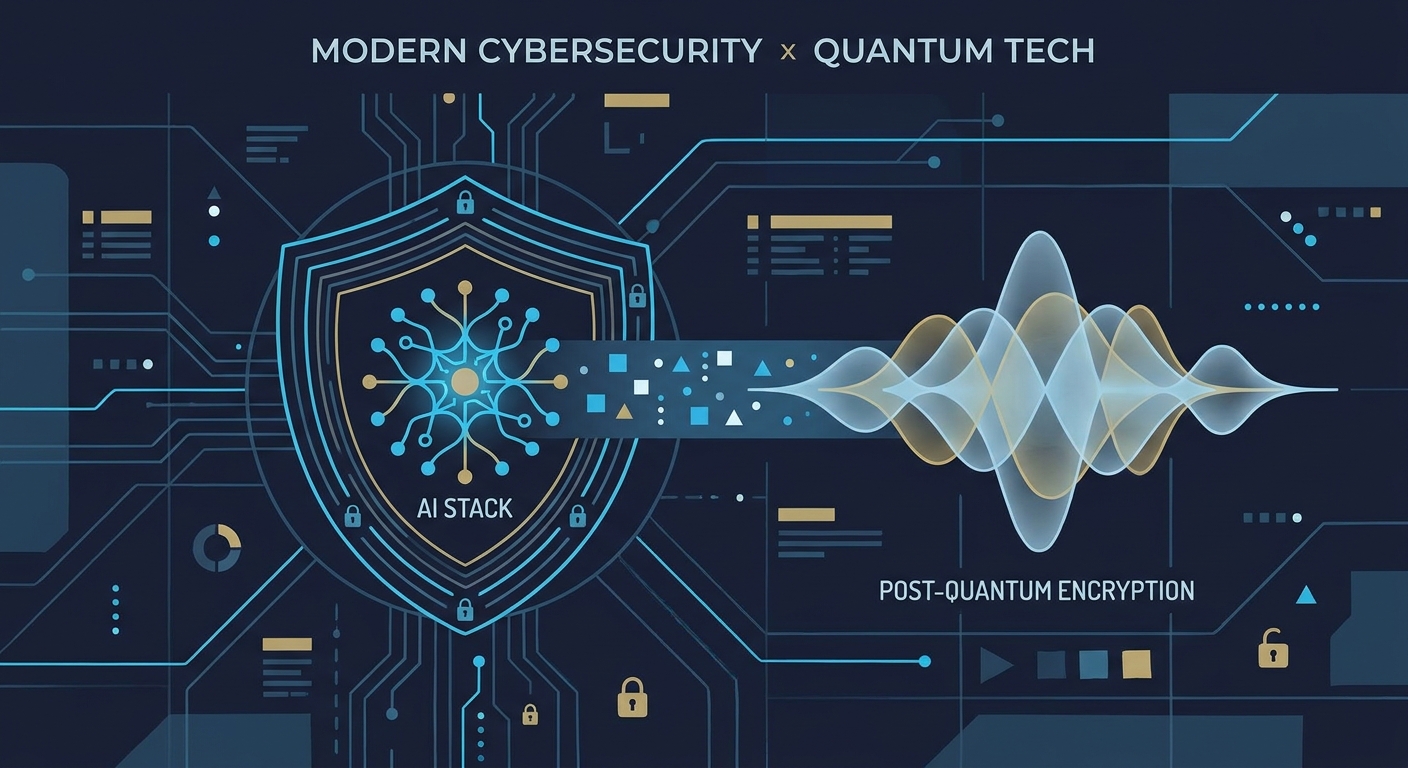
So, quantum computers are like that storm cloud on the horizon, right? We know it's comin', and we gotta be ready. Post-quantum cryptography (pqc) is basically our umbrella – it's how we shield mcp from the quantum storm.
Think of it as upgrading the very foundation of our security, replacing stuff that quantum computers can crack with stuff they can't. It ain't easy, but it's necessary.
Okay, so, what's this PQC stuff actually look like? Well, there's a few main flavors:
Lattice-based cryptography: Imagine a super complex maze – that's kinda what a lattice is. These algorithms use those mazes to encrypt data, and it's proving to be really tough for quantum computers to solve. Crystals-Kyber and Crystals-Dilithium are two popular examples.
Hash-based cryptography: This one's based on the idea of hash functions – those one-way operations that are super hard to reverse. It's like turning a burger into mush – you can't turn the mush back into a burger.
Code-based cryptography: This leverages the difficulty of decoding certain types of codes – kinda like those secret agent codes you see in movies.
And NIST? They're not just sitting around. They're running a big competition to find the best PQC algorithms. NIST is running a big project to standardize PQC algorithms. They've already selected some winners, like Crystals-Kyber for key encapsulation and Crystals-Dilithium for digital signatures.
Now, you might hear folks talking about Key Encapsulation Mechanisms (kems) and Key Exchange (kex) and wonder what's what. Lemme break it down:
kems are like sending a locked box with the key inside. One side generates a secret, locks it up, and ships it over. The other side unlocks it. Done deal.
kex is more like both sides workin' together to build the key from scratch. It's, uh, complicated.
For mcp, kems, like Crystals-Kyber, are often preferred. They're generally simpler and more efficient, as kems simplify the key establishment process. Efficiency is key, especially when dealing with ai systems that need to communicate quickly. It can simplify the key establishment process, reducing the number of round trips and computational overhead compared to a full kex, which is crucial for performance.
So, yeah, PQC is the foundation for future-proofing mcp. It's not a simple switch, but it's a critical one. Next up, we'll talk about PQuAKE and how it can keep those ai systems secure from quantum shenanigans.
PQuAKE: A Lightweight Post-Quantum Authenticated Key Exchange Protocol for MCP
So, you want your ai to whisper sweet nothings without quantum eavesdroppers listening in? That's where PQuAKE comes in; it's like a secret handshake that's tough even for quantum computers to crack.
PQuAKE isn't just some random collection of cryptographic algorithms thrown together. It's designed with two main things in mind: being lightweight and providing strong security. The goal is to minimize communication overhead while still holding up against quantum attacks.
Here's the basic rundown of how PQuAKE works:
- First, it establishes a confidential link and exchange certificates. Think of it as a secure "hello" where both sides show their IDs using temporary encryption.
- Next, it encapsulates and sends shared secrets. Each side makes a secret and locks it in a digital box for safe travel.
- Then, it decapsulates shared secrets and derive session keys. This is where they unlock the box and create the actual key for secure chats.
- Finally, it performs key confirmation. It's a double-check to make sure both sides have the same key so nobody can mess with the connection.

The cool thing is, the IETF draft mentions formal proofs using tools like Verifpal and CryptoVerif. (PQuAKE - Post-Quantum Authenticated Key Exchange) These proofs are there to reassure you that PQuAKE actually delivers on its security promises.
Let's face it: not all ai systems have beefy servers. Some are tiny devices out on the edge with limited resources. That's why PQuAKE's lightweight design is so important.
It's perfect for edge ai devices and embedded systems because it keeps the communication overhead low and minimizes latency. This is crucial for practical mcp deployments where speed and efficiency matter.
So, PQuAKE seems like a solid option for securing ai systems, especially where resources are tight. Next, we'll see how this protocol can be integrated for mcp authentication.
Integrating PQuAKE into MCP: Practical Considerations and Challenges
Okay, so, you got PQuAKE working in your lab, but what about real-world chaos? It's like the difference between baking a cake from a recipe and trying to do it during an earthquake, right?
Implementing PQuAKE across varied mcp setups ain't always smooth sailing. What works for a beefy server in a data center might completely bomb on a tiny sensor out in a smart factory. You gotta think about optimization – like, really think about it.
- Resource-constrained environments are tricky. We're talking about minimizing code size, slashing memory usage, and carefully choosing algorithms that don't choke the system. For instance, imagine trying to run PQuAKE on a micro controller in a medical implant; you can't just throw a ton of processing power at it.
- Then there's adapting PQuAKE to your existing setup. No one wants to rewrite everything from scratch, so think api wrappers or compatibility layers that bridges the gap between pquake and your current systems.
Certificates? They're like digital IDs, and keeping them secure is paramount. If someone spoofs an identity, your whole security setup crumbles.
- You need a quantum-resistant system for issuing, storing, and, yeah, even revoking certificates when needed. Think quantum-resistant signature algorithms, like Crystals-Dilithium, for the certificates themselves.
- Don't forget to validate those certificate signatures! It's like checking someone's ID at the door to make sure they are who they say they are. You'd be surprised how many things can go wrong if you skip this step.
- And for extra security, consider pre-shared keys, as the ietf draft for PQuAKE notes, "Adding a pre-shared symmetric key to the key derivation ensures confidentiality of the peers' identities". PQuAKE - Post-Quantum Authenticated Key Exchange
Stuff will go wrong – it's Murphy's Law, right? PQuAKE needs to handle errors gracefully.
- Timeouts, corrupted messages, invalid certificates – all part of the job. The protocol needs a solid plan for handling each scenario.
- If something's fishy, you gotta shut things down, meaning aborting the protocol to avoid further compromise. But, don't be too hasty.
- As the ietf draft says, "the protocol SHOULD only abort at the end of the protocol if the peer's identity does not match an out-of-band verification" PQuAKE - Post-Quantum Authenticated Key Exchange. Premature termination can be a real pain.
Getting PQuAKE to play nice with mcp isn't just about the crypto itself; it's about the whole ecosystem around it. Next up, we'll dive into best practices.
Best Practices and Implementation Considerations for Post-Quantum MCP Security
Okay, so, you're thinking about slapping some post-quantum security on your mcp setup? Smart move, but it's not just about grabbing the shiniest new crypto – it's about how you use it. Think of it like building a house: a fancy door lock ain't gonna help if the windows are wide open, y'know?
Choosing the right post-quantum cryptography (pqc) algorithms for your Model Context Protocol (mcp) deployment is kinda like picking the right tool for the job. You wouldn't use a hammer to screw in a lightbulb, right?
- Lattice-based cryptography, like Crystals-Kyber, is generally considered a solid all-arounder – good security and decent performance. It's like the Swiss Army knife of PQC.
- Code-based cryptography, on the other hand, has been around the block for a while, which is reassuring. However, those key sizes can get pretty massive, which might be a problem for resource-constrained environments. It's like lugging around a giant toolbox when all you need is a screwdriver.
- Hash-based cryptography are also an option, but you would need to select the ones that meet your needs.
Listen, even the fanciest PQC algorithms ain't worth squat if you're sloppy with your keys. Treat 'em like the crown jewels, alright?
- Secure key generation is a must. You need a real source of entropy – no dodgy random number generators allowed. Think of it like using purified water versus ditch water to make your coffee.
- For key storage, consider hardware security modules (HSMs) or secure enclaves. It's like storing your valuables in a bank vault instead of under your mattress.
- And don't forget regular key rotation! Change 'em regularly, just like passwords. Stale keys are like old bread – nobody wants 'em.
Let's be real: PQC algorithms can be a bit… sluggish. That's just the price you pay for quantum resistance, I guess. But we can't just let things grind to a halt, right?
- Hardware acceleration is a big win if you can swing it. It's like putting a turbocharger on your engine.
- Even without fancy hardware, software optimization can go a long way. Profile your code, find the bottlenecks, and get to work!
- Ultimately, it's about balancing security and speed. You want that quantum resistance, but you also need those ai systems to actually work. It's a delicate dance – like trying to carry a stack of plates without dropping any.

It's a lot to juggle, I know. But keeping these things in mind will set you up for success. Next, we'll talk about threat detection and how to keep those quantum baddies out.
A Zero-Trust Architecture for Post-Quantum MCP Environments
Okay, so, "zero trust" might sound like some kinda spy movie thing, but it's actually super practical for keeping your ai systems safe. I mean, you wouldn't just hand over the keys to your kingdom without some kinda verification, right?
Zero trust is all about "never trust, always verify," and it's not just a catchy slogan. It's a whole mindset shift. Think of it like this: every ai model trying to access data? It's gotta prove it belongs there, every single time.
- Applying zero trust to mcp deployments means treating every connection as potentially hostile. No more assuming that because something's inside your network, it's automatically safe. Strict access controls are a must, and multi-factor authentication – not just for humans, but for ai models too – becomes non-negotiable.
- For Example, in a supply chain, an ai model might need access to inventory data. With zero trust, that model has to authenticate itself constantly, verifying its identity and the legitimacy of its request each time it tries to access the database. If anything seems off, access is denied.

But zero trust goes beyond just usernames and passwords, it's all about context. That's where Attribute-Based Access Control (abac) comes in, and it's way more flexible than traditional role-based access.
- abac enhances access control by considering things like the ai model's identity, the device it's running on, the time of day, and even the current threat level. Think of it like a bouncer at a club who doesn't just check IDs, but also looks at how someone's dressed and whether there's a fight brewing outside.
- So, you could set up policies that say an ai model can only access certain data if it's running on a secure device, during business hours, and from a trusted network. If any of those conditions aren't met, access is denied. This, really cuts down on the chance of something going wrong.
Next up, we'll dive into threat detection and how to keep those quantum baddies out – because you can never be too careful, y'know?
The Future of MCP Security in a Quantum World: Continuous Monitoring and Adaptation
It's kinda wild to think about, but the security landscape is always shifting, right? And when you throw quantum computers into the mix, things get even crazier! That's why continuous monitoring and adaptation are absolutely key to future-proofing your Model Context Protocol (mcp) security.
Think of it like this: you can't fix what you can't see. You gotta be constantly watching for anything fishy going on in your ai systems.
- Continuous monitoring is vital for spotting anomalous activity, whether it is unusual traffic spikes or failed key exchange attempts. If there's a sudden increase in data transfers, that could be bad news, as noted earlier.
- You'll need threat intelligence feeds and security information and event management (siem) systems to help you make sense of all that data. They're like your early warning system, alerting you to potential problems.
- So, Gopher Security's mcp Security Platform offers real-time threat detection and prevention, actively defending against tool poisoning, puppet attacks, prompt injection, and malicious resources. With our comprehensive visibility dashboard, you gain real-time monitoring, audit logs, and threat analytics to stay ahead of emerging threats. [https://gopher.security]
Here's the thing: security isn't a "set it and forget it" kinda deal. You gotta be proactive, doing your research and staying flexible.
- An agile security posture is all about being ready to adapt to new threats as they emerge. You gotta be able to quickly implement new defenses and adjust your strategies as needed.
- It's also super important to track advancements in quantum algorithms. If someone figures out a new way to crack our crypto, we needs to be ready to switch to something else.
- And don't forget the power of collaboration. Sharing information and working together with the security community is crucial for staying ahead of the bad guys.
Quantum-resistant (or post-quantum) cryptography as a more cost effective and easily maintained solution than quantum key distribution.
Securing mcp ain't a one-time fix; its an ongoing journey.
- You gotta continuously evaluate your security measures and adapt them as needed. What works today might not work tomorrow, you know?
- Vigilance is key. Always be on the lookout for new threats and vulnerabilities, and be ready to take action.
- Ultimately, it's about taking a proactive approach to quantum threats. Don't wait until it's too late to start thinking about security.
So, yeah, it's a lot to take in. But by staying vigilant, adapting to new threats, and working together with the security community, we can future-proof our ai infrastructure and keep those quantum baddies at bay.