Post-Quantum Cryptographic Algorithm Integration with Model Context Protocol.

TL;DR
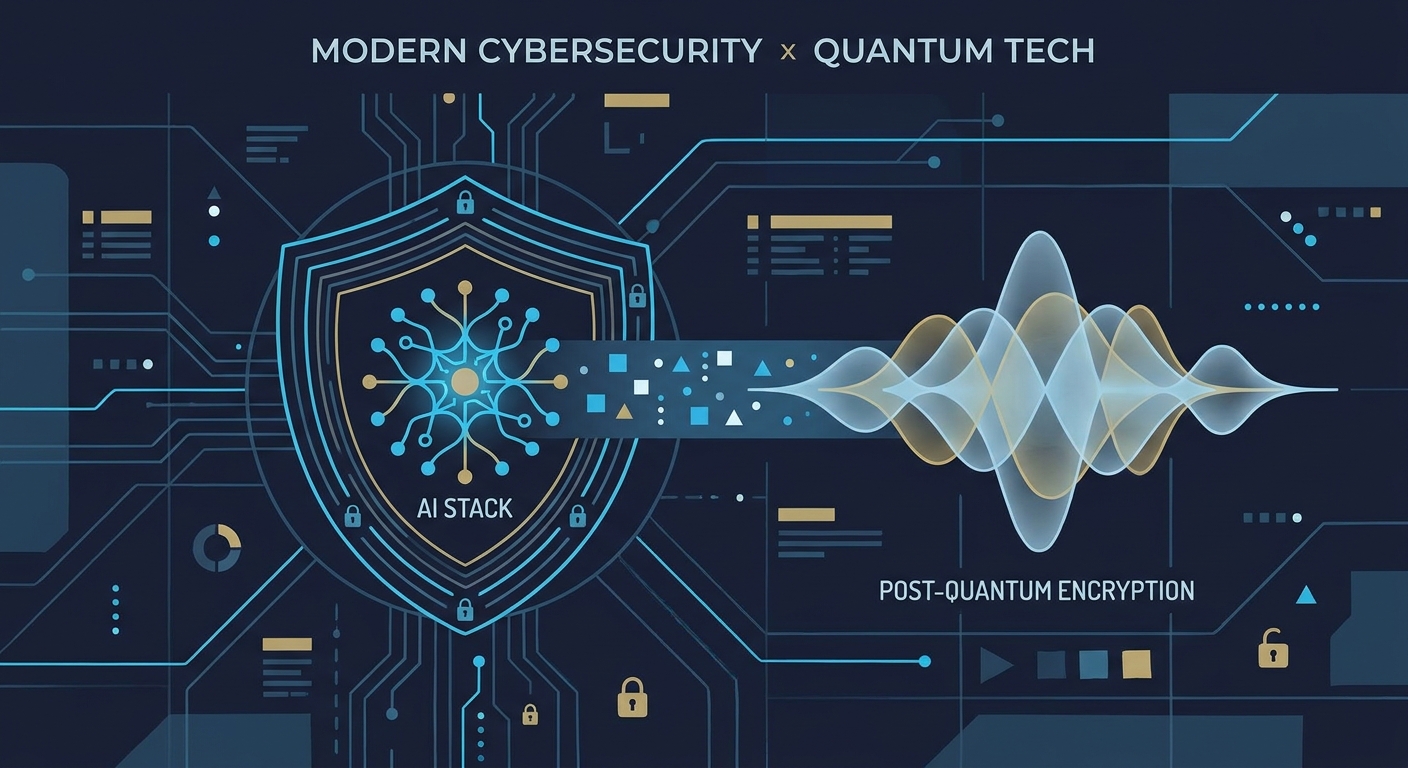
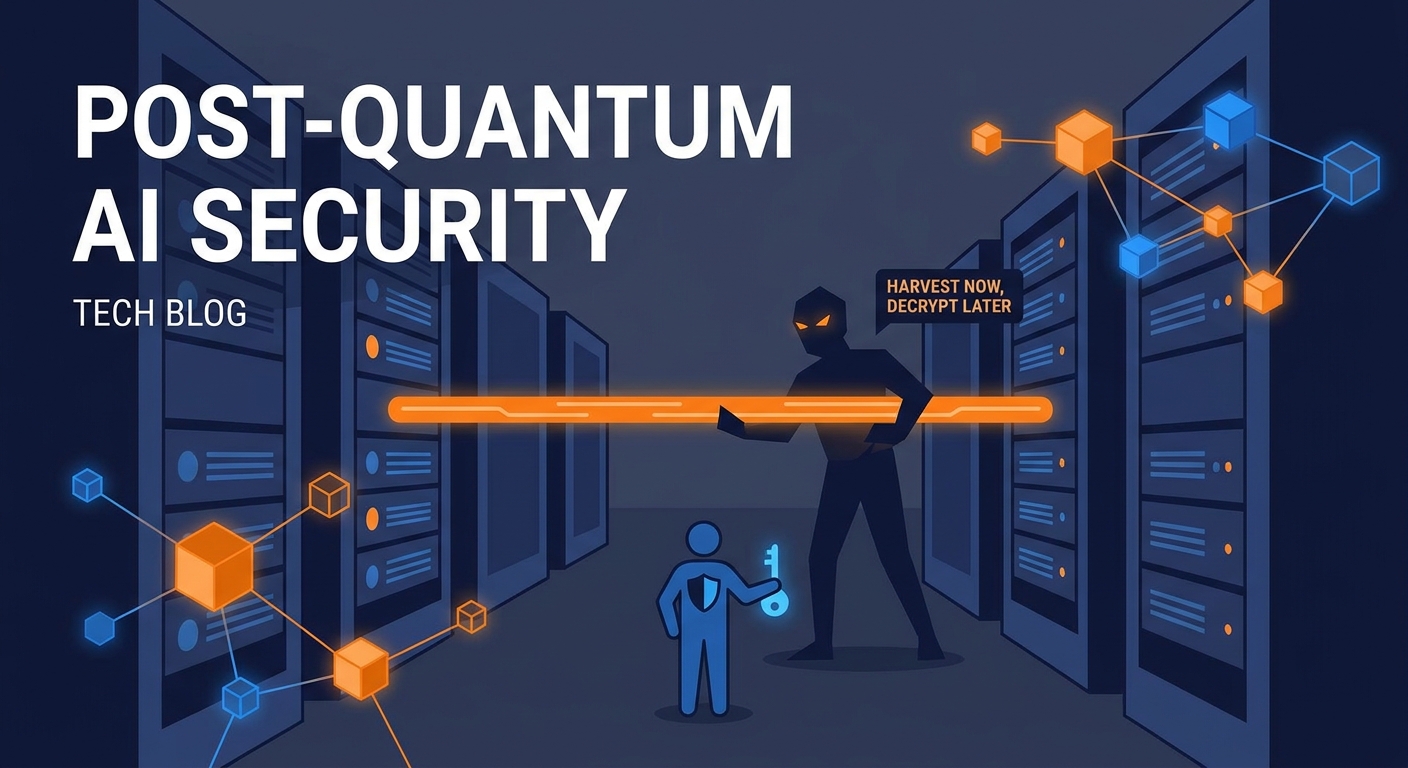
- This article explores the critical need for integrating post-quantum cryptographic algorithms with Model Context Protocol (MCP) to safeguard ai infrastructure against future quantum computing threats. It covers various pqc algorithms—lattice-based, hash-based, and code-based—and details their integration strategies within mcp, highlighting the challenges and solutions for ensuring ai security in a post-quantum world.
Understanding the B2C Identity Landscape
Okay, let's dive into the B2C identity landscape. Ever wonder why it's such a pain to remember yet another password for that one online store you visit twice a year? It's a major headache for both consumers and businesses, which is why we're seeing a big shift towards passwordless solutions. These solutions often use methods like magic links sent to your email, biometrics such as fingerprint scans, or one-time codes (OTPs) delivered via SMS or authenticator apps, all to bypass the traditional password.
Here's whats up:
- Scale is a beast. B2C identity management deals with millions of users, which creates unique challenges compared to internal systems that might only manage a few thousand. Think about a global retailer with a massive customer base versus a company with just a few thousand employees. It's a completely different ball game when you're managing identities for such a huge, diverse group.
- User Experience is King (and Queen). You gotta balance security with ease of use. My grandma isn't gonna jump through hoops to log in, and honestly, neither am i. If its to hard to use, people will just go somewhere else.
- Data Privacy Nightmares. GDPR, CCPA--the list goes on. You're handling sensitive customer data, and messing that up can cost you big time.
- A Wildly Diverse User Base. Some folks are tech-savvy; others struggle with basic stuff. Your identity system needs to work for everyone.
Traditional password-based systems? They're kinda failing us, tbh.
- Password Fatigue is Real. (Password Fatigue Is Real. Here's What Businesses Need to Know) People re-use passwords everywhere, making them super vulnerable. For users still relying on passwords, password managers can be a lifesaver for keeping track of them all.
- Support Costs are Insane. How much money do you think is spent just resetting passwords? Companies are wasting money.
- User Experience = Trash. Complex password requirements are annoying. No one wants to remember "P@$$wOrd123!".
- Credential Stuffingnd Phishing are Rampant. Bad guys are getting smarter, and passwords just aren't cutting it anymore.
Passwordless is gaining traction, and for good reason.
- Security Boost. No passwords=fewer attack vectors. Simple as that.
- Happy Users. Streamlined logins mean happier customers. And happy customers buy more stuff.
- Lower Costs. Less password drama means less support overhead.
- Modern Methods. Biometrics, magic links, one-time codes - way cooler than passwords anyway.
For example, think about healthcare apps. Instead of a complicated username/password combo, a doctor could use biometric authentication (like a fingerprint or facial scan) to quickly and securely access patient records. Or maybe a retail app sends a magic link to a customer's email, letting them log in with a single click.
To put it simply, traditional passwords aren't cutting it. The shift to passwordless authentication isn't just a trend; its a necessity. These are the specific passwordless technologies that are changing the game.
Benefits of Passwordless Authentication for Customer-Facing Applications
Okay, so you're thinking about ditching passwords? Smart move. I mean, who isn't tired of 'em? But how does going passwordless actually benefit your customer-facing apps? Lets get into it.
First off, ditching passwords seriously beefs up your security. Think about it: phishing attacks become way harder because there's no password to phish! Plus, those lists of stolen passwords floating around the dark web? Useless. Like, completely pointless.
- Eliminating Phishing Risks: Passwordless methods are less susceptible to phishing.
- Reducing Credential Stuffing: Making stolen password lists useless.
- Strengthening Account Security: Using device-bound credentials and biometrics.
And it's not just about stopping the bad guys. It is about staying compliant too. Things like gdpr and other data privacy regulations are becoming more important; passwordless options can make it easier to show you're serious about security.
Let's be real: nobody likes passwords. Streamlining the login process with, say, biometric authentication or magic links, makes things way easier for your users. "A simplified login process results in faster and more convenient access for users."
- Simplified Login Process: Faster and more convenient access for users.
- Reduced Friction: Eliminating the need to remember complex passwords.
- Increased Conversion Rates: Streamlined signup and login processes leading to higher engagement.
Think about that e-commerce site you love. Instead of fumbling for your password, you just tap your fingerprint and you're in. No sweat, no frustration, just pure, unadulterated shopping!
Less password resets mean less headaches for your support team. And less support tickets means lower costs. Its simple math.
- Reduced Support Costs: Fewer password reset requests.
- Lower Administrative Overhead: Streamlined identity management processes.
- Improved Customer Retention: Enhanced security and user experience leading to increased loyalty.
Imagine a banking app uses facial recognition. No more typing in complicated passwords on your phone while trying to balance your coffee! Or a healthcare portal uses a one-time code sent to your phone. Quick, secure, and way less annoying than remembering yet another password.
So, yeah, passwordless isn't just a buzzword. It's a real solution that can seriously improve security, user experience, and even your bottom line.
Implementing Passwordless Authentication: Strategies and Technologies
Okay, so you're ready to actually do this passwordless thing? Awesome. But where do you even start? I mean, there's more than one way to skin a cat, and the same goes for ditching passwords. Let's break down some strategies and technologies you can actually use.
First things first, you gotta pick how you're gonna let people log in without a password. Think of it like choosing your weapon in a video game – each one has its strengths and weaknesses.
Magic Links: These are those "click here to log in" links sent to your email or phone. Super simple for users, and pretty secure, assuming their email/sms isn't compromised. Imagine a clothing retailer sending a magic link for a one-time login during a flash sale – quick and easy access without the password hassle.
One-Time Codes (OTPs): Think of those codes you get via SMS or through an authenticator app like Google Authenticator. They're temporary and add a nice layer of security. Banks are using this all the time.
Biometrics: We're talking fingerprint scanners, facial recognition, the whole shebang. I mean, unlocking your phone with your face is pretty slick, right? A healthcare provider might use fingerprint authentication for doctors accessing patient records on a tablet.
Push Notifications: Apps can send a push to your phone asking you to approve or deny a login attempt. Another convenient option.
It really depends on your users and what they're comfortable with. Older folks might prefer magic links, while the younger crowd might dig biometrics. Pick whatever is best for them.
Alright, so you've got your fancy passwordless method picked out. Now, how do you actually make it work with your current setup? It's not like you can just wave a magic wand.
Using APIs and SDKs: Most identity platforms offer apis and sdks that make integration a whole lot easier. It's like using pre-built Lego bricks instead of carving your own.
Leveraging Identity Providers: If you're already using an identity provider (idP) like Azure AD B2C, you can often integrate passwordless options directly through them. Azure Active Directory B2C is a customer identity access management (CIAM) solution that supports millions of users, according to Microsoft.
Ensuring Compatibility: Make sure your chosen method works across different devices and platforms. Some authentication methods might have limitations on certain devices or operating systems, so it's important to test and understand these potential constraints.
Okay, this is a big one. How do you get users to start using passwordless, and what happens if they get locked out? Planning for this is crucial.
Simple Enrollment: Make it dead-simple for users to switch over. No one wants to jump through a million hoops. The easier the better.
Account Recovery: What happens if someone loses their phone or can't use their fingerprint scanner? You need a backup plan. This could involve security questions, an email verification process, or recovery via a trusted device.
Security Considerations: "Protecting against account takeover during recovery" is super important, so make sure you've got measures in place to prevent bad guys from hijacking accounts during the recovery process.
Switching to passwordless? It's not just about tech. It's about making it easy and secure for your users.
Addressing Security Concerns and Potential Threats
Alright, let's talk about the scary stuff - security. I mean, going passwordless sounds awesome, but what about all the new ways things can go wrong? It's not like the bad guys are just gonna give up, right?
Here's the deal: even without passwords, there are still things to watch out for.
- Man-in-the-Middle Attacks: Imagine someone snooping on the conversation between you and the server. They could intercept that magic link or one-time code, then use it to log in as you. It's like eavesdropping, but for your identity.
- Device Compromise: If a hacker gets their hands on your phone - game over. They could use your fingerprint, face scan, whatever you're using for authentication. So, device security is still super important, even if you ditch passwords.
- Social Engineering: Phishing might be harder, but not impossible. Scammers could still trick you into approving a login request or giving them access to your account some other way. Gotta stay vigilant!
- SIM Swapping: Yeah, this is one that people forget--someone convinces your mobile carrier to give them your number. Then they get all your sms codes. Its messy. Using authenticator apps or avoiding SMS OTPs for critical actions can help mitigate this risk.
So, how do we keep things locked down?
- Implementing Multi-Factor Authentication (mfa): Just because you're ditching passwords doesn't mean you should ditch all extra security layers. Adding something like a one-time code on top of biometrics makes it way harder for attackers.
- Using Device Binding: Tie your credentials to a specific device. That way, even if someone steals your credentials, they can't use them on a different phone or computer. That adds an extra layer of trust.
- Monitoring for Suspicious Activity: Keep an eye out for weird login patterns. Like, if someone's trying to log in from Russia when you're in New York, that's a red flag.
And lets not forget the legal mumbo jumbo.
- gdpr Compliance: You're still handling user data, so you gotta follow all the rules about data privacy and consent. Make sure you know what you're doing!
- ccpa Compliance: Similar to gdpr, but for California residents. You gotta give them control over their personal information.
- Industry-Specific Regulations: If you're in healthcare or finance, there are even more rules to follow. Make sure you know what they are and that you're compliant.
- Regular audits are a good idea. Just to make sure your doing things right.
Okay, so passwordless isn't a magic bullet, but it can be a lot more secure than passwords if you do it right.
Real-World Examples and Use Cases
Okay, so you're probably thinking: "Passwordless? Sounds cool, but does it actually work in the real world?" I get it. It's easy to get caught up in the hype, but what matters is if it translates to tangible benefits for businesses and users.
Imagine an e-commerce site where customers can checkout faster, you know without struggling to remember passwords. Passwordless, like magic links or biometric login, can drastically reduce cart abandonment.
Plus, it makes online transactions way more secure. No passwords to steal means less fraud.
A smooth, frustration-free experience? That builds customer loyalty, plain and simple.
In healthcare, protecting patient data is non-negotiable. Passwordless options, like fingerprint scans, offer robust security when implemented correctly.
It also helps comply with regulations like HIPAA, which is always a plus.
Passwordless can ensure that patients and providers can access portals easily without remembering a clunky password.
Financial institutions need to prevent fraud and identity theft. Passwordless authentication adds an extra layer of protection.
It also makes it easier to comply with KYC (Know Your Customer) requirements, which is a big deal.
Robust security measures? That builds trust with customers, and trust is everything in finance.
As previously discussed, Azure Active Directory B2C is a solid option for managing customer identities. So, while passwordless isn't a silver bullet, it's a damn good upgrade for security and user experience.