Post-Quantum Key Agreement for Model Context Exchange

TL;DR
- This article explores the critical need for post-quantum key agreement in securing model context exchange, especially within ai-driven environments. It covers current cryptographic vulnerabilities, the transition to quantum-resistant algorithms like Kyber, and practical implementation challenges. We'll be looking at hybrid approaches, protocol ossification, and strategies for ensuring robust, future-proof security for Model Context Protocol (MCP) deployments.
The Looming Quantum Threat to Model Context Protocol (MCP)
Okay, so quantum computers are coming... eventually. But like, what does that actually mean for our ai stuff, right now? Turns out, it's kinda a big deal, and maybe sooner than we think.
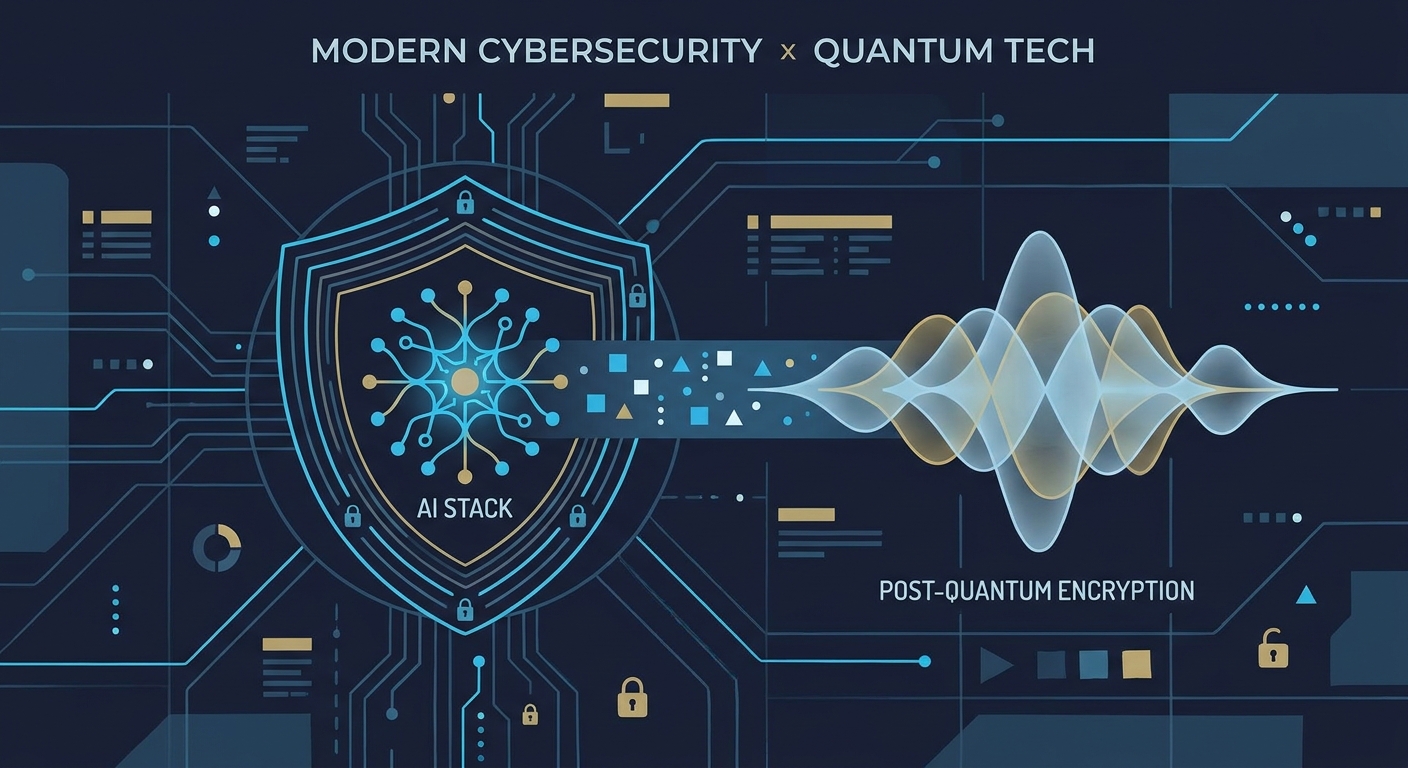
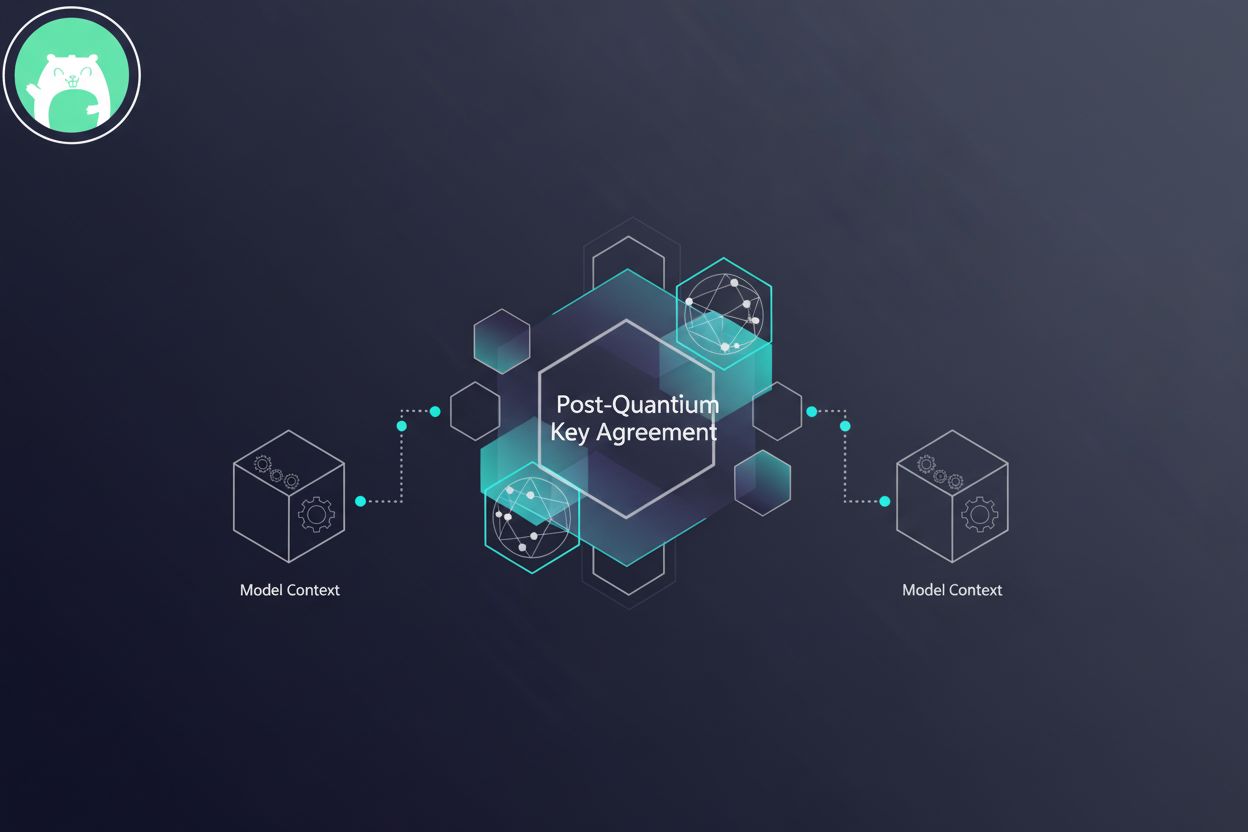
Model Context Protocol (mcp) is the backbone of many ai systems, facilitating model collaboration and data exchange. It's how models learn from each other and improve, but all of this relies on secure communication channels. We will now explore how specific post-quantum key agreement algorithms like Kyber can be integrated into the MCP's communication channels to ensure secure data exchange between models.
Current cryptographic methods, especially for key exchange, are vulnerable. (Cryptographic Key Management - the Risks and Mitigation) Protocols like rsa and ecdh, are the mainstays of secure comms today, but they are easily cracked by quantum computers using shor's algorithm.
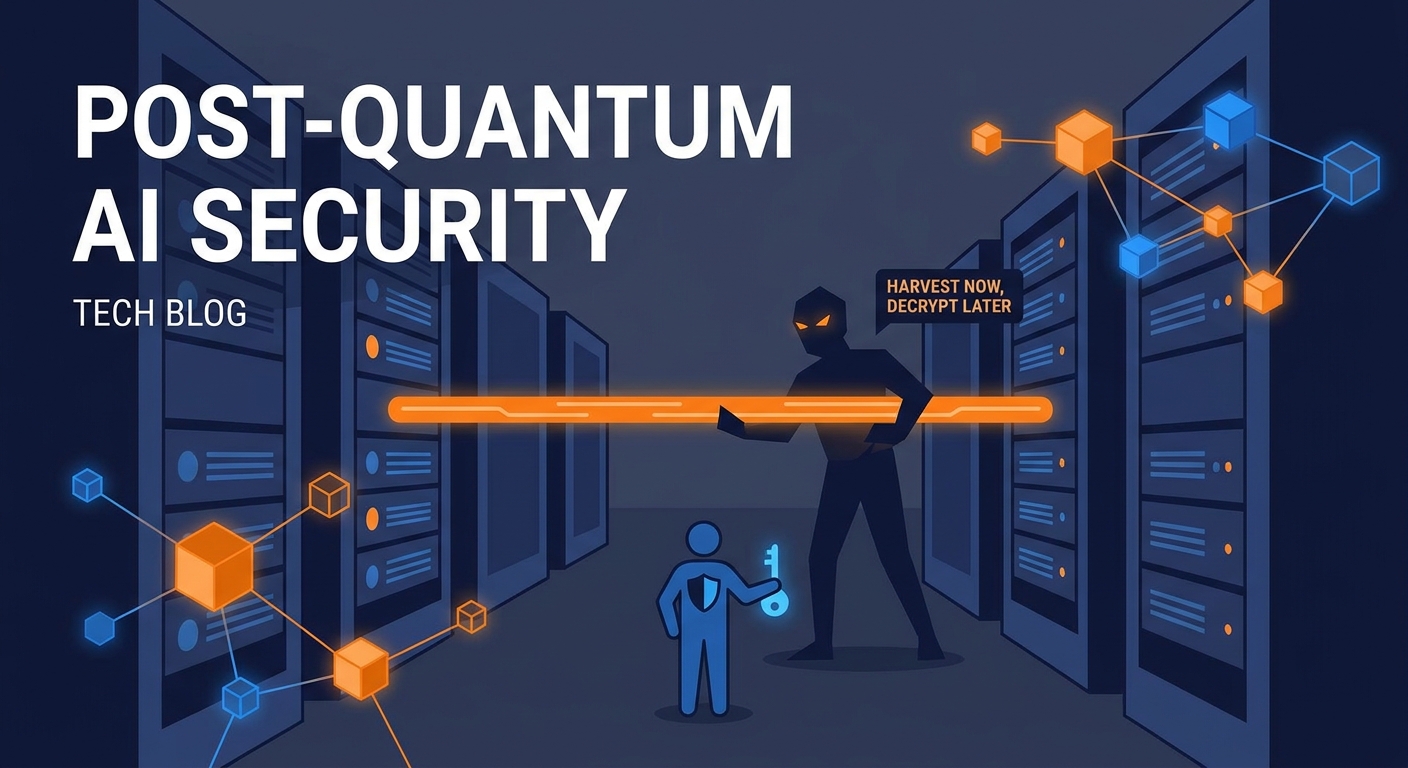
The problem is, quantum computers don't even need to be perfect to cause problems. The 'store now, decrypt later' threat is super real. Bad actors can harvest encrypted data today, and then decrypt it whenever they finally get their hands on a quantum computer later. This is especially bad for ai, where model data and contexts can be valuable for years, or even decades.
We need quantum-resistant solutions to protect sensitive model data. It's not just about if quantum computers will break current crypto; it's about when, and the damage they'll do to already stored data.
It's easy to think we have plenty of time, but that ain't necessarily true. According to the Global Risk Institute, a sufficiently powerful quantum computer could be built "between 15 or 40 years".
The national institute of standards and technology (nist) is in the middle of a post-quantum cryptography standardization process. They're trying to figure out which new crypto algorithms are strong enough to resist quantum attacks. nist wants to select some options for standardization, and eliminate the ones that are unsuitable.
proactive security is key. Waiting for the quantum apocalypse before switching, isn't an option. Early adoption of post-quantum measures is crucial for long-term ai security.
Microsoft is already taking notice, they've introduced a policy in their Edge browser to "Enable post-quantum key agreement for tls "Microsoft Edge Browser Policy Documentation PostQuantumKeyAgreementEnabled.
So, what's next? We need to look at specific post-quantum key agreement methods and how they can protect the mcp.
Post-Quantum Key Agreement: A Deep Dive
To address the quantum threat to MCP, we need to explore robust post-quantum key agreement methods. Among these, Kyber stands out as a leading candidate. It's nist's main pick for key encapsulation, and for good reason. It's built on something called "structured lattices," which basically means it's using super complicated math that quantum computers shouldn't be able to crack easily.
But kyber ain't the only player, there's other promising algorithms like bike, classic mceliece, and hqc that are also in the running. nist is still checking these out too, and they all have different strengths and weaknesses. Some might be faster, some might be more secure, but they all are way more complex to implement.
So why is lattice-based crypto such a big deal? Well, it's all about those complex math problems i mentioned earlier. Lattice problems have been studied for years, and no one's found an easy quantum way to solve 'em, yet. Plus, they can be tweaked to be super-efficient, which is important for keeping our ai systems running smoothly.
Switching over to totally new crypto overnight? Yeah, that's not gonna happen. That's where hybrid key agreement comes in. It's like wearing a belt and suspenders. We can combine our current, classical algorithms – like, the usual x25519 – with these new post-quantum algorithms like kyber. This way, we get that quantum resistance, but we also keep things working with older systems.
Sure, it might mean bigger keys and a bit more computing, but it's a small price to pay for not getting pwned by a quantum computer, right? Plus, according to Cloudflare, they are deploying hybrids: a combination of a tried and tested key agreement together with a new one that adds post-quantum security.
Next up, we'll talk about how we can use all this to actually secure the mcp, and some of the cool tools that can help.
Implementing Post-Quantum Key Agreement in MCP: Challenges and Solutions
Okay, so you're all-in on post-quantum key agreement for your Model Context Protocol (mcp). Smart move. But let's be real, it's not all sunshine and rainbows, there are a few bumps in the road.
Ever tried updating something everyone uses, only to find out half the systems break? That's protocol ossification. It's when older systems just can't handle the new fancy crypto.
- Think of it like this: your ai models are trying to talk to each other, but some are still using rotary dial-up while others have fiber. Strategies for overcoming ossification, like protocol greasing, helps by sending random data that, while useless, keeps the connection alive in older systems. This technique involves sending malformed or unexpected packets that older network devices might ignore or pass through, effectively "greasing the wheels" for the new protocol to establish a connection without triggering legacy security or routing rules. It's a way to maintain backward compatibility by making the new traffic appear less disruptive to older infrastructure.
- Version negotiation's crucial; models need to figure out which crypto they both understand, or it's just gibberish.
- Middleboxes, those network devices that inspect traffic, can also mess things up. They might not understand the post-quantum stuff, causing disconnects.
Those beefy post-quantum keys? They're not free. They can hog bandwidth and slow things down.
- Larger keys means more data flying around, and that can impact latency.
- Think about real-time ai applications, like autonomous vehicles. Every millisecond counts, you know? What you can do is optimizing those protocols. For example, we can explore using more efficient encoding schemes for the larger keys, or implement adaptive compression techniques that only apply when bandwidth is constrained.
- Hardware acceleration helps speed things up, so your ai doesn't feel like it's slogging through molasses. This could involve leveraging specialized cryptographic co-processors or FPGAs designed to handle lattice-based computations more efficiently than general-purpose CPUs.
If your keys ain't secure from the start, all that fancy crypto is kinda pointless, isn't it?
- Generating keys in a verifiable manner is super important, you want to make sure that everything is secure. This means using cryptographically secure random number generators and ensuring the key generation process itself is resistant to tampering.
- Distributing keys across distributed ai systems is a pain, especially with sensitive model data at stake.
- hardware security modules (hsms) are your friend here; they're like Fort Knox for keys.
Implementing post-quantum key agreement in mcp is definitely not a walk in the park. But by tackling these challenges head-on, you're setting yourself up for a much more secure and future-proof ai ecosystem.
A Zero-Trust Approach to Model Context Security
Okay, so you're thinking about zero-trust for your ai models? Good call. It's like, "trust no one" but for your data, even the models themselves.
First off, we are applying zero-trust principles to model context exchange. This means every model interaction, every little data swap, get scrutinized. It's like each model is border patrol, checking id's at every request.
Every request is verified, alright? We aren't just waving things through, and we need to enforce strict access controls. Only models with the right credentials get access to specific data or contexts.
We also need to implement multi-factor authentication (mfa) and other identity assurance measures. Think of it as, "are you who you say you are?" but for ai. This helps prevent unauthorized models from impersonating legitimate ones.
And, we are constantly monitoring and auditing model interactions for suspicious activity. It's like having security cameras watching everything, flagging anything that looks off. This way, we can catch threats early, before they do any real damage.
We need to implement context-aware access control based on device posture, user identity, and environmental factors. For MCP, this means that when Model A requests context from Model B, Model B will verify Model A's identity, check its current operational posture (e.g., is it exhibiting unusual behavior?), and ensure it has the necessary attributes (defined in ABAC) to access the requested context. It's not just who is asking, but where they are, what device they're using, and what time it is, you know?
Access to sensitive model data needs to be restricted based on real-time risk assessments. If something seems fishy like, say, a model is trying to access data way outside its normal parameters; we cut it off.
Attribute-based access control (abac) is super handy for fine-grained permission management. Instead of just saying "this model can access this data," we're saying "this model with these specific attributes can access this data under these conditions."
Permissions should be dynamically adjusted based on changing threat conditions. If there's a known vulnerability or a spike in attacks, we clamp down on access, even if it means temporarily limiting model functionality.
Zero-trust isn't easy but, it's the best way to keep your ai safe; next up, we'll get into threat detection.
Future-Proofing Your AI Infrastructure
Okay, picture this: your ai models are Fort Knox, but the quantum threat, that's like a super-smart thief trying to find all the backdoors. How do you really protect them in the long run?
It's not a one-and-done deal, you know? ai security, especially when it comes to quantum stuff, it's like a garden – you gotta keep tending to it.
Continuous monitoring is key, always. You want to know what's going on right now, not last week. Threat intelligence feeds? Plug 'em in. You need to be aware of new attack vectors, vulnerabilities, and, honestly, just plain weird stuff happening in your systems. For MCP, continuous monitoring means not just looking for general anomalies, but specifically for patterns that might indicate an attempt to exploit post-quantum crypto vulnerabilities or bypass new security measures.
Stay informed, always. Quantum computing ain't standing still, neither is cryptography. Keep up with the latest quantum computing breakthroughs, and cryptographic advances. It's like reading the sports news to see who's got the hot hand this season. Staying informed means tracking advancements in quantum algorithms and their potential impact on the specific post-quantum algorithms chosen for MCP.
Community matters. Nobody wins alone. Share threat info with peers, participate in industry groups, and, generally, don't be a lone wolf. The more eyes on the problem, the better the chance of catching something before it bites you.
Adapt, adapt, adapt. Rigid security? That's a recipe for disaster. You need an agile security posture, ready to shift, change, and react to new threats as they pop up. It's like being a point guard – you gotta see the whole floor and adjust on the fly.
Think about healthcare. Securing patient data with post-quantum cryptography isn't just about today; it's about protecting years of sensitive information against threats that don't even exist yet. It's about building trust and ensuring that future quantum computers won't compromise patient privacy.
Also, if you are a security analyst, the nsa emphasizes the importance of quantum-resistant cryptography over quantum key distribution (QKD) for national security systems, citing cost-effectiveness and easier maintenance. For AI infrastructure and MCP, QKD can be less cost-effective and harder to maintain due to the extensive and specialized fiber optic infrastructure it requires, which can be prohibitively expensive and complex to deploy and manage across distributed AI environments compared to software-based quantum-resistant cryptography.
It's a journey, not a destination, really. You can't just set it and forget it.
Quantum-resistant (or post-quantum) cryptography as a more cost effective and easily maintained solution than quantum key distribution.
So, keep learning, keep adapting, and keep those ai systems locked down tight. The future is coming, and it's gonna be quantum. Gotta be ready for it, you know?