Post-Quantum Key Agreement for Model Context Confidentiality

TL;DR
- This article covers the critical need for post-quantum cryptography (pqc) in ai infrastructure, focusing on securing Model Context Protocols (MCPs). It explores quantum computing's threat to current encryption, details pqc key agreement schemes designed to protect mcp confidentiality, and examines practical considerations for implementing these future-proof security measures.
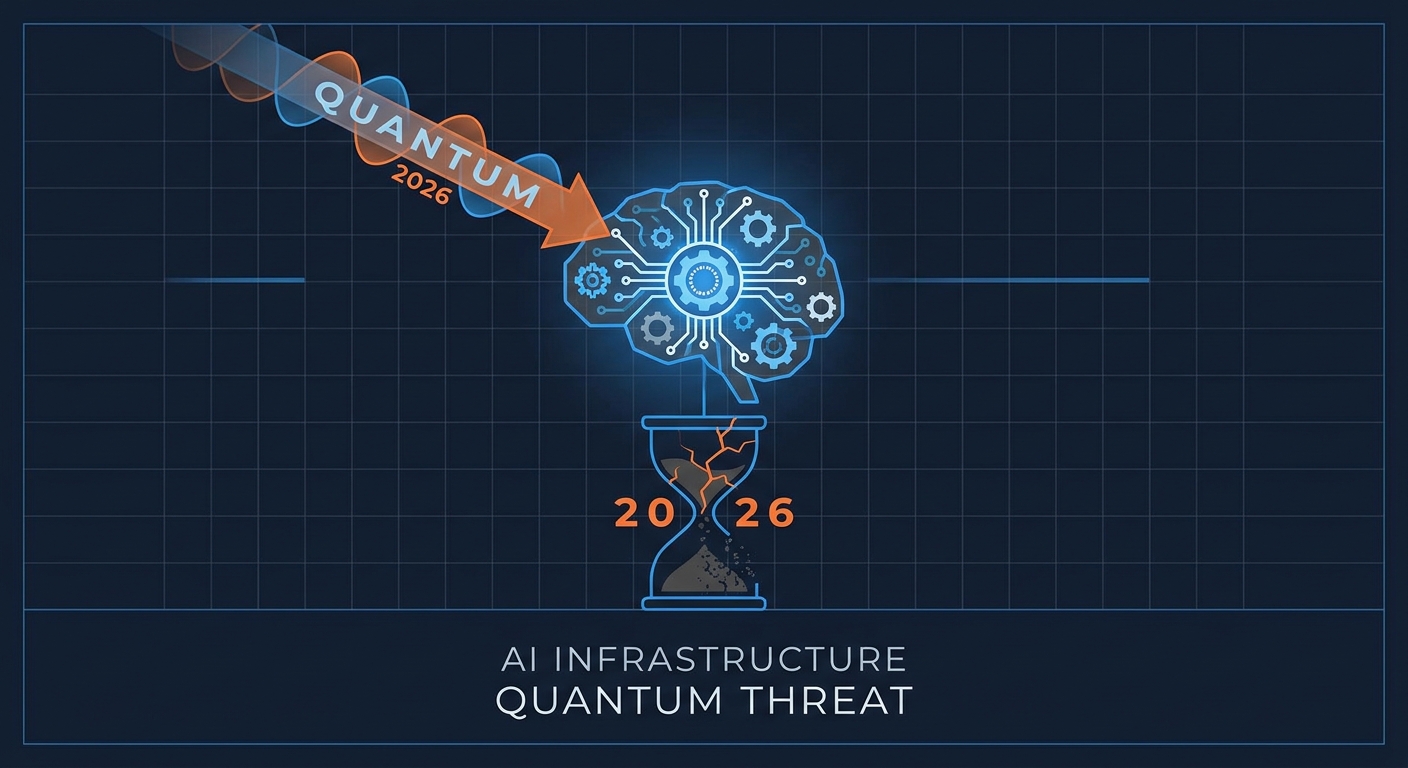
The Looming Threat: Quantum Computing and ai Security
Okay, so quantum computers are comin', and they ain't playin' nice with our current security. It's like bringing a nuke to a knife fight – only the knife is our encryption.
- Shor's algorithm is the big baddie here; it cracks public-key cryptography. Think about healthcare records getting exposed.
- We gotta hurry with post-quantum cryptography (pqc) because, you know, time is tickin'. It's not if, but when.
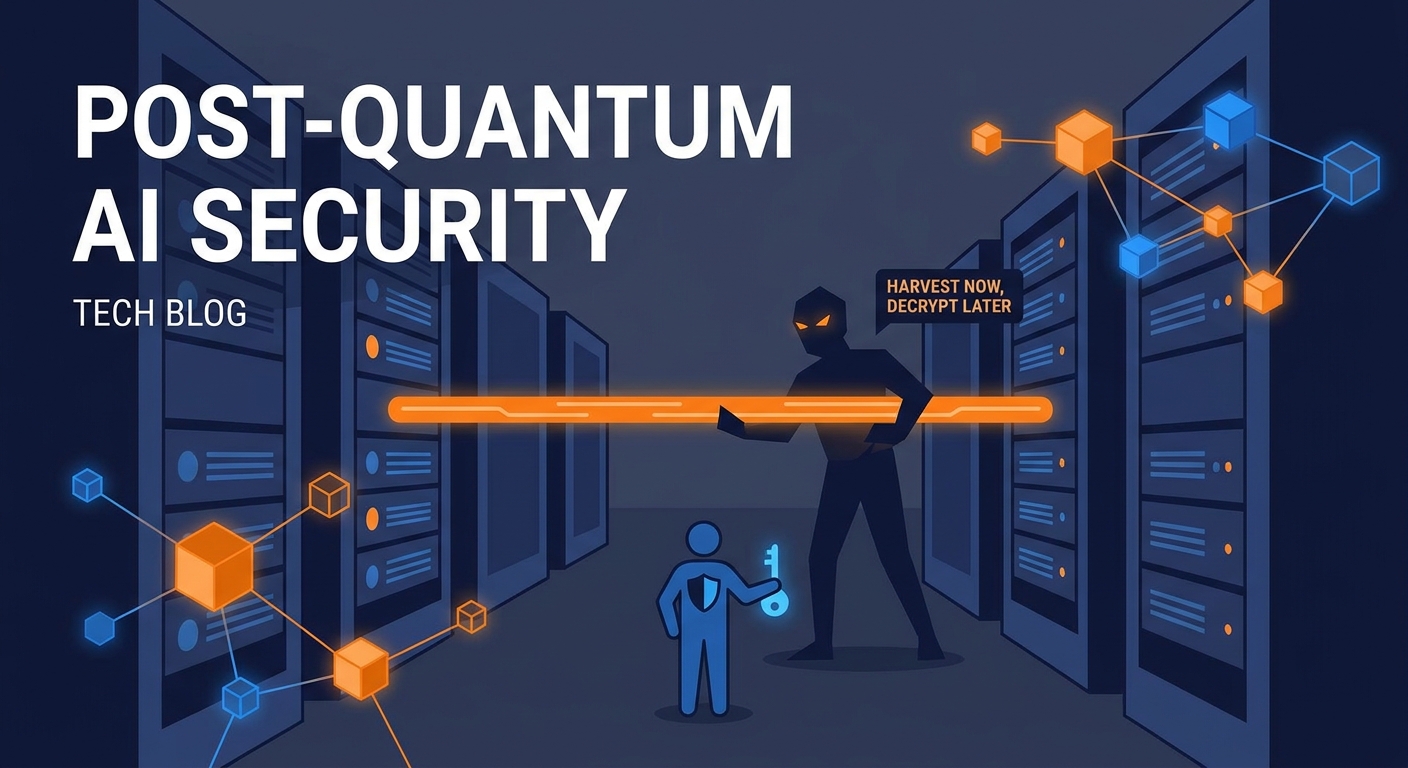
- "Harvest now, decrypt later" attacks? Sneaky. Someone's grabbin' data now, hopin' to crack it later when they got a quantum computer.
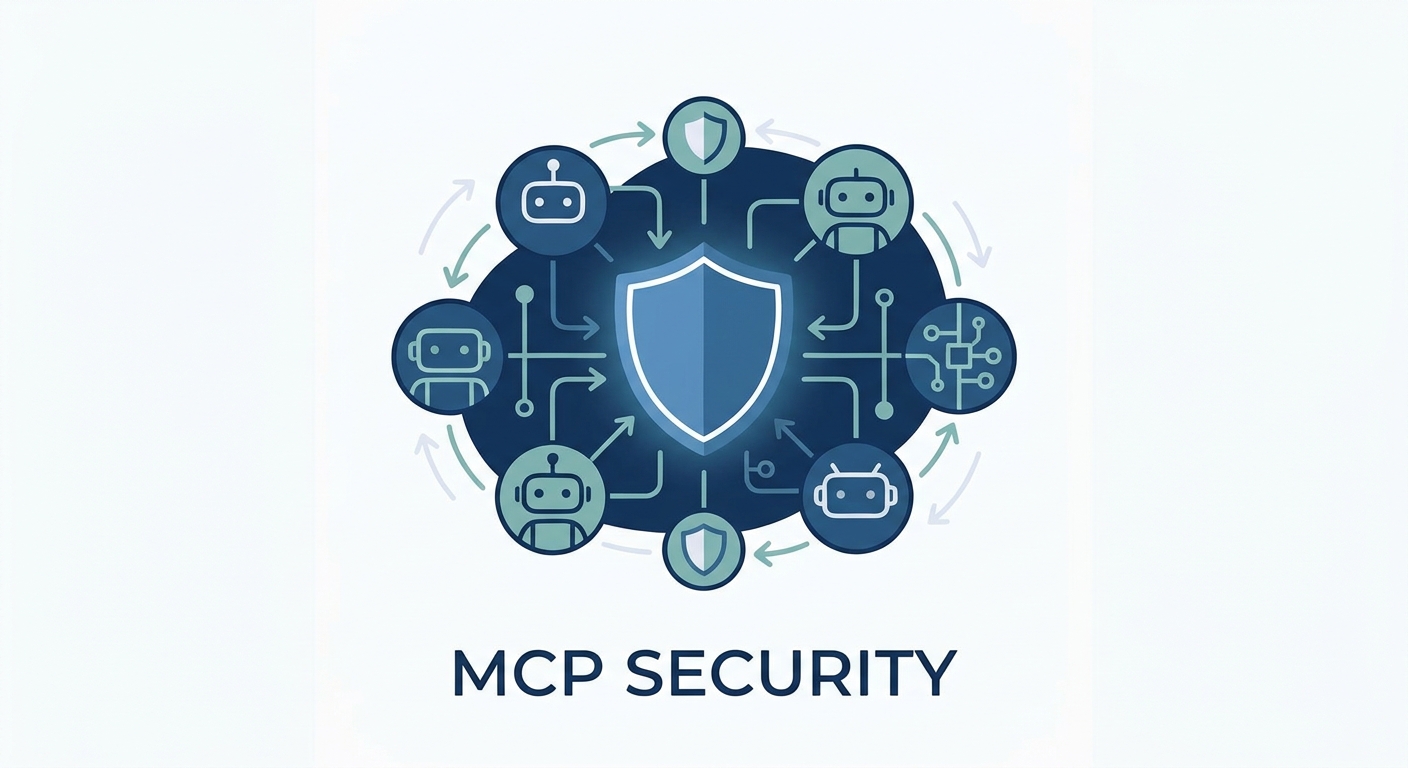
Model Context Protocols (mcps) are essentially the communication channels and data formats that allow different components of an AI system to interact and share information. They define how AI models receive input, process it, and send back outputs, ensuring that the AI can understand and respond to its environment or other systems. For AI security, MCPS are critical because they are the pathways through which sensitive data and instructions flow. If these protocols are compromised, an attacker could potentially manipulate the AI's behavior, steal its training data, or inject malicious inputs, leading to disastrous consequences.
MCPS are vital for ai but, honestly, they're sittin' ducks right now. They're used in all sorts of ai stuff, like when your bank uses ai to detect fraud. If someone can eavesdrop or mess with those communications, its a massive problem. It's gotta be kept secret and safe, or we're all gonna have a bad time.
As cisa notes, critical infrastructure relies on secure digital communications - but quantum computing threatens those communications in the next decade.
Next up, let's talk 'bout how these quantum computers actually do break our encryption. It's kinda neat, if not terrifying.
Understanding Key Agreement Schemes
Okay, so, key agreement schemes—they're how we share secrets without actually sharing them, y'know? But quantum computers? They're about to crash the party, which, is not ideal.
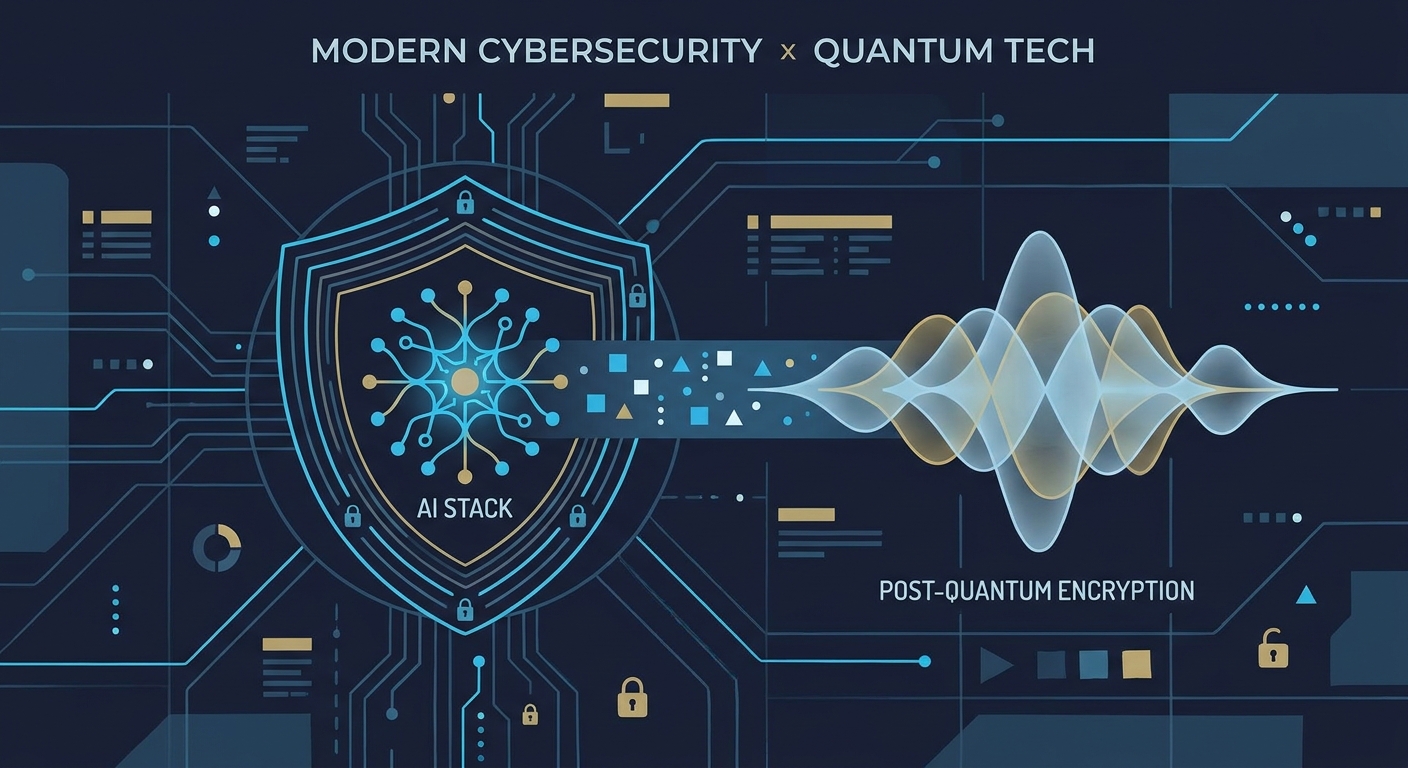
So, post-quantum key agreement, or pqc, is basically tryna solve this mess. It's about buildin' key exchange methods that even a quantum computer can't crack. These new schemes are designed to resist attacks from both classical and quantum computers, ensuring that the keys generated for secure communication remain confidential.
- Security's the name of the game. We need keys that are, like, really hard to guess.
- Efficiency matters. Can't have systems slowin' to a crawl while they're settin' up a secure connection.
- practicality is needed. What good is a system if it can't actually be used in the real world, right?
As nist notes, cryptography experts are conceiving algorithms to resist the assault of quantum computers, so it is important that system administrators begin integrating them into their systems.
Next up, we'll dive into some specific pqc methods... it's gonna get a little nerdy.
Candidate Post-Quantum Key Agreement Algorithms
Multivariate cryptography, huh? It's like tryin' to solve a bunch of equations all at once. Hard, right? But hey, maybe that's exactly what makes it quantum-resistant.
- Rainbow signatures are a big deal. They’re based on the difficulty of solving these multivariate equations. Kinda like findin' a needle in a haystack, but with math. While some multivariate schemes have faced vulnerabilities, signatures like Rainbow are being considered for their quantum-resistant properties.
- Integrity’s the name, securing Model Context Protocol integrity's the game. This means ensuring that the data exchanged within MCPS hasn't been tampered with. Multivariate cryptography, particularly through digital signatures like Rainbow, can provide this integrity by allowing the recipient to verify that the message originated from the claimed sender and hasn't been altered in transit. This is crucial for AI systems where incorrect or manipulated data can lead to flawed decisions or actions.
Rainbow's patented, but hey, good news, the patent expires in 2029! This means that while there might be licensing considerations for immediate deployment, the algorithm will become freely available for broader adoption and implementation in PQC solutions in the near future, potentially encouraging wider use once the patent expires.
So, next, we're diving into hash-based cryptography--it's gonna get hashy.
Securing Model Context with Post-Quantum Agreements
So, how do we make sure these Model Context Protocols (mcps) are safe from quantum shenanigans? Well, it's all about securing those key agreements, right? Using post-quantum key agreement schemes, like those based on multivariate cryptography or other PQC approaches, directly mitigates the threat of an attacker eavesdropping or tampering with the communications that establish the secure channel for MCPS.
Implementing pqc Key Agreement: Start by identifyin' which mcps use public-key crypto, then swap 'em out with post-quantum versions. Think of a hospital where patient data is shared between ai diagnostic tools; each connection needs a pqc handshake. For example, when establishing a connection using multivariate cryptography like Rainbow signatures for key agreement, the AI system would initiate a handshake that uses Rainbow's quantum-resistant properties to securely exchange the necessary information to create a shared secret key. It's a big lift, but, crucial, y'know?
Key Management is Key: How will you handle these new, beefier keys? Centralized? Distributed? Maybe a combo? A financial institution might use a hardware security module (hsm) to manage keys for its fraud detection mcp.
Optimize, Optimize, Optimize: These pqc algorithms can be slower than what we're used to. So, gotta profile your code and find bottlenecks. For example, an e-commerce platform using ai for personalized recommendations needs speedy key exchange to avoid slowin' down the user experience.
The fallback to standard encryption, as shown in the diagram, presents a significant security risk. If the PQC key exchange fails, the system reverts to classical encryption methods, which are vulnerable to quantum attacks. This fallback should ideally be a last resort, used only in non-critical scenarios or for very short durations, with immediate alerts and remediation efforts. In highly sensitive applications, a complete failure of PQC key exchange might necessitate halting the communication altogether to avoid exposing data to future quantum decryption.
Next up, let's look at a specific platform that's tackleing this head-on.
Implementation Challenges and Considerations
Okay, so, things are about to get tricky.
Key size matters, but so does speed. Pqc algorithms? They tend to have bigger keys, which can slow things down. Think of it like tryin' to parallel park a monster truck in a compact spot. This is because the mathematical problems underlying PQC are generally more complex, requiring larger keys to achieve equivalent security levels compared to current algorithms.
It's a balancing act. You're tradin' security for performance. A hospital sharin' ai-powered diagnostic data needs speed, but security, y'know, can't be ignored.
Hardware to the rescue? Maybe. Hardware acceleration can help speed up these new algorithms. It's like givin' your monster truck a nitro boost--but for crypto. This can involve specialized hardware like FPGAs or ASICs designed to perform the complex mathematical operations of PQC algorithms much faster than general-purpose CPUs.
Transitioning? It's gonna be a journey, not a sprint.
Future Trends and Standardization Efforts
Okay, where are we headed, anyway?
Well, the National Institute of Standards and Technology, nist, is really driving things, right? They're trying their best to get pqc standardized and out there.
- nist is workin' hard at it. They have a whole process for pickin' the best algos and makin' sure they're solid. Think of it like a crypto bake-off.
- Winners and contenders. The nist process has finalized algorithms like CRYSTALS-Kyber for key encapsulation and CRYSTALS-Dilithium for digital signatures. These are among the first set of PQC standards being developed to replace current vulnerable cryptography. Others are still in the runnin'.
- mcps gotta keep up. These standards from nist are gonna be super important for makin' sure model context protocols are actually safe in the future. It's a moving target, though.
Quantum computers aren't standin' still. And the bad guys? They are learning, adapting, and evolving.
- New attacks are comin'. Even if we got good pqc now, we gotta keep an eye out for new ways quantum computers might try to break 'em. This could involve discovering new quantum algorithms that are more efficient at solving the underlying mathematical problems, or finding side-channel attacks that exploit implementation weaknesses rather than the core algorithm itself.
- Research, research, research. Need more research in areas like makin' pqc algos faster and easier to use. Plus, better ways to manage those larger keys that pqc needs. The increased key sizes in PQC, for instance, can strain network bandwidth and storage, making key management more complex and resource-intensive.
- Adapt or die. Gotta keep watchin' for new threats and be ready to swap out algos or tweak our systems as needed. It's a constant battle, unfortunately.
Standards: a quantum-safe future.