Post-Quantum Secure Federated Learning for decentralized MCP training.

TL;DR
- This article explores the crucial intersection of post-quantum cryptography and federated learning for Model Context Protocol training. It covers the vulnerabilities of traditional federated learning to quantum attacks and outlines a strategy for implementing post-quantum security measures. The piece also discusses real-world applications, ethical considerations, and the role of Gopher Security in providing secure MCP solutions.
Introduction: The Quantum Threat to Federated Learning
Okay, so, quantum computers, right? They're getting real good, real fast. But that means trouble for stuff we thought was safe, like federated learning. Is your data really protected?
- Federated learning shares model updates, but they're often encrypted with, like, RSA.
- Quantum computers can crack RSA easy, thanks to Shor's algorithm.
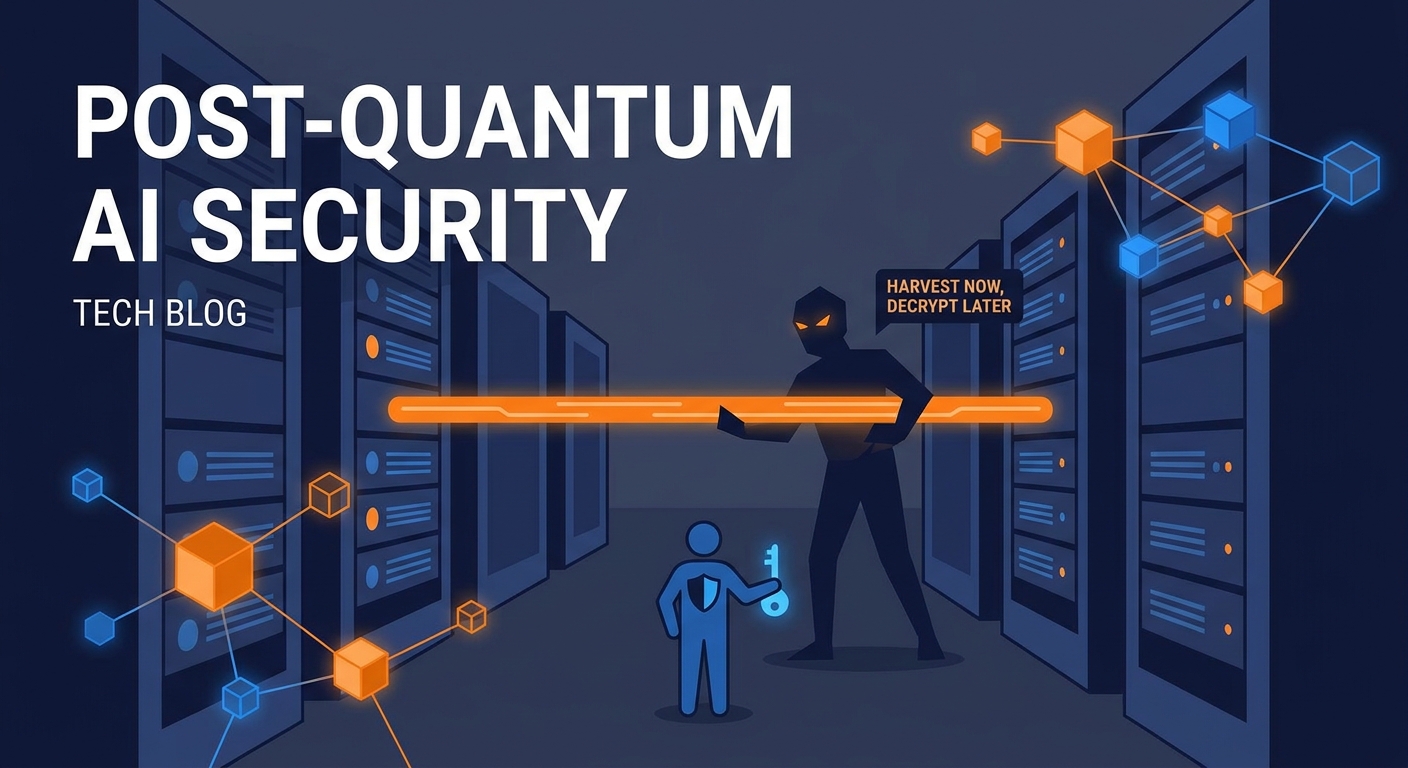
- This means someone could grab your data now and decrypt it later when they got a quantum computer. It's called "harvest now, decrypt later."
Scary, huh? Let's see what we can do about it! Enhancing Quantum Security over Federated Learning via Post-Quantum Cryptography - this paper talks about some algorithms that might help.
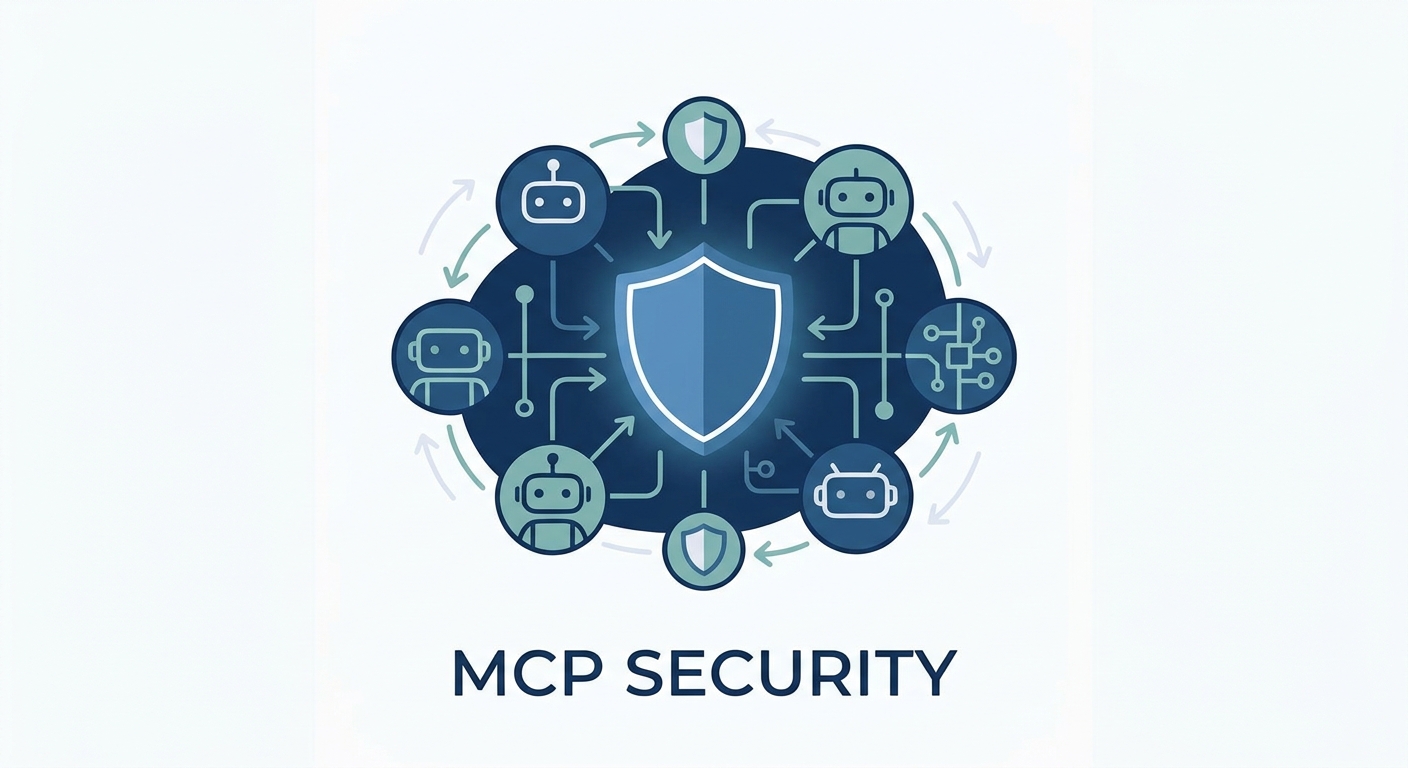
Understanding Model Context Protocol (MCP) and its Security Needs
So, you're probably asking, "What is Model Context Protocol (MCP) anyway?" To put it simply, MCP is the protocol used to facilitate the data exchange within the federated learning architecture being discussed here. It's how ai models get the right info to, like, make smart choices.
- Think of it as giving a retail ai context of a customer's purchase history so it can suggest the right product, or a healthcare ai that can review patient history before suggesting a treatment.
- The thing is, the security on these is kinda weak, and we need to fix that before quantum computers mess everything up.
- Plus, it's a mess of different standards, which, yeah, makes security even harder. What's coming up next? Why decentralizing is better.
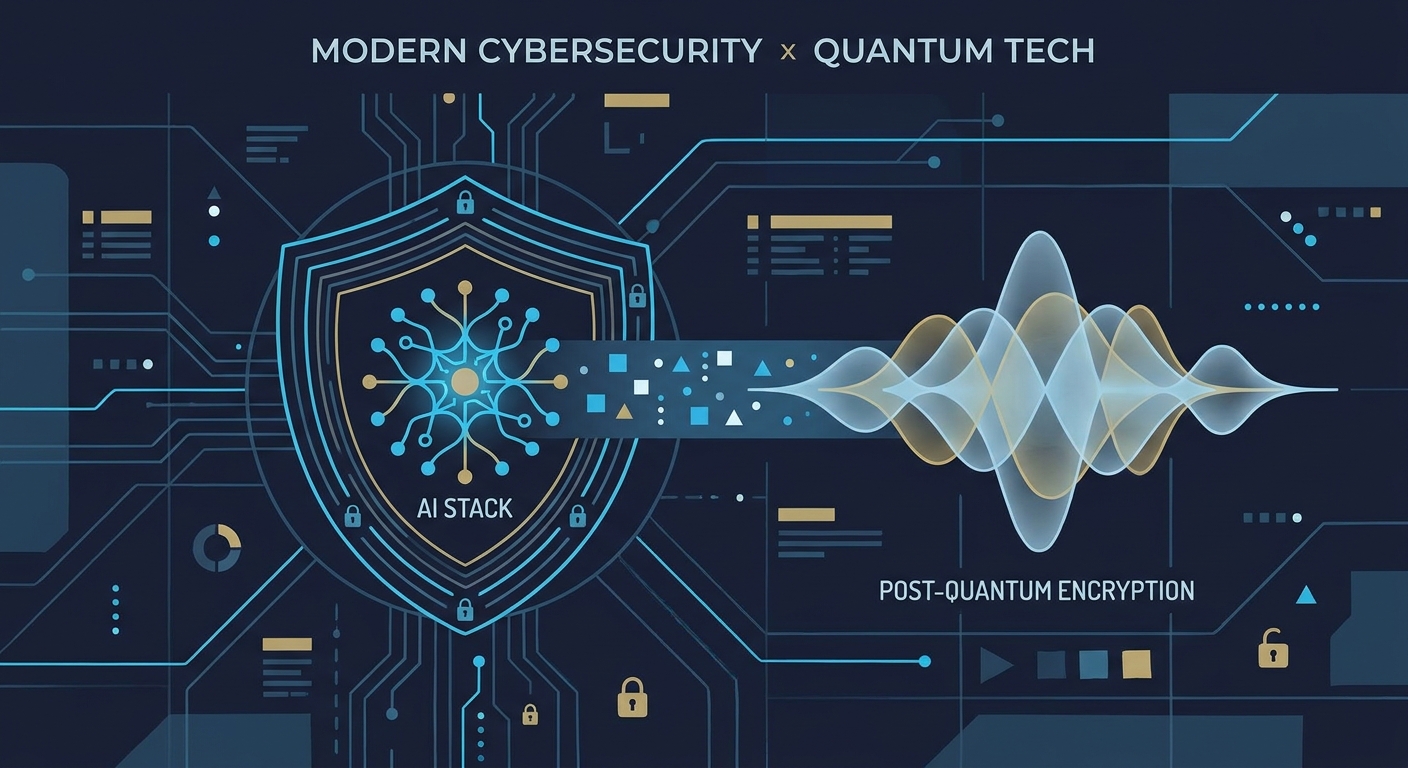
Post-Quantum Cryptography: A Future-Proof Defense
Post-quantum cryptography (pqc) – sounds like something outta science fiction, right? Well, it's becoming super important, especially when it comes to keeping our ai safe from future quantum computer attacks.
- NIST's PQC standardization project is kinda like a contest to find the best ways to encrypt data that even quantum computers can't crack. They've picked some winners, like kyber, dilithium, and sphincs+.
- These new algorithms are cool 'cause they use math problems that are way harder for quantum computers to solve than the old stuff, like RSA. (How Shor's Algorithm Breaks RSA: A Quantum Computing Guide)
- But- it's not all sunshine and rainbows, they do have trade-offs. Like, some of these algorithms might be slower, or need more computing power. So, you have to pick the right one for the job.
Think of it like this: you wouldn't use a sledgehammer to hang a picture, would ya? Same goes for PQC. You gotta pick the right tool for the job. For example, in healthcare, you might prioritize speed, even if it means sacrificing a bit of security. To be clear, this doesn't mean literally letting data leak; it's about the trade-off between encryption strength (like huge key sizes) and the latency needed for real-time diagnostics. You need the ai to work fast in an emergency, even if the encryption isn't at the absolute maximum "overkill" level.
Now, how do you put these new algorithms to work in federated learning? That's what we'll get into next!
Implementing Post-Quantum Secure Federated Learning for MCP
Okay, so you've got all these fancy post-quantum algorithms... now what? How do you actually use them with federated learning without, like, breaking everything? It's not as simple as just swapping out one encryption for another.
- Hybrid approaches is key, honestly. We're talking mixing classical and PQC stuff. Agencies like the nsa and nist actually recommend this because it provides a safety net. If a brand new PQC algorithm turns out to have a hidden flaw, the old-school classical encryption still protects you from today's hackers. It's like a gradual upgrade; keep the old system running while you slowly bring in the new quantum-resistant stuff.
- Secure aggregation is a pretty big deal too. You need ways to, like, combine all the model updates from different places without anyone snooping or messing with them. Homomorphic encryption is one way to do it, or differential privacy can help anonymize the data.
- for example in healthcare- a hospital consortium can use homomorphic encryption to combine patient data for research without ever actually seeing the raw data.
It's a bit of a puzzle, but these are some first steps, yeah? Next up, let's talk real numbers – how does this stuff actually perform?
Real-World Applications and Performance Metrics
So, where's all this post-quantum federated learning actually used? Here's the lowdown:
- healthcare can use it for training diagnostic models, keeping patient data under wraps with PQC. Think about it - detecting rare diseases gets easier across hospitals, all while staying compliant with hipaa and gdpr.
- finance benefits big time, especially for fraud detection. Banks sharing threat intelligence across institutions, but using PQC to ensure credit scoring models stay secure. Gotta address those money laundering risks, ya know?
But how do these things perform in real-world setups? Well, the news is mostly good, but there's a "quantum tax." When you switch to PQC in a federated environment, you usually see a latency increase of about 15% to 50% depending on the algorithm. For example, Kyber is pretty fast, but the computational overhead means the mobile devices doing the learning might drain battery a bit quicker. In most tests, the communication overhead—the size of the data being sent—is the biggest hurdle because PQC keys are way bigger than RSA keys. However, for most enterprise setups, the extra few milliseconds of latency is a small price for not getting hacked by a quantum computer in five years.
Ethical and Legal Considerations
Okay, so, ethical stuff? It's not just about being nice; it's the law, too. And with quantum computers looming, these concerns get a whole lot bigger.
- Privacy risks are a huge deal. Model inversion attacks, where someone tries to figure out the original data from the model, is a real threat. Differential privacy and k-anonymity are techniques that are supposed to help, but honestly, it's a constant battle to balance privacy with, like, actually useful data.
- compliance with regulations like GDPR and others, its... complicated. Data sovereignty, meaning where the data is, and cross-border transfers of data, makes things even more messy. Then you got the "right to be forgotten" and trying to make sure everything is transparent and accountable.
It's like, you fix one hole, and five more pop up. These kinda things really do need more attention, y'know? On the bright side, next we'll look at a specific industry solution from gopher security for maintaining operational security in this crazy environment.
Gopher Security: Securing MCP Deployments in the Quantum Era
Gopher Security? Yeah, they're diving headfirst into securing MCP deployments, and not a moment too soon, honestly.
- Their 4D security framework? It's all about defense in depth, detection, decision, and dynamic response.
- They actually integrate this directly into the federated learning aggregation process. For instance, when model updates come in from different nodes, gopher's framework uses "dynamic response" to automatically isolate any update that looks like it's been tampered with or contains a "poisoned" model, before it ever touches the main global model.
- They're pushing quantum-resistant encryption for data in transit and at rest. Like, healthcare records being shared with post-quantum security.
- And they're really hot on advanced threat detection that uses ai to spot anomalies in how the mcp nodes are talking to each other.
Next, we'll wrap this all up.
Conclusion: Embracing a Quantum-Safe Future for Federated Learning
Quantum computers ain't here yet, but they're comin'. So, what's next for your federated learning setup?
Keep researching and standardizing: 'Cause PQC is still kinda new, and we need more eyes on it.
Collaboration is key: Open-source tools and sharing knowledge helps everyone. Think of like, different cybersecurity firms sharing threat intel, but quantum-safe.
Get ready for the switch: Start testing PQC now- don't wait 'til the quantum apocalypse before doing stuff.
Figure out your quantum risk: What data really needs protecting now? Prioritize that.
Look into PQC options: See what algorithms work for your MCP setup. A 2024 paper, Enhancing Quantum Security over Federated Learning via Post-Quantum Cryptography, suggested Dilithium for federated learning.
Find experts: gopher security, for instance, are already working with MCP deployments in the quantum era, as we discussed earlier.
It's a process, yeah? But securing your federated learning future from Quantum attacks is gonna be worth it.