PQC-Hardened Model Context Protocol Transport Layer Security

TL;DR
- This article covers implementing quantum-resistant encryption for mcp deployments to stop store-now-decrypt-later attacks on your ai data. We explore how to hardening the transport layer using Kyber and Dilithium and why traditional tls is becoming a risk for long-term ai secrets. You'll learn about building a secure p2p connectivity framework that keeps your ai tools safe from future quantum threats.
The Quantum Threat to ai Orchestration
Ever wonder if that "secure" connection you're using for your ai agents is actually just a time capsule for future hackers? It’s a bit of a localized nightmare honestly.
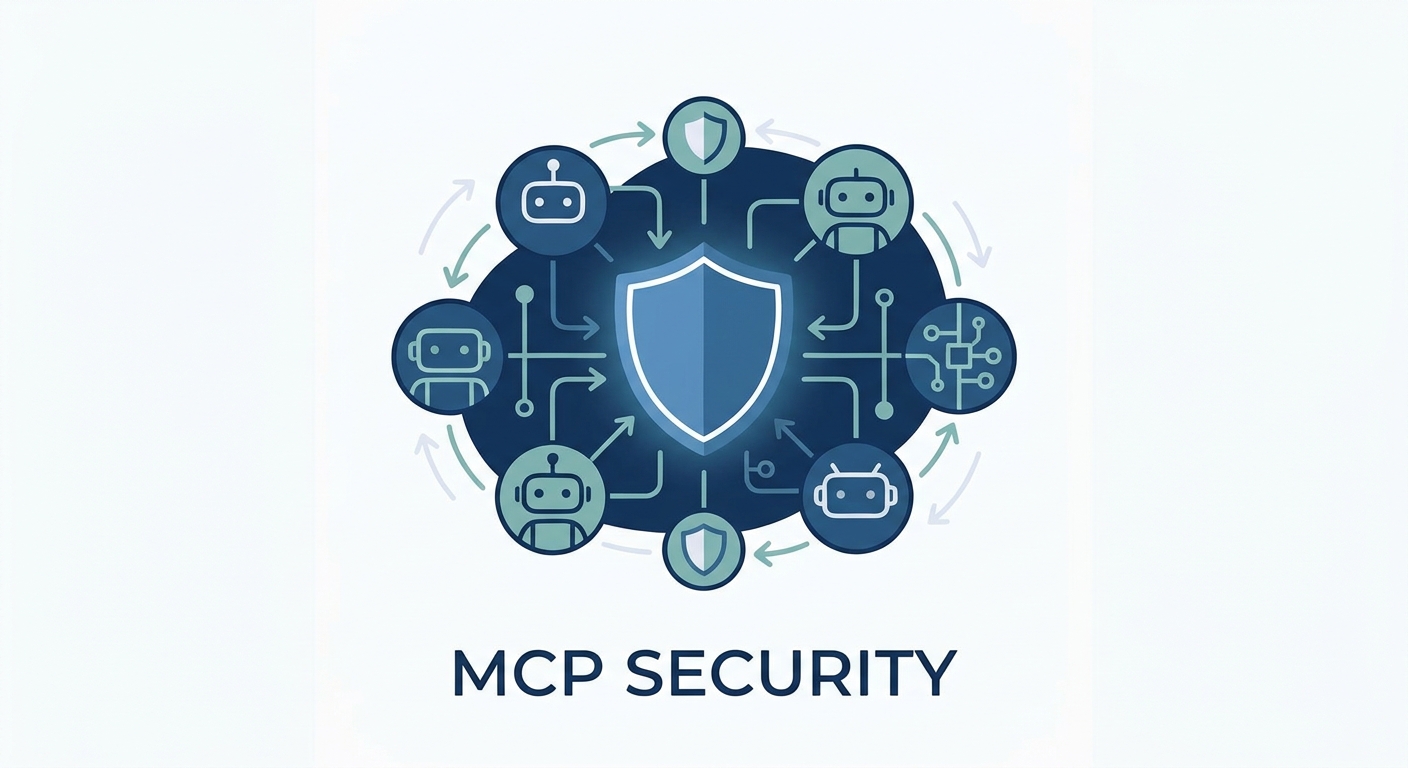
We’re all rushing to hook up our ai models to everything from healthcare databases to retail inventory using the Model Context Protocol (mcp). For those not in the loop, mcp is an open standard that lets ai models connect to data sources and tools without a bunch of custom code. But there is a massive ghost in the machine: quantum computing.
Most of the stuff we use to lock down data today—like RSA or ECC—relies on math problems that'll basically melt when a decent quantum computer shows up. (The looming threat of quantum computing to data security)
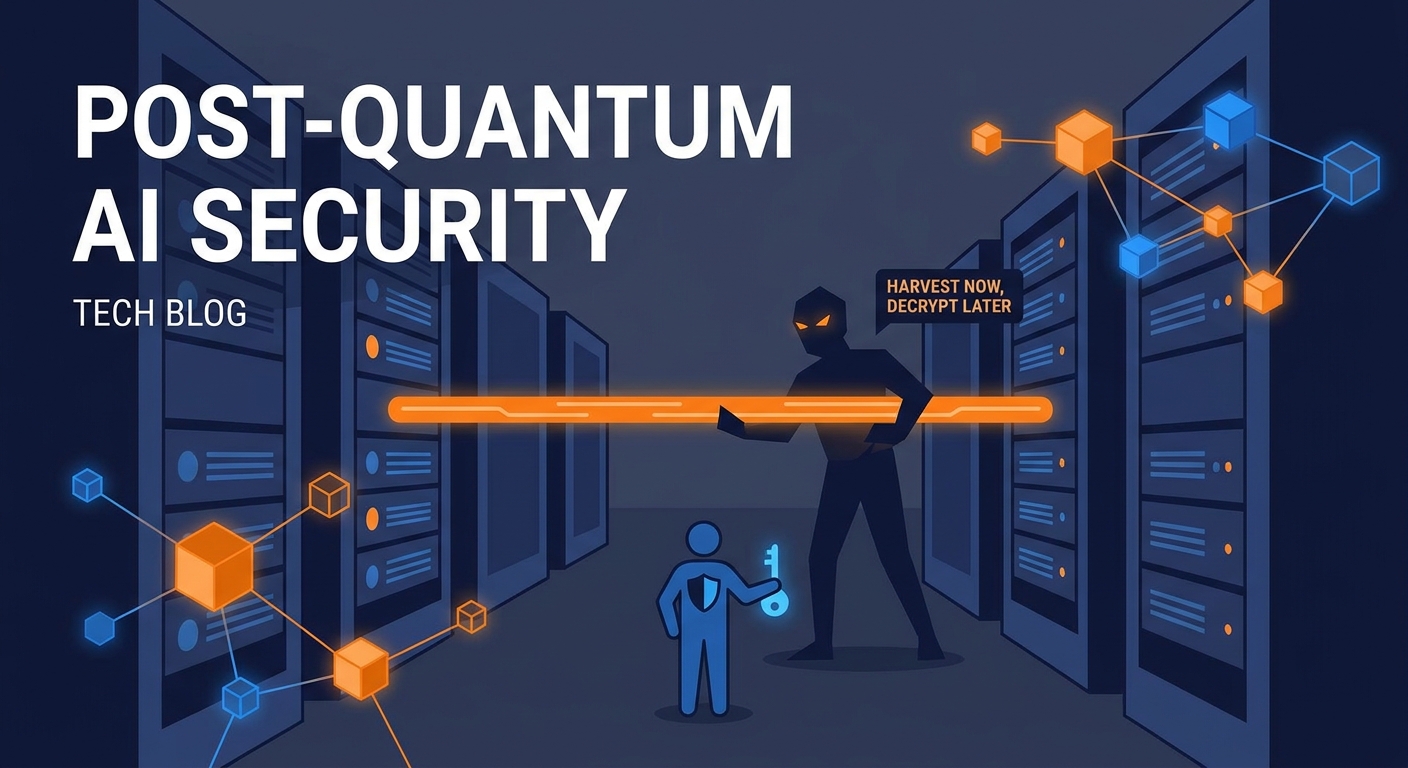
- Harvest Now, Decrypt Later: Bad actors are literally hoovering up encrypted mcp traffic right now. They can't read it yet, but they’re betting they can crack it in a few years when the hardware catches up. (Hackers are stealing data they can't even read yet. Here is why)
- Shor’s Algorithm: This is the specific math "cheat code" that makes current encryption look like a screen door. According to Cloudflare, we need post-quantum cryptography (pqc) because traditional systems just won't hold up. (State of the post-quantum Internet in 2025 - The Cloudflare Blog)
- Long-lived secrets: Think about those api keys or patient records your ai handles. If that data is still sensitive in five years, it’s already at risk today.

The mcp is great because it standardizes how ai talks to tools, but that standardization is a double-edged sword. If the transport layer isn't "quantum-hardened," the very metadata that tells your ai how to function—like retail pricing logic or financial trade triggers—is exposed.
There's also this nasty risk of tool poisoning. If someone messes with the handshake because the encryption is weak, they could trick your ai into using a malicious tool instead of the real one.
Anyway, it's not all doom and gloom—we just need better locks. Next, we're gonna look at how we actually swap out these old keys for something a bit more future-proof.
Implementing Post-Quantum Algorithms in mcp
So, we know the quantum boogeyman is coming for our data, but how do we actually stop it without breaking the ai tools we just spent months building? It’s not as simple as just flipping a switch, unfortunately.
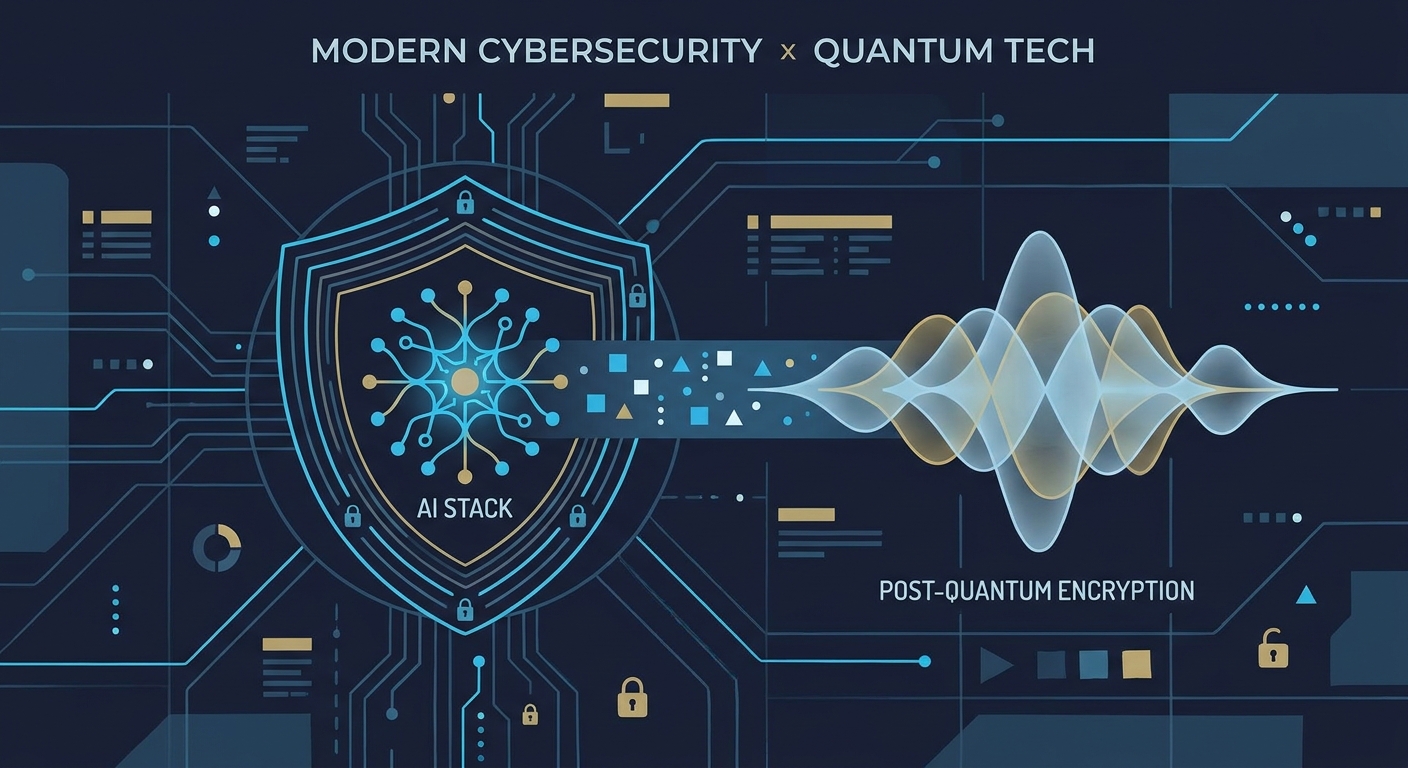
We have to start swapping out the "math" behind our connections. The big winners right now are algorithms like Kyber (now called ML-KEM) and Dilithium (ML-DSA). These aren't just cool names; they are specifically designed to be hard for quantum computers to chew on. After the initial switch, we'll just stick to the NIST names—ML-KEM and ML-DSA—to keep things simple.
When your mcp client talks to a server—maybe a retail bot checking inventory levels—they usually do a "handshake" to agree on a secret key. If you use ML-KEM, that handshake stays safe even if a quantum attacker is listening.
- ML-KEM for Key Exchange: This handles the initial "hello" between your ai and the data source. It’s fast enough that your bot won’t lag while trying to fetch pricing data.
- ML-DSA for Integrity: You use this to sign the resources. It makes sure that when your ai asks for a "medical record summary," it actually gets that and not some malicious script injected by a middleman.
- The Performance Tax: pqc keys are bigger. In high-frequency finance apps where every millisecond counts, you might see a tiny bit of latency, but honestly, it beats getting wiped out by a future hack.
A recent report by NIST in 2024 finalized these standards, signaling that it is officially time for engineers to start the migration.
You can't just go 100% quantum overnight because half your legacy systems will probably have a meltdown. That's where hybrid modes come in. You wrap your data in both a "classic" layer (like ECC) and a new pqc layer.

This way, if someone discovers a bug in the new quantum math, the old-school encryption still protects you. It’s like wearing a belt and suspenders.
If you're running mcp in a cloud environment, you gotta make sure your api gateways don't choke on these larger packets. But hey, it's better to deal with a bit of config tuning now than a total data breach later.
Next, we’re gonna dive into what this looks like for the guys actually writing the code—the developers.
Future-Proofing Your AI Infrastructure with Gopher Security
Look, nobody wants to spend their entire weekend configuring security tunnels just to get an ai agent to talk to a database. It's usually a massive headache, but that is where Gopher Security kind of saves the day by making it all feel like a "one-click" situation.
They’ve basically built a wrapper around the model context protocol that injects quantum-resistant encryption right into the transport layer without you needing a PhD in math. It’s pretty slick because it handles the p2p (peer-to-peer) connectivity automatically, so your retail inventory bot or healthcare analyzer stays locked down from the jump.
- Out-of-the-box PQC: You get those ML-KEM handshakes we talked about earlier by default, so you aren't stuck with "harvest now, decrypt later" risks.
- Schema-Driven Security: If you got your tools defined in openapi or swagger, Gopher just ingests those and builds the secure mcp server for you.
- Real-time Sniffing: It isn't just a dumb pipe; it actually watches the traffic for weird behavior while the data is moving through those hardened tunnels.
I've seen people try to build this stuff manually and it's a mess of broken api keys and latency issues. Gopher simplifies it by using a sidecar-style architecture. Here is a quick look at how you'd define a secure tool connection and map a specific resource in a config file:
connection:
  name: "pharmacy-inventory-sync"
  protocol: "mcp-pqc"
  security_level: "quantum_hardened"
  schema_source: "./api/swagger.json"
  threat_detection: true
  tools:
    - name: "get_stock_levels"
      endpoint: "/v1/inventory/query"
      pqc_signing: "ml-dsa"
  resources:
    - uri: "mcp://inventory-db/pharmacy-records"
      description: "Real-time access to drug stock"
According to Gopher Security, their approach reduces the setup time for secure ai infrastructure by about 80% compared to manual pqc implementation.
It’s honestly a relief for devsecops teams who are already drowning in ai requests. You get the speed of mcp with the peace of mind that a quantum computer won't eat your lunch in five years.
Anyway, having the tech is one thing, but you still gotta manage who actually has the "keys to the kingdom," which leads us right into the whole mess of access control.
Advanced mcp Security Architecture
So, you’ve got these fancy quantum-hardened tunnels, but who’s actually allowed to walk through them? It’s like having a vault door made of vibranium but leaving the post-it note with the combination stuck to the front—not exactly "secure."
In a real-world setup, like a hospital using ai to pull patient records, you can't just give the agent a blanket "yes" or "no." You need a policy engine that’s smart enough to look at the context—like where the request is coming from or what time it is—while the data is still wrapped in that pqc layer.
- Granular Policy Hooks: We're talking about checking the "who, what, where" before the mcp server even decrypts the request. If a retail bot suddenly tries to access payroll data from an unknown ip, the system should kill the connection instantly.
- Dynamic Signals: Permissions should shift based on environment. If your finance ai is hitting an api from a coffee shop wifi instead of the corporate vpn, the security layer should automatically tighten the leash, maybe requiring a higher level of signature verification.
- Stopping Puppet Attacks: This is a big one. Hackers love "puppet attacks" where they trick your ai into doing their dirty work. We mitigate this using the ML-DSA integrity checks mentioned earlier. By signing every tool instruction, the system ensures the ai's commands haven't been tampered with by an outside "puppeteer" before they reach the tool.

You still gotta prove you’re compliant with things like soc 2 or gdpr, even when everything is encrypted to the teeth. Keeping a visibility dashboard running is tricky because you don't want the logs themselves to become a security hole.
The trick is logging the metadata—the fact that a request happened and was authorized—without dumping the actual sensitive ai context into a plain-text file.
A 2023 report from the Ponemon Institute noted that the average cost of a data breach is still climbing, making these audit trails literally worth millions for avoiding fines.
Honestly, it’s a bit of a balancing act. You want enough info to catch a bad actor, but not so much that you're just doing the hacker's job for them.
Anyway, once you've got the architecture locked down and the logs flowing, the next big hurdle is actually getting the humans—the developers—to use the stuff without losing their minds. This is where executive leadership comes in; without a ciso or technical lead mandating these security standards, developers will always choose the path of least resistance over long-term quantum safety.
Conclusion and Next Steps for CISO's
So, we’ve basically established that if you aren't thinking about quantum-proofing your ai right now, you’re just leaving a "kick me" sign on your server rack. It’s a lot to take in, but ciso's don't need to boil the ocean on day one.
First thing—you gotta audit your mcp server deployments. I’ve seen teams realize they have healthcare bots or retail inventory tools running on ancient rsa keys that a quantum computer would eat for breakfast.
- Inventory your mcp endpoints: Find where sensitive context is actually moving.
- Phase the rollout: Start with high-risk api's—like finance or patient data—before moving to lower-stakes internal tools.
- Hybrid is your friend: As we discussed earlier, use that "belt and suspenders" approach with classic and pqc layers.

According to a 2024 report by the Cloud Security Alliance (CSA), organizations that start migrating to post-quantum standards now will save roughly 40% in long-term transition costs compared to those who wait for a crisis.
Honestly, just getting started is the hardest part. You don't want to be the one explaining a "harvest now, decrypt later" breach in five years. Stay safe out there.