Quantum-Resistant Cryptography for Model Context Metadata

TL;DR
- This article covers the crucial role of quantum-resistant cryptography in securing model context metadata within ai infrastructure. It will explore vulnerabilities, the importance of post-quantum solutions, and practical implementation strategies. The article highlights how Gopher Security's MCP platform utilizes these techniques to safeguard against present and future threats, particularly in the context of model context protocol deployments.
Introduction: The Growing Need for Quantum-Safe AI Infrastructure
Okay, so here's the thing: you might think your ai systems are secure now, but quantum computers? they're about to change everything. Seriously, like overnight.
Current security measures, they're just not built for the ai world. (Current AI Security Frameworks Aren't Good Enough) It's like putting up a picket fence against a tank, you know? ai brings a whole new set of problems - especially when you start talking about model context metadata. What even is that? Basically, it's all the info about your ai model -- its training data, its parameters, how it's supposed to behave. If someone messes with that, they can really mess with your ai.
- Think tool poisoning: Someone slips bad data into your training set. Suddenly, your fraud detection ai is flagging good transactions.
- Prompt injection is also a big one. Imagine someone hacking a retail chatbot to give out bogus discounts – chaos!
- And all of this relies on cryptography that, honestly, isn't gonna hold up forever.
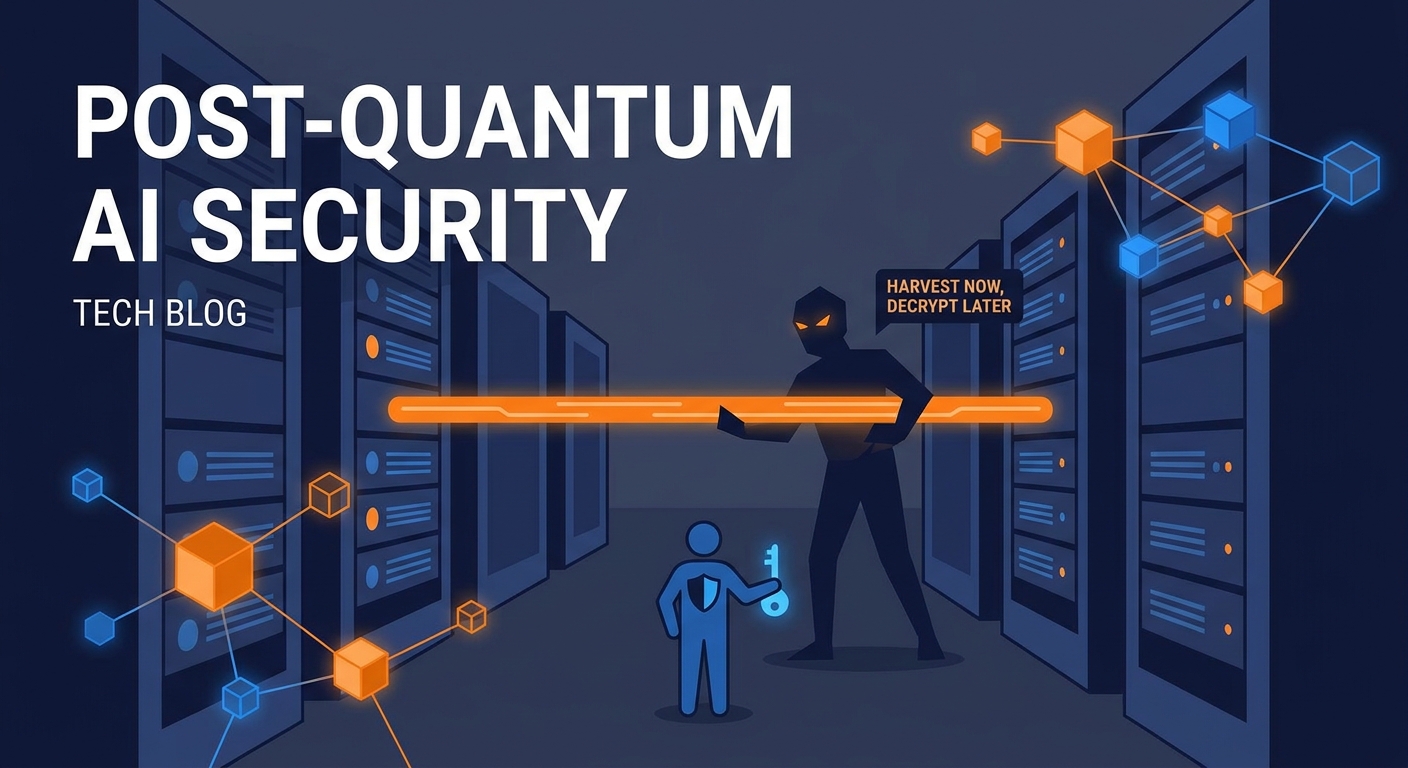
See, that's where quantum computers come in. These things, when they're finally really here, will break the encryption we use everywhere. Like RSA and ECC, all those standards? Useless. It's all thanks to something called Shor's algorithm.
Shor's algorithm is a quantum computer algorithm that finds the prime factors of an integer. This is important because the security of many current encryption methods, like RSA, relies on the difficulty of factoring large numbers into their prime components. A quantum computer running Shor's algorithm could do this factoring much faster than any classical computer, rendering RSA and similar encryption schemes insecure.
The timeline for when this happens is kinda fuzzy. Some researchers are saying we're still ten, fifteen years out. But honestly? that's not that long to get your stuff in order. We need to start thinking about quantum-resistant solutions now or we're gonna be in a world of hurt later. The clock is ticking y'all.
So, next up, we'll dive deeper into exactly what quantum-resistant cryptography is and how it works.
Understanding Model Context Metadata and its Security Implications
Okay, so, you've got this awesome AI model, right? But what about all the stuff around it? The data that says where it came from, how it was trained, all that jazz? Yeah, that's the model context metadata, and honestly, if you're not securing it, you're basically leaving the back door wide open.
Think of it like this: it's the ai model's "birth certificate" and "instruction manual" all rolled into one. It includes:
- Provenance data: Where did the training data come from? Was it internal data, or scraped from the web? Knowing this helps you track down potential biases or security issues down the line. For example, if your ai model's training data came from a source that later was discovered to contain malicious content, knowing the source could save you a lot of headaches.
- Model parameters: These are the knobs and dials that control how your model behaves. If someone messes with these, they can subtly (or not so subtly) change how the ai works. For instance, an attacker could modify parameters to make a spam filter less effective or a recommendation engine biased.
- Usage data: Who's using the model, and how? This can help you spot anomalies that might indicate an attack. Someone accessing the ai model from an unusual location or trying to generate outputs that are way outside the norm? That's a red flag. For example, if a customer service bot suddenly starts generating highly technical code snippets, that's unusual.

Well, consider this: if an attacker can poison your model context metadata, they can essentially rewrite your ai's rules. It's not just about data breaches, it's about messing with the integrity of the model itself.
- Imagine a financial institution using ai to detect fraud. If someone manipulates the model's parameters through the metadata, they could make it easier to commit fraud, not harder. For example, they might adjust the fraud detection thresholds to be much higher, allowing more fraudulent transactions to pass through.
- Or think about a healthcare ai that's used to diagnose diseases. If the provenance data is altered, it could lead to the model making incorrect diagnoses, with potentially life-threatening consequences. An attacker could falsify the origin of training data to introduce subtle diagnostic errors.
And don't even get me started on regulatory compliance. GDPR, HIPAA, all those acronyms? They have strict rules about data governance and security, and model context metadata falls squarely under that umbrella. So, yeah, ignoring this stuff isn't really an option, unless you want to risk some serious fines and legal trouble.
Next up, we'll talk about some specific ways that quantum computers could be used to attack model context metadata, and what we can do to defend against them.
Quantum-Resistant Cryptographic Algorithms: A Deep Dive
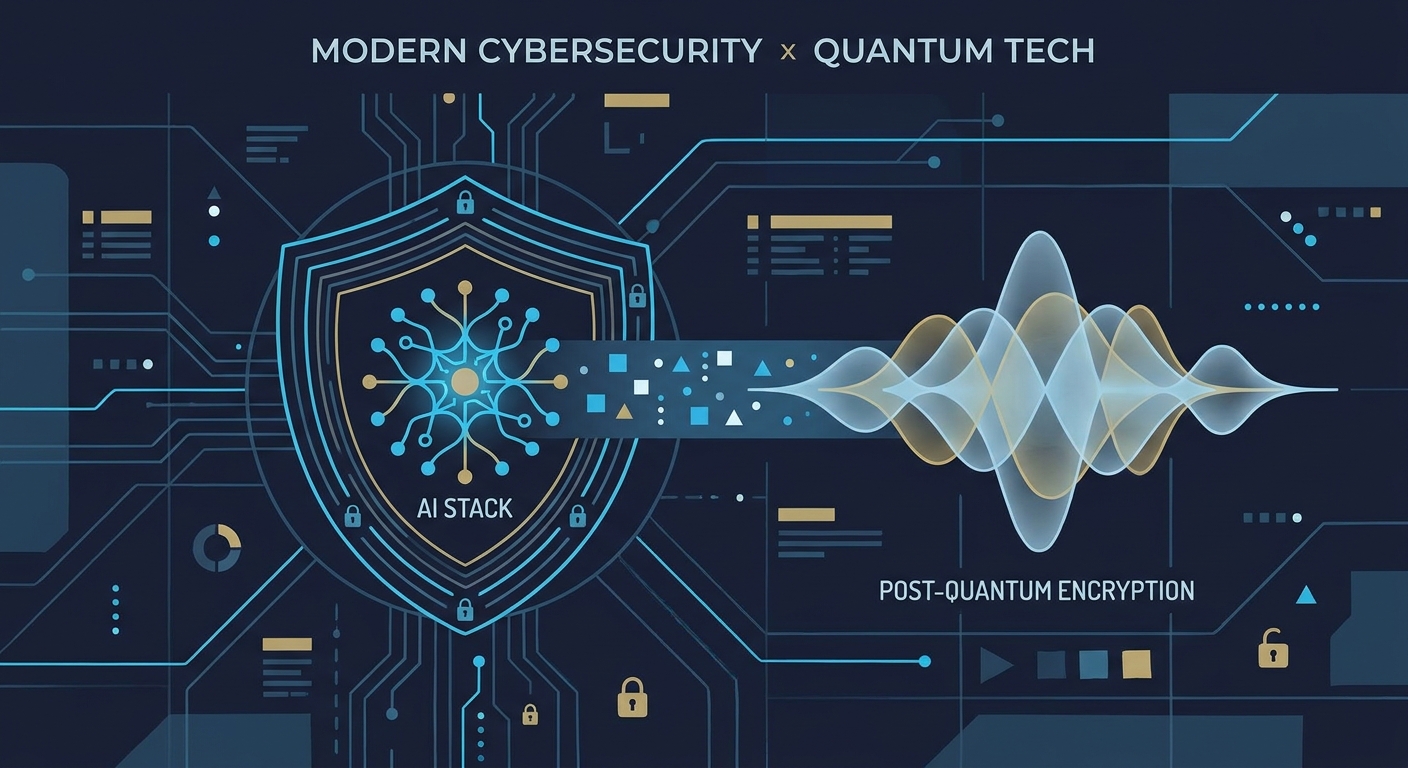
Okay, so quantum-resistant cryptography – or post-quantum cryptography (pqc) as some call it – isn't just some fancy buzzword, it's like, the future of security, especially with ai getting baked into everything. Think of it as upgrading from a regular lock to a super high-tech vault, one that even a quantum computer would struggle to crack.
Basically, PQC is all about developing cryptographic systems that are secure against both classical and quantum computers. Cuz' here's the thing, most of the encryption we use today relies on math problems that quantum computers are really good at solving, thanks to Shor's algorithm, which, as we mentioned before, can break down those problems in a jiffy. PQC uses different kinds of math that aren't so easily cracked by quantum computers.
- NIST's Role: The National Institute of Standards and Technology (nist) is running this big competition, trying to find the best PQC algorithms. They've already picked some winners, like CRYSTALS-Kyber and CRYSTALS-Dilithium (more on them later), and they're still testing out others - NIST Post-Quantum Cryptography Program - this program is focused on standardizing quantum-resistant cryptographic algorithms. It's like the olympics, but for cryptography, you know?
- Algorithm Families: There's a whole bunch of different ways to do PQC, like lattice-based cryptography, code-based cryptography, and hash-based cryptography. Each one has its own strengths and weaknesses, and they all work in totally different ways. Lattice-based methods, for example, use the difficulty of solving problems on mathematical lattices, which are kinda like super-complicated grids. The security relies on the fact that finding the shortest vector in a high-dimensional lattice is computationally very hard for classical computers, and it's believed to be hard for quantum computers too.
- Trade-offs: It's not all sunshine and rainbows, though. PQC algorithms can be slower or need more computing power than what we're used to. So, it's a balancing act between security, performance, and how easy it is to actually implement them, which is a pain in the butt sometimes.
So, when it comes to protecting model context metadata, we need algorithms that are fast, secure, and can handle things like key exchange and digital signatures. Here's a few that are worth knowing.
- CRYSTALS-Kyber: This is a lattice-based key-encapsulation mechanism (kem), which is a fancy way of saying it's used for exchanging keys securely. It's one of NIST's top picks and is known for its efficiency, which is awesome. NIST Selects First Four Quantum-Resistant Cryptographic Algorithms - this article announces NIST's selection of CRYSTALS-Kyber and other algorithms. Think of it as something like TLS, but for the quantum age. It's used to establish a shared secret key between two parties, which can then be used for symmetric encryption.
- CRYSTALS-Dilithium: This one's for digital signatures, which means it can be used to verify that the metadata hasn't been tampered with and that it really came from who it says it came from. It's also lattice-based and another NIST winner. For example, a healthcare provider using ai to diagnose patients could use CRYSTALS-Dilithium to ensure that the model's parameters and training data haven't been messed with by some bad actor. A digital signature essentially proves the authenticity and integrity of a piece of data.
- Falcon: Another digital signature algorithm, Falcon is more compact than Dilithium. This means its signatures are smaller in terms of bytes. This compactness is crucial in environments with limited bandwidth or storage, such as embedded systems or IoT devices where every byte counts.

These algorithms, they're not perfect. They all have strengths and weaknesses. Kyber is fast, but Dilithium signatures are bigger, you know? Choosing the right one depends on what you're trying to protect and what your priorities are.
Okay, so implementing PQC isn't just a matter of swapping out one algorithm for another – wish it were that simple, but it's not. There's a few bumps in the road.
- Performance: PQC algorithms can be slower than the ones we're used to, especially on older hardware. This can be a problem for things that need to happen in real-time, like fraud detection or network security. You might need to upgrade your hardware or find ways to optimize the code.
- Integration: Getting PQC to play nice with existing systems can be a pain. You might need to rewrite parts of your code or use special hardware security modules (hsms) to handle the cryptography.
- Hybrid Approaches: One way to ease the transition is to use a hybrid approach, where you combine classical cryptography with PQC. That way, you're still protected even if one of the algorithms gets broken. This often involves running both a classical and a PQC algorithm in parallel, and requiring both to agree for a secure operation.
Switching to PQC is a big job, but it's important for protecting ai systems against future threats. Next, we'll look at what it takes to actually implement PQC in the real world.
Gopher Security's Approach: Securing MCP with Quantum-Resistant Technology
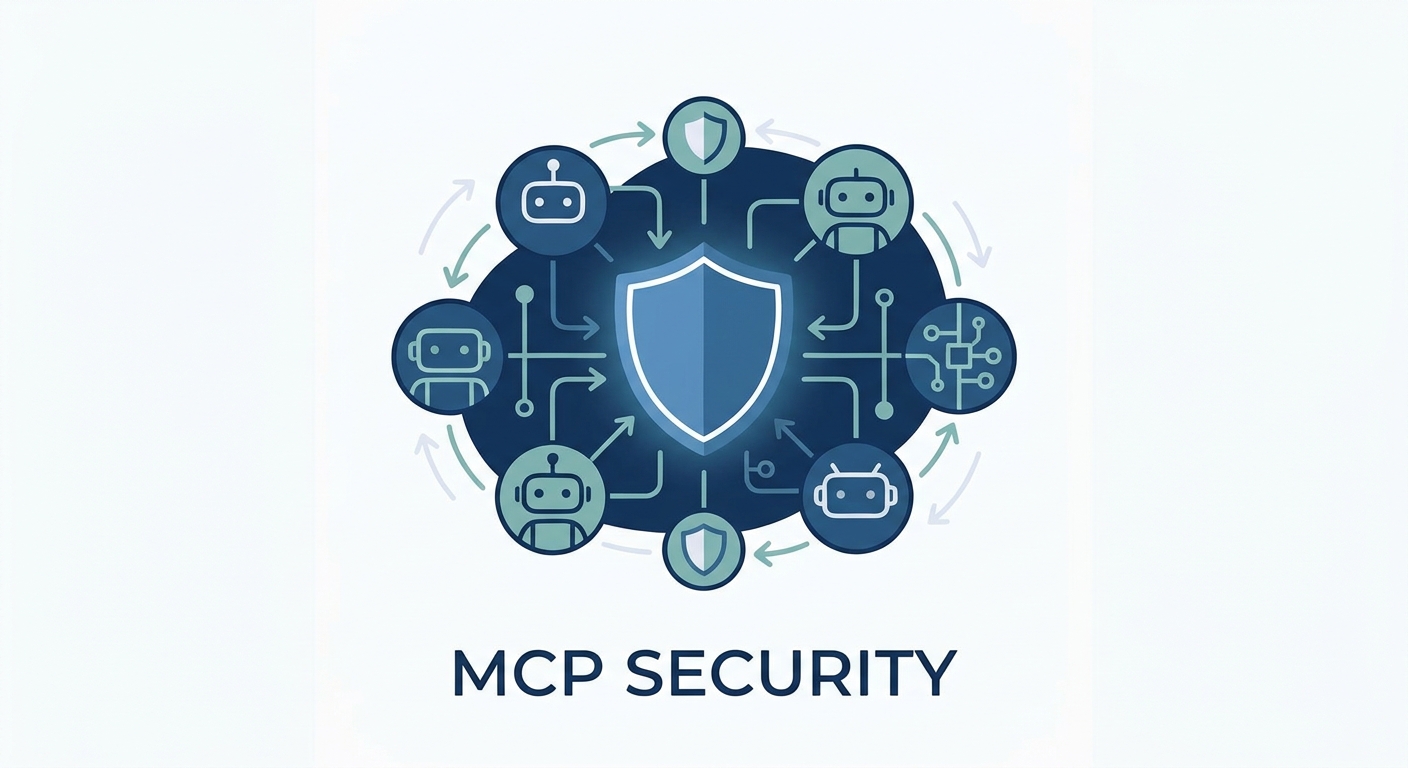
Okay, so you know how everyone's talking about ai security, but it's like, a mile wide and an inch deep? well, Gopher Security is trying to change that, especially when we're talking about protecting model context protocols (mcp). They're not just throwing buzzwords around; they're actually building something.
Gopher Security's mcp platform, it's not just about slapping some encryption on things and calling it a day. They're thinking about the entire ai infrastructure and the unique problems that come with it.
- It's like a 4d chess game: They've got threat detection baked in, so they're actively looking for bad stuff happening -- think tool poisoning or prompt injections. Then there's access control, so you can really lock down who can see what. Plus, policy enforcement, which is all about making sure everyone's following the rules. And then they wrap it all up in quantum-resistant encryption. It's kinda wild.
- Scale Matters: They're not kidding around when they say they are serious. They have 50,000 servers deployed. And they are used by 10,000 active users with a million req/second. This massive scale means their security solutions need to be robust and efficient to handle the load without compromising protection.
- AI Specific Security: The platform isn't just a general-purpose security tool adapted for ai; it's built from the ground up to address the specific vulnerabilities of ai systems. For example, it can detect subtle changes in model behavior that might indicate an attack, something a traditional security system wouldn't even notice. This could be detecting a slight drift in model output that deviates from normal operational patterns, suggesting manipulation.
- It's Across Industries: Imagine a retail company using ai to personalize recommendations. If someone messes with the model's training data, they could push harmful or inappropriate products to customers. Gopher Security's platform can detect that kind of tampering in real-time and shut it down. Or, think about a financial institution using ai to assess loan applications. The platform can make sure that the model's parameters haven't been altered to discriminate against certain groups.
And here's where it gets really interesting: quantum-resistant encryption. As we talked about earlier, quantum computers are gonna break all the old crypto. Gopher Security is getting ahead of the game by using post-quantum cryptography, or PQC, to protect model context metadata.
- CRYSTALS-Kyber and CRYSTALS-Dilithium: They're using some of the algorithms that NIST has already picked as winners. As mentioned earlier, NIST has been running a competition to find the best PQC algorithms. This means they're using lattice-based cryptography, which is considered one of the most promising approaches to PQC.
- Key Management is Key: It's not just about using the right algorithms; it's about managing the keys securely. They need to make sure that the keys themselves aren't compromised, and that they're rotated regularly. This is particularly critical with PQC due to the potentially larger key sizes and the need to protect against future quantum-based key recovery attacks.
- Not Just Encryption: Encryption and decryption is important, but also the process needs to be right. This implies that the secure implementation and lifecycle management of cryptographic operations are as vital as the algorithms themselves.
So, what does this all mean in practice? Well, imagine a large language model (llm) used in customer service. The model context metadata includes things like the llm's training data, its parameters, and its usage history. Gopher Security's platform would use quantum-resistant encryption to protect all of that data, so even if a quantum computer could break the encryption, the attacker wouldn't be able to access the metadata. And the platform would constantly monitor the llm's behavior, looking for anomalies that might indicate an attack.

Basically, Gopher Security is trying to build a security system that's ready for anything. And that's pretty cool.
Next up, we'll dive into how Gopher Security detects and prevents threats in real-time.
Best Practices for Implementing Quantum-Resistant Security in AI
Okay, so you've got some quantum-resistant crypto in place – awesome! But, honestly, that's just step one. Think of it like buying a really good lock; you still need to, like, use it right, you know?
- First off, don't ditch your existing security stuff. PQC should work with things like firewalls and intrusion detection systems. It's all about defense in depth. If someone does somehow manage to get past one layer, you've got others to catch them.
- Thinking about ai infrastructure, adopt a zero-trust architecture. Basically, don't automatically trust anyone or anything, inside or outside your network. Verify everything, all the time. It's a pain, but it raises the bar for attackers way up. Quantum-resistant security measures bolster this by ensuring that even if an attacker gains access, the underlying cryptographic protections remain robust.
- Consider a hybrid approach. Run both classical crypto and PQC side-by-side. Yeah, it's more overhead, but it gives you a fallback if, like, one of the new PQC algorithms turns out to have a weakness. This often means using both classical and PQC algorithms for key exchange or digital signatures, requiring both to succeed for a secure operation.
Think about how you're gonna handle those shiny new quantum-resistant keys. Seriously, secure key management is critical.
- You need a way to generate, store, and distribute these keys securely. Hardware Security Modules (hsms) are your friend here. They're basically tamper-proof boxes that keep your keys safe. They're particularly important for PQC keys because of their sensitivity and the potential complexity of PQC operations.
- Rotating keys regularly is a must. If a key does get compromised, you want to limit the damage. Plus, have a plan for revoking keys that you suspect have been compromised. It's like changing the locks after a break-in, but for your ai. This is particularly critical in the PQC era to mitigate risks associated with potentially larger key sizes or new attack vectors.
Don't just set it and forget it!
- You need real-time monitoring for suspicious activity. Keep an eye out for things like unusual access patterns, unexpected changes to model parameters, or weird data flows. Tools for real-time monitoring can include SIEM systems, anomaly detection engines, and specialized AI security platforms.
- Threat intelligence is also key. Knowing about the latest threats and vulnerabilities can help you stay one step ahead of the bad guys. There's lots of threat intel feeds out there, both free and paid. Effective use of threat intelligence can inform your incident response plan by highlighting potential attack vectors and indicators of compromise specific to quantum threats.

- Finally, make sure you have an incident response plan in place for quantum-related security breaches. What happens if someone does break into your system and messes with your model context metadata? Knowing the answer to that before it happens is the difference between a minor setback and a full-blown crisis. This plan should consider scenarios like compromised PQC keys, successful metadata manipulation, or even the theoretical possibility of a quantum computer breaking classical encryption in a hybrid system.
Okay, so we've talked about how to implement quantum-resistant security. Now, let's see how this works in real life.
Conclusion: Preparing for a Quantum-Safe Future
Quantum computers: are they a boogeyman or a real threat? Honestly, it's hard to say exactly when they'll break our current encryption, but thinking about it now? Definitely worth it.
- The future of ai security is gonna be all about being proactive. Waiting until quantum computers are actually a problem is like waiting until your house is on fire to buy insurance.
- Healthcare orgs need to protect patient data, financial firms need to protect transactions, and, uh, everyone needs to protect against ai gone rogue. This could mean an ai system making unauthorized decisions, causing widespread disruption, or even being weaponized.
- And it's not just about encryption, it's about threat detection, access control, and all that jazz.
- Early adoption of PQC gives you a head start. It's not a simple switch, it takes time to integrate new algorithms and test everything.
- Plus, getting in early means you can help shape the standards and best practices.
- Think about it – being a leader instead of a follower? Pretty cool.
- Companies like Gopher Security, as mentioned earlier, are already working on quantum-safe ai infrastructure. It's not just about selling a product; it's about building a more secure future for ai.

So, yeah, quantum computers are coming. Maybe not tomorrow, but eventually. And when they do, you'll want to be ready. Getting started with quantum-resistant solutions today is the best way to make sure your ai systems are safe, secure, and, you know, not taken over by some quantum hacker.