Zero Trust Architecture for Distributed AI Model Contexts

TL;DR
- This article covers the shift from perimeter-based defenses to a decentralized zero-trust model for Model Context Protocol deployments. It explores how identity-aware context, deep packet inspection for ai, and post-quantum encryption protect distributed model contexts from tool poisoning and puppet attacks. You will find actionable strategies for enforcing granular policies across multi-agent workflows while ensuring future-proof security against emerging quantum threats.
The breakdown of traditional perimeters in distributed AI
Ever wonder why your fancy firewall feels like a screen door in a hurricane lately? It's because the old "keep the bad guys out" perimeter is basically dead now that distributed AI is everywhere.
Traditional security was built on the idea that you could draw a line around your data center. But today, AI traffic moves lateral between services, which makes those old perimeters pretty much useless. (I'm so confused. My traffic is backing up because the stupid ai is ...)
- Lateral Movement: In a typical setup, an AI agent might talk to three different databases and an API in seconds. If one spot gets hit, the whole chain is at risk.
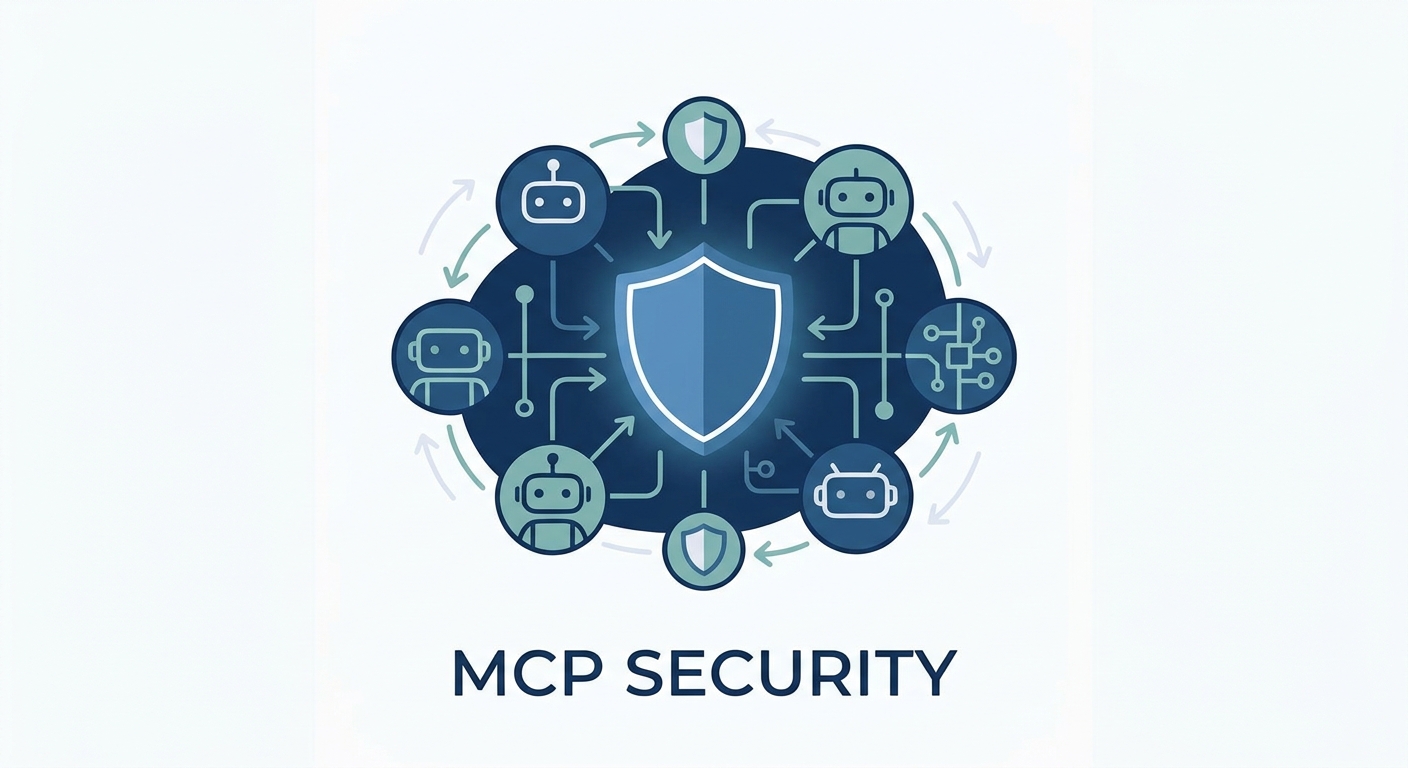
- Edge Deployment: MCP (Model Context Protocol) servers—which basically act as the "universal translator" for AI agents to talk to data sources—often sits at the edge or in hybrid clouds to keep latency low. This means your data is literally everywhere at once. (Is it just me or does it seem like most MCP servers are lazy ...)
- Prompt Injection: Natural language prompts bypasses standard signature-based detection because they look like normal chat but can carry malicious intent. ('Highly evasive' polymorphic malware generated using ChatGPT)
According to Zenarmor, routing all this heavy AI traffic through a central checkpoint just creates lag and breaks the "sub-millisecond" decisions these models need to actually work well.

Honestly, seeing how fast things are moving in retail and finance, we gotta stop trusting the network and start verifying every single hop. Next, let's look at how we actually start building that trust from scratch.
Core pillars of zero trust for Model Context Protocol
If you think a simple API key is gonna save your MCP deployment, i’ve got some bad news for you. When AI agents start talking to each other, that old "trust but verify" thing just falls apart because there's way too many moving parts.
We gotta stop treating these models like static apps. Every agent needs its own cryptographic identity, almost like a digital passport that gets checked at every single stop.
- Unique machine identities: Assigning a unique ID to every LLM and agent so you know exactly who is asking for what.
- Continuous posture checks: Checking if the MCP client is actually secure before letting it touch your data.
- Dynamic sessions: Moving away from forever-keys and using short-lived tokens that expire fast.
According to Xage Security, we need to move security beneath the prompt level—down to the protocol layer—so social engineering can't just bypass your filters.
It’s not just about who you are, but what you’re trying to do right now. If a chatbot suddenly wants to download the whole finance folder at 3 AM from a weird IP, it should probably be blocked.
A 2025 report from Neil Sahota highlights that zero trust has to account for intent and the consequences of language-based actions, not just login credentials.
Honestly, it’s about making sure the agent only has the tools it needs for the specific task at hand. No more, no less. Next, we’ll dive into how to actually watch these "conversations" in real time without losing your mind.
Securing the MCP pipeline against modern threats
So, you finally got your MCP pipeline running and then someone mentions "tool poisoning" and your heart sinks. It's a valid fear because these AI agents aren't just chatting anymore; they're actually reaching out and touching your real-world infrastructure.
When an agent uses a tool to fetch data from a website or a database, it might accidentally suck in malicious instructions hidden in the content. This is basically a "puppet attack" where the AI starts doing the bidding of an outsider instead of you.
- Deep packet inspection for AI: Traditional firewalls don't understand the "intent" inside a model's context. You need inspection that looks at the actual parameters being passed to tools in real-time.
- Parameter-level restriction: If a tool is meant to only query "Product_ID", why does the agent suddenly want to run
DROP TABLE? You gotta lock those schemas down tight. - Intent verification: As Sahota’s research suggests, we have to verify the why behind a request, not just the who.
Zero trust has to evolve to understand how systems interpret language, because that’s where the new "rogue AI" threats actually live.

Honestly, i've seen folks in healthcare try to skip this, but one bad prompt injection into a medical research agent could leak patient records faster than you can say "compliance violation." You need a policy engine that watches every single hop.
Next, we're gonna look at why the looming threat of quantum computing makes all this distributed security even more urgent.
The quantum threat to distributed AI contexts
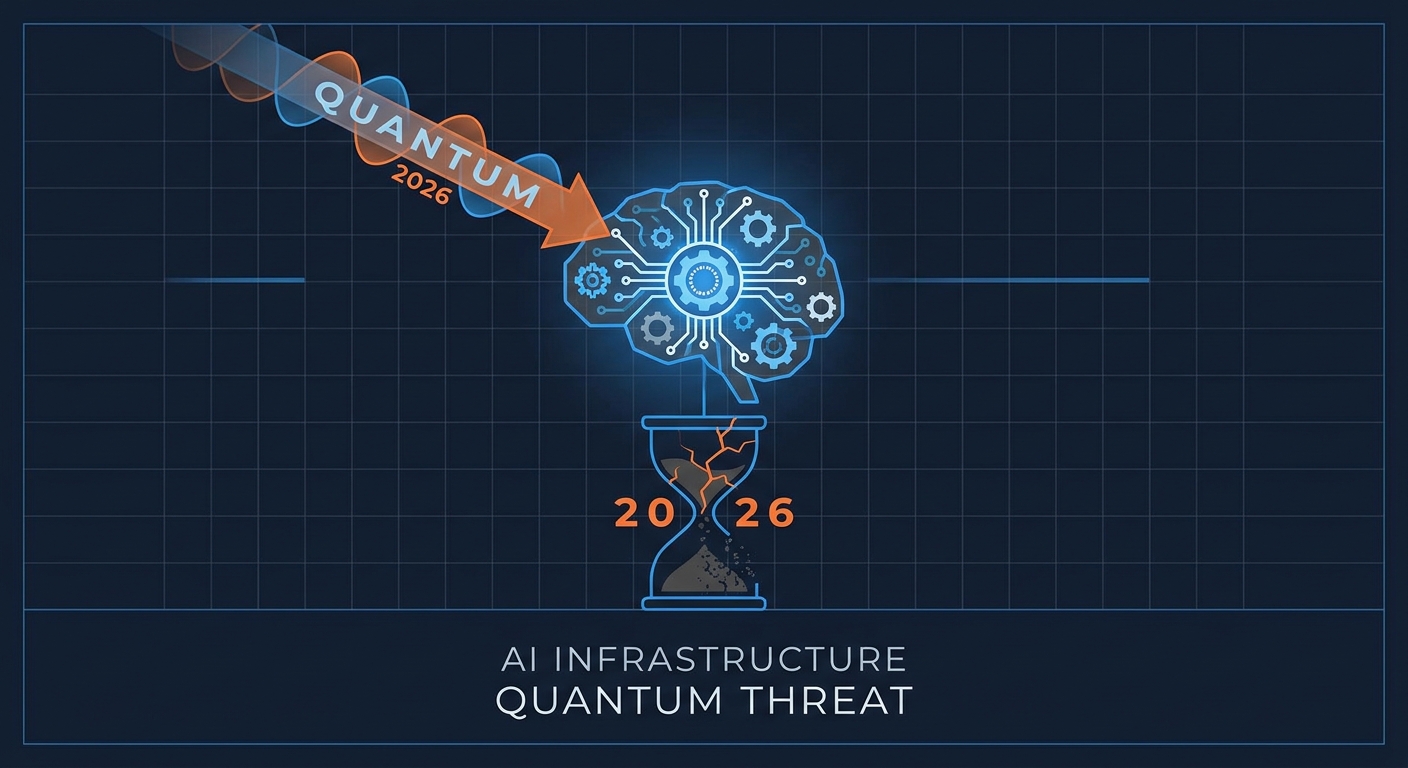
Ever thought about how a quantum computer could basically shred your current encryption like a wet paper towel? It’s a scary thought for AI security because a lot of the training data we’re moving through MCP pipelines today needs to stay secret for decades, not just until the next patch.
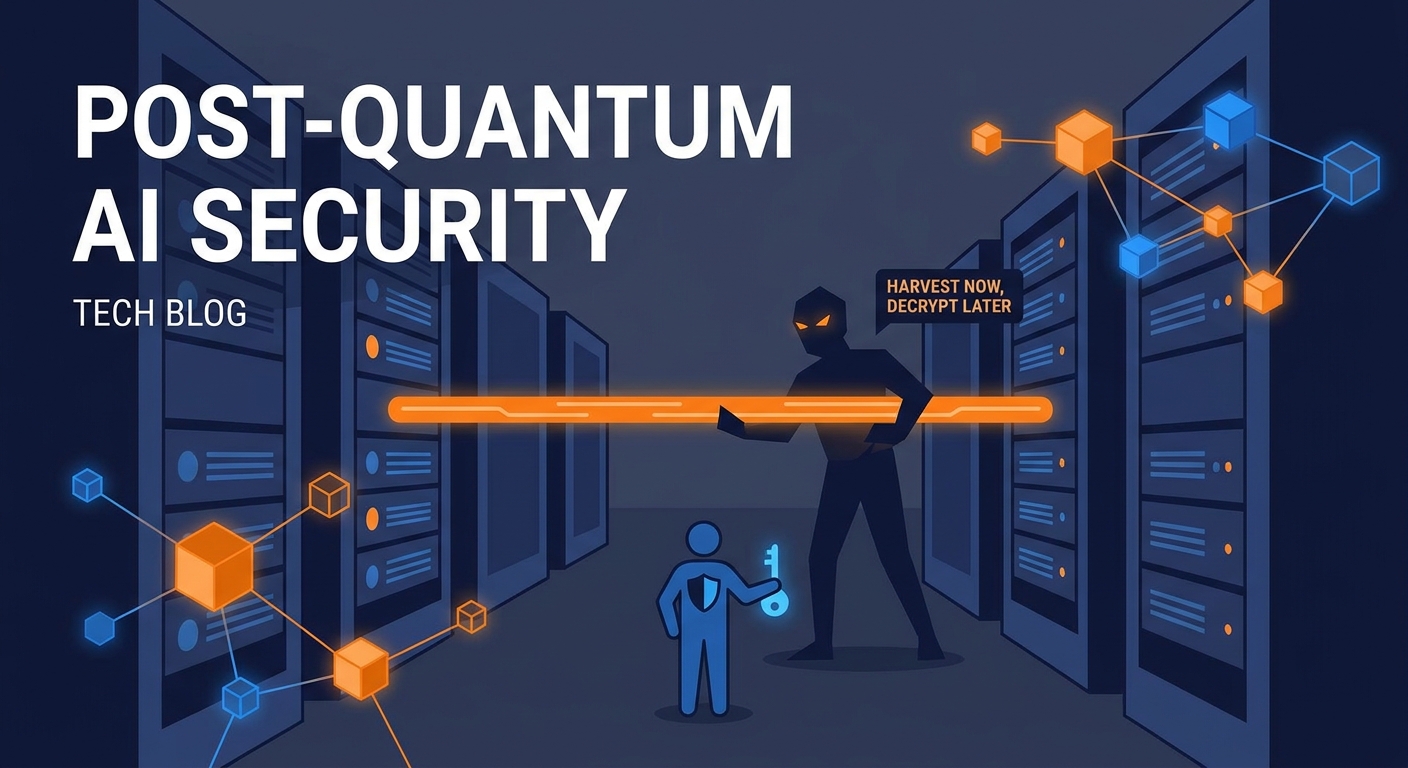
The big worry right now is "harvest now, decrypt later" attacks. Hackers are sitting on encrypted P2P traffic from finance and healthcare, just waiting for quantum tech to catch up so they can unlock it later. If your MCP logs contain sensitive patient info or trade secrets, they’re already at risk.
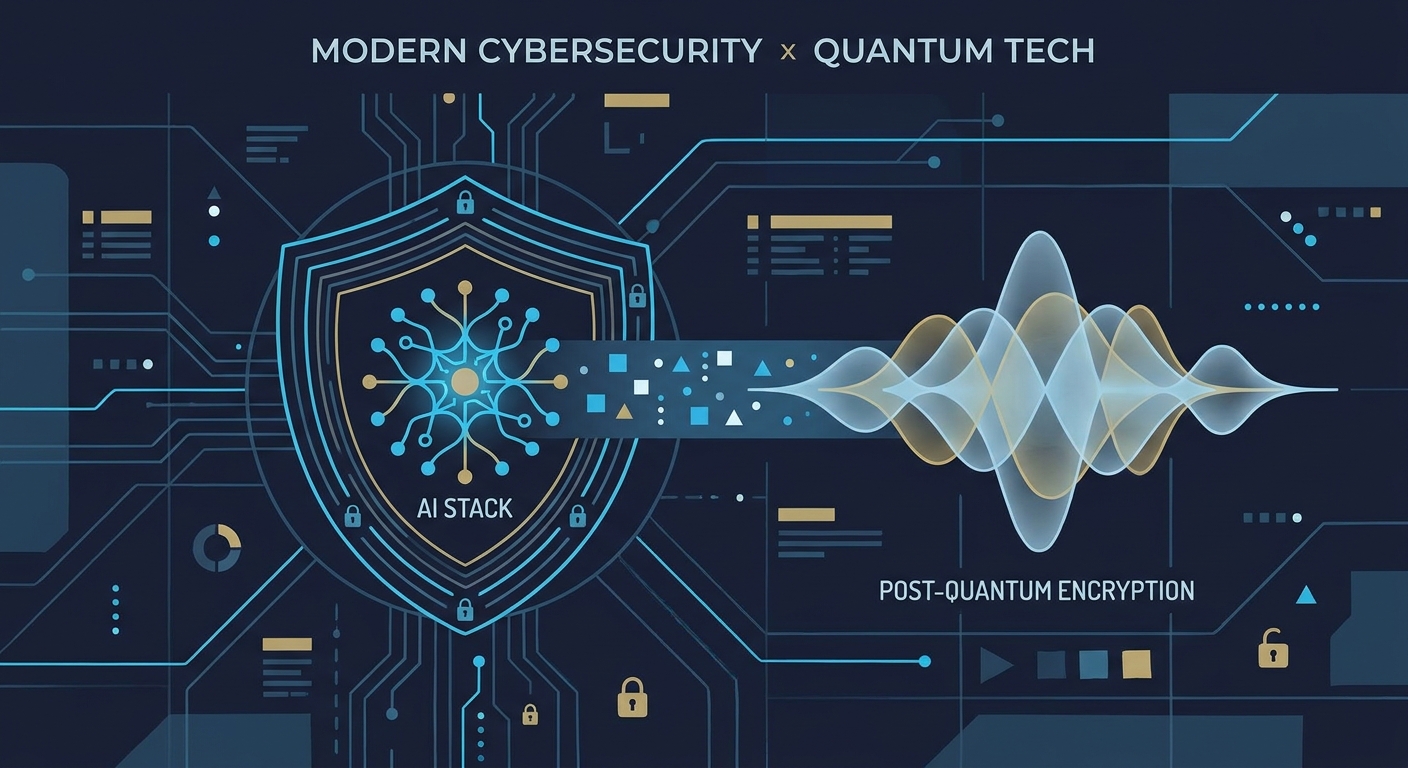
- Quantum-resistant P2P: We need to start implementing lattice-based cryptography for MCP connections now. This keeps the lateral movement between agents secure even against future threats.
- Long-term audit trails: We need tamper-proof logs. But if those logs use old hashing, a quantum machine could rewrite history without anyone knowing.
- Hybrid transitions: You don't have to rip everything out. Most folks are starting with hybrid models that use both classic and post-quantum algorithms (PQC) to stay safe during the transition.
Sahota’s 2025 projections suggest that zero trust has to be "future-proof" because AI systems are often used in high-stakes environments where data longevity is everything.

Honestly, i've seen teams in retail ignore this because they think quantum is "ten years away," but if you're building a distributed AI core today, you're just leaving a time bomb for your future self.
Next up, we’re gonna look at how to actually manage all this in the SOC without your security team quitting.
Operationalizing zero trust in the SOC
Ever feel like your SOC is just drowning in logs that don't actually tell you why an AI agent just called an internal API? Monitoring distributed MCP flows is a whole different beast compared to standard web traffic.
Traditional dashboards usually miss the "intent" behind a prompt. To stay ahead, you need AI-powered intelligence that spots zero-day threats by watching how agents behave, not just where they login from.
- Behavioral baselines: If a retail bot suddenly queries bulk credit data, that’s a red flag even if the API key is valid.
- Automated compliance: Use tools to map MCP flows directly to SOC 2 or GDPR requirements so you aren't scrambling during audits.
- Centralized health: You need one spot to see if your edge MCP servers are actually enforcing the policies you set.
A forward-looking 2025 CIO report notes that over 80% of organizations plan to adopt zero trust by 2026 to manage these decentralized workloads.
Honestly, it’s about making sure your team sees the full "conversation" between machines. Next, we’ll wrap up with a real roadmap to get this running.
Implementation roadmap for secure AI infrastructure
So, you've survived the quantum talk and the SOC mess—now how do we actually build this thing without breaking the bank or the network? It's all about moving in small, messy steps rather than one giant leap that probably won't work anyway.
- Phase 1: Discovery (Weeks 1-4): Inventory your mess. You can't secure what you don't see. Start by mapping every MCP endpoint and API schema. Use network discovery tools to find those sneaky shadow AI tools employees are using without telling IT.
- Phase 2: Least-Privilege Pilot (Weeks 5-12): Lock down the context. Pick one non-critical pipeline and enforce strict rules. If a retail bot only needs inventory data, don't let it anywhere near the HR database. Use tools like Xage to wrap the protocol in a zero-trust layer.
- Phase 3: Encryption Upgrade (Months 4-6): Quantum-proof the pipes. Switch to post-quantum encryption tunnels for all inter-agent talk. It stops "harvest now, decrypt later" dead in its tracks.
- Phase 4: Behavioral Monitoring (Ongoing): Watch the intent. Set up your SOC with behavioral checks to flag weirdness. If a finance agent suddenly asks for 10,000 records at midnight, kill the session automatically.
Honestly, as Neil Sahota has pointed out, this is about human-AI collaboration where we set the rules and the machines do the heavy lifting.

Just remember, security is a journey, not a destination—or whatever that cheesy saying is. Just keep verifying.