Amazon Warns 200M Prime Customers About Login Info Scams

Amazon Scam Targeting Prime Members
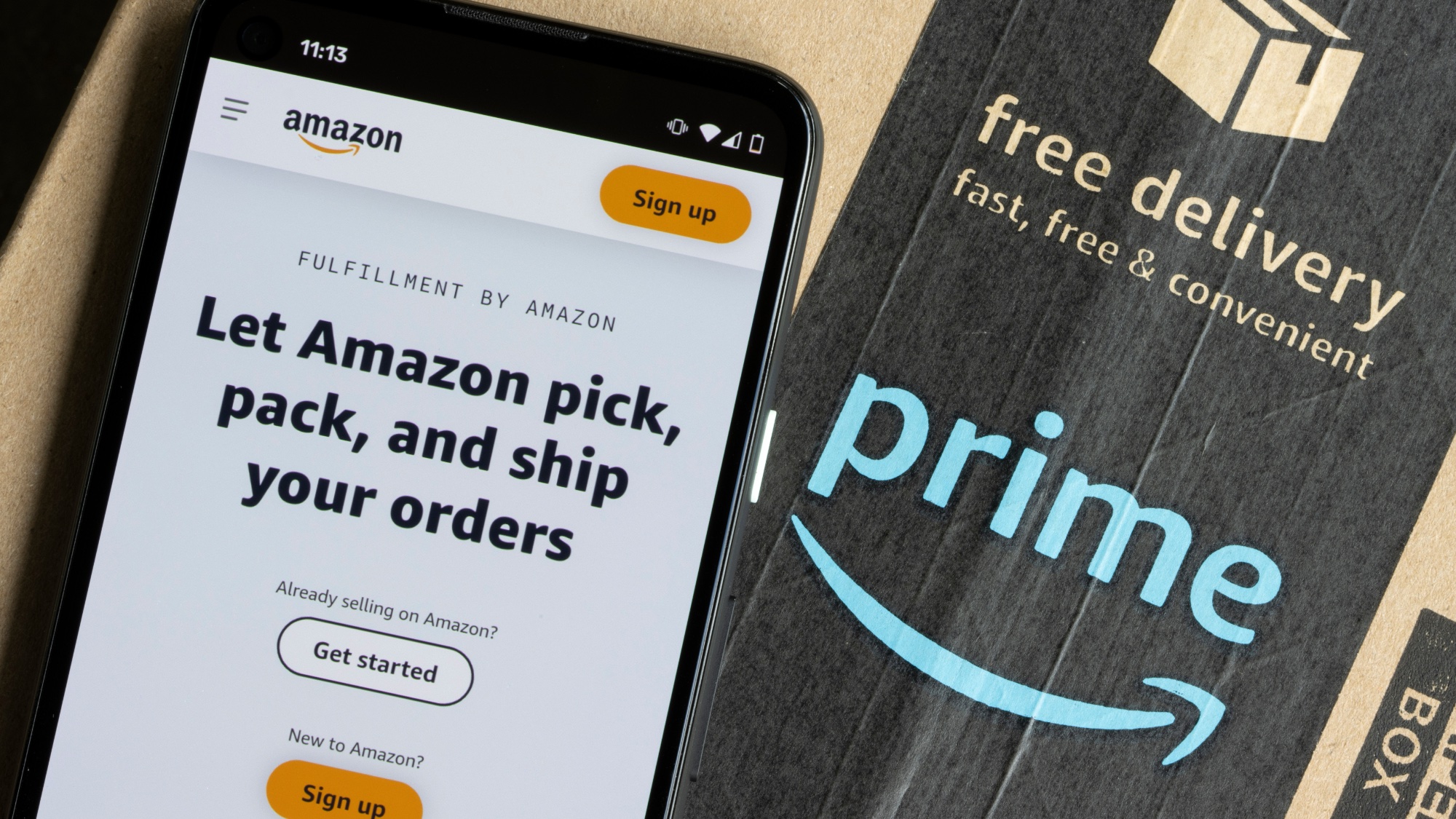
Scammers are impersonating Amazon through fake emails, targeting the over 200 million Amazon Prime customers. These emails inform recipients that their Prime subscription will automatically renew at a higher price. This creates urgency, prompting users to engage with the fraudulent message. As reported by Malwarebytes, the emails often contain personal information to enhance their credibility, making them difficult to identify as scams.
Phishing for Login Information
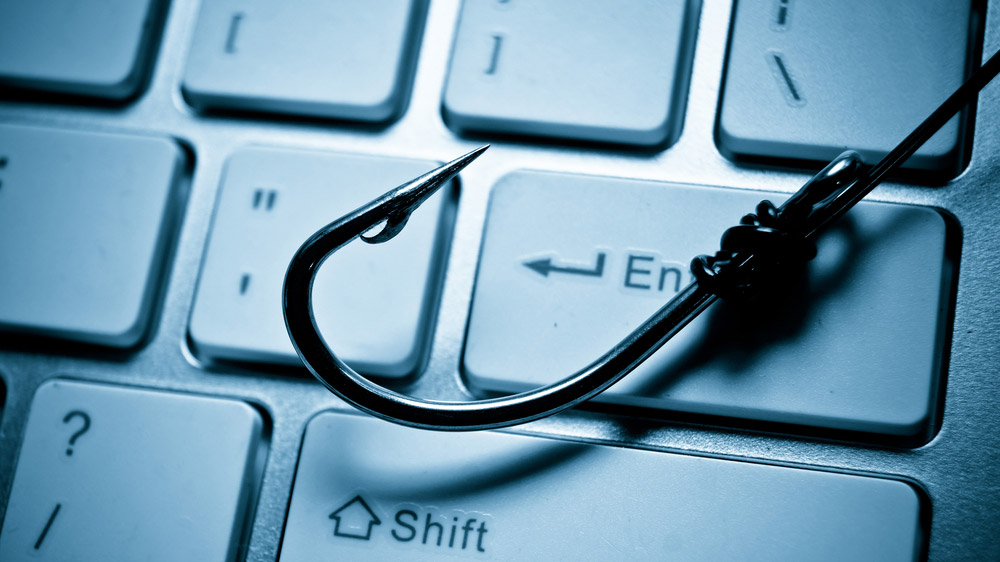
The fraudulent emails utilize the Amazon logo and style, and they often include a “cancel subscription” button. Clicking this button leads to a fake login screen where users are prompted to enter their credentials. Once entered, these details can be exploited for malicious activities, including unauthorized purchases. The risk escalates if users reuse passwords across different platforms, as this can lead to widespread account compromises. For more information on how to protect against such attacks, refer to Tom's Guide.
Safeguarding Against Scams

To secure your Amazon account, users should be vigilant when checking emails. Here are recommended practices:
- Verify the sender’s email address. Legitimate emails will originate from recognized domains like amazon.com.
- Check your account directly via the Amazon app or website rather than through email links. This ensures you are accessing the official platform.
- Report any suspicious emails to Amazon via their reporting page.
- Consider implementing two-step verification for added security.
By maintaining these practices, users can help mitigate the risks posed by phishing attacks.
Co-op Cyberattack and Data Exposure

A cyberattack on the Co-operative Group has compromised the personal data of 6.5 million members, as confirmed by CEO Shirine Khoury-Haq. The breach involved the copying of member details such as names, addresses, and contact information, but financial data remained secure due to rapid detection and response measures. The attack was attributed to the Scattered Spider group, known for employing deceptive tactics to gain access to corporate networks.
Mitigating Personal Data Risks
Individuals affected by the Co-op data breach should remain vigilant for phishing attempts leveraging the stolen information. The Information Commissioner’s Office encourages those concerned to seek guidance on protecting personal data. Here are essential steps to remain secure:
- Be cautious of unexpected links or attachments in emails.
- Regularly monitor bank statements for unauthorized transactions.
- Install robust antivirus software to detect and block malware.
To fortify your organization's defenses against similar incidents, consider Gopher Security's AI-powered Zero Trust platform, which utilizes peer-to-peer encrypted tunnels and quantum-resistant cryptography to secure networks and devices.
Conclusion and Further Steps
As the frequency of cyberattacks rises, staying informed and proactive is crucial. If you are part of an organization that requires robust cybersecurity measures, explore Gopher Security's offerings at Gopher Security, which specializes in comprehensive security solutions tailored for today's digital threats.