Cybersecurity in Manufacturing: Key Strategies to Mitigate Risks

Cybersecurity in Manufacturing: Key Insights and Strategies
Current Cyber Threat Landscape
Despite fewer headlines reporting major cyberattacks, the manufacturing sector remains a prime target for cybercriminals. Reports from IBM’s X-Force and Verizon indicate that manufacturing accounts for over 25% of all cybersecurity incidents, largely due to the industry's reliance on outdated systems and increased digitization. Charles Henderson, Executive Vice President of Cyber Security Services at Coalfire, emphasizes that “many companies may be unaware they've been compromised,” highlighting the sophisticated nature of attacks that often go unnoticed. Read more
The Impact of Ransomware
Ransomware continues to be a significant threat, particularly in manufacturing. In 2023, 70% of ransomware attacks targeted manufacturers, with the average cost of these attacks rising dramatically. For example, Johnson Controls faced a loss exceeding $27 million due to a ransomware incident. Shankar Somasundaram, CEO of Asimily, notes that the sector's operational disruptions can create widespread impacts, making it a lucrative target for attackers. Learn more
Common Vulnerabilities in Manufacturing
Manufacturing companies often deal with outdated operational technology and software that lack proper security features. This leaves systems vulnerable to attacks. According to a report, 65% of manufacturing businesses reported ransomware incidents in 2023. Outdated software can also lead to significant risks; for instance, Microsoft is phasing out support for Windows 10, compelling companies to upgrade or face security vulnerabilities. Read more
Key Vulnerabilities
- Unpatched Software: Many companies fail to update their software, making them easy targets.
- Outdated Equipment: Legacy systems often lack the necessary support for security updates.
- Phishing Attacks: Cybercriminals use sophisticated phishing techniques to gain access to sensitive information.
- IoT Devices: The integration of IoT technology increases the attack surface, leading to higher risks.
- Weak Passwords: Poor password practices and lack of multi-factor authentication exacerbate security weaknesses.

Strategies for Enhancing Cybersecurity
To combat these threats, manufacturers can adopt several best practices:
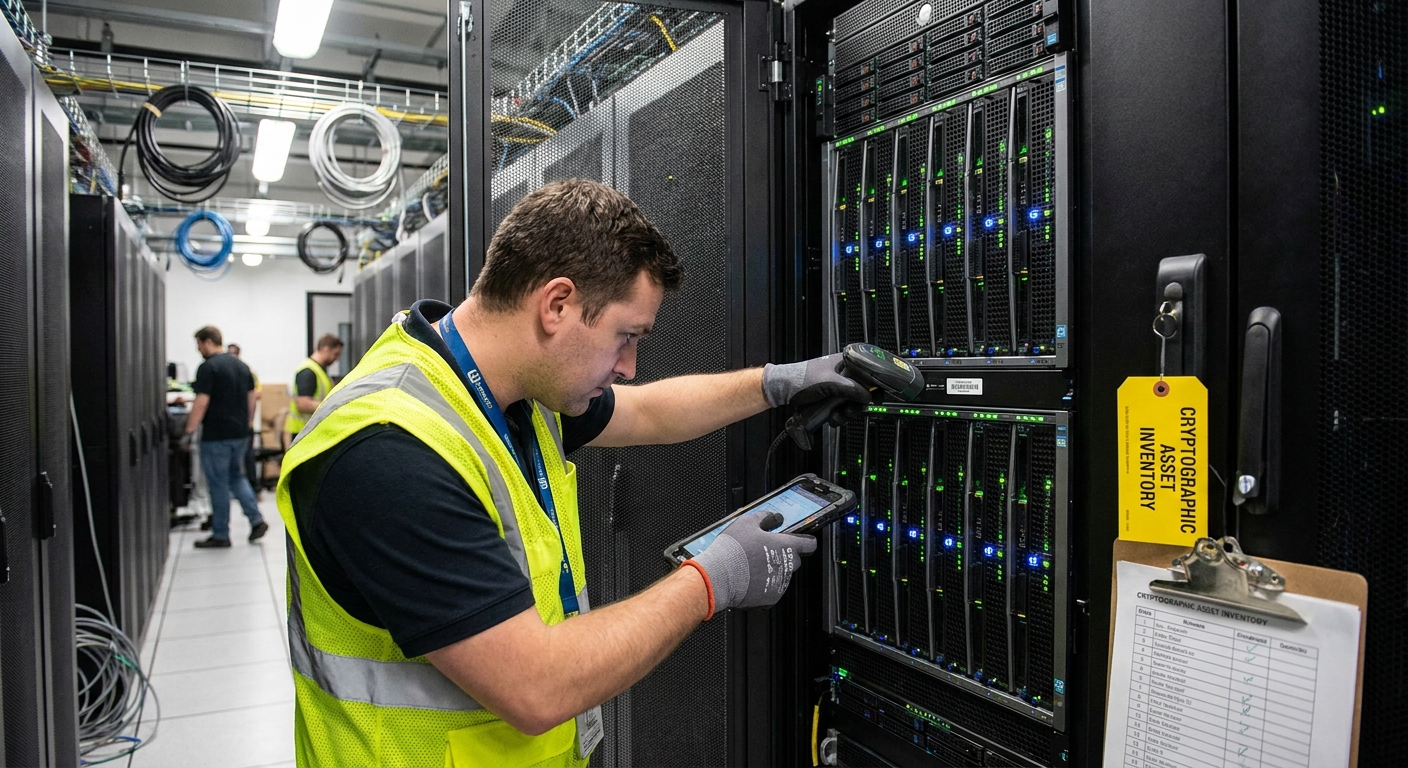
1. Conduct Asset Inventory
Identify all digital and physical assets to understand vulnerabilities in your network.
2. Perform Risk Assessments
Evaluate your cybersecurity posture against industry benchmarks to identify weaknesses.
3. Implement Robust Security Measures
Enhance security with multi-factor authentication, network segmentation, and regular software updates.
4. Develop Incident Response Plans
Establish protocols for responding to cyber incidents, including stakeholder communication and damage control strategies.
5. Create Business Continuity Plans
Ensure operational resilience through a documented plan that outlines emergency procedures and data protection measures.
6. Obtain Cybersecurity Insurance
As insurers tighten coverage requirements, maintaining comprehensive cybersecurity measures becomes essential for eligibility.

Securing Vendor Relationships
Manufacturers often rely on third-party vendors, creating additional risks. Cybersecurity experts advise that manufacturers assess the security practices of their vendors to mitigate these risks effectively.
In light of the increasing cyber threats, it is crucial for manufacturing companies to enhance their cybersecurity frameworks by adopting comprehensive strategies and understanding the evolving landscape of cyber threats.
Explore our services to bolster your cybersecurity defenses. For more information, please visit Gopher Security or contact us today!