Enhancing Cybersecurity with Databricks' AI-Powered Data Intelligence

Databricks Enhances Cybersecurity with Data Intelligence and AI

Image courtesy of TechTarget
Databricks Data Intelligence for Cybersecurity
Databricks has launched the Data Intelligence for Cybersecurity, a suite designed to help organizations combat increasing data security threats using AI. This suite incorporates features such as agents and AI-powered dashboards for real-time insights. The platform is built to unify security data, allowing users to monitor their organization’s data landscape effectively. Databricks' new initiatives come as organizations increasingly rely on AI tools, which can inadvertently increase their exposure to cyberattacks if not governed properly. The suite is designed to mitigate these risks by leveraging its platform for enhanced data governance and security measures.
- Databricks customers can now build agents in the Agent Bricks development environment to address cybersecurity threats.
- The suite integrates with various security partners, including Abnormal AI, BigID, and Deloitte, enhancing the overall cybersecurity infrastructure for organizations.
Protecting Data Against Cyber Threats
The rise in malware threats, particularly encrypted malware attacks, has highlighted the need for robust cybersecurity measures. According to Exploding Topics, encrypted malware attacks surged by 93% in 2024. Traditional data governance frameworks have been pivotal in safeguarding proprietary data, but the emergence of AI necessitates enhanced governance frameworks for AI assets.
- David Menninger, an analyst at ISG Software Research, emphasizes the challenge of aggregating telemetry data across an enterprise, which can introduce latency in threat detection. Databricks aims to address these challenges through its platform.
- The importance of managing identities in the face of increasing AI application usage has also been noted, as the number of identities that require tracking continues to rise.
Collaboration with DataBahn

Image courtesy of Databricks
Databricks has partnered with DataBahn to revolutionize the management of cybersecurity data. The integration of DataBahn’s AI-powered pipelines with Databricks enables organizations to transform chaotic telemetry into actionable insights.
- DataBahn’s approach emphasizes the importance of treating security data as a continuous resource rather than mere storage. This shift allows for faster threat detection and response.
- The collaboration focuses on providing enterprises with a cohesive data intelligence platform, allowing them to process vast volumes of data while filtering out low-value telemetry.
Features of the Data Intelligence Platform
The Data Intelligence Platform combines various elements to enhance cybersecurity operations:
- Security Lakehouse: Unifies security, IT, and business data into a central lakehouse, enabling cost-effective analytics without vendor lock-in.
- Secure Agents: The Agent Bricks feature allows teams to build secure, production-ready AI agents that enhance detection and response capabilities.
- Governance and Compliance: Unity Catalog ensures strong governance through data lineage tracking and centralized auditing, meeting regulatory requirements effectively.
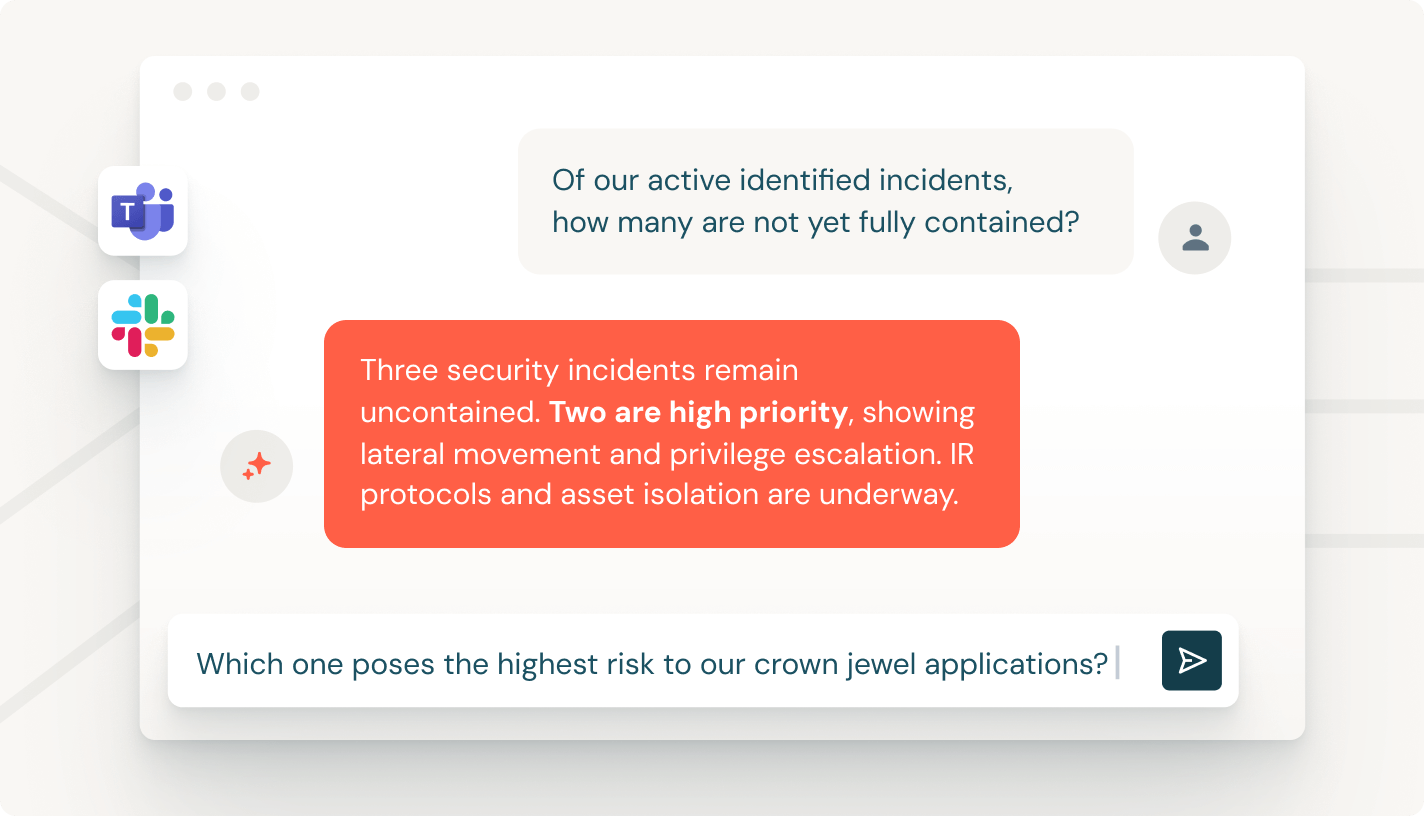
Image courtesy of Databricks
Enhanced Threat Detection with AI
The Databricks platform enhances threat detection through its advanced analytics capabilities. By integrating real-time analytics and AI, security teams can process petabytes of threat data more efficiently. The platform allows for collaborative workspaces, enabling data scientists and security analysts to develop powerful machine learning models for improved detection.
- Organizations can utilize Databricks to gain a comprehensive view of their data, streamlining threat detection and resolution processes.
- The solution brief highlights the potential for Databricks to augment existing cybersecurity solutions, providing a unified approach to threat analysis.

Image courtesy of Databricks
Future Enhancements
Databricks is committed to enhancing the Data Intelligence for Cybersecurity by incorporating more AI-powered automation and expanding integrations with security partners. As the landscape of cybersecurity evolves, Databricks aims to provide a robust platform that not only addresses current challenges but also anticipates future needs.
- The company plans to add features that will further unify data management and improve threat response times.
- Expanding partnerships with cybersecurity vendors is crucial to enhancing the ecosystem and maintaining a competitive edge.
The advancements in Databricks' cybersecurity solutions mark a significant step forward in addressing the complexities of modern cybersecurity threats, leveraging AI to create a more secure environment for organizations worldwide.