Godfather Malware: A New Threat to Android Banking Apps

Godfather Malware Threat Overview
A New Threat in Disguise
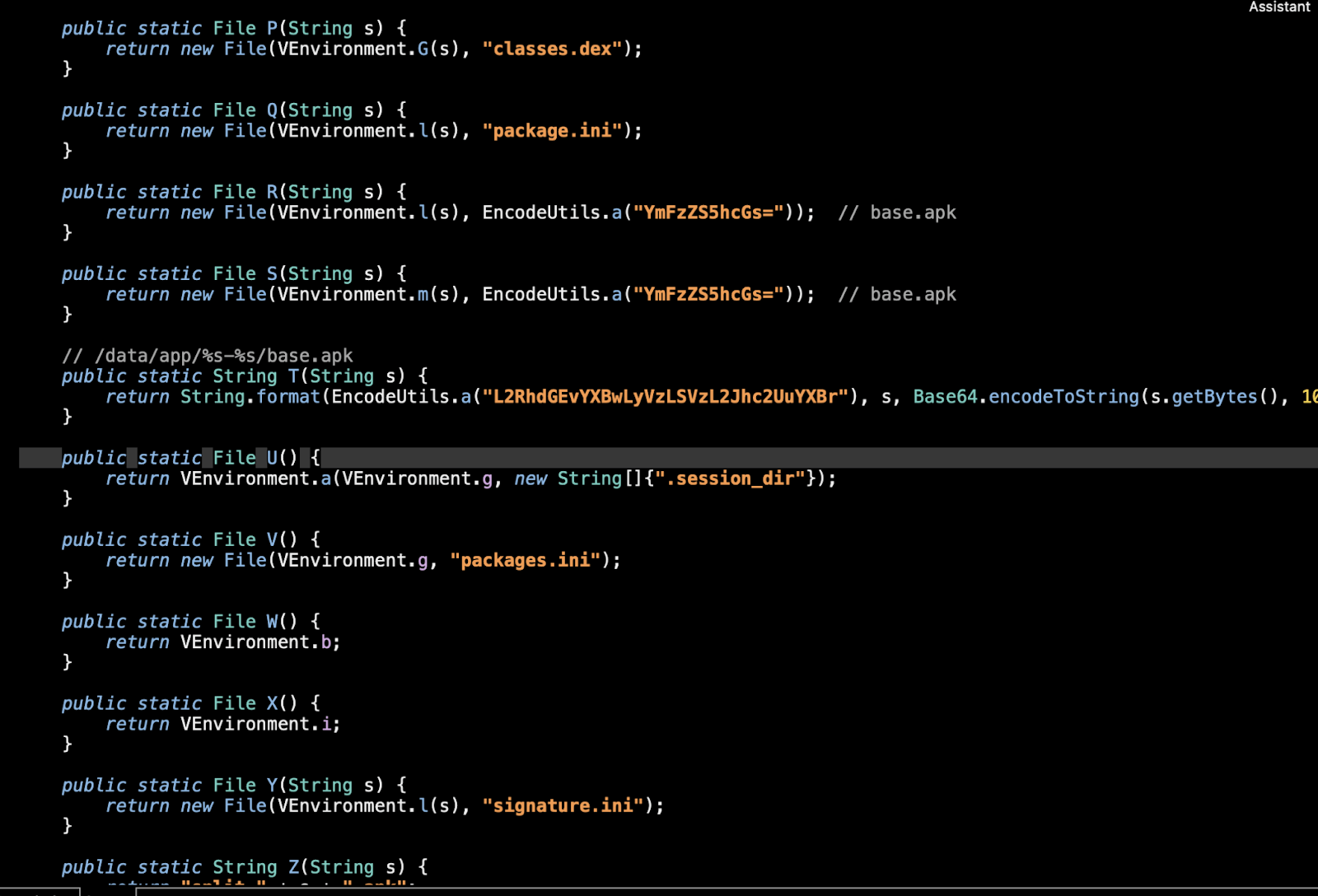
The Godfather malware is a sophisticated banking trojan targeting legitimate banking apps. It has already affected over 400 financial institutions globally, creating a significant risk for users. The malware tricks users into submitting sensitive financial data by mimicking trusted applications. Its capabilities include stealing login credentials, intercepting two-factor authentication codes, and draining accounts rapidly. For more details on this threat, see the Republic Bank of Chicago report.
How the Malware Operates Under the Radar
Godfather malware is distributed through fake updates, unofficial app stores, or cloned popular apps. Once downloaded, it activates in the background. When users log into their banking apps, a fake login screen overlays the original, capturing login details. This malware can monitor keystrokes, intercept messages, and disable antivirus software. For more insights, refer to American Banker.
Targeted Applications
Zimperium zLabs has identified that Godfather targets nearly every major national bank and popular financial applications in the U.S. and Europe. This includes prominent investment firms and peer-to-peer payment platforms. Such widespread targeting emphasizes the need for robust mobile security strategies among financial institutions. Learn more about the targeted applications in the Zimperium analysis.
Virtualization Techniques for Hijacking
The Godfather malware employs advanced on-device virtualization techniques. It creates a host application that runs a virtualized version of the targeted banking or cryptocurrency application. This allows attackers to monitor and control user interactions in real time. Because users interact with what appears to be the legitimate app, detection becomes nearly impossible. For a deeper dive into the virtualization tactics, see the American Banker.
Security Implications for Android and iOS
Android’s open-source nature makes it more vulnerable to security threats, as it allows for extensive customization but at the cost of exposing users to various attacks. The Google Play Protect service scans for harmful applications but cannot always detect zero-day vulnerabilities. In contrast, Apple's iOS features a more secure environment, though it is not completely immune to threats. The ongoing regulatory scrutiny on both platforms may reshape mobile security dynamics, which is crucial for protecting sensitive banking information.
Recommended Protective Measures
Users should only download apps from official sources like the Apple App Store or Google Play. Regular updates and close scrutiny of application permissions are essential. Enabling two-factor authentication and using reputable security applications can add layers of protection. For advanced security solutions, Gopher Security specializes in AI-powered, post-quantum Zero-Trust cybersecurity architecture. Our services include:
- AI-Powered Zero Trust Platform
- Advanced AI Authentication Engine
- Secure Access Service Edge (SASE)
- Cloud Access Security Broker
For detailed security strategies and offerings, visit Gopher Security.
Evolving Threat Landscape
The evolution of Godfather malware demonstrates the increasing sophistication of cyber threats. As it adapts to bypass security measures and employs virtualization techniques, financial institutions must stay vigilant. Continuous monitoring and advanced security solutions are essential in combating such threats. For more information, refer to the Zimperium report.
Gopher Security offers comprehensive solutions to help protect against these evolving threats. Explore our services or contact us to learn how we can help safeguard your organization.