New Defense Bulletin Highlights Urgent Need for Quantum Readiness Against Harvest Now Decrypt Later Threats

TL;DR
- HNDL attacks involve stealing encrypted data now to decrypt with future quantum computers.
- Historical data is permanently exposed once in the hands of malicious actors.
- Organizations must prioritize cryptographic agility and post-quantum standards immediately.
- Distributed ledgers face unique, retroactive vulnerabilities to quantum decryption methods.
The cybersecurity world is staring down a barrel, and for once, the threat isn't just about today’s ransomware or a clever phishing scheme. We’re talking about "Harvest Now, Decrypt Later" (HNDL) attacks—a strategy that turns time itself into a weapon. A fresh report from the Cyber Threat Alliance, Approaching Quantum Dawn, makes one thing painfully clear: if you aren't thinking about cryptographic agility now, you’re already behind.
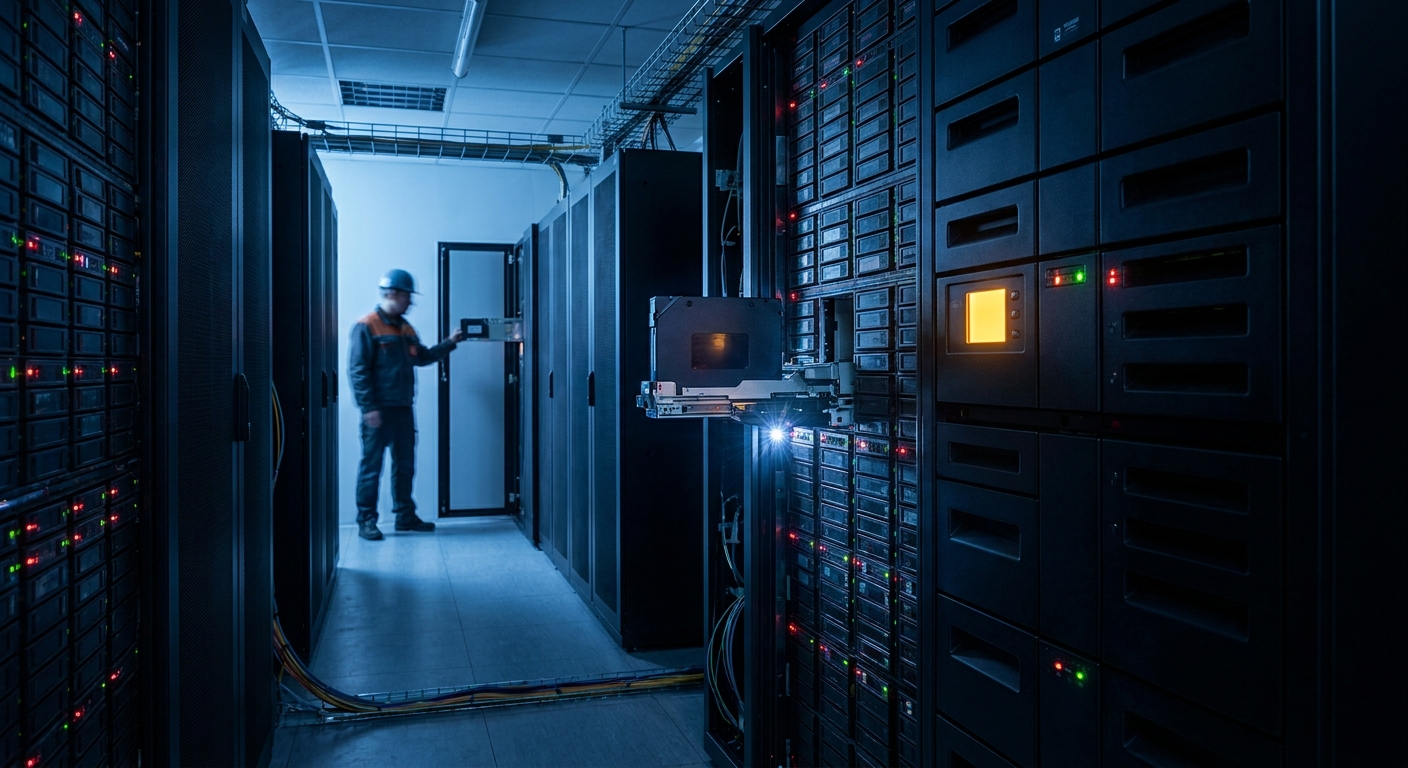
The premise is simple, cold, and terrifying. Adversaries are scooping up mountains of encrypted data today, hoarding it in massive digital vaults, and waiting. They don’t need to break your encryption right now. They’re betting that in a few years, Cryptographically Relevant Quantum Computers (CRQCs) will make today’s "unbreakable" standards look like a child’s puzzle. Once that quantum dawn breaks, your secrets—the ones you thought were tucked away safely—will be laid bare.
Because this data is being vacuumed up right now, the damage is effectively retroactive. You can’t "un-harvest" a file once it’s in the hands of a state actor or a sophisticated criminal group. The window for protection isn't just closing; it’s slamming shut. Moving to post-quantum cryptography (PQC) isn't some academic exercise for the distant future. It’s a survival requirement for any organization that cares about its data staying private for more than a few years.
The Mechanics of the HNDL Threat
Think of the HNDL threat as a three-act play. First, there’s the collection: adversaries target high-value troves—government records, healthcare databases, intellectual property—and exfiltrate them. Second, the storage: they sit on this data, waiting for the technology to catch up. Finally, the decryption: they apply Shor’s algorithm to crack the RSA and elliptic-curve encryption that currently keeps the world’s secrets locked away.
According to research from the Federal Reserve, this is particularly nasty for distributed ledger networks. As highlighted in the Finance and Economics Discussion Series (FEDS 2025-093), the very nature of these ledgers—their transparency—is their Achilles' heel. Every transaction in history is sitting there, waiting to be harvested. While we can patch protocols to be quantum-resistant later, that doesn’t change the fact that the historical ledger remains exposed. Once the quantum genie is out of the bottle, that history is an open book.
Assessing Quantum Readiness
The Cyber Threat Alliance report from February 2026 tosses out the "myth of predictable warning." We like to think we’ll have a decade of lead time before quantum computers become a real-world threat, but the math suggests otherwise. The report argues that "quantum volume"—a sophisticated mix of qubit counts and error rates—is the real metric to watch. And by that metric, the timeline is shrinking.
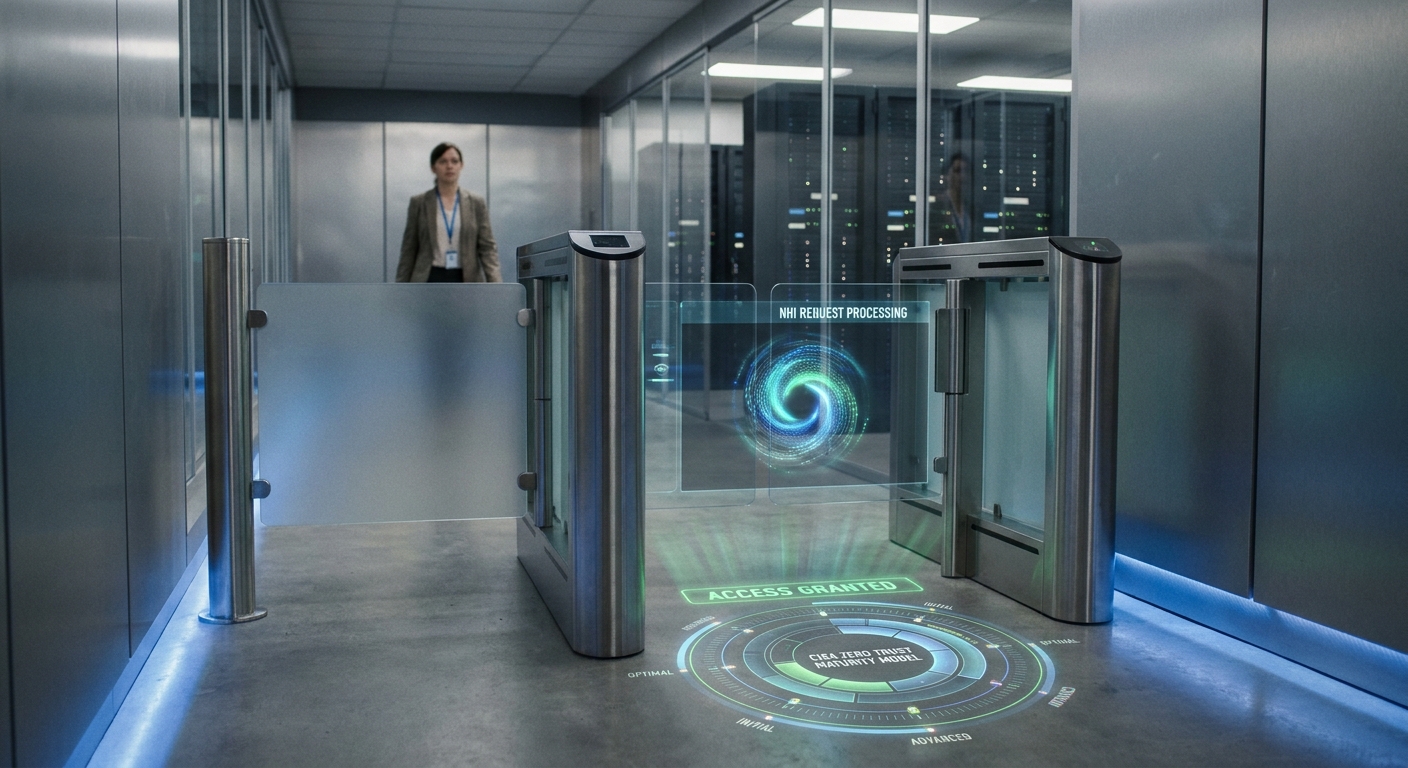
So, how do you actually prepare? The report champions a "Universal Cryptographic Agility Maturity Model." It’s a collaborative roadmap involving heavy hitters like Cisco, Fortinet, and Palo Alto Networks. It boils down to a few non-negotiable pillars:
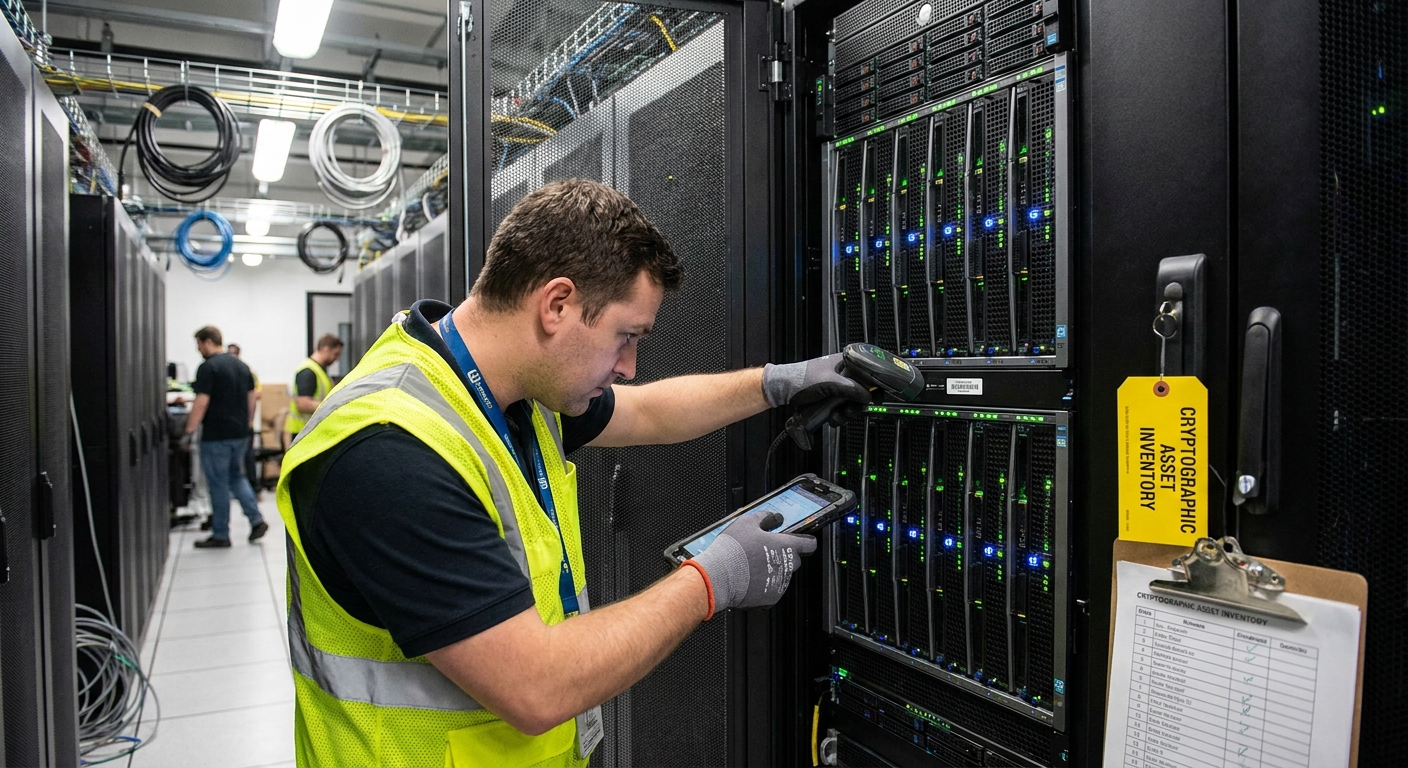
- Cryptographic Inventory: You can't protect what you don't know you have. You need a full audit of every system and data flow currently relying on public-key cryptography.
- Cryptographic Agility: Stop hard-coding your security. You need systems that allow you to swap out cryptographic primitives on the fly without tearing down your entire infrastructure.
- Post-Quantum Migration Planning: If your data needs to stay secret for a decade or more, move it to quantum-resistant algorithms yesterday.
- Risk Assessment: Be honest about what HNDL actually means for your specific intellectual property and regulatory obligations.
Comparative Impact of Quantum Threats
| Asset Type | Primary Vulnerability | Mitigation Strategy |
|---|---|---|
| Healthcare Records | Long-term privacy loss | Early migration to PQC |
| Intellectual Property | Future decryption of exfiltrated data | Cryptographic agility/rotation |
| Distributed Ledgers | Historical transaction exposure | Protocol-level PQC transition |
| Government Records | Long-term confidentiality breach | Quantum-resistant standards |
The Urgency of Cryptographic Agility
The research from the Federal Reserve hits on a hard truth: there is a massive gap in how we handle decentralized networks. Post-quantum crypto can secure the future of a network, but it can’t reach back in time to lock the door on data that’s already been stolen. This is why we have to be proactive. If you’re waiting for a "quantum event" to trigger your security upgrade, you’ve already lost. Your data has likely been sitting in an adversary’s server for years, just waiting for the right key to be forged.
As Palo Alto Networks Cyberpedia notes, the value of data is often measured in decades. If you’re a government agency or a biotech firm, the secrets you hold today are still going to be sensitive in 2040. If you don't secure them now, you aren't just risking a breach; you’re practically handing your future to whoever is watching.
This requires a fundamental shift in mindset. We have to stop treating encryption as a "set it and forget it" utility. It’s a living, breathing component of your infrastructure that needs constant assessment. By adopting the maturity models pushed by the Cyber Threat Alliance, enterprises can start building the kind of resilience that actually holds up when the rules of the game change.
The end goal is simple: implement standards that can withstand the raw, brute-force computational power of the quantum era. Agility is the only real defense against the unknown. If you can swap out a failing algorithm for a secure one before the threat fully matures, you survive. If you can't, you’re just waiting for the clock to run out. Start that inventory today. The quantum era isn't coming; it’s already here, and it’s recording everything.