Ransomware Attacks Target Russian Vodka and Healthcare Sectors

Russian Vodka Maker Beluga Hit by Ransomware Attack
The Novabev Group, parent company of the Beluga vodka brand, experienced a ransomware attack on July 14, 2025, causing significant disruptions. The attack affected WineLab, the company's liquor store chain, leading to a three-day closure of over 2,000 locations in Russia. The company reported that the attack crippled its IT infrastructure, particularly point-of-sale systems and online services. Novabev Group stated, "The company maintains a principled position of rejecting any interaction with cybercriminals and refuses to fulfill their demands."
Initial investigations suggest customer data has not been compromised. The attackers' identity remains unknown, and no group has claimed responsibility. The cyberattack halted product shipments, with estimations of losses reaching 300 million rubles daily, equating to approximately $3.8 million. Novabev Group is currently working with cybersecurity experts to restore operations and enhance security measures.
Microsoft Teams Exploited to Deliver Matanbuchus Ransomware
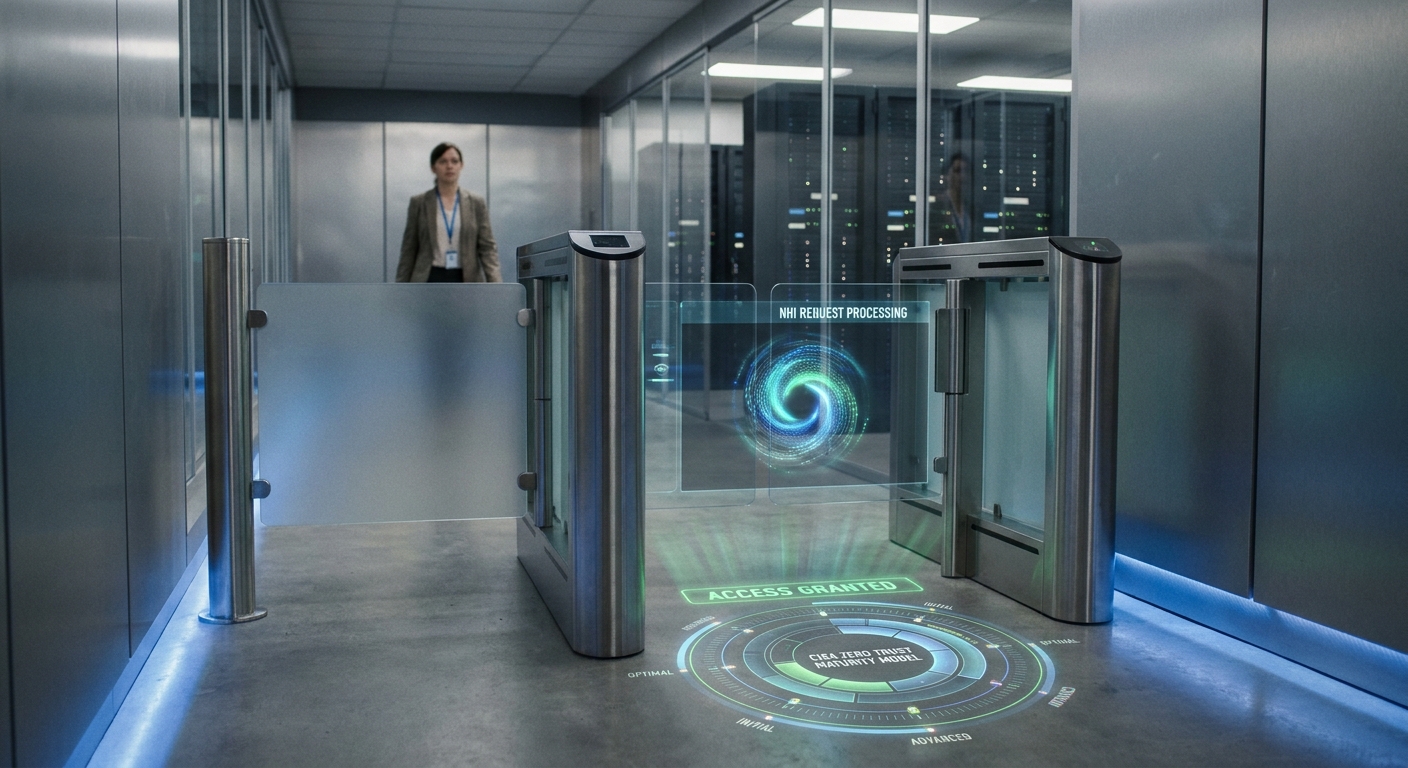
A sophisticated cyberattack campaign has exploited Microsoft Teams to deliver the Matanbuchus 3.0 ransomware payload. This malware loader is designed to act as a precursor to larger attacks, targeting organizations through impersonation tactics. The campaign highlights the critical need for advanced security measures, including AI-Powered Zero Trust frameworks, to safeguard communication platforms against these evolving threats.
Cybersecurity experts recommend implementing AI Inspection Engines to monitor traffic and detect anomalies associated with such campaigns. Organizations are urged to adopt comprehensive security policies that leverage Post Quantum Cryptography for enhanced data protection.
0-Day RCE Flaw in SonicWall SMA Devices
Google's Threat Intelligence Group uncovered a cyberattack campaign targeting SonicWall Secure Mobile Access (SMA) 100 series appliances. The exploitation of a 0-day Remote Code Execution (RCE) flaw allowed attackers to deploy ransomware across affected systems. The vulnerability underscores the importance of maintaining a robust patch management strategy and employing Granular Access Control to minimize exposure to critical systems.
Organizations should consider implementing Micro-Segmentation within their networks to isolate vulnerable components and reduce the potential impact of such attacks. Continuous monitoring and vulnerability assessments are essential to defend against similar threats.
Authorities Take Down ‘Diskstation’ Ransomware Gang
In a significant operation, Italian State Police and international partners dismantled the Diskstation ransomware gang, which targeted Synology NAS devices globally. The group's removal is a pivotal step in combating ransomware operations. During this time, organizations are encouraged to bolster their security posture through solutions like Secure Access Service Edge (SASE) and Cloud Access Security Broker frameworks to enhance their defense mechanisms against future threats.
Arkana Ransomware Gang Claims Theft of 2.2 Million Customer Records
The Arkana ransomware group recently claimed responsibility for a high-profile attack on WideOpenWest (WOW!), a notable internet service provider. The breach reportedly involved the theft of personal records for 2.2 million customers. This incident highlights the necessity for organizations to implement advanced security measures, including AI-driven cybersecurity solutions, to mitigate risks associated with data breaches.
Companies should prioritize deploying AI-Powered Zero Trust architectures to secure sensitive data and maintain compliance with evolving regulations. Regular audits and robust incident response plans are crucial for managing potential breaches effectively.
Beware of Bert: New Ransomware Group Targets Healthcare, Tech Firms
A new ransomware group named Bert has been breaching organizations across multiple continents, specifically targeting the healthcare and technology sectors. Researchers from Trend Micro reported that the group employs sophisticated techniques to disable security tools and execute ransomware on both Windows and Linux systems.
Organizations in these sectors should enhance their defenses by utilizing Advanced AI Authentication Engines to strengthen access controls and prevent unauthorized access. Moreover, the implementation of AI Ransomware Kill Switch capabilities can significantly reduce the impact of such attacks.
In the face of increasing ransomware threats, Gopher Security provides comprehensive solutions tailored for businesses across various industries. Our AI-powered, post-quantum Zero-Trust cybersecurity architecture ensures your organization remains protected against evolving cyber threats. Explore our services or contact us at Gopher Security for more information.