Revolutionizing Cybersecurity: The Impact of Agentic AI

TL;DR
- This article covers the transformative impact of generative and agentic AI on cybersecurity operations. It highlights how these technologies automate tasks, improve threat detection, and enable proactive defense strategies, helping organizations adapt to evolving cyber threats.
The AI-native SOC: Reshaping Cybersecurity Operations
The Role of Generative AI
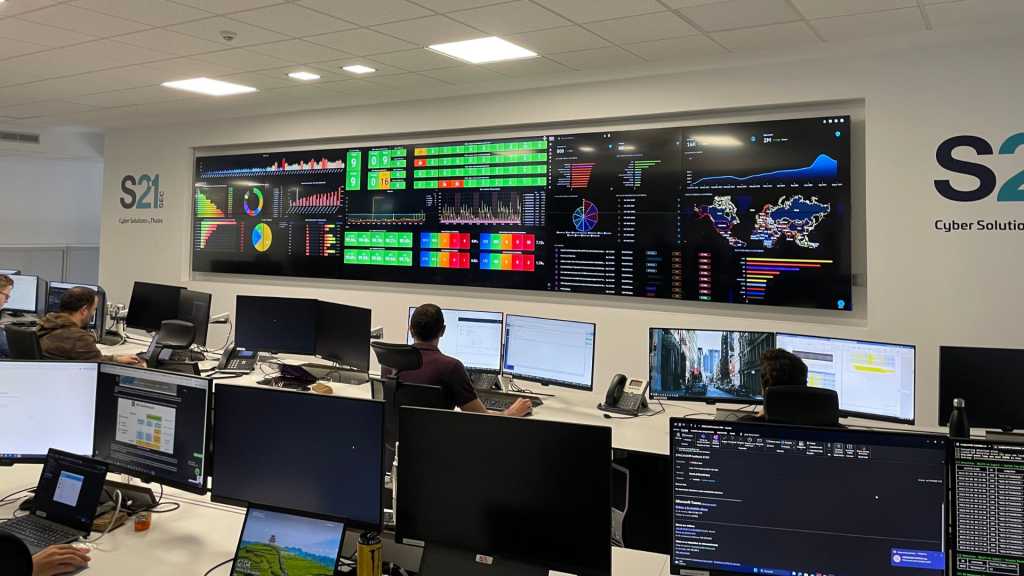
Generative AI (genAI) is enhancing the capabilities of security analysts by automating repetitive tasks.
- Automating mundane tasks: GenAI handles large volumes of log data and threat intelligence feeds, summarizing alerts, drafting incident reports, and creating threat actor profiles. This reduces the fatigue associated with switching between multiple tools.
- Intelligent triage: By synthesizing data from various sources such as SIEM and EDR, genAI provides concise summaries of alerts, significantly reducing false positives and accelerating decision-making on real threats.
- Knowledge democratization: Junior analysts can access extensive threat intelligence databases using natural language prompts, effectively enhancing the operational capacity of the entire team.
As highlighted by Palo Alto Networks, generative AI is a powerful ally in threat detection and cybersecurity automation.
Understanding Agentic AI
Agentic AI provides a spectrum of autonomy in cybersecurity operations.
- Level 1: Recommendation engine. This level offers suggestions to human analysts for decision-making, such as recommending isolation of a host.
- Level 2: Automated actions. Agents can perform low-risk tasks autonomously, like blocking known malicious IPs, improving response times for common threats.
- Level 3: Full autonomy. In critical scenarios, agents autonomously detect suspicious activities and respond without human intervention, essential for rapid threat containment.
This tiered system supports multi-agent operations where agents for detection, analysis, and containment work together, significantly enhancing incident resolution. According to Torq, these systems allow teams to scale and respond to threats faster.
Agentic AI also facilitates proactive threat hunting, continuously scanning networks for indicators of compromise (IOCs) and anomalous behavior. As detailed by Simbian AI, it enables a shift from reactive to proactive defense.
Cyber Resilience and Ethical AI
The integration of generative and agentic AI is transforming the security function, enabling analysts to focus on strategic analysis rather than just data processing.
- Invest strategically: Organizations should prioritize investment in technology and workflow redesign to support autonomous operations.
- Augment talent: Training teams to manage and validate AI's actions is crucial for operating effectively in the AI-native SOC.
The imperative of responsible AI usage cannot be overstated. GenAI and agentic AI present risks if not governed ethically, potentially introducing new vulnerabilities. Transparent and auditable systems are essential for maintaining integrity in cybersecurity practices.
The Impact of Agentic AI on the Threat Landscape
Agentic AI is changing the dynamics of cyber threats, enabling adversaries to automate attacks with greater speed and adaptability.
- Speed: AI-assisted attack development can reduce preparation time by up to 80%, shrinking the detection window for defenders, as noted by the European Union Agency for Cybersecurity (ENISA, 2025).
- Adaptability and evasion: Threats like LAMEHUG use AI to dynamically adapt malware, making traditional signature-based defenses insufficient.
- Scalability: Autonomous AI agents can perform reconnaissance and exploitation tasks, increasing the volume and complexity of threats.
- New attack surfaces: The use of large language models (LLMs) expands attack vectors, including prompt injections and multi-agent compromises.
The shift to agentic AI alters the threat model from tool-assisted to autonomous attacks, complicating attribution and response efforts. The traditional methods of identifying attackers based on signatures are becoming less effective as AI-driven attacks evolve.
Future Implications of Agentic AI
As threats become faster and more sophisticated, organizations must adapt their cybersecurity strategies to integrate agentic AI effectively.
This includes leveraging AI for both offensive and defensive operations, such as generating zero-day exploits and autonomously patching vulnerabilities. Agentic AI's capacity to learn and adapt in real time is essential for maintaining defense effectiveness.
The future of cybersecurity will likely involve a blend of human oversight and AI-driven processes, requiring organizations to rethink their approaches to threat detection, response, and overall resilience.
By understanding and implementing these advanced technologies, cybersecurity teams can stay ahead of evolving threats and enhance their operational capabilities.