Weak Password Leads to Collapse of 158-Year-Old UK Logistics Firm

Ransomware Attack on KNP Logistics
A recent ransomware attack on KNP Logistics underscores the vulnerabilities within corporate cybersecurity. The attack was facilitated by a weak password, leading to the company's shutdown and leaving 700 employees jobless. This incident highlights the catastrophic impact of basic security oversights in an increasingly digital landscape.

Hackers, linked to the Akira gang, exploited a weak password to infiltrate KNP's systems. After gaining access, they encrypted critical data, rendering the company's operations impossible. A ransom note was left, stating, "If you're reading this it means the internal infrastructure of your company is fully or partially dead…". Experts estimate the ransom demand could have been around £5 million. KNP's inability to pay led to complete data loss and operational cessation.
For more information on this incident, refer to sources like HotHardware and BBC News.
The Security Breach Details
The breach at KNP was not an isolated incident but part of a larger trend affecting numerous UK businesses. With over 80% of breaches involving compromised credentials, the reliance on weak passwords poses a significant risk. KNP's outdated IT infrastructure lacked modern security measures such as multi-factor authentication, further exacerbating the vulnerability.
Industry experts stress the importance of strong password management practices. For instance, using unique passphrases or adopting password managers can greatly enhance security. The NCSC advocates for organizations to implement robust cybersecurity frameworks to mitigate risks.

The attack's implications extend beyond KNP, as similar incidents have affected other major firms such as M&S and Co-op, indicating a widespread vulnerability across sectors. Effective security measures and regular audits could help prevent such breaches.
Recommendations for Cybersecurity
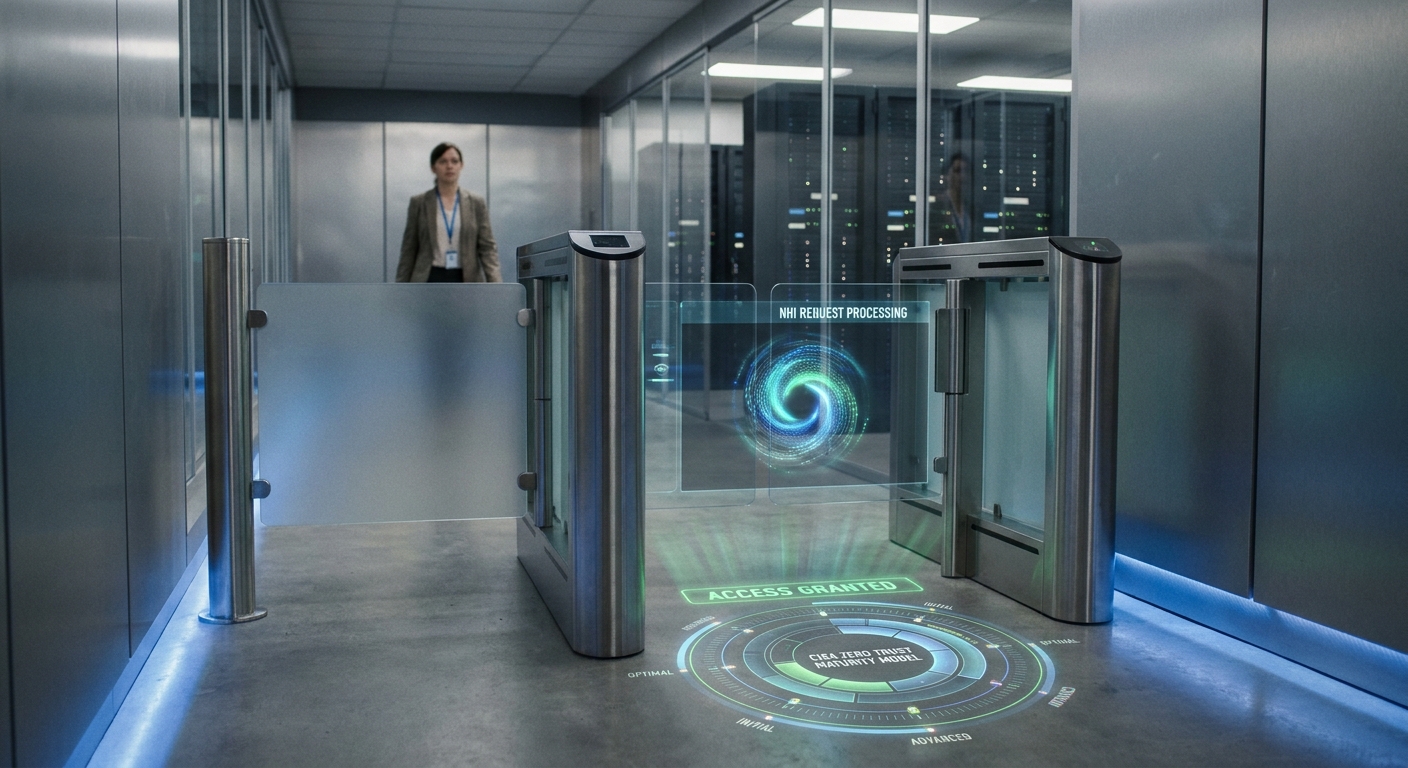
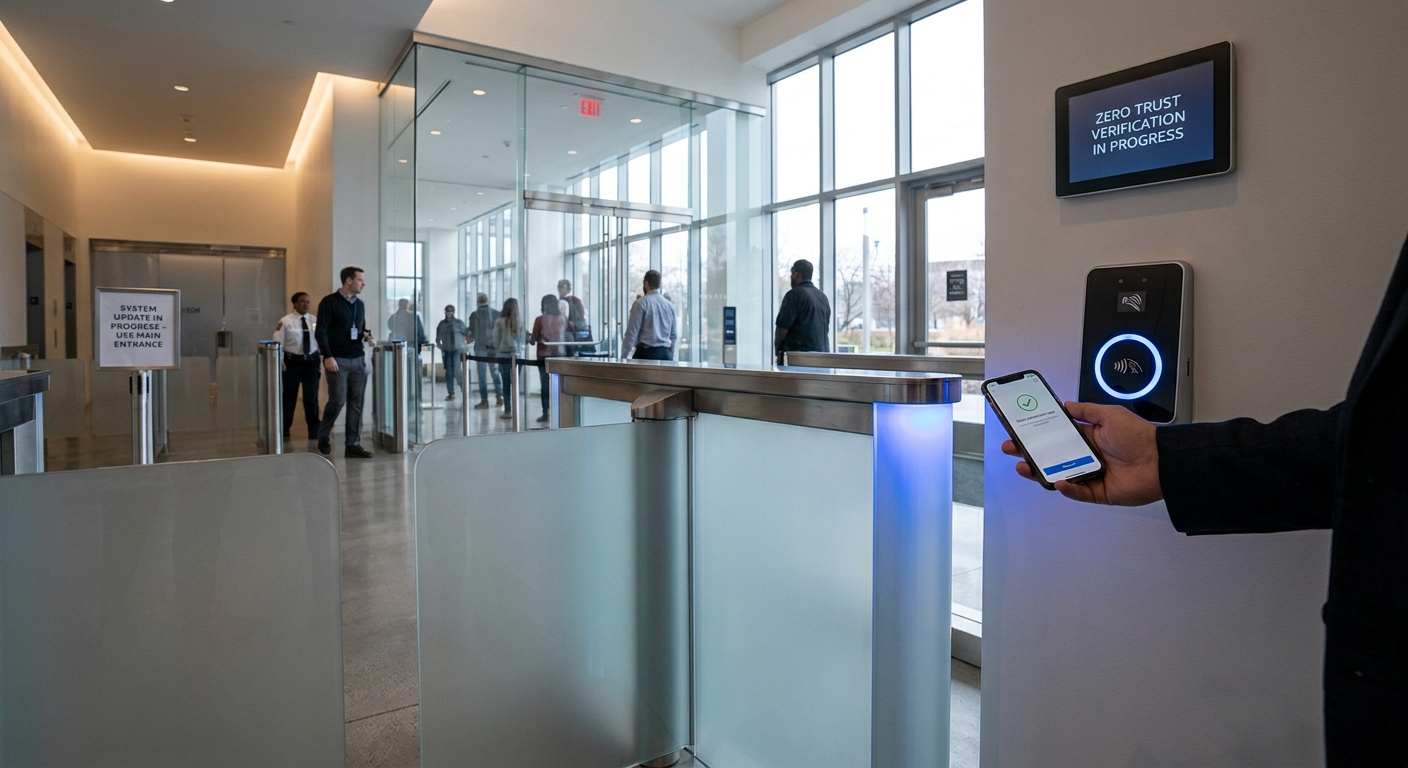
Organizations must adopt a zero-trust architecture, where no user or device is automatically trusted. Implementing multi-factor authentication is critical. This adds an extra layer of security, requiring a second form of verification beyond just a password. Notable platforms like Amazon, Google, and Microsoft offer multi-factor authentication options, which should be utilized.
Additionally, creating strong passwords based on passphrases—using three random words—can significantly enhance security. Organizations should also invest in employee training regarding password security and phishing threats.
For cybersecurity training, consider the Cyber Security Staff Awareness E-Learning Course, which educates staff on essential security practices.
The Importance of Cybersecurity Investment
Investing in advanced cybersecurity measures, such as Gopher Security's AI-Powered Zero Trust Platform, can significantly reduce exposure to ransomware attacks. This platform converges security across various environments, utilizing quantum-resistant cryptography and peer-to-peer encrypted tunnels for enhanced protection.
Other offerings from Gopher Security include:
- Universal Lockdown Controls
- Post Quantum Cryptography
- Advanced AI Authentication Engine
- AI Ransomware Kill Switch
By adopting these technologies, organizations can better protect themselves against evolving cyber threats. The KNP incident serves as a stark reminder of the need for robust cybersecurity practices across all sectors.
For more information on how to enhance your organization's cybersecurity posture, visit Gopher Security to explore our services.