How to Secure MCP Deployments Using Quantum-Resistant Cryptographic Algorithms

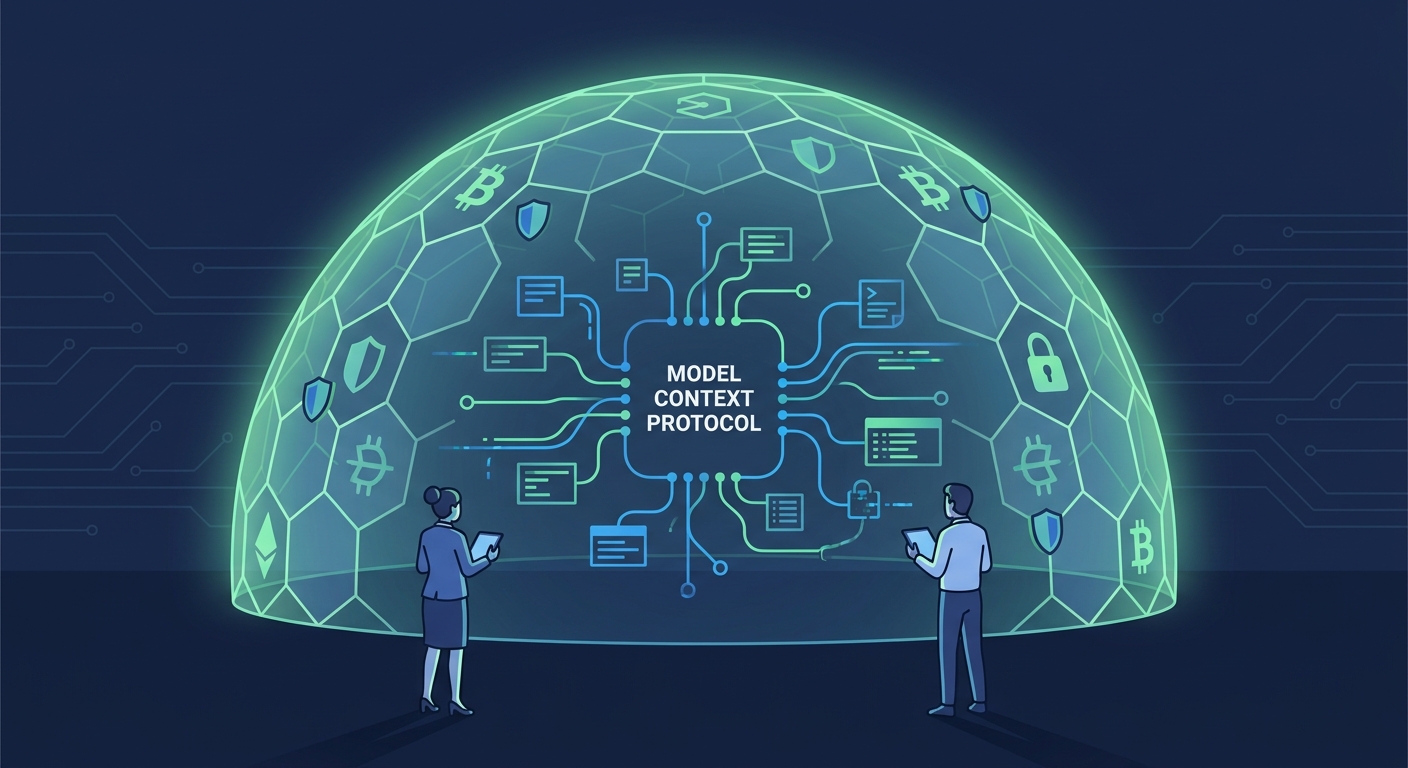
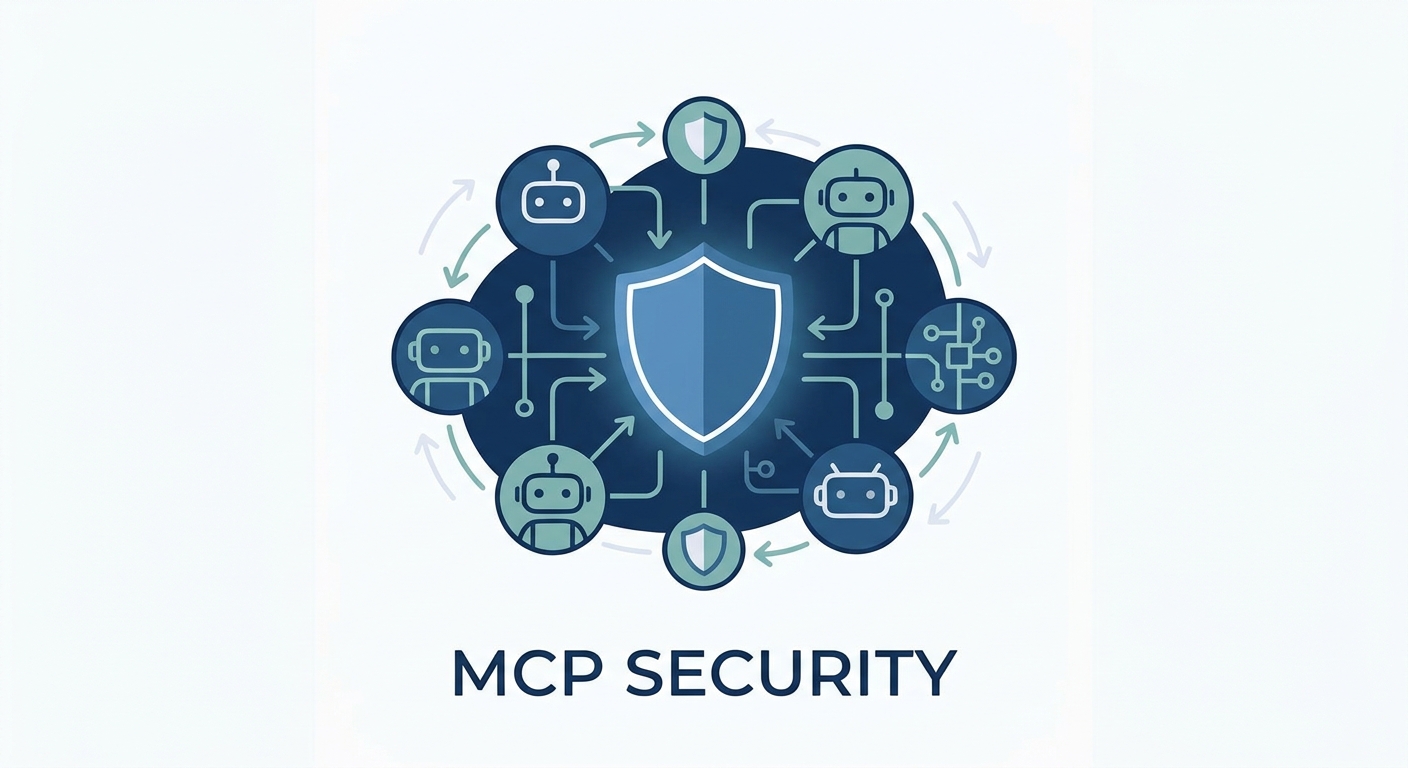
If you’re running AI agents today without a plan for quantum-resistant cryptography, you’re basically handing your proprietary data to hackers on a silver platter. It’s that simple. The Model Context Protocol (MCP) has become the gold standard for plugging AI models into our data, but its decentralized nature is a security disaster waiting to happen. It’s an unmonitored, sprawling attack surface.
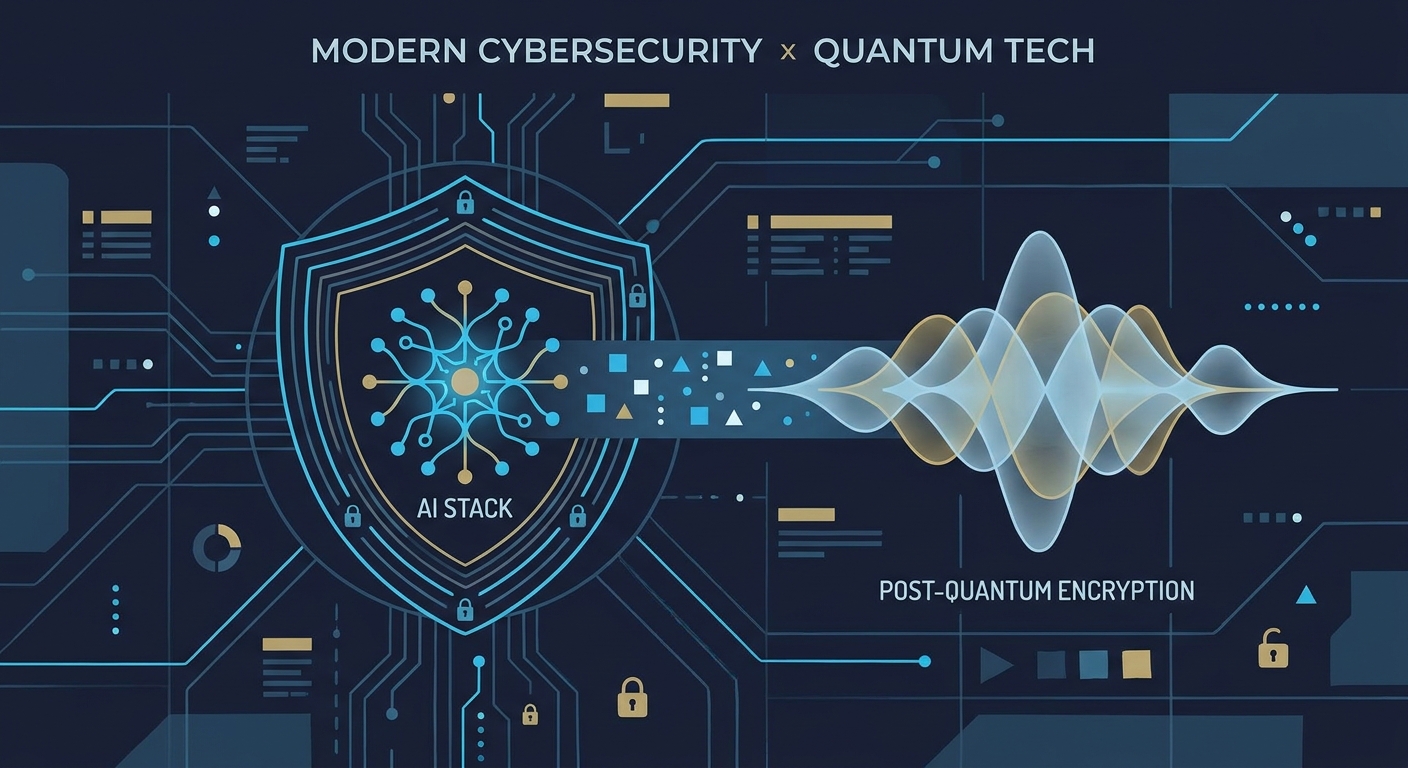
To lock this down, infrastructure teams have to pivot from classical encryption to NIST-approved Post-Quantum Cryptography (PQC). If you don’t, the data you’re transmitting today—right now—is going to be decrypted the second a powerful enough quantum computer hits the market.
Is MCP the New "Shadow IT" of the AI Era?
MCP is a dream for developers. It lets you link LLMs to databases, internal file systems, and tools with almost zero friction. But that frictionless ease? It’s a nightmare for anyone tasked with actually securing the enterprise.
Because MCP is so fluid and allows for bidirectional data exchange, it has quietly morphed into the new "Shadow IT." Developers are spinning up MCP servers to bridge local tools to cloud models, bypassing the centralized oversight that keeps a company safe.
Right now, most orgs are still fumbling with basic API keys instead of using modern, identity-based transport. Without a central gatekeeper, these connections are fragmented. You have no idea what data is leaking, who has access to what, or where your "context" is actually ending up. Organizations ignoring this drift are walking into a trap. If you haven't mapped your AI infrastructure yet, stop what you’re doing and check out these strategies for Building Quantum-Proof AI Infrastructure. You need to bring these wild-west connections under one roof—fast.
Why is the "Harvest Now, Decrypt Later" Threat Critical for AI?
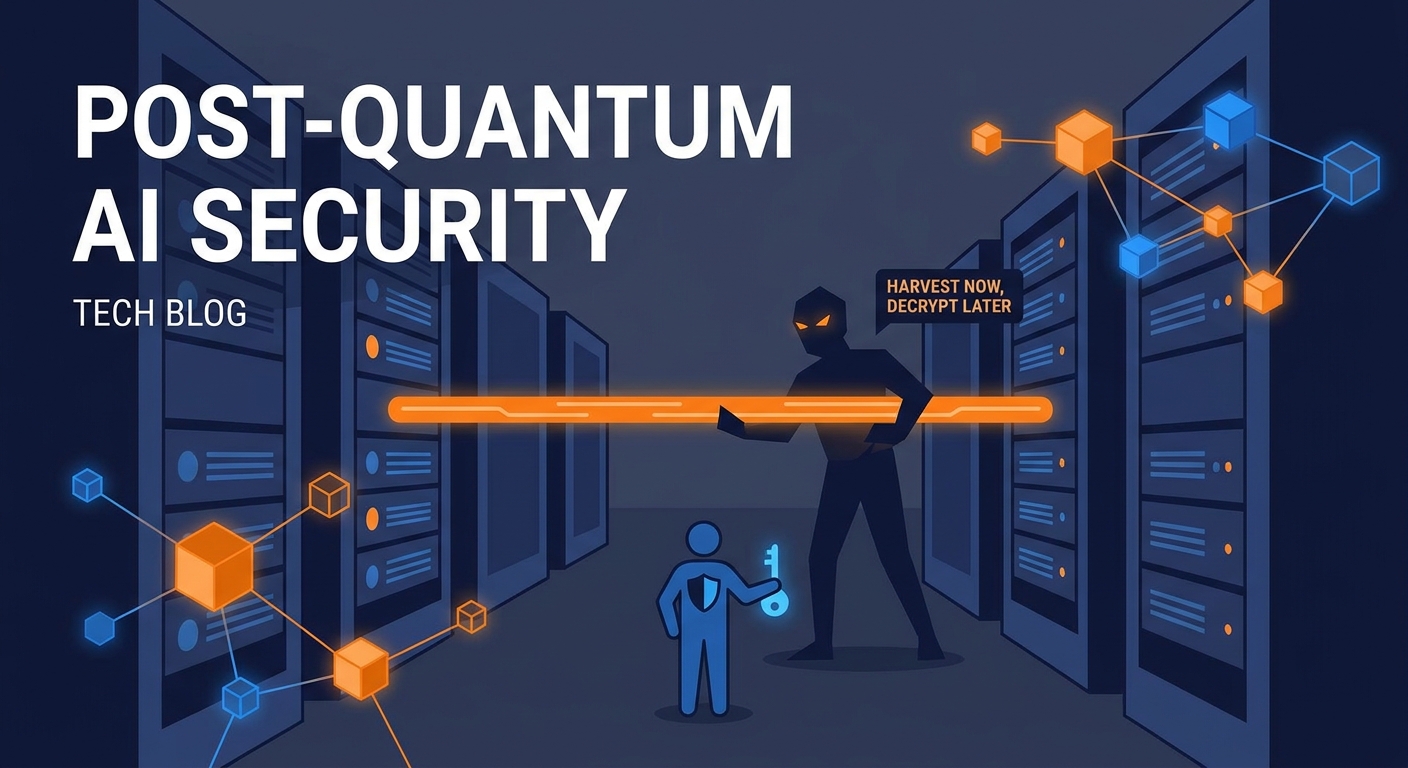
The real danger here is the "Harvest Now, Decrypt Later" (HNDL) strategy. Adversaries are currently slurping up massive volumes of encrypted traffic from AI agents. They can’t read it yet—RSA and ECC are still holding up—but they’re betting on the fact that quantum computers are getting better every single day. Once a cryptographically relevant quantum computer (CRQC) goes live, all that stored data—your trade secrets, your customer PII, your secret sauce—will be wide open.
AI is uniquely vulnerable because it deals in "long-lived" assets. A standard session token dies in an hour. But the context you feed an LLM? That’s often years of business logic and historical data. Once that’s gone, it’s gone forever. You need to switch to algorithms that can actually stand up to quantum processing, and you need to do it yesterday.
What are the Foundational Security Pillars for MCP?
Before you start worrying about quantum math, make sure your basics aren't trash. The Model Context Protocol Documentation is a great starting point for interoperability, but security teams need to layer a "Zero Trust" model on top of those specs.
Start with these three pillars:
- OAuth 2.1: Ditch the static tokens. Use short-lived, identity-bound access tokens that prove both the agent and the MCP server are who they say they are.
- RBAC (Role-Based Access Control): Not every agent needs the keys to the kingdom. If an agent doesn't need to see the production database, don't give it permission. Keep it granular.
- Least Privilege: If an agent is connected to a database, it should only see the specific tables it needs for its current task. Nothing more.
The smartest way to enforce this is via an MCP Gateway. By forcing all traffic through a single, central gateway, you kill the "Shadow IT" blind spots. It gives you one place to inspect traffic, log activity, and—most importantly—actually enforce your security policies.
How Do You Implement NIST-Approved PQC Standards?
The path forward is clear: NIST standards FIPS 203 (ML-KEM), 204 (ML-DSA), and 205 (SLH-DSA). Please, don’t try to rip and replace your entire stack at once. That’s a recipe for a total system collapse. Use a "Hybrid Strategy."
By using a hybrid handshake, you mix classical algorithms (like ECDH) with quantum-resistant ones (like ML-KEM). If a genius finds a flaw in the new PQC math, your classic encryption is still there as a backup. And if someone cracks the classic stuff? The quantum-resistant layer keeps the wall standing.
For the latest on these standards, bookmark the NIST Post-Quantum Cryptography Standards. Using a gateway is the secret sauce here; it offloads the heavy cryptographic lifting from the agents so they stay fast and lean while your transport layer stays iron-clad.
How Can You Achieve "Crypto-Agility" in Your AI Stack?
The biggest mistake I see? Hard-coding crypto libraries into agent logic. Do that, and you’ll be stuck refactoring your entire codebase every time NIST updates a standard or a vulnerability pops up.
You want "crypto-agility." Decouple your security from your agent code by using modular wrappers. Your agent just calls sign() or encrypt(), and the wrapper decides which algorithm to use under the hood. If you need to upgrade your PQC algorithm, you update one library, and your whole fleet of agents gets patched instantly. It’s clean, it’s efficient, and it saves your team from a massive headache later.
How Do You Secure the AI Supply Chain?
Security isn't just about the pipe; it’s about what’s flowing through it. When an MCP server hands you a tool or a data stream, how do you know it hasn't been tampered with?
Treat every MCP tool like it’s untrusted input. Follow the guidance from the OWASP AI Security Project to defend against things like prompt injection and malicious tool execution. If you sign your MCP tool manifests, you can verify exactly where that code came from. You want a clear chain of custody from the developer all the way to the model's output.
Monitoring and Governance: The Role of the Centralized Gateway
If you can’t prove your security works, it doesn’t exist. Your centralized MCP gateway is your audit point. You should be logging more than just connectivity; you need to know how that connection was secured.
Make sure your logs capture:
- Cipher Suite Usage: Did the PQC-hybrid handshake actually work?
- Identity Verification: Which specific agent identity started this request?
- Anomaly Detection: Is there weird traffic that looks like a prompt injection attempt?
If you’re still not convinced this is necessary, check out our FAQ on Securing Model Context Protocol: Why Quantum-Resistant Encryption is Non-Negotiable. Real-time monitoring is the only way to catch a breach before it turns into a catastrophe.
Conclusion: Future-Proofing Your AI Infrastructure
Moving to quantum-resistant crypto isn’t an "extra" project for the IT department. It’s a survival requirement. We’re in a narrow window of time that will decide which companies lose their crown jewels to the HNDL threat and which ones stay secure.
Stop treating your MCP deployments like side projects. Route your traffic through a hardened, quantum-ready gateway. Build for agility. Treat your AI infrastructure with the same level of paranoia you use for your transactional databases. The future of AI security isn't hidden in the old, broken tools of the past—it’s in the resilient, quantum-proof protocols we’re building right now.
Frequently Asked Questions
Why do I need quantum-resistant cryptography for MCP if I'm not a bank or government body?
LLMs are increasingly trained on and provided access to high-value, long-lived intellectual property. Even if your data isn't "top secret" today, the competitive advantage of your proprietary code, R&D data, or strategic internal documents requires protection that lasts for years. If that data is harvested today, it will be vulnerable the moment a quantum computer is available.
Does implementing PQC break existing MCP server compatibility?
Not if you implement it correctly. By utilizing a hybrid-key approach, you allow the MCP client and server to negotiate both classical and PQC keys simultaneously. This maintains backward compatibility with older clients while ensuring that those capable of PQC can establish a quantum-resistant tunnel.
How does MCP security differ from standard API security?
MCP is inherently bidirectional and context-heavy. While standard API security focuses on protecting an endpoint, MCP security must account for the risk of prompt injection through external tool execution and the fact that the protocol is constantly sharing "context"—often highly sensitive internal data—back and forth between the agent and the server.
When should our organization start the transition to PQC for our AI agents?
The migration window is already open. 2026 is the critical year for architectural planning and auditing your existing AI supply chain. Delaying this transition creates significant technical debt and leaves your organization exposed to the growing threat of data harvesting.