Securing the AI Stack: A Blueprint for Post-Quantum AI Infrastructure Security

The days of static, chat-based AI are officially behind us. We’ve moved into the era of autonomous agents—systems that don’t just spit out text, but actively crawl your databases, run scripts, and pull the levers of your core infrastructure.
This is a massive leap forward. It’s also a security nightmare.
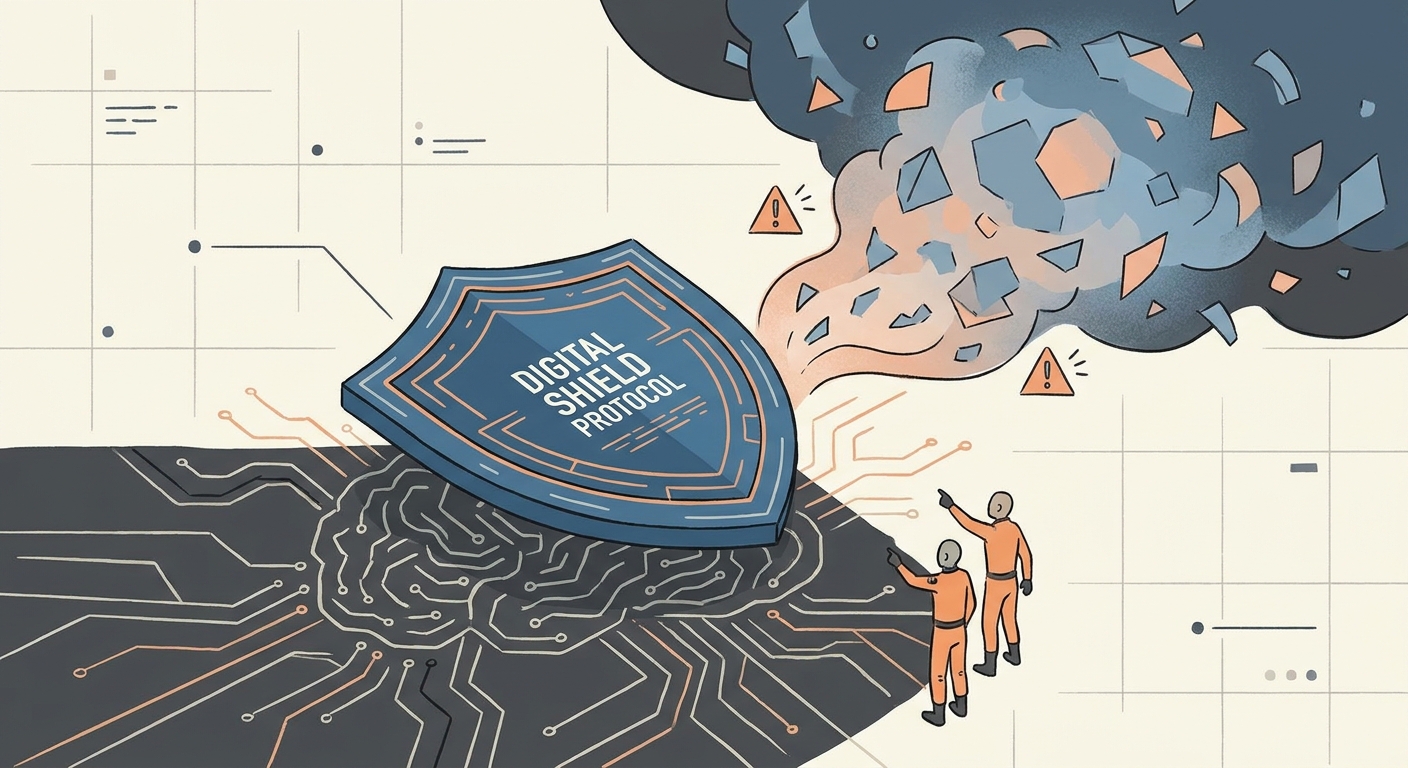
Traditional perimeter defense? It’s dead. As companies rush to adopt the Model Context Protocol (MCP) to bridge the gap between their models and local data, they’re inadvertently punching massive holes in their own firewalls. Legacy tools simply aren't built to watch what an AI agent is doing inside the perimeter. Securing this stack requires a complete mental reset. We need "ResOps"—a security posture that treats data integrity, real-time observability, and quantum-resistant cryptography as the absolute foundation of the pipeline, not an afterthought.
Why Traditional API Security Fails the Agentic Era
If you’re still relying on standard Web Application Firewalls (WAFs) or traditional API gateways to guard your agentic architecture, you might as well be trying to catch smoke with a chain-link fence.
These tools were designed for a different world. They inspect HTTP headers and static payloads. They understand traffic flow, sure, but they have zero concept of intent. They don't know what the AI means to do.
When an agent hits an MCP server, it isn't just sending a REST request; it’s negotiating a context window. It might query a database, process the result, and then—based on that data—trigger a secondary, high-privilege tool. A legacy gateway sees a valid JSON request and waves it through. It has no clue that your agent has been manipulated into exfiltrating your most sensitive records.
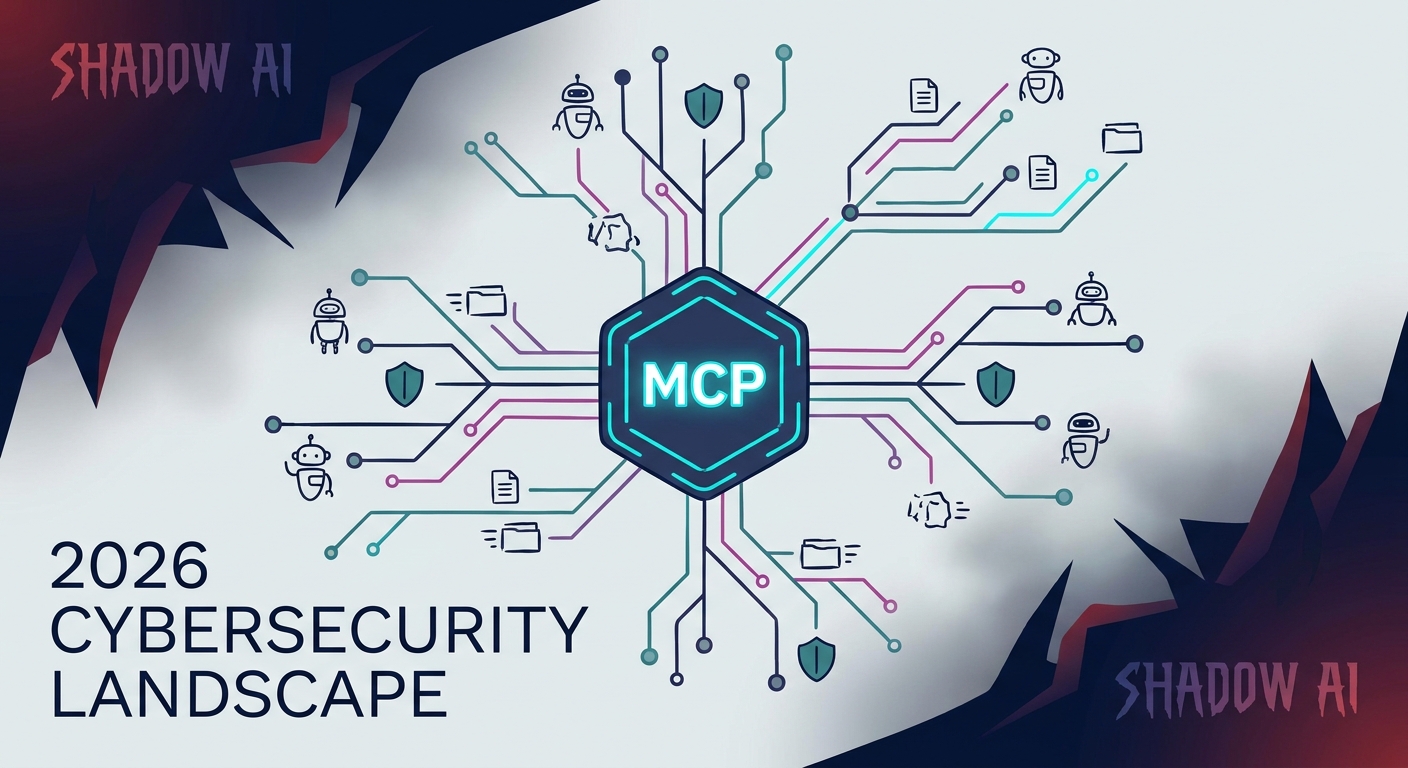
Then there’s the "Shadow AI" problem. Developers are spinning up undocumented MCP servers to bridge agents to internal tools, creating a wild west of unmonitored endpoints. You can’t protect what you can’t see. If you don't know where your agents are talking, you’re already compromised. Before you go any further, you should conduct an AI Security Assessment to map your exposure. You need a baseline before the complexity of your agentic web spirals out of control.
The Vulnerability Catalog: Where is your Stack Leaking?
To lock this down, we have to audit the specific points where modern AI connectivity breaks.
The Transport Layer: Are your connections truly private?
This is your first line of defense, and it’s usually porous. In an agentic architecture, data is constantly moving between agents, MCP hosts, and your backend. If you're relying on standard TLS without rock-solid certificate pinning or mutual authentication, you’re wide open to Man-in-the-Middle (MITM) attacks. An adversary sitting on your network can intercept the context window, effectively reading the agent’s "mind" before it even finishes its task.
Authentication: The Myth of the "Long-Lived Token"
Static credentials are the "keys to the kingdom" for anyone trying to move laterally through your stack. Too many teams are still using hardcoded API keys or tokens that effectively never expire. If an attacker compromises one agent, they have the keys to your entire infrastructure. Authentication needs to be ephemeral. Your tokens should live only as long as a single task cycle—then they should vanish.
Context Integrity: The Peril of Context Poisoning
This is the new frontier of risk, and it’s terrifying. Context poisoning happens when an adversary injects malicious data into the input stream, tricking your agent into acting against your interests. Imagine an agent that summarizes emails. If an attacker forces it to read a weaponized document, they could trigger the agent to exfiltrate data to an external server. Because the agent is authorized, it’s not a hack—it’s an internal process. You need advanced threat detection that inspects the logic of the agent’s decisions, not just the packets on the wire.
Visualizing the Secure AI Pipeline
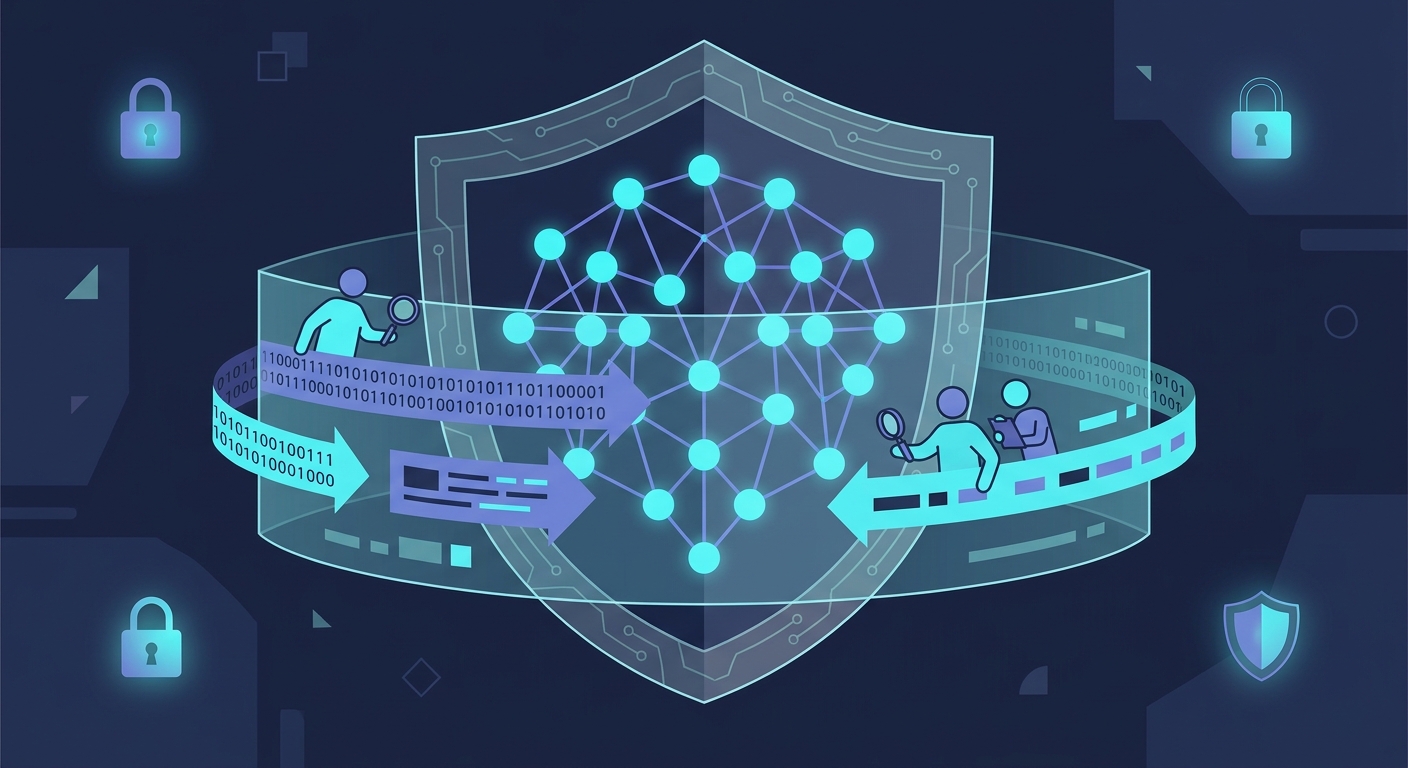
The architecture of a secure agentic environment requires "Control Gates" that sit between the agent and the data source. These gates act as checkpoints for mTLS enforcement and quantum-safe encryption.
How Do We Build a "Quantum-Ready" Blueprint?
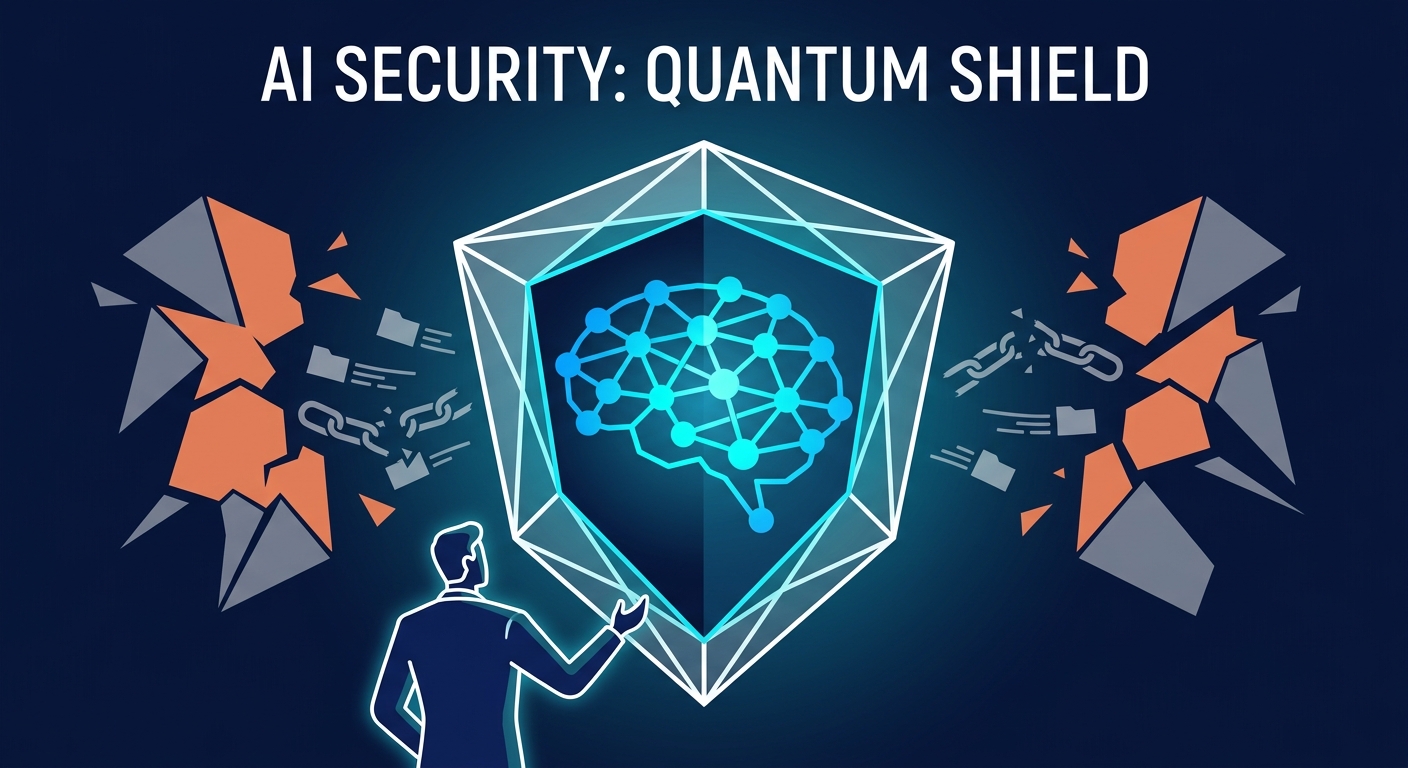
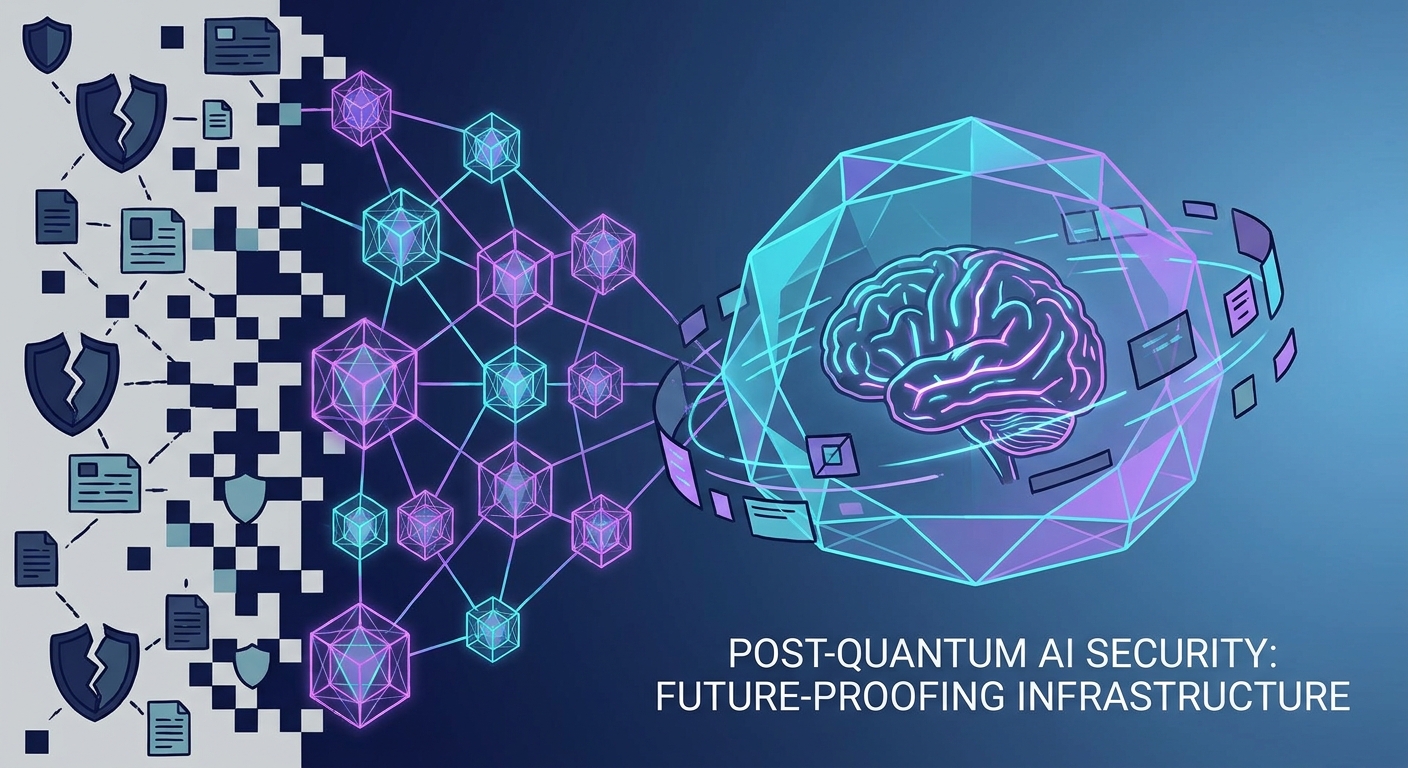
The "Store Now, Decrypt Later" threat is the quiet killer of corporate security. Adversaries are harvesting your encrypted traffic right now, waiting for the day that quantum computing makes current RSA and ECC encryption obsolete. If you're handling sensitive IP or training data, you’re already behind if you aren't planning for crypto-agility.
Adopting NIST Post-Quantum Cryptography Standards—specifically FIPS 203, 204, and 205—is the only way to ensure your data stays private when the quantum era hits.
The 3-Step Quantum-Ready Checklist:
- Inventory your cryptographic assets: You can’t upgrade what you haven't mapped. Catalog every point in your AI stack where TLS is terminated and where your data sits at rest.
- Kill the long-lived tokens: Move to identity providers that issue ephemeral tokens valid for minutes, not days.
- Transition to PQC-compliant algorithms: Work with your infrastructure vendors to swap those legacy TLS handshakes for PQC-ready algorithms. This ensures your key exchange isn't a future-proofed target for decryption.
Balancing Security with Agentic Agility
There is a pervasive myth that security is a friction point—that it slows down the speed of AI deployment. That's a lazy take. A properly architected Zero-Trust framework actually enables agility.
By moving security into the data flow, you allow agents to operate with high degrees of autonomy within a defined, protected sandbox. You aren't building a wall; you're building a lane.
As we look at the 2026 MCP Roadmap, it’s clear the protocol is moving toward more granular, policy-based connectivity. Your security strategy needs to mirror that. Stop trying to lock down the entire stack. Focus on locking down the intent of the agent. By validating the context and the destination, you can let your agents move at light speed, confident that they’ll never wander into unauthorized territory.
Frequently Asked Questions
Why can’t I just use my existing API Gateway to secure my MCP servers?
Standard API gateways operate on the OSI model's lower layers, focusing on packet headers and basic authentication. MCP traffic, however, involves complex, multi-turn context windows. An API gateway cannot perform "deep context inspection" to detect if an AI agent is being tricked into a prompt-injection attack or an unauthorized data retrieval. You need a specialized layer that understands the agentic workflow.
Is "Post-Quantum" security necessary for AI right now?
Yes. While a cryptographically relevant quantum computer may be years away, the "Store Now, Decrypt Later" strategy means that data intercepted today remains vulnerable. If your AI agents are processing proprietary training data or sensitive user information, that data is already being targeted for future decryption. Preparing now is a matter of long-term data sovereignty.
What is the biggest security risk for AI agents in 2026?
Context Poisoning. As agents become more autonomous, they rely heavily on the data they ingest from their environment. If an attacker succeeds in poisoning that context, they can trick the agent into performing malicious actions on the infrastructure, effectively turning your own AI systems against you.
How do I implement crypto-agility without refactoring my entire stack?
Start with a phased approach. Begin by centralizing identity management to enforce short-lived, ephemeral tokens for all MCP connections. Once your identity layer is secure, move to the network layer, upgrading your TLS termination points to support PQC algorithms. This allows you to harden the stack incrementally without requiring a total infrastructure overhaul.