Top 5 Strategies for Post-Quantum AI Infrastructure Security in 2026

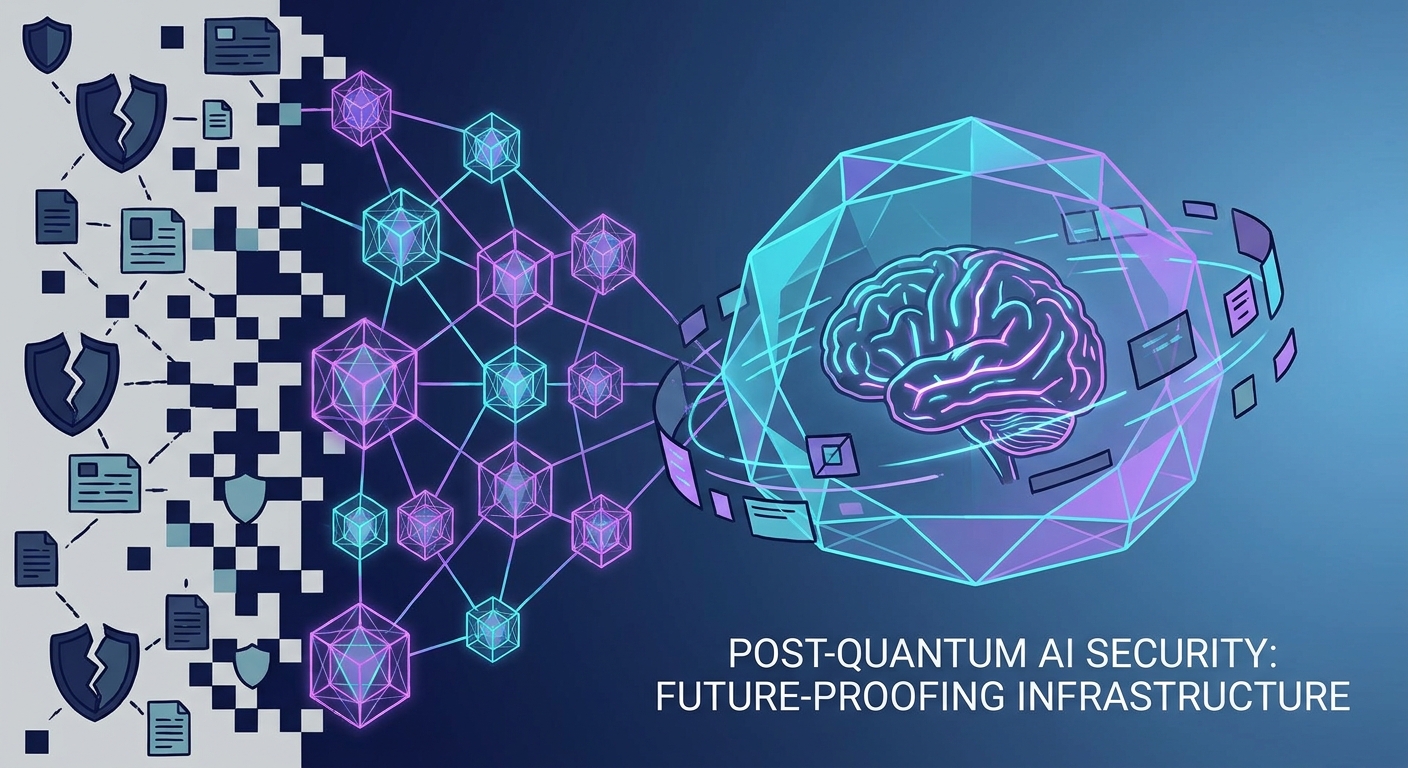
The old security perimeter is dead. If you’re still relying on the classic "castle-and-moat" strategy to protect your AI stack, you’re not just behind the curve—you’re basically leaving the keys in the ignition.
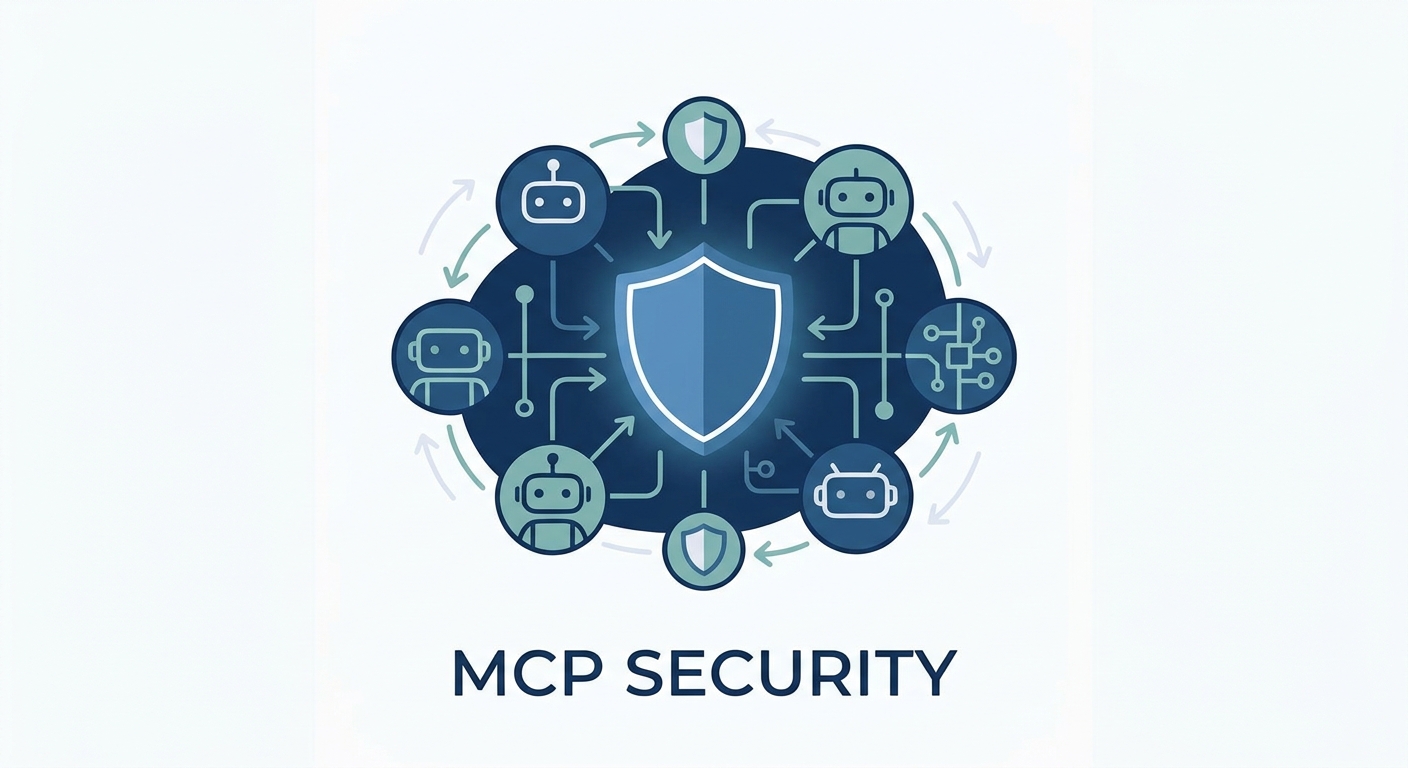
In 2026, the enterprise isn’t just dealing with web traffic. It’s managing a chaotic, sprawling ecosystem of autonomous agents tethered by the Model Context Protocol (MCP). The industry spent the last decade obsessed with securing static REST APIs, but that’s yesterday’s war. The real battleground today? Stateful, persistent, and context-heavy agent-to-agent communication.
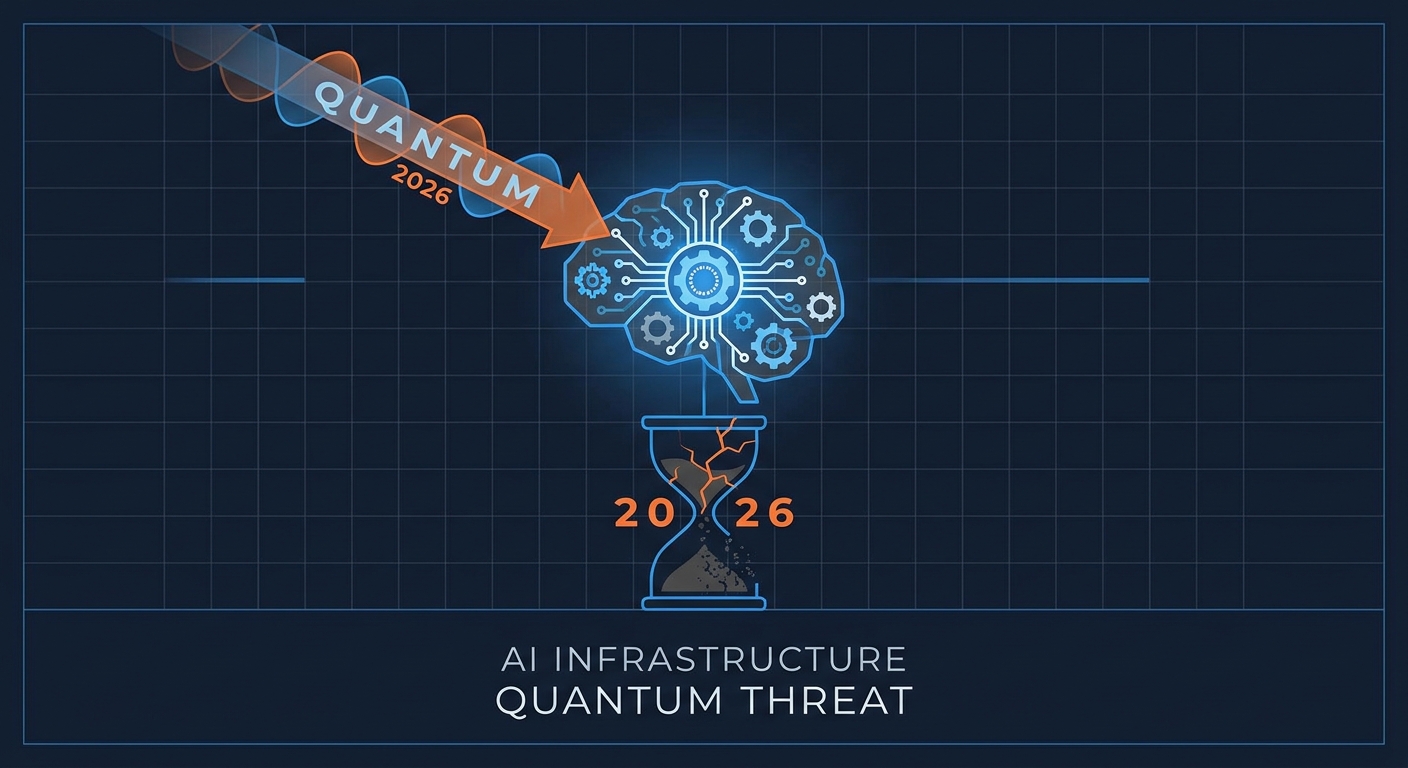
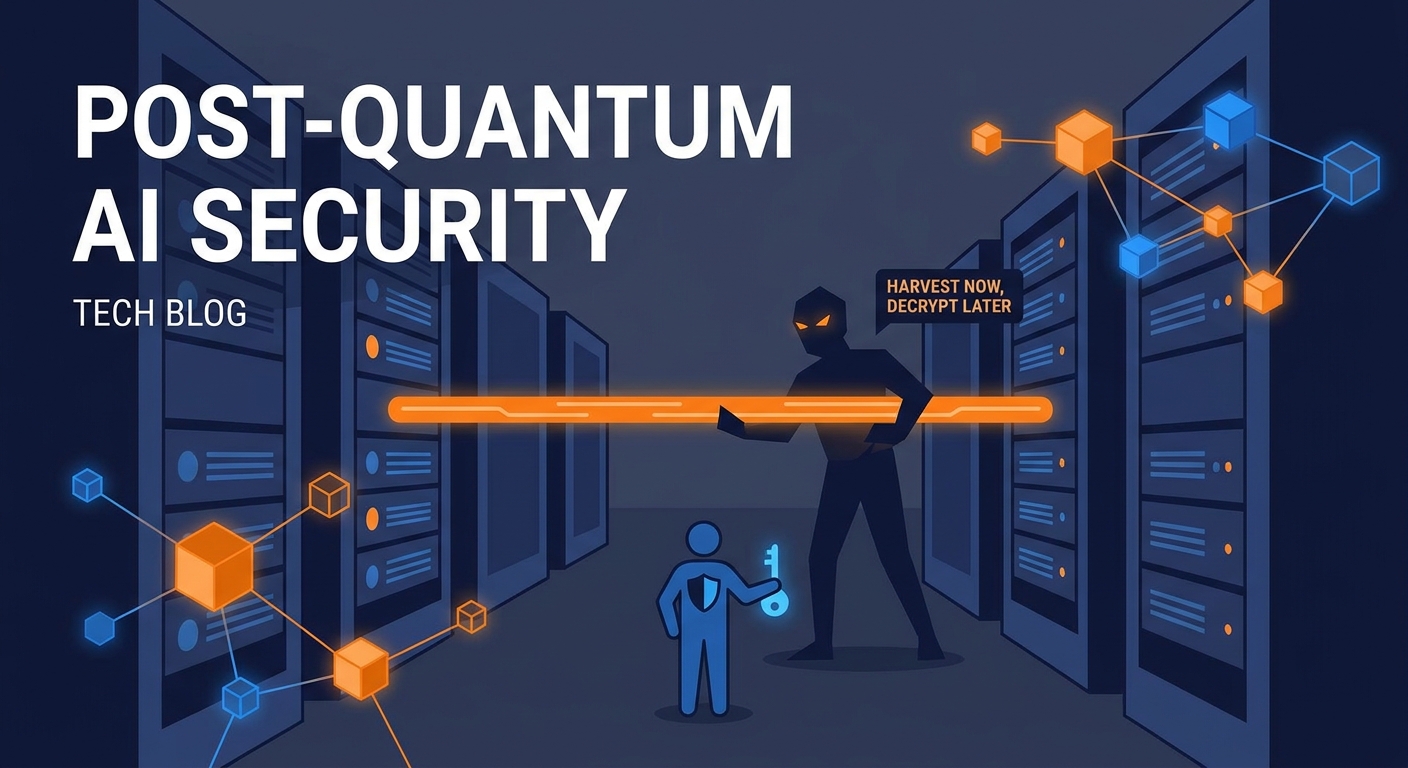
Throw in the looming shadow of "harvest-now, decrypt-later" quantum attacks, and you have a recipe for disaster. If you want to survive the next two years, you need to overhaul your infrastructure to prioritize cryptographic agility and context-aware defense. Here is how you do it.
Why Legacy Security is Failing the MCP Era
For years, Web Application Firewalls (WAFs) were the gold standard. They were great at inspecting predictable, stateless HTTP requests. But the Model Context Protocol (MCP) doesn’t play by those rules.
MCP connections are stateful. They maintain a continuous, evolving context window between an agent and its data sources. A traditional WAF looks at an MCP stream and sees a long-lived, opaque mess. It can’t "see" the intent behind the context being passed back and forth, and it certainly can’t filter the complex, multi-turn dialogue happening between agents.
When your security tools ignore the stateful context, they’re effectively blind. Relying on legacy perimeter defenses in an MCP-driven environment? That’s not a strategy. It’s an invitation for a long-term, sophisticated breach.
The New Reality: Context Poisoning and Shadow AI
We’re seeing a surge in "Context Poisoning." Think of it as the SQL injection of the AI age. Instead of trying to execute arbitrary code, attackers are targeting the agent’s actual decision-making process by dumping malicious data into its long-term memory.
By manipulating the "Context Chain"—the sequence of info an agent uses to reason—an attacker can steer an agent to exfiltrate your trade secrets or bypass your hard-won compliance guardrails. It’s subtle, it’s quiet, and it’s devastating.
This is made worse by the explosion of "Shadow AI." Developers are spinning up unmonitored MCP servers all over the corporate network because they want to move fast. These servers are invisible entry points, often missing the Contextual Anomaly Detection needed to spot when a memory store has been compromised. If you can’t see the server, you can’t secure the context. Period.
Strategy 1: Mandatory Crypto-Agility
If you’re still hard-coding TLS 1.3 or specific crypto suites, stop. That’s a strategic failure. As quantum computing hits its stride, the algorithms we trust today will eventually crumble.
You need "Crypto-Agility." Your infrastructure needs the ability to swap out cryptographic implementations on the fly without breaking the entire system. This isn't a "nice-to-have"—it's a requirement.
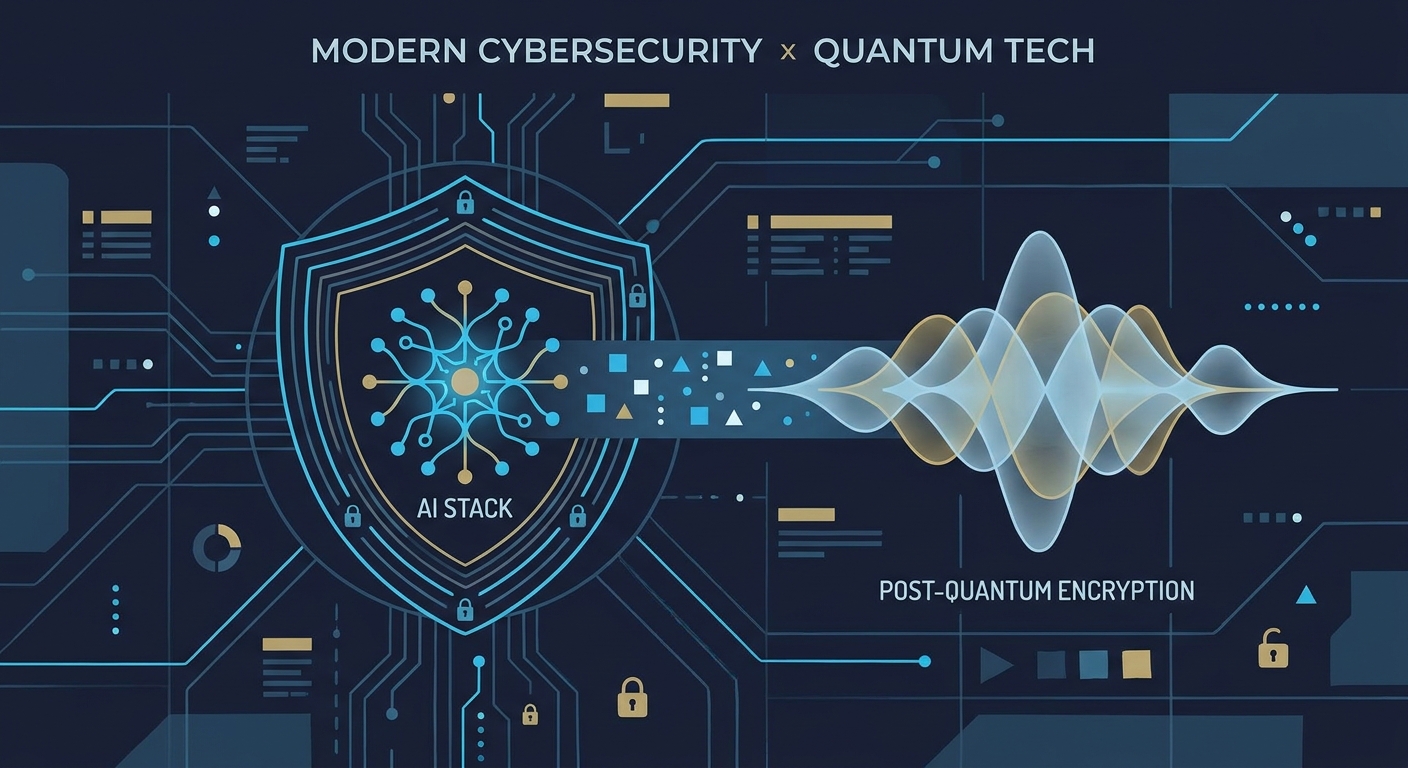
Design your MCP proxies to support the dynamic negotiation of NIST Post-Quantum Cryptography Standards. Focus on FIPS 203, 204, and 205. By leaning into Post-Quantum Cryptographic Agility, you ensure that when the next vulnerability drops, your infrastructure can pivot in real-time. Don’t get stuck in a state of permanent insecurity.
Strategy 2: Zero-Trust for AI Agents
The "internal" agent is a myth. In a modern AI enterprise, every agent—from a simple customer support bot to a high-level financial analysis tool—is an untrusted entity. Period.
Stop using static API keys. They get stolen, they don't rotate, and they’re a massive liability. Move to short-lived, scoped tokens. Use Quantum-Resistant Identity Access Management to enforce granular policies. Don't just verify who the agent is; verify what context it can touch and for how long. In a true zero-trust environment, every interaction is logged against a cryptographic identity that can’t be forged by quantum-level compute.
Strategy 3: Harden the AI Supply Chain
The rapid adoption of third-party MCP servers has created a massive supply chain gap. When you integrate an external model or data source, you’re inheriting their security flaws. As The Hacker News: AI Supply Chain Risks has pointed out, the weakest link is almost always a dependency you don't control.
You need a "trust, but verify" mindset. Audit third-party MCP servers constantly. Do they meet your PQC standards? If they can’t show you their crypto-agility credentials or explain how they handle context, quarantine them behind a hardened proxy. Strip the non-essential data before it ever touches your core systems.
Strategy 4: Build a "Q-Day" Defense-in-Depth
"Q-Day"—the moment a quantum computer can crack current encryption—isn't just a sci-fi fear anymore. It’s an operational reality. The biggest immediate threat is "harvest-now, decrypt-later." Adversaries are grabbing your encrypted traffic today, planning to decrypt it the moment their quantum hardware is ready.
To stop this, use hybrid encryption. Combine your classical algorithms with quantum-resistant ones. If one layer breaks, the other holds. It’s not about building a wall that can never be breached; it’s about making sure that even if they do get in, the data they walk away with is essentially useless.
Strategy 5: Continuous Infrastructure Auditing
Security is a process, not a destination. You can’t rely on quarterly audits in 2026. You need a centralized dashboard that tracks protocol compliance across your entire stack.
Your "PQC Readiness" dashboard should give you total visibility: every MCP connection, every cryptographic handshake, and every active agent identity. If a segment of your stack falls behind on NIST compliance, that dashboard should scream at you. Automate the audit. Move from being reactive to proactive. If your security doesn't evolve as fast as the threat landscape, you’ve already lost.
Conclusion: Why 2026 is the Pivot Year
The world has changed. The rise of agentic AI and the finalization of NIST’s PQC standards have rewritten the rulebook for enterprise security. 2026 is the year you decide: do you modernize, or do you accept a false sense of security that will inevitably crumble?
Prioritize crypto-agility. Enforce zero-trust. Monitor your context. Protect your data, and protect your future.
Frequently Asked Questions
Why can’t traditional Web Application Firewalls (WAFs) protect AI agents?
Traditional WAFs are built to inspect stateless, request-response web traffic. AI agents, particularly those using the Model Context Protocol, rely on stateful, long-lived streams that maintain a complex "context window." WAFs cannot interpret this stateful context, leaving them blind to malicious injections meant to manipulate agent reasoning.
What is "Context Poisoning" and how do I prevent it?
Context Poisoning is the manipulation of an agent’s long-term memory or input data. Attackers inject malicious information to influence the agent's behavior. Prevention requires rigorous input sanitization, strict identity management for all MCP servers, and the implementation of Contextual Anomaly Detection to identify when an agent's reasoning chain has been compromised.
Do I need to replace my entire infrastructure to be quantum-resistant?
No. A "rip-and-replace" approach is unnecessary and costly. The most efficient path is "Crypto-Agility"—implementing systems that can dynamically negotiate and swap cryptographic libraries. By focusing on flexible infrastructure that supports NIST-approved standards (FIPS 203, 204, 205), you can secure your systems incrementally.
What are the NIST PQC standards I should be looking for in 2026?
You should ensure your infrastructure supports the latest NIST Post-Quantum Cryptography standards: FIPS 203 (for general encryption), FIPS 204, and FIPS 205 (for digital signatures). These are the benchmarks for ensuring your data remains secure against future quantum-based decryption attempts.