Quantum-Resistant Identity and Access Management for Federated AI Agents

TL;DR
- This article explores the critical shift toward quantum-resistant identity frameworks for federated ai agents using the Model Context Protocol. It covers how lattice-based signatures like crystals-dilithium and pquake protocols prevent harvest-now-decrypt-later attacks while enabling context-aware access control across decentralized infrastructure. Readers will learn to implement future-proof security that maintains agent integrity even if classical asymmetric encryption fails.
The Cracks in Federal AI Identity
Ever feel like we’re building a glass house while someone is outside testing a new sledgehammer? That’s basically where we’re at with ai identity right now.
The math we trust—like RSA and ECC—is essentially a sitting duck. According to Gopher Security, shor’s algorithm makes these "hard" problems trivial for quantum machines. This is a huge deal because the NIST (National Institute of Standards and Technology) has already set a timeline for post-quantum standardization, with most federal agencies facing 2030 deadlines to move away from legacy crypto. If you're in a high-stakes sector, that 2030 window is actually closer than it looks.
- Shor’s algorithm ends the party: It cracks the asymmetric encryption used in every mcp host today.
- Vulnerable tokens: If a quantum computer forges jwt signatures, it can impersonate any trusted ai agent.
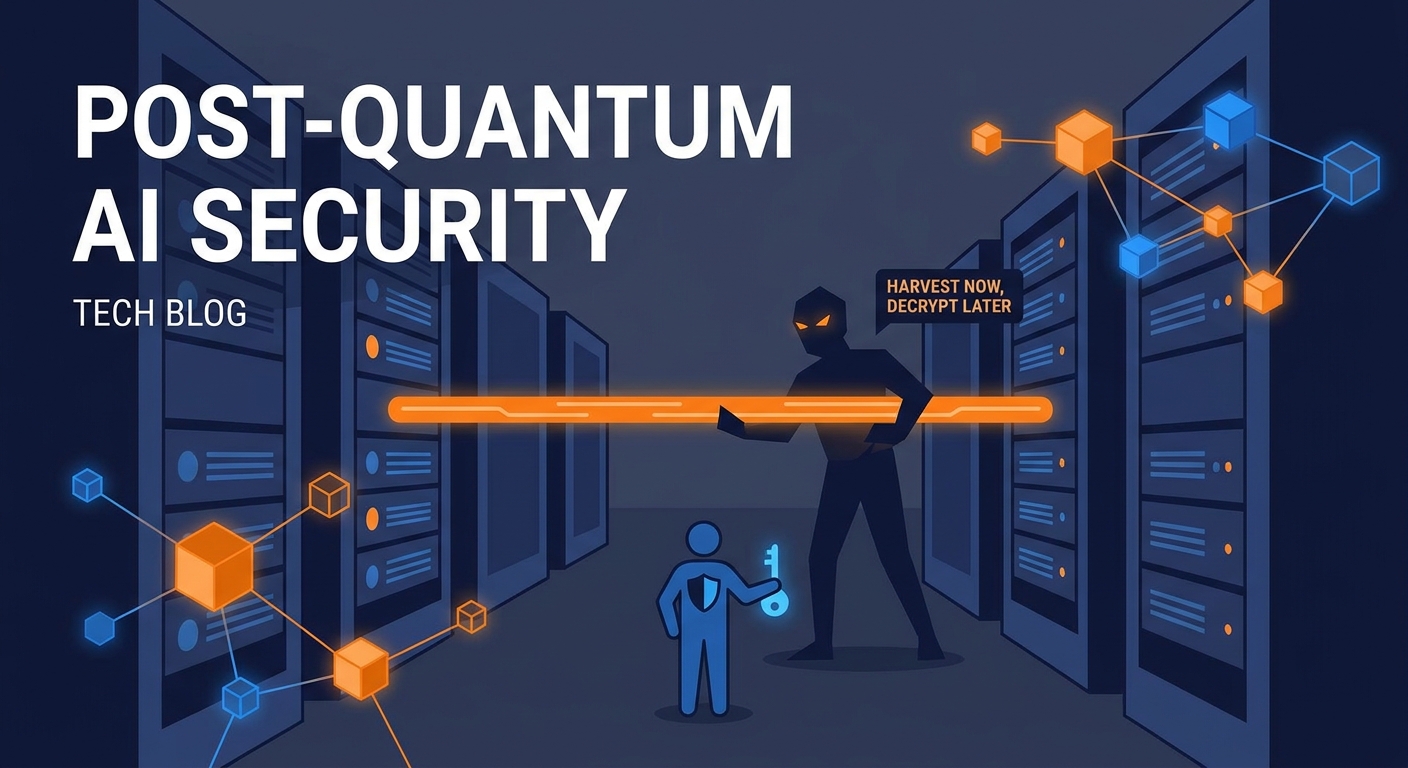
- HNDL (Harvest Now, Decrypt Later): Adversaries in healthcare and finance are siphoning traffic now, waiting to crack it later. (Quantum-Resistant Identity and Access Management for MCP Hosts)

Doubling aes keys to 256 is just a band-aid; it isn't a "quantum-proof" fix for the identity layer.
Next, we'll look at better crypto.
Hardening the Model Context Protocol for Post-Quantum Reality
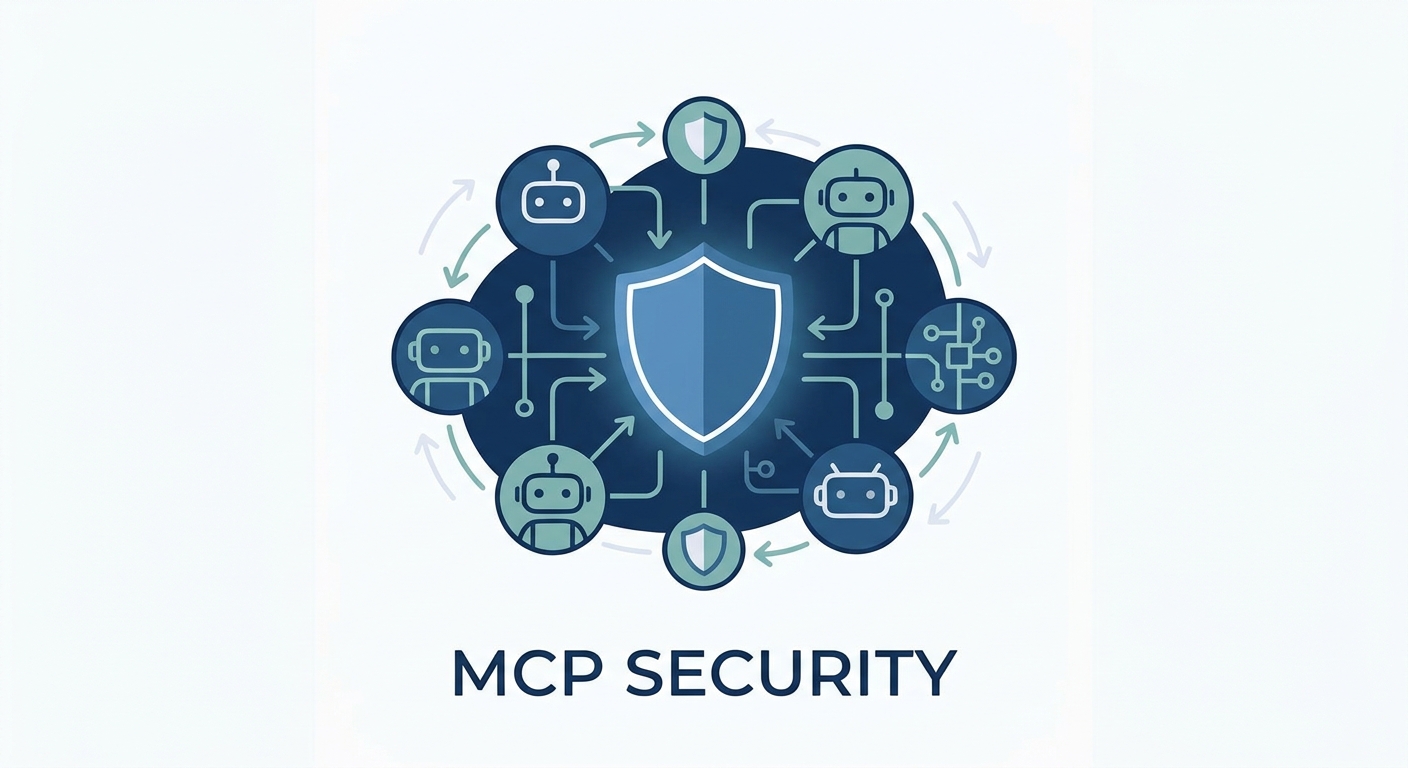
So you've realized your current setup is basically a paper lock against quantum bolt cutters. honestly, hardening an mcp host isn't just swapping math—it is about changing how ai agents talk to tools. For those who don't know, the Model Context Protocol (mcp) is the open standard for connecting ai agents to data sources and tools, and it’s currently wide open to quantum threats.
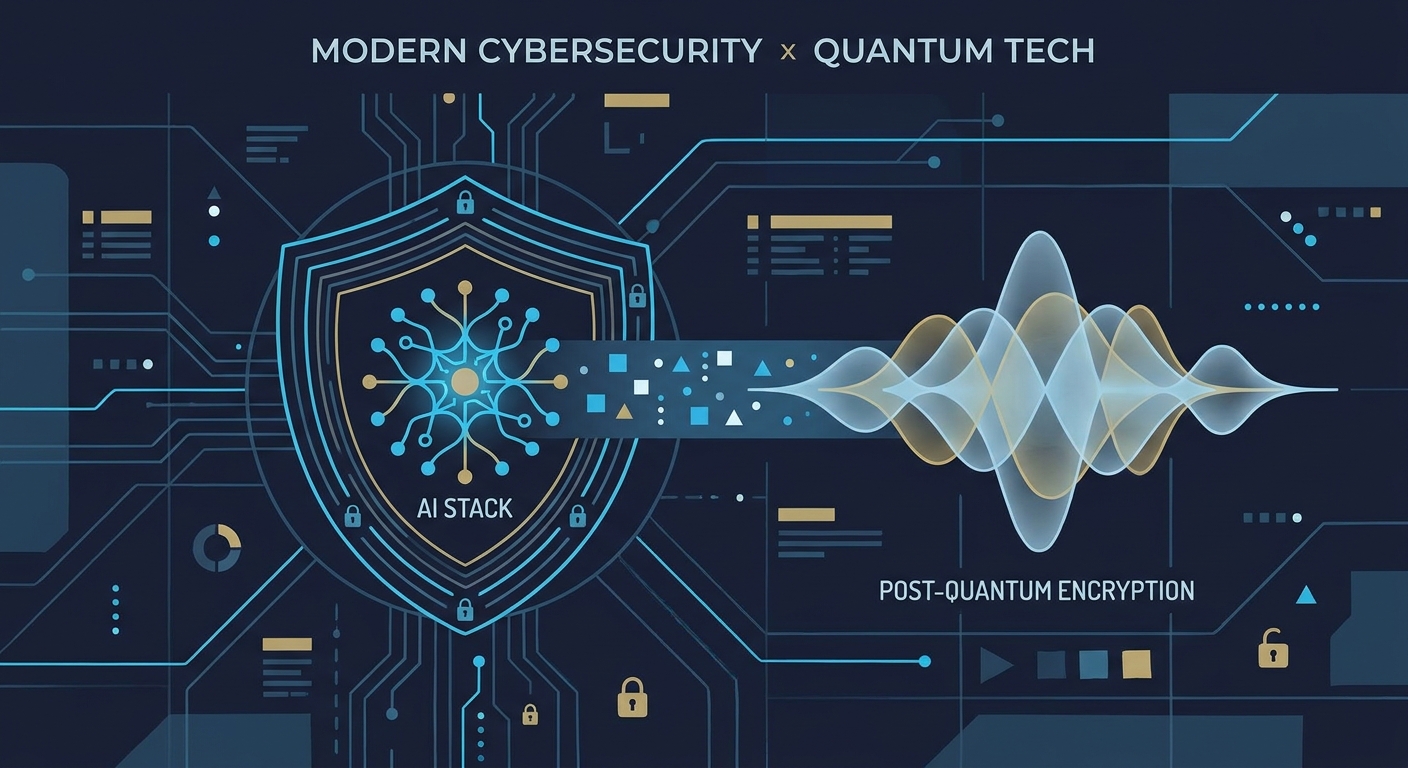
We are seeing a massive shift toward lattice-based stuff because it's the best way to fight shor’s algorithm. According to Gopher Security, you should use CRYSTALS-Dilithium to sign every tool execution. This stops rogue processes from hijacking an agent's id to dump retail customer data or healthcare records.
- Hybrid models: most smart teams "double-bag" by wrapping existing ecc in a pqc layer.
- Crypto-agility: use sidecar proxies so you can swap algorithms without a total rewrite.
Standard pqc handshakes are bulky. If you're running ai agents on edge devices—like smart grid sensors—you need PQuAKE (Post-Quantum Anonymous Key Exchange). It’s way more efficient than standard Dilithium or Kyber for small hardware because it slashes the computational overhead and keeps packet sizes small while maintaining forward secrecy for agent logs.

Next, we'll dive into managing these identities.
Context-Aware Access in 4D Space (Time and Behavior)
Ever feel like giving an ai agent "admin" rights is basically just asking for a disaster? It’s like handing your house keys to a robot that might accidentally let a burglar in because the "vibe" was off.
When we talk about "4D Space," we’re adding the fourth dimension: time and behavior. Honestly, the old way—where an agent has a set role forever—is dead. We gotta look at the whole context. If a quantum computer eventually breaks our encryption, these behavioral signals act as a secondary defense layer. Even if the "key" looks valid, the behavior might be totally wrong.
- Checking device posture: Before an mcp tool executes, we should check environmental signals like location or device integrity.
- Dynamic permission adjustment: If an agent in a retail app suddenly tries to pull 10,000 shipping manifests, that's a massive red flag.
- Stopping puppet attacks: We need real-time detection to make sure a human hasn't been replaced by a malicious process.

A recent survey in AIMS Mathematics suggests that behavioral signals are becoming the primary way to stop "harvest now" attacks from turning into full breaches.
To be clear: while PQC stops the "Decrypt Later" part of the threat, behavioral signals are what stop the "Harvest Now" part. If you detect weird behavior in real-time, you can cut off the data exfiltration before the adversary even gets the encrypted files. Instead of standing privileges, we need Zero Standing Privileges (zsp). The agent gets the key only for the second it needs it (the temporal aspect of 4D), then it vanishes. If the secret doesn't exist, there is nothing for a quantum computer to harvest.
Next, let's actually build this architecture.
Building a Quantum-Safe Architecture Today
So, you’ve got the math down, but how do you actually drop it into a messy, real-world mcp setup without breaking everything? Honestly, it’s one thing to talk about lattices and another to migrate a live fleet of ai agents while the "harvest now" crowd is watching.
The biggest mistake I see is people hardcoding specific algorithms directly into their ai apps. If you bake CRYSTALS-Kyber right into your core logic and a better standard comes out next year, you're looking at a total rewrite. You need a layer of "crypto-agility" so you can swap parts like a lego set.
If your mcp host is running on an edge device—like a smart sensor in a retail warehouse—software security isn't enough. Someone could just walk up and steal the physical chip. This is where Physical Unclonable Functions (PUF) save your skin.
- Silicon-level id: Uses microscopic variations in the silicon to create a fingerprint that isn't stored in memory.
- Sidecar proxies: Offload encryption to a specialized envoy instance so the ai code just asks for a "secure tunnel" without knowing the math.
- nist compliance: As noted earlier, we’re looking at 2030 deadlines, but high-stakes sectors like finance should move way faster.

Summary and Next Steps
Tying this all together—securing ai agents for the quantum age requires a four-pillar approach. You need the right Math (Lattice-based PQC), the right Protocol (mcp hardened with PQuAKE), the right Context (4D behavioral monitoring), and the right Hardware (PUFs for edge security).
If you aren't building with the assumption that your "secure" keys will be public knowledge in five years, you're already behind. Your next step should be auditing your current mcp hosts for crypto-agility. Start "double-bagging" with a pqc layer today so you aren't scrambling when the 2030 deadline hits. It's better to be ready for the sledgehammer before it actually swings.