Cloud-Native Supply Chain Vulnerabilities Drive Strategic Shift Toward Container Security Solutions in 2026

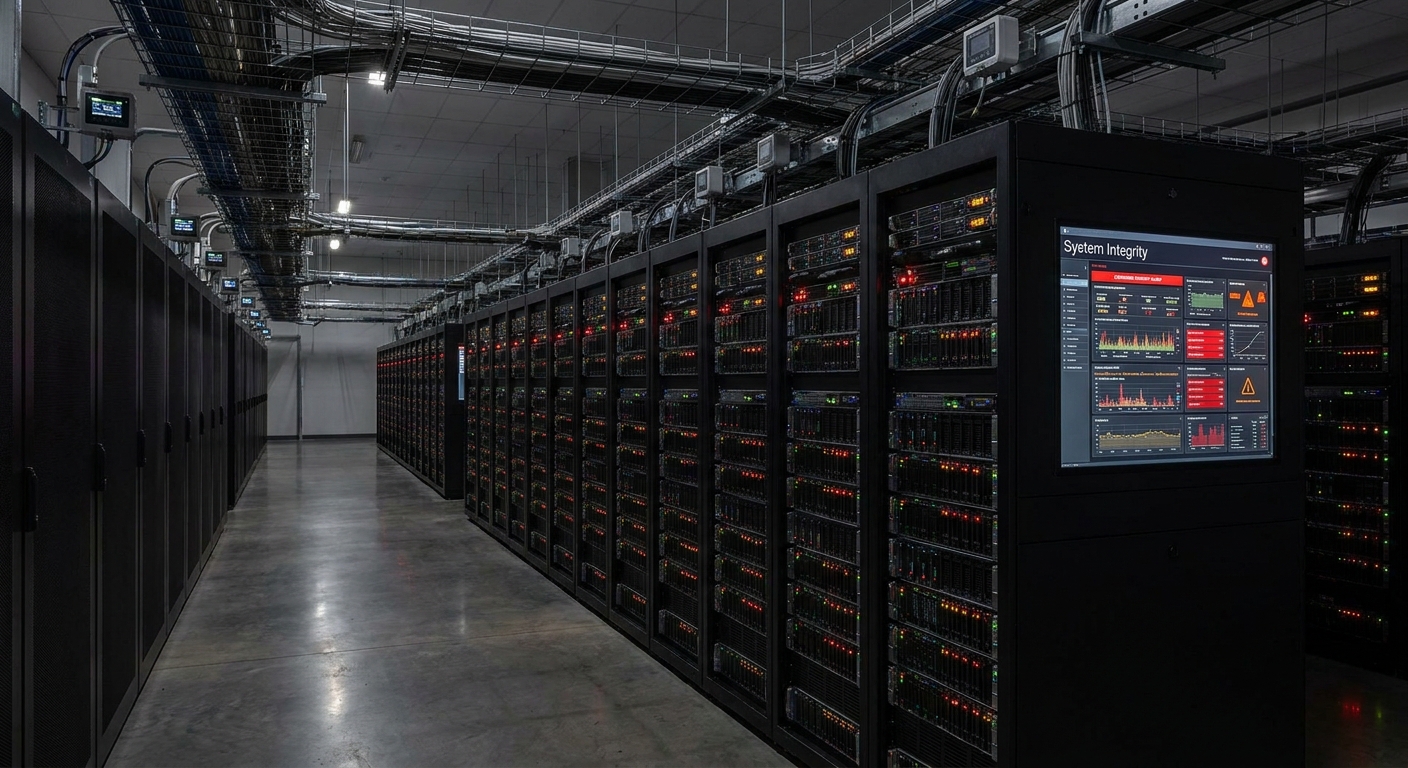
The rapid expansion of cloud-native infrastructure has hit a wall in 2026. For years, organizations have tried to keep pace with the sheer velocity of modern deployments using the same old manual oversight, but the math just doesn't add up anymore. The scale of these environments has outstripped the capacity of even the most dedicated security teams. We’ve reached a point where human-led security is no longer a safety net—it’s a bottleneck. To survive the persistent threats lurking in the software supply chain, the industry is finally making a hard pivot toward automated, container-centric security.
According to the Sysdig 2026 Cloud-Native Security and Usage Report, released this past April, cloud security management has officially run into its "human limits." The reality is simple: you cannot secure ephemeral, hyper-complex cloud architectures with manual checklists. As these environments grow in size and interdependency, the risk of misconfiguration isn't just rising—it’s exploding. One unpatched vulnerability in a container image can ripple through an entire supply chain before a human analyst even logs in for the morning shift.
This operational strain is fueling what experts call the "cloud-native security execution gap." It’s the classic disconnect between the boardroom’s high-level security strategy and the messy, chaotic reality of production environments. Organizations are finding that their grand plans for security often fall apart the moment they hit the CI/CD pipeline. To bridge this divide, the focus is shifting toward automated guardrails that don't just watch the traffic—they regulate it at the speed of containerized development.
The Maturity Gap
The Red Hat State of Cloud-Native Security 2026 report highlights a glaring maturity gap. While most enterprises have successfully migrated to cloud-native models, their security frameworks are still living in the past. They’re relying on legacy methodologies that were designed for static servers, not the fluid, constantly shifting world of containers and serverless functions.
Automation isn't just a "nice-to-have" anymore; it’s the only way to keep the lights on. Without programmatic policy enforcement, your security posture is essentially a suggestion. The following table breaks down the primary friction points in today’s cloud-native operations:
| Challenge Category | Primary Impact | Operational Status |
|---|---|---|
| Manual Oversight | Human capacity exceeded | Unsustainable |
| Execution Gap | Strategy vs. Implementation | High Risk |
| Supply Chain | Vulnerability propagation | Critical |
| Infrastructure Scale | Complexity management | Automation Required |
Closing the Execution Gap
How do you actually bridge that gap? It starts by tearing down the silos. Security teams have spent too long operating in a vacuum, separate from the DevOps and engineering crews who actually build the software. If security isn't baked into the CI/CD pipeline, it’s just an obstacle. By shifting security left, organizations can catch vulnerabilities during the development phase, turning security from a "final gate" into a continuous, integrated process.
The move toward automated solutions is really about consistency. In a cloud-native world, security policies need to be as portable as the containers they protect. This is why we’re seeing a massive surge in Infrastructure as Code (IaC) security scanning. If you can identify a misconfiguration before it’s ever provisioned, you’ve already won half the battle.
The Mandate for Automation
The 2026 security landscape is defined by one word: momentum. Because cloud-native environments are in a state of constant flux—containers spinning up and down in seconds—static security checkpoints are effectively useless. You need real-time monitoring and automated remediation that can handle the sheer volume of data.
If your organization is looking to harden its posture, here is the baseline:
- Prioritize Automated Scanning: Continuous vulnerability scanning in the CI/CD pipeline is non-negotiable. Catch the threats in the image before they ever reach production.
- Centralize Policy Management: Use unified security platforms to ensure that your rules are consistent across multi-cloud and hybrid environments.
- Reduce Human Dependency: Stop relying on manual reviews. Build automated guardrails that automatically reject non-compliant code.
- Enhance Supply Chain Visibility: You need to know exactly what’s inside your containers. If you don't have granular insight into the provenance of your third-party libraries, you’re flying blind.
Strategic Implications for 2026
This shift toward container security isn't just a technical upgrade; it’s a strategic necessity. As cloud-native infrastructure grows more complex, the ability to maintain a secure environment will depend entirely on systems that function without constant human intervention.
Organizations that ignore this maturity gap are essentially rolling the dice. Attackers are getting smarter, and they are laser-focused on the vulnerabilities inherent in the software supply chain. By aligning security execution with modern development practices, enterprises can protect their investments while finally giving their security teams some breathing room.
The consensus from the industry’s leading reports is clear: the era of manual cloud security is over. The future belongs to automated, scalable, and integrated architectures that can actually keep pace with the technology they’re meant to protect. As we move through the rest of 2026, the goal is simple: close the execution gap, automate the guardrails, and build a security posture that is as resilient as it is fast.