Global Intelligence Platforms Shift Toward Quantum-Resistant Data Residency Compliance for 2026


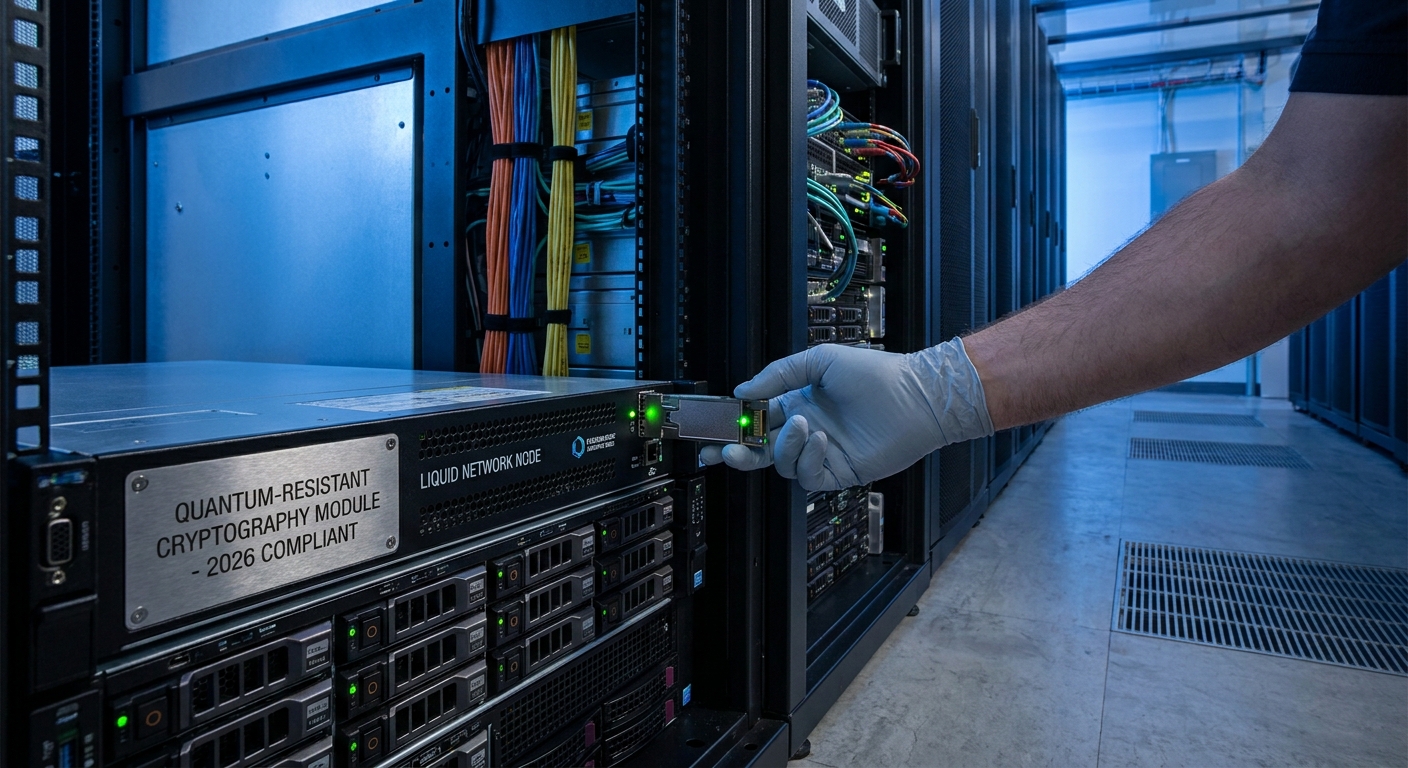
By April 2026, the era of "quantum-readiness" as a theoretical exercise officially died. We’ve moved past the PowerPoint presentations and the vague roadmaps. Now, we’re in the trenches of mandatory Post-Quantum Cryptography (PQC) implementation. The National Cybersecurity Center of Excellence (NCCoE) has finally stopped asking nicely; they’ve formalized a regulatory framework that turns PQC migration from a "best practice" into a non-negotiable operational requirement for federal agencies and private giants alike.
Why the sudden, frantic pivot? Two words: Q-Day. It’s that looming, existential horizon where quantum processors finally get the muscle to shred our current public-key encryption standards like wet tissue paper.
The real panic, however, isn't just about what happens when Q-Day arrives. It’s about what’s happening right now. Adversaries are playing the long game with a strategy known as "Harvest Now, Decrypt Later" (HNDL). They’re vacuuming up encrypted data today—financial records, state secrets, proprietary blueprints—and tucking it away in cold storage. They don't need to crack the code today. They just need to wait for the tech to catch up, which most projections pin around 2029.
The market is currently undergoing a violent structural realignment. Organizations are scrambling to deploy quantum-resistant shields, not just to stop hackers, but to ensure their data remains viable and secure for the long haul.
Forrester suggests we’re looking at a massive capital flight into security. We’re talking about quantum security spending swallowing more than 5% of total IT budgets by the end of 2026. This money isn't going toward shiny new vanity projects; it’s being poured into the thankless task of scrubbing "cryptographic debt"—the massive pile of legacy encryption protocols that simply can’t handle a post-quantum reality. According to NIST post-quantum cryptography standards, the clock is ticking. You either audit and replace these vulnerable systems now, or you accept that your data is effectively already compromised.

The headache is only getting worse because of the "Crisis of Authenticity." Our digital ecosystems aren't just populated by humans anymore. Machine identities—the bots, the service accounts, the autonomous AI agents—now outnumber people by a staggering 82-to-1 ratio. Securing this sprawling, non-human attack surface is a logistical nightmare. As highlighted in recent post-quantum migration market shifts, the conversation has shifted from "what should we do?" to "how do we actually execute this across a distributed cloud environment without breaking everything?"
| Factor | Operational Impact |
|---|---|
| Q-Day Projection | Encryption obsolescence expected by 2029. |
| HNDL Strategy | Current data theft for future decryption. |
| Machine Identities | 82:1 ratio to humans, requiring automated PQC. |
| Security Budget | >5% of IT spend allocated to quantum-safe tools. |
The technical reality is grim. Data from 2026 shows that 87% of successful breaches involve at least three distinct attack surfaces. Hackers are targeting the messy intersections where identities, endpoints, and cloud infrastructure collide. If you leave a single hole in your quantum-resistant armor, the whole network is effectively open. It’s no longer enough to patch a server; you need a holistic, foundational re-engineering of your entire digital architecture.
The Palo Alto Networks quantum-safe digital survey makes it clear: this isn't a software update. It’s a fundamental rewrite of how we establish trust in a digital world. As we move past the assessment phase, the focus has narrowed to four critical fronts:
- Cryptographic Inventory: You can't fix what you can't find. Comprehensive audits are the only way to root out the legacy encryption hiding in your dark corners.
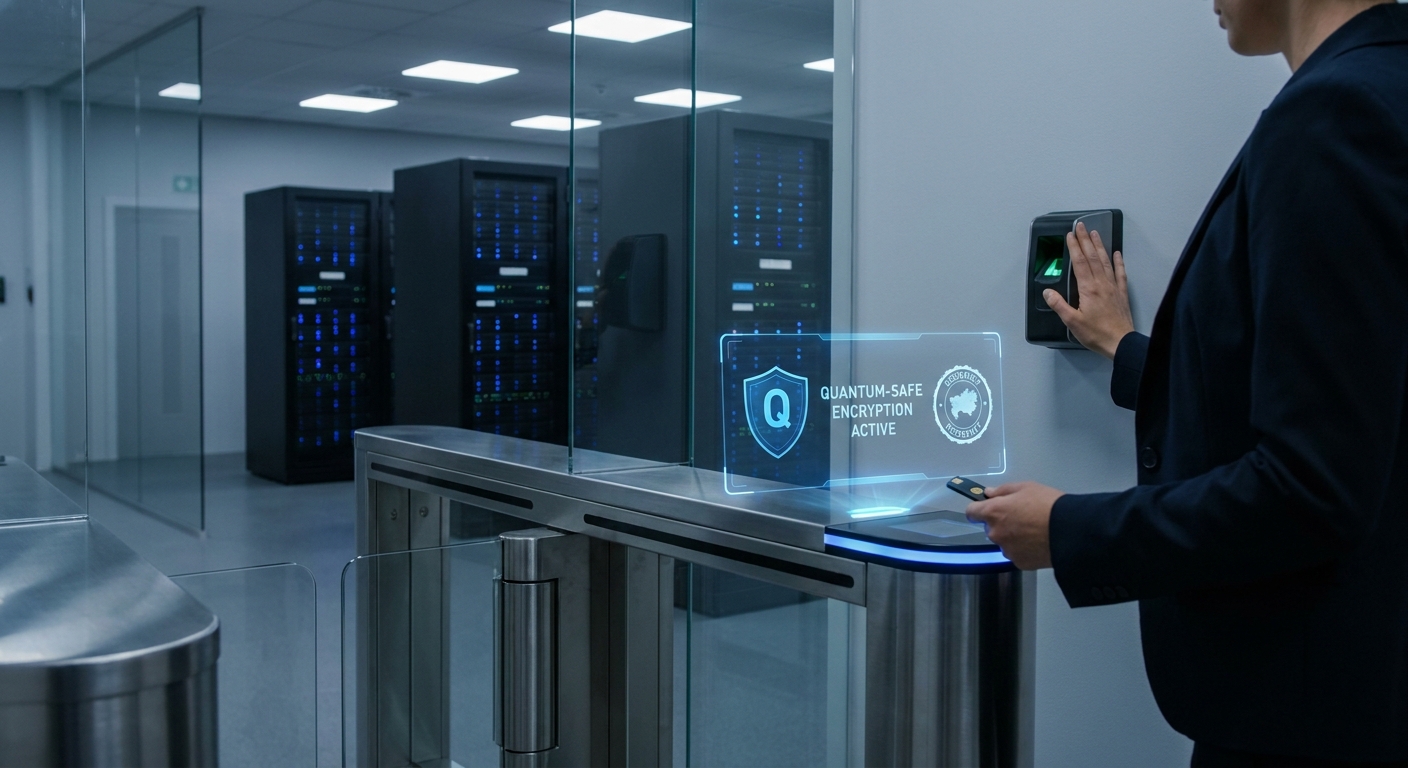
- Identity Lifecycle Management: With an 82:1 ratio of machines to humans, manual authentication is dead. You need quantum-resistant protocols that can scale automatically.
- Infrastructure Hardening: Long-term data storage is the primary target for HNDL attacks. If it’s sensitive, it needs to move to NIST-compliant algorithms immediately.
- Resilience Planning: Stop pretending your current encryption is a permanent wall. It’s a temporary fence. You need a strategy that assumes the fence will eventually be breached.
The Unit 42 incident response report underscores the danger of the "double-whammy": AI-driven attacks paired with quantum capabilities. Attackers are using automation to find your vulnerabilities faster than your team can patch them. In this environment, the speed of your migration isn't just a technical metric—it’s a survival trait. Fail to account for this in your 2026 planning, and you aren't just risking a regulatory fine; you’re handing your crown jewels to whoever is harvesting your traffic today.
Looking ahead, the Forrester predictions for 2026 indicate that the regulatory screws will only tighten. Governments are already drafting mandates that require sensitive data to be stored using verified quantum-resistant methods. For multinational organizations, this is a nightmare of compliance, forcing a global standardization of security practices just to keep pace with shifting legal goalposts.
The transition to quantum-resistant infrastructure is no longer a "future" problem. It is the primary objective for every intelligence platform and enterprise on the planet. By addressing the rot in our current encryption standards and getting a handle on the explosion of machine identities, organizations are finally playing defense for the world that’s coming, not the world we’re currently living in. The move from planning to execution is the turning point of the decade—the moment we stopped hoping for the best and started building for the inevitable.