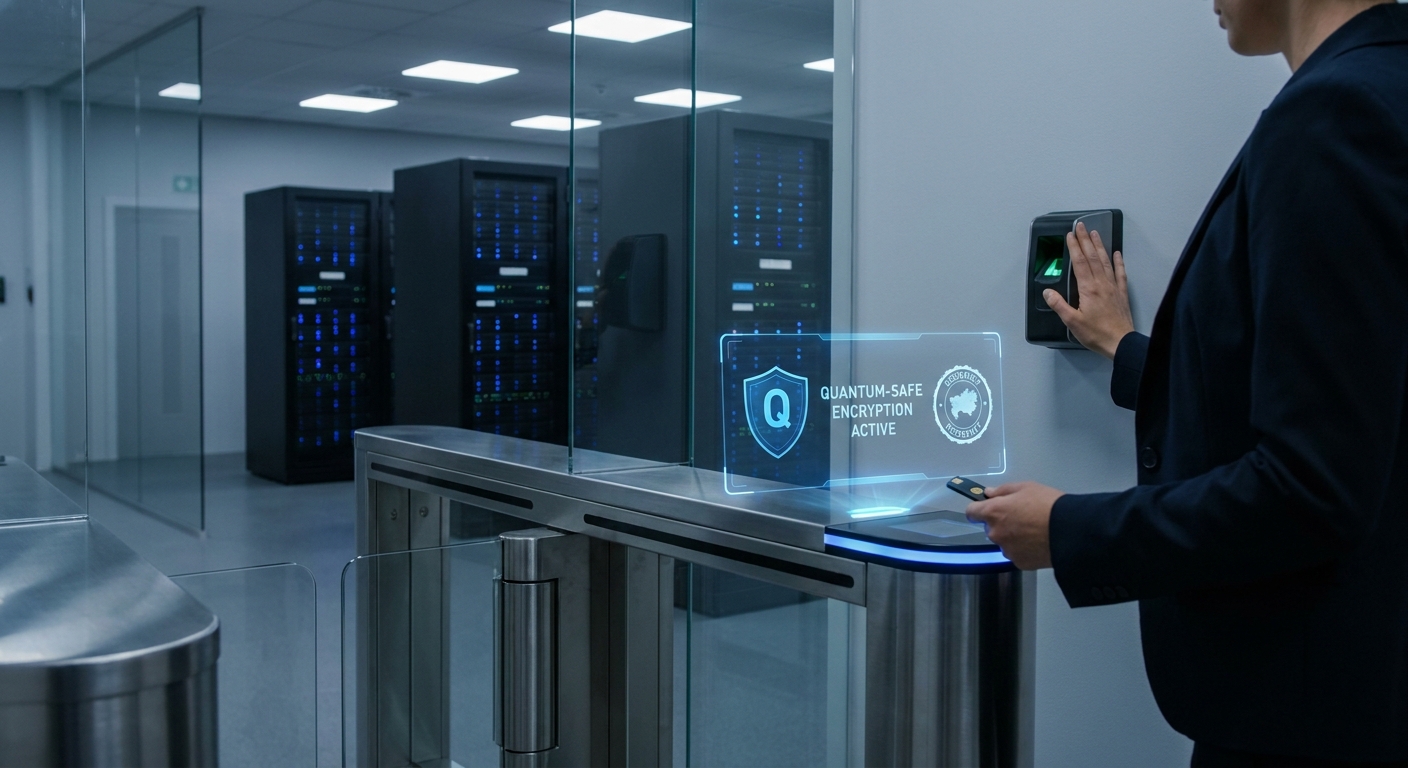
Bitcoin Network Prepares for 2026 Quantum Threat Landscape Amid Rising Post-Quantum Cryptography Migration Standards

It’s April 2026, and the conversation around Bitcoin has shifted. We aren't just talking about price action or halving cycles anymore; we’re talking about the existential threat of quantum computing. While the current cryptographic bedrock of Bitcoin remains unshakable, the industry is finally moving from theoretical hand-wringing to actual, boots-on-the-ground engineering. The goal? Making sure your satoshis are still yours when—not if—quantum machines finally hit their stride.
This isn't a fire drill. It’s a multi-year, structural overhaul. Blockstream CEO Adam Back and other industry heavyweights have been clear: there’s no immediate crisis, but the clock is ticking. You don't wait for a storm to build the roof, and the Bitcoin network is currently laying the shingles.
The Strategic Migration Framework
The core challenge isn't just technical; it’s logistical. How do you upgrade the most decentralized network on earth without breaking it? The current roadmap proposes a decade-long transition window. It’s a slow, methodical burn designed to give every single Bitcoin holder enough time to move their keys into a quantum-resistant future.
The strategy hinges on a few critical pillars:
- Legacy Asset Protection: Developers are cooking up ways to "freeze" coins sitting in older, vulnerable addresses. The idea is to build a digital bulkhead, preventing future quantum actors from scooping up forgotten or inactive funds.
- Dedicated R&D: There is a specialized team of 20 experts currently grinding away at post-quantum cryptographic standards, turning math into code.
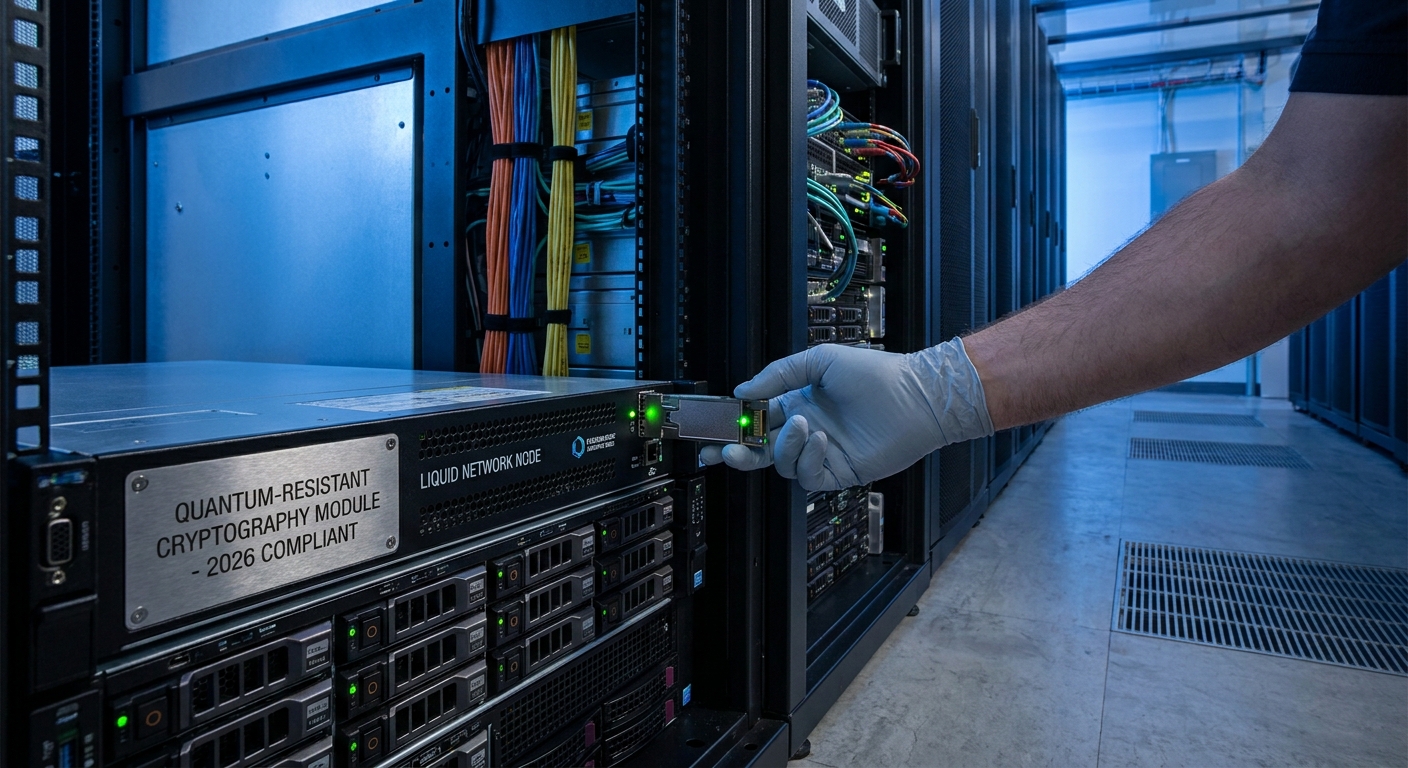
- Real-World Testing: They aren't just sketching this out on a whiteboard. Experiments are live on the Liquid network, stress-testing these new cryptographic layers in a production-like environment.
- Global Alignment: Bitcoin isn't an island. The industry is working to sync its security architecture with emerging global standards for post-quantum cryptography, ensuring the network stays compatible with the wider world of cybersecurity.

Assessing the Quantum Horizon
Why the sudden urgency? It comes down to Shor’s algorithm. In theory, a sufficiently powerful quantum computer could tear through the elliptic curve cryptography that currently keeps your Bitcoin address private.
While the hardware to pull this off doesn't exist yet, the community is building a hedge. The plan for Bitcoin's quantum-resistant migration is all about avoiding a "panic-patch" scenario later. By assessing Bitcoin's quantum-safe status today, developers ensure that when the quantum age arrives, the network will be ready to shrug it off.
| Phase | Objective | Status |
|---|---|---|
| Research | Identify quantum-resistant algorithms | Ongoing |
| Testing | Pilot protocols on sidechains (e.g., Liquid) | Active |
| Migration | Transition user keys to new standards | Proposed (10-year window) |
| Security | Implement legacy coin freezing mechanisms | Under Discussion |
Industry Perspectives on Timing
Adam Back has been vocal about the distinction between "panic" and "preparation." He’s noted that while the quantum threat is distant, the migration clock is ticking. The challenge is that Bitcoin is decentralized; you can't just push an update from a corporate server. You need consensus. Everyone—node operators, miners, and developers—has to agree on the path forward. That kind of coordination takes time, which is exactly why the conversation is happening now.
Future-Proofing the Ledger
The technical heavy lifting involves evaluating new cryptographic primitives. These aren't just software updates; they represent a fundamental shift in how Bitcoin defines identity and ownership. The work reported by various crypto news outlets underscores that this is a transition of the network's very DNA.
As we push through the rest of 2026, the focus will stay on refining these migration mechanisms. The goal is to ensure the network’s consensus rules can handle new signature schemes without sacrificing the immutability that makes Bitcoin, well, Bitcoin.
It’s a conservative, deliberate approach. By prioritizing the safety of existing holdings over speed, the community is betting that a slow, transparent evolution is the only way to keep the network robust. We are watching a massive, open-source experiment in longevity. The goal is simple: ensure that no matter how fast computers get, the Bitcoin ledger remains the one thing that cannot be broken.