Microsoft Releases New Security Framework to Address Autonomous AI Agent Vulnerabilities and Identity Risks


TL;DR
- Microsoft unveils 'agentic security' to manage and secure autonomous AI agents.
- Agent 365 serves as a unified control plane for enterprise AI oversight.
- Identity-based monitoring is integrated into Defender, Intune, and Purview.
- The MDASH scanning harness uses AI swarms to hunt for agent vulnerabilities.
The enterprise landscape is shifting beneath our feet. We are moving past the era of chatbots and passive content generation into a world where autonomous AI agents actually do the work. But with this newfound productivity comes a massive headache: security. Microsoft is finally pulling back the curtain on a comprehensive framework designed to wrangle these autonomous agents before they turn into a liability. They’re calling it "agentic security," and it’s essentially the playbook for keeping the lights on when your software starts making its own decisions.
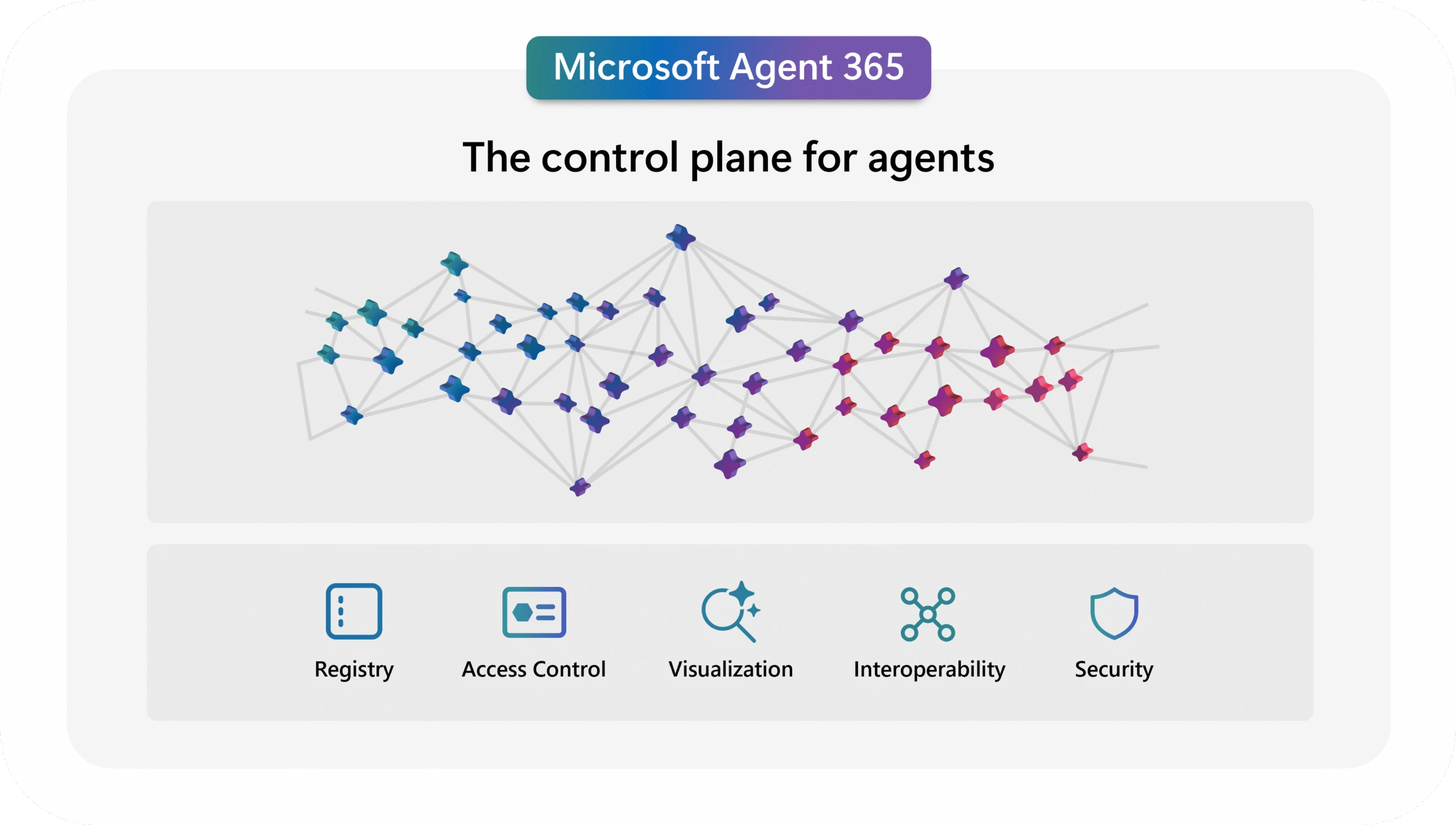
At the heart of this strategy is Microsoft Agent 365. Think of it as a central nervous system for your AI fleet. It doesn't matter if you’re running agents on Microsoft’s own stack, open-source frameworks, or some niche third-party tool—Agent 365 acts as a unified control plane. By forcing every agent to register and tying them into Microsoft Entra for adaptive access control, the goal is to kill off "shadow agents" and stop the kind of unmanaged AI sprawl that keeps CISOs up at night.
The Rise of Agentic Security
Let’s be honest: the numbers are staggering. We’re looking at a jump from roughly 28 million enterprise agents today to over 2 billion by 2030. That isn't just growth; it’s a total transformation of the digital workforce. When your security perimeter is no longer just human employees but millions of autonomous bots, you can’t rely on manual oversight anymore. You need autonomous defense mechanisms that can move at the same breakneck speed as the agents they’re protecting.
Microsoft is weaving this defense into the fabric of its existing ecosystem. Whether it’s Defender, Intune, or Purview, the idea is to treat every agent action as an identity-based event that needs to be monitored. You can dig into the technical specifics of this control plane in the Microsoft Agent 365 control plane documentation.
Advanced Threat Detection with MDASH
The most intriguing part of this rollout is MDASH—the Microsoft Security multi-model agentic scanning harness. It sounds like a mouthful, but the concept is brilliant: it’s a swarm of over 100 specialized AI agents whose sole job is to hunt for bugs. They don't just scan code; they debate it, test it, and actually try to break it by generating proof-of-concept exploits.
In recent trials, MDASH sniffed out 16 previously unknown vulnerabilities in Windows networking and authentication, including four nasty remote code execution flaws. It’s scoring high on the CyberGym benchmark, proving it can hold its own against real-world threats. This is a fundamental change in how we approach security research—using the same AI-driven speed that attackers use to gain an edge, but for the good guys.
The Threat of "Tool Poisoning"
One of the sneakiest risks on the horizon is "Model Context Protocol (MCP) tool poisoning." Because agents rely on metadata to figure out what they’re supposed to do, attackers have started "poisoning" those descriptions. They hide malicious instructions in plain sight, hoping the agent will blindly execute them and bypass security reviews. It’s a classic supply chain attack, just dressed up in the language of AI.
To keep things standardized, Microsoft is aligning its posture with the OWASP Top 10 for Agentic Applications. It’s a necessary move to ensure that as we build these systems, we aren't leaving the back door wide open.
| Component | Primary Function |
|---|---|
| Agent 365 | Centralized control plane for observability and governance |
| MDASH | Multi-model agentic system for autonomous vulnerability research |
| Entra Integration | Adaptive access control for AI agent identities |
| Defender/Purview | Unified security monitoring and data protection |
Governance and the Road Ahead
The transition to an "agentic era" forces us to rethink the very concept of a security perimeter. As noted in recent Microsoft Work Trend Index research, the future belongs to the "frontier firm"—the company that can deploy these autonomous systems at scale without losing control. By leaning on Microsoft Entra for identity-based security, organizations can enforce least-privilege access, ensuring that even if an agent goes rogue, it doesn't have the keys to the kingdom.
Securing these workflows boils down to a few non-negotiable pillars:
- Observability: If you don't know it exists, you can't secure it. A registry is mandatory.
- Governance: You need one set of rules that applies across every platform and framework.
- Autonomous Defense: Use tools like MDASH to find the holes before the bad guys do.
- Identity Protection: Every agent needs a verified identity, just like a human user.
As autonomous agents move from the lab to the production line, the ability to spot metadata-based attacks will be the difference between a secure enterprise and a catastrophic breach. By integrating Microsoft's security innovations, the company is betting that a mix of human oversight and autonomous, AI-driven defense is the only way to survive the coming wave. It’s a bold bet, but in an age of AI-driven threats, it’s likely the only one that makes sense.