Tenet Security Secures $6 Million Seed Funding to Address AI Agent Framework Vulnerabilities


TL;DR
- Tenet Security raised $6M to secure enterprise AI agent frameworks.
- The startup defends against "Agentjacking," where attackers hijack autonomous AI workflows.
- Founders leverage their background in Cisco cybersecurity to monitor agent behavior.
- The platform blocks malicious activity and prevents unauthorized data exfiltration in real-time.
Tenet Security has officially stepped out of the shadows. The startup just locked down $6 million in seed funding, a clear signal that the market is finally waking up to the messy, dangerous reality of enterprise AI.
The round, led by The Westly Group and MizMaa Venture, is earmarked for one primary mission: hardening the AI agents that companies are currently rushing to deploy. As noted by SecurityWeek, this June 17, 2026, announcement marks the startup's pivot from the lab to the front lines. They aren't just building another dashboard; they’re trying to provide actual visibility and control over the autonomous agents that are increasingly acting as digital employees within corporate networks.
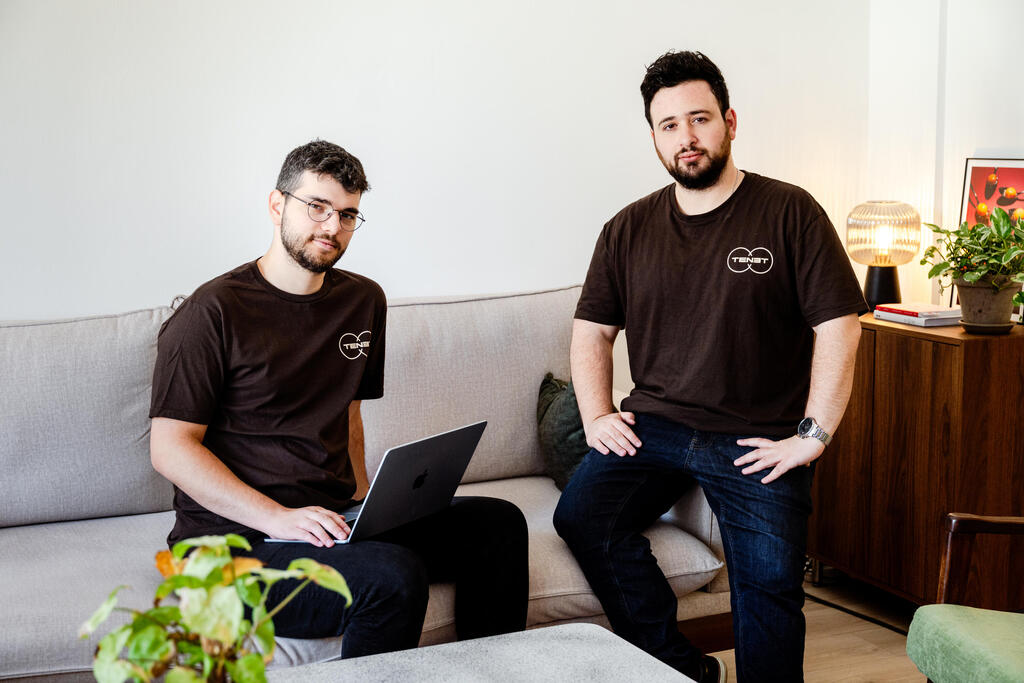
The founders, Barak Sternberg and Nevo Poran, aren't newcomers to this fight. Both are former Cisco cybersecurity researchers who spent years obsessing over AI defense. Their platform monitors agent behavior in real-time, effectively acting as a digital bouncer that blocks malicious activity before it can cause a breach. According to reports from Yahoo Finance, the core focus is stopping the manipulation of AI frameworks and preventing the kind of unauthorized data access that keeps CISOs up at night.
At the heart of Tenet’s research is a concept they’ve dubbed "Agentjacking." It’s a catchy term for a terrifying problem: attackers hijacking autonomous agents to run unauthorized commands or bleed sensitive data out of a company’s internal systems. By dissecting how these agents make decisions and what they output, Tenet claims they can spot the difference between a routine task and a malicious exploit.
The Operational Playbook
| Feature Category | Primary Objective |
|---|---|
| Real-time Monitoring | Detect and block risky AI agent behavior |
| Threat Research | Identify and analyze new AI-specific attack vectors |
| Access Control | Prevent unauthorized data exfiltration |
| Agentjacking Defense | Mitigate manipulation of autonomous workflows |
The reality is that traditional security tools are completely out of their depth here. Most firewalls and EDR solutions look for known patterns or malicious files—not a rogue AI agent that has been tricked into leaking a database. Because these agents often hold the keys to the kingdom, the potential for disaster is massive. Tenet’s strategy is to bake security directly into the agent framework, ensuring every move an AI makes is cross-referenced against the company's actual security policies.
As Ynetnews points out, the demand for this kind of specialized infrastructure is skyrocketing. Enterprises are betting the farm on large language models and autonomous agents to automate everything from customer service to backend operations. But as these systems scale, the "security gap" becomes a chasm. Tenet is positioning itself as the bridge, aiming to keep the wheels turning without leaving the back door wide open.
The threat landscape is moving at breakneck speed. Attackers are constantly finding new ways to exploit the logic and permissions granted to these systems, turning an agent’s autonomy against its creator. Tenet’s research team is essentially playing a high-stakes game of cat and mouse, updating their detection capabilities to keep pace with these evolving tactics. It’s a proactive stance that appeals to organizations that want to innovate without feeling like they’re gambling with their data.
The Bottom Line
- Funding: $6 million in seed capital, spearheaded by The Westly Group and MizMaa Venture.
- Leadership: Founded by former Cisco AI defense experts Barak Sternberg and Nevo Poran.
- Core Technology: A real-time analysis and control platform built specifically for autonomous enterprise AI agents.
- Primary Threat Focus: Stopping "Agentjacking," data leaks, and unauthorized system access.
- Strategic Goals: Aggressive product development, scaling the research team, and planting a flag in the North American market.
Integrating security into the AI lifecycle is no longer a "nice-to-have"—it’s becoming the industry standard. Tenet Security’s entry into the market underscores a broader shift: we are moving past the "AI hype" phase and into the "AI accountability" phase.
This $6 million investment gives the team the runway to tackle the technical headaches of monitoring complex, multi-step AI processes. By zeroing in on the vulnerabilities inherent in agent-based architectures, Tenet is trying to set the ground rules for how we secure our new, autonomous digital workforce. Their success will likely hinge on their ability to distinguish between legitimate innovation and dangerous exploitation in real-time—a challenge that is as much about human intuition as it is about machine code.