New Defense Bulletin Highlights Urgent Need for Quantum Readiness Against Harvest Now Decrypt Later Threats

TL;DR
- Adversaries are stealing encrypted data today to decrypt it later with quantum computers.
- Government records, AI models, and trade secrets are primary targets for HNDL attacks.
- Waiting for 'Q-Day' to upgrade security leaves intercepted data permanently compromised.
- Organizations must prioritize post-quantum cryptography migration to secure critical infrastructure assets.
The Cyber Threat Alliance (CTA) just dropped a wake-up call that’s impossible to ignore. Their latest report, "Approaching Quantum Dawn," released mid-February 2026, pulls the curtain back on a quiet but devastating strategy known as "Harvest Now, Decrypt Later" (HNDL).
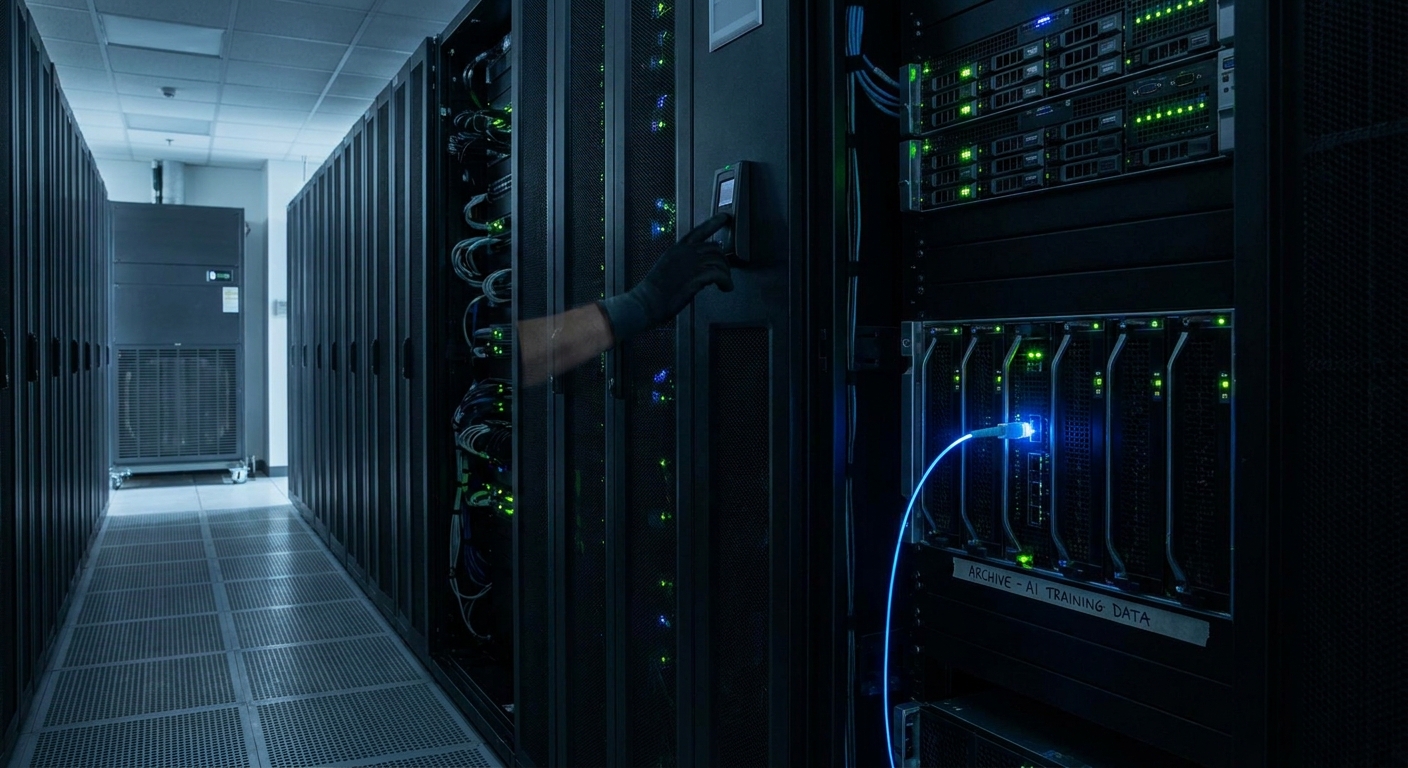
The premise is simple, terrifying, and already happening. Adversaries are vacuuming up encrypted data today—banking records, state secrets, intellectual property—and tucking it away in digital vaults. They have no way to read it yet. But they’re betting that eventually, they’ll get their hands on a cryptographically relevant quantum computer (CRQC). Once they do, all that "secure" data becomes an open book. It’s a race against a clock that’s ticking faster than we’d like to admit.
The Mechanics of the Long Game
Why bother stealing encrypted data you can’t read? Because some secrets have a long shelf life. If you’re a nation-state or a high-level cybercriminal, waiting ten or fifteen years for a payday is a drop in the bucket. By capturing traffic now, they are effectively bypassing the current limitations of classical computing. They’re playing the long game, waiting for the day Shor’s algorithm can tear through modern public-key standards like RSA and elliptic-curve cryptography.
According to research from Palo Alto Networks, the Harvest Now, Decrypt Later threat is particularly dangerous because the damage is done the moment the data is intercepted. You can’t "patch" a breach that happened five years ago. If your most sensitive data—government records, proprietary AI models, healthcare history—is snatched today, it’s already compromised. Waiting for "Q-Day"—the moment quantum computers break modern encryption—is a recipe for disaster. By then, the horse will have long since bolted from the barn.
AI: The New Frontier for Data Theft
The Cloud Security Alliance (CSA) has pointed a finger at AI infrastructure as a primary target for these HNDL campaigns. Think about it: AI systems are built on high-value gold mines—proprietary model weights, massive training datasets, and complex, multi-agent communication streams.
For a sophisticated actor, this is low-hanging fruit. Intercepting these assets during transit gives them the building blocks to reconstruct or manipulate future AI models. It’s not just about stealing a file; it’s about stealing the capability to build the next generation of intelligence. Transitioning to quantum-resistant security isn't just a "nice-to-have" IT upgrade—it’s a structural necessity for any modern AI pipeline. You can’t fix this with standard patching cycles. You need a total rethink of how these systems hold onto their secrets.
The Regulatory Race
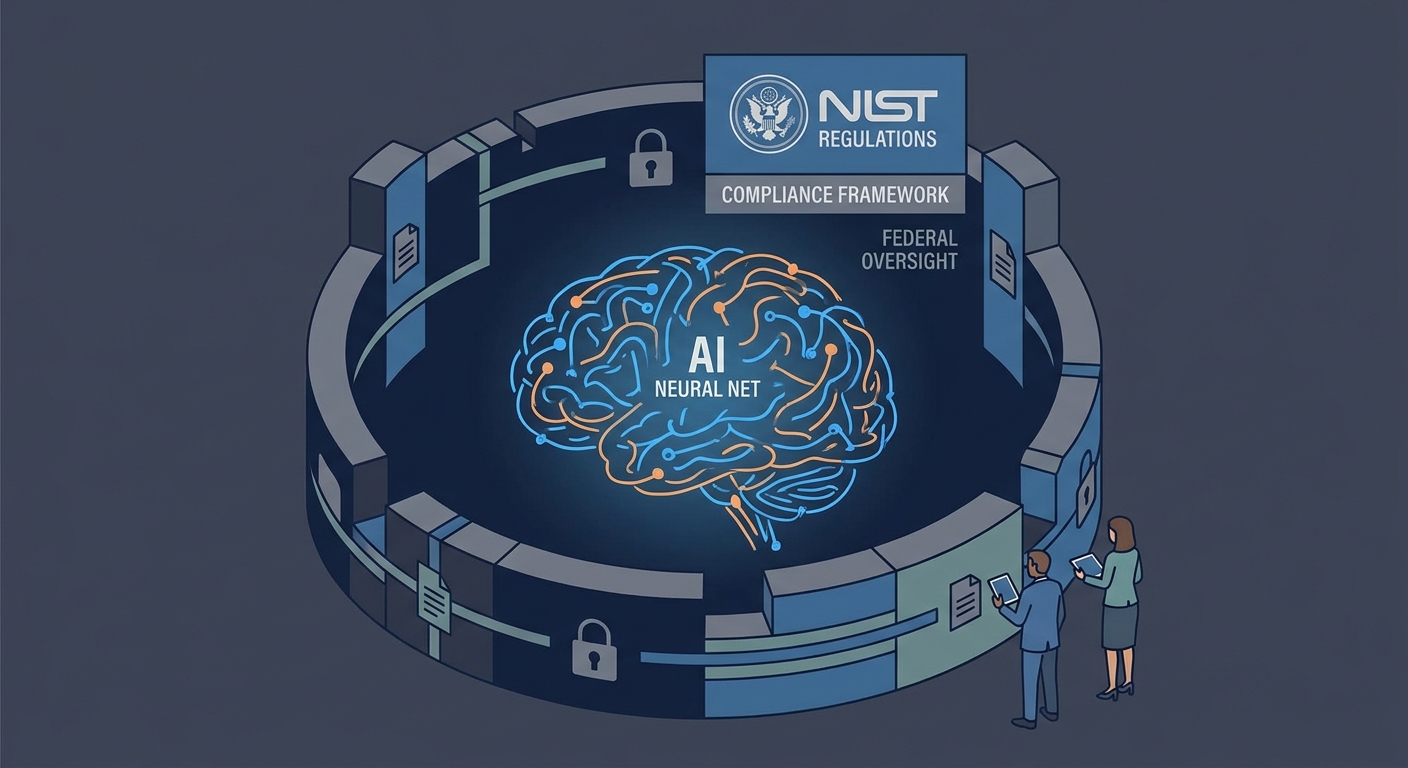
The powers that be have noticed. NIST finalized its initial set of post-quantum cryptographic (PQC) standards—FIPS 203, 204, and 205—back in August 2024. These aren't just suggestions; they’re the mathematical bedrock for the next era of encryption.
The NSA’s Commercial National Security Algorithm Suite (CNSA) 2.0 has laid out a roadmap that leaves very little room for foot-dragging. Here is how the timeline looks for those trying to stay ahead of the curve:
| Milestone/Standard | Deadline | Requirement |
|---|---|---|
| NIST FIPS 203, 204, 205 | August 2024 | Finalization of PQC standards |
| CNSA 2.0 Acquisitions | Jan 1, 2027 | New National Security Systems must support PQC |
| NIST |