Active Directory Certificate Services Now Supports Post-Quantum Cryptography for Windows Environments

TL;DR
- AD CS now supports ML-DSA for quantum-resistant digital signatures.
- Hybrid key exchanges (ML-KEM) protect Windows TLS against future quantum threats.
- Deployment mitigates "Harvest Now, Decrypt Later" data theft risks.
- Updates align with shifting internal PKI requirements for enterprises.
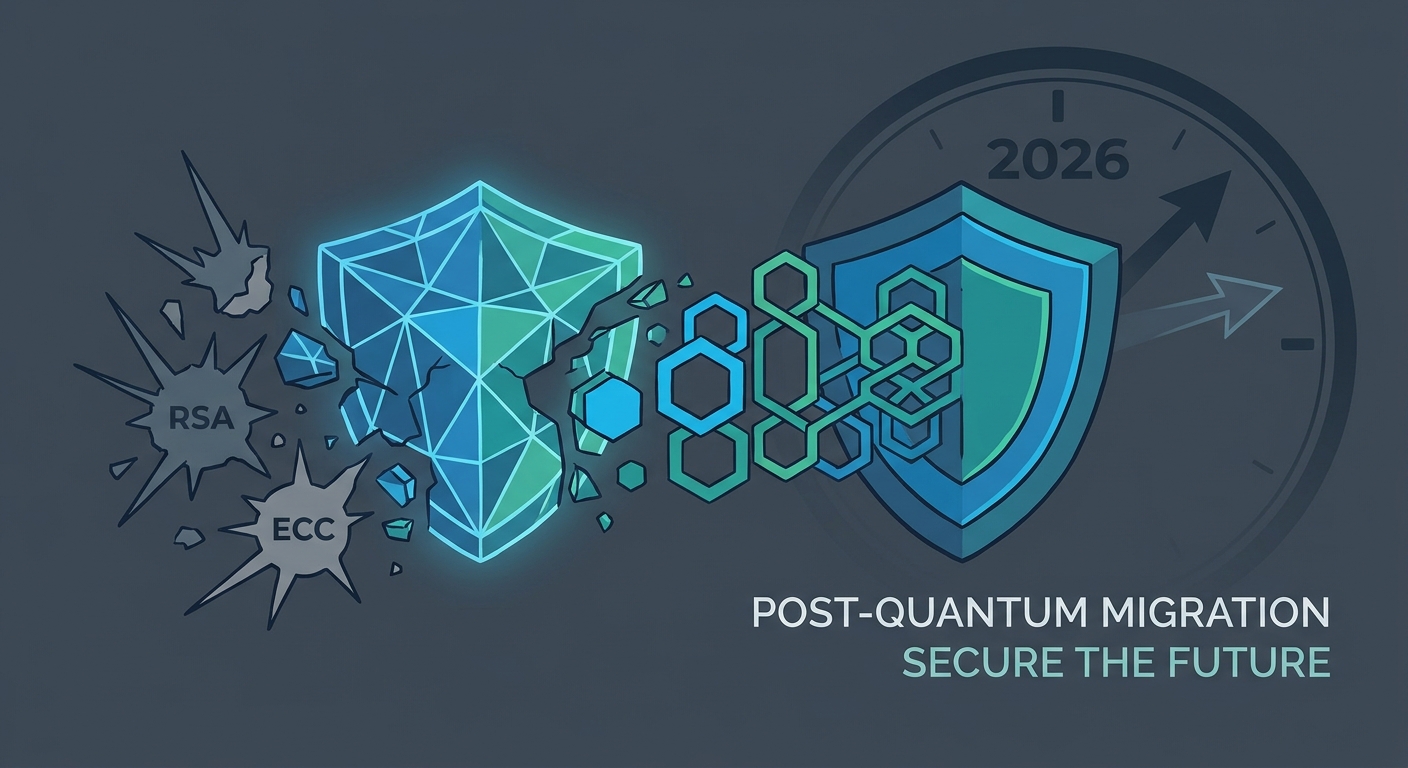
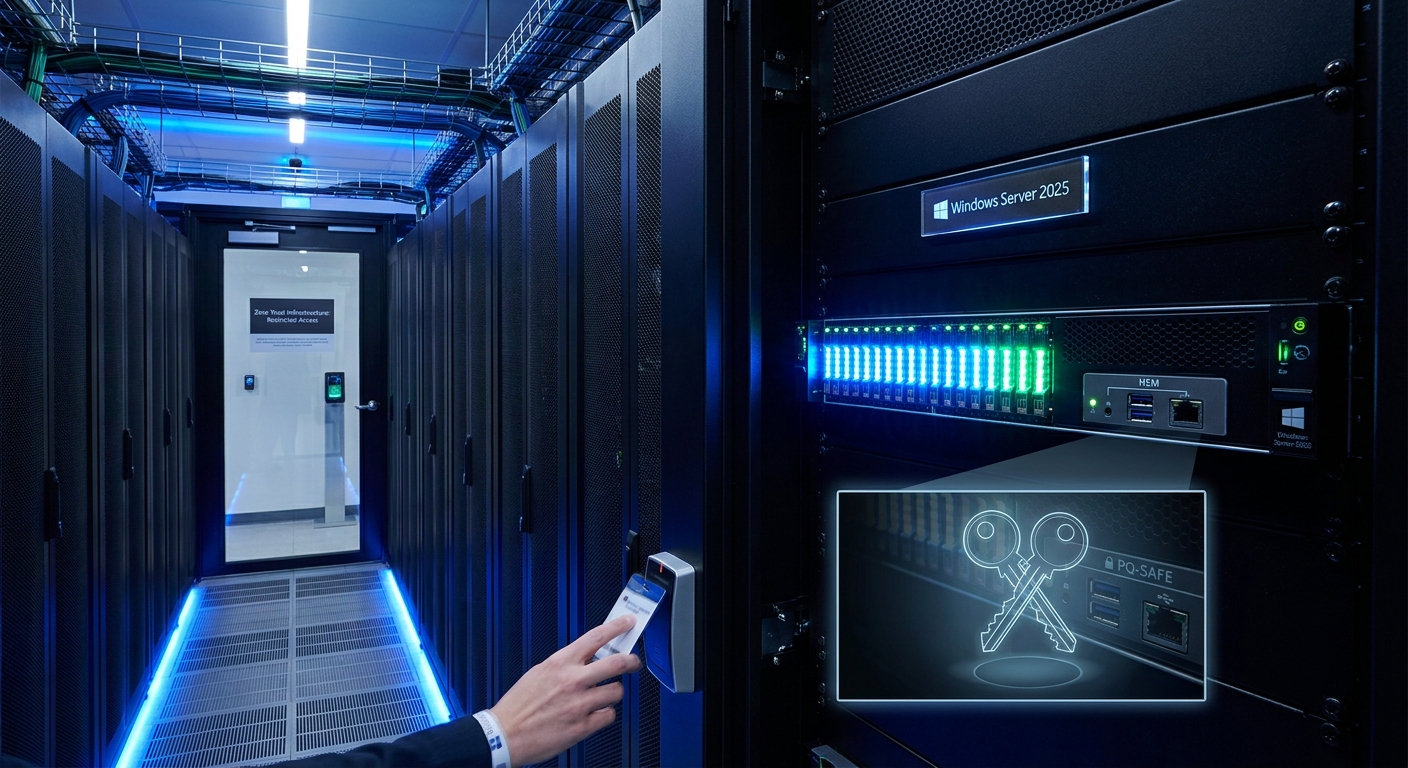
Microsoft has finally pulled the curtain back on Post-Quantum Cryptography (PQC) integration within Active Directory Certificate Services (AD CS). It’s a massive move for Windows shops, especially those keeping a nervous eye on the long-term threat of quantum computing. By baking the Module-Lattice-Based Digital Signature Algorithm (ML-DSA) into the platform, Microsoft is giving organizations the tools to start issuing certificates that won't crumble when the first truly capable quantum computers hit the scene.
This shift, unveiled at the Windows Server 2025 Summit, signals a fundamental change in how we handle enterprise identity. PKI frameworks are notoriously difficult to modernize—they’re often the "don't touch it, it works" part of the server room—but with Windows Server 2025, there’s finally a clear path toward quantum-resilient security for your internal workloads, VPN tunnels, and wireless authentication.
The "Harvest Now, Decrypt Later" Problem
Why the rush? It’s all about the "Harvest Now, Decrypt Later" game. Adversaries are currently vacuuming up encrypted traffic, storing it away like digital squirrels, waiting for the day they have the compute power to crack it. To stop them, Microsoft has integrated ML-DSA parameter sets—specifically ML-DSA-44, 65, and 87—directly into the AD CS workflow.
The timing couldn't be better. We are seeing a massive industry migration away from public certificate authorities for internal authentication. As outlined in this guidance on the end of public CA client authentication, major public CAs are stripping out the Client Authentication Extended Key Usage (EKU) from public TLS certs. That leaves enterprises with one choice: build and scale their own private PKI. AD CS just became a whole lot more important.
Hybrid Key Exchange: A Safety Net
It’s not just about digital signatures. The Windows TLS stack is also adopting hybrid quantum-safe key exchanges. By pairing traditional methods with the NIST-standardized ML-KEM (Module-Lattice-Based Key-Encapsulation Mechanism), Microsoft is hedging its bets.
| Hybrid Combination | Traditional Component | Quantum-Safe Component |
|---|---|---|
| X25519_MLKEM768 | X25519 | ML-KEM 768 |
| SecP256r1_MLKEM768 | SecP256r1 | ML-KEM 768 |
| SecP384r1_MLKEM1024 | SecP384r1 | ML-KEM 1024 |
This dual-layer approach is smart. If a quantum computer manages to break the lattice-based algorithm, your traditional elliptic curve encryption is still standing guard. It’s a defense-in-depth strategy that keeps you compatible with today’s hardware while preparing for tomorrow’s threats.
Operational Reality
For the sysadmins in the trenches, the good news is that this doesn't require a total rip-and-replace of your management skills. The integration of ML-DSA support in AD CS works within the interfaces you already know.
You’re looking at:
- Group Policy: Use standard GPOs to push PQC-ready certificate templates domain-wide.
- Intune (MDM): Distribute those quantum-safe profiles to endpoints without breaking a sweat.
- PowerShell: Script your way through high-volume certificate issuance and renewal, which is a requirement for any serious Zero Trust architecture.
If you’re looking for a deeper dive into the mechanics, Michael Waterman’s analysis of Windows Server 2025 and PQC is the gold standard for understanding how this plays out in the real world.
Scaling for Zero Trust
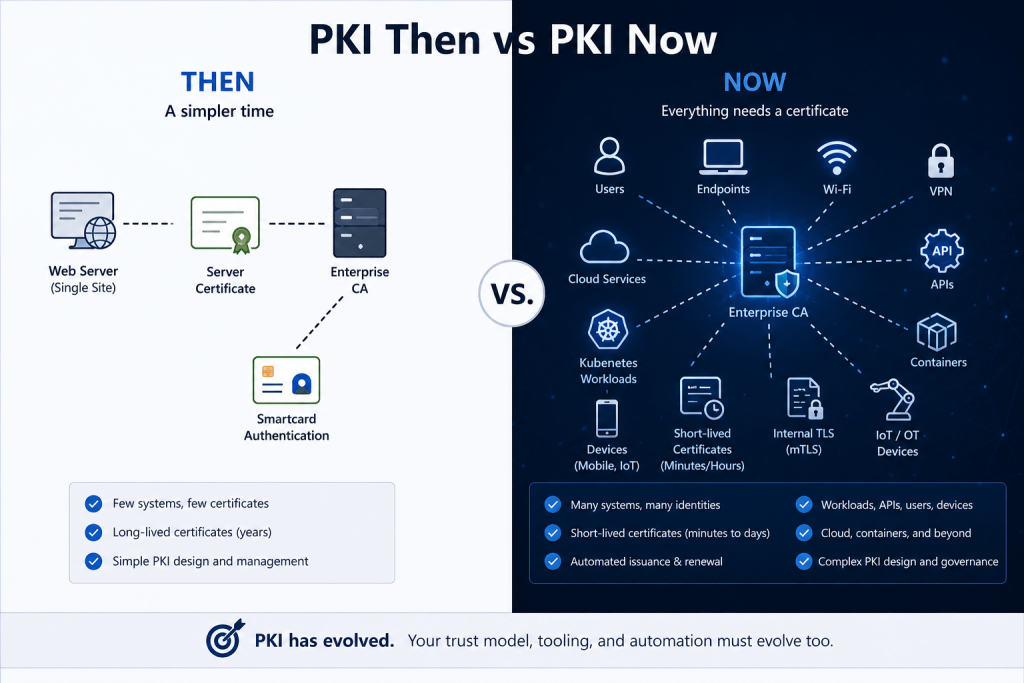
Let’s be honest: modern PKI is under immense pressure. Between microservices, automated workloads, and the explosion of device identities, legacy AD CS setups are often stretched to the breaking point. Adding PQC isn't just a security patch; it’s a chance to rethink how you scale.
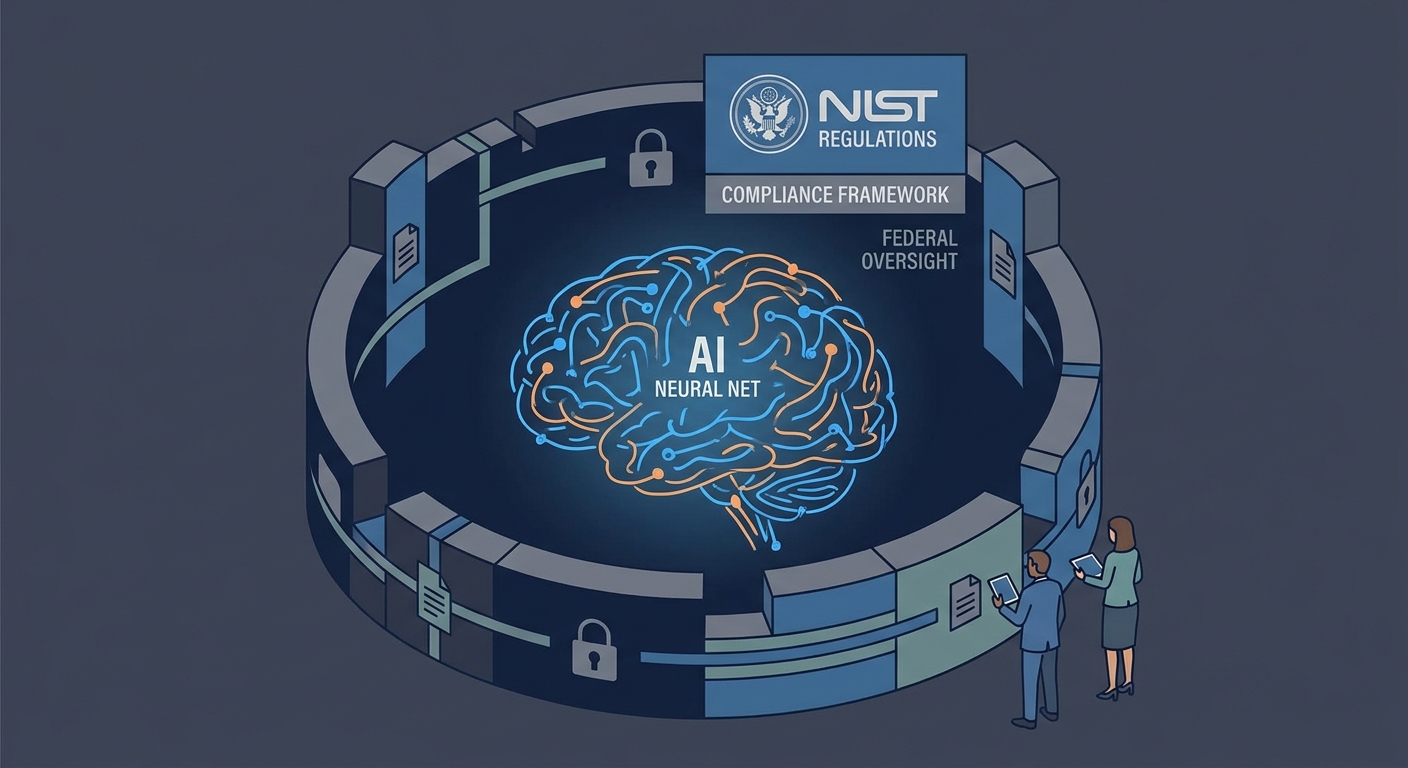
By getting ahead of these standards now, you’re aligning your infrastructure with NIST requirements before they become a compliance headache. For those who learn better by watching, channels like ITOpsTalk are covering these deployments, showing how these protocols behave in actual production environments.
The preview is currently live in the Windows Insider Program, so you can start kicking the tires on Windows 11 and Server 2025 today. The goal is simple: harden the network against quantum decryption without breaking the authentication flows that keep the business running.
If you need a visual guide to the configuration, this technical walkthrough shows exactly how to navigate the Windows Server 2025 console to get these settings active. As we inch closer to a post-quantum world, mastering these tools isn't just "nice to have"—it’s going to be the baseline for IT infrastructure management.