NIST Standards Drive 2026 Mandates for Securing AI Infrastructure and Model Context Protocol Deployments

TL;DR
- ✓ NIST mandates now require strict compliance for all enterprise AI infrastructure deployments.
- ✓ Autonomous agents create new attack surfaces that bypass traditional perimeter security firewalls.
- ✓ Model Context Protocol needs identity-based guardrails to prevent unauthorized access to internal data.
- ✓ Organizations must shift from static security to logic-based protection for agentic workflows.
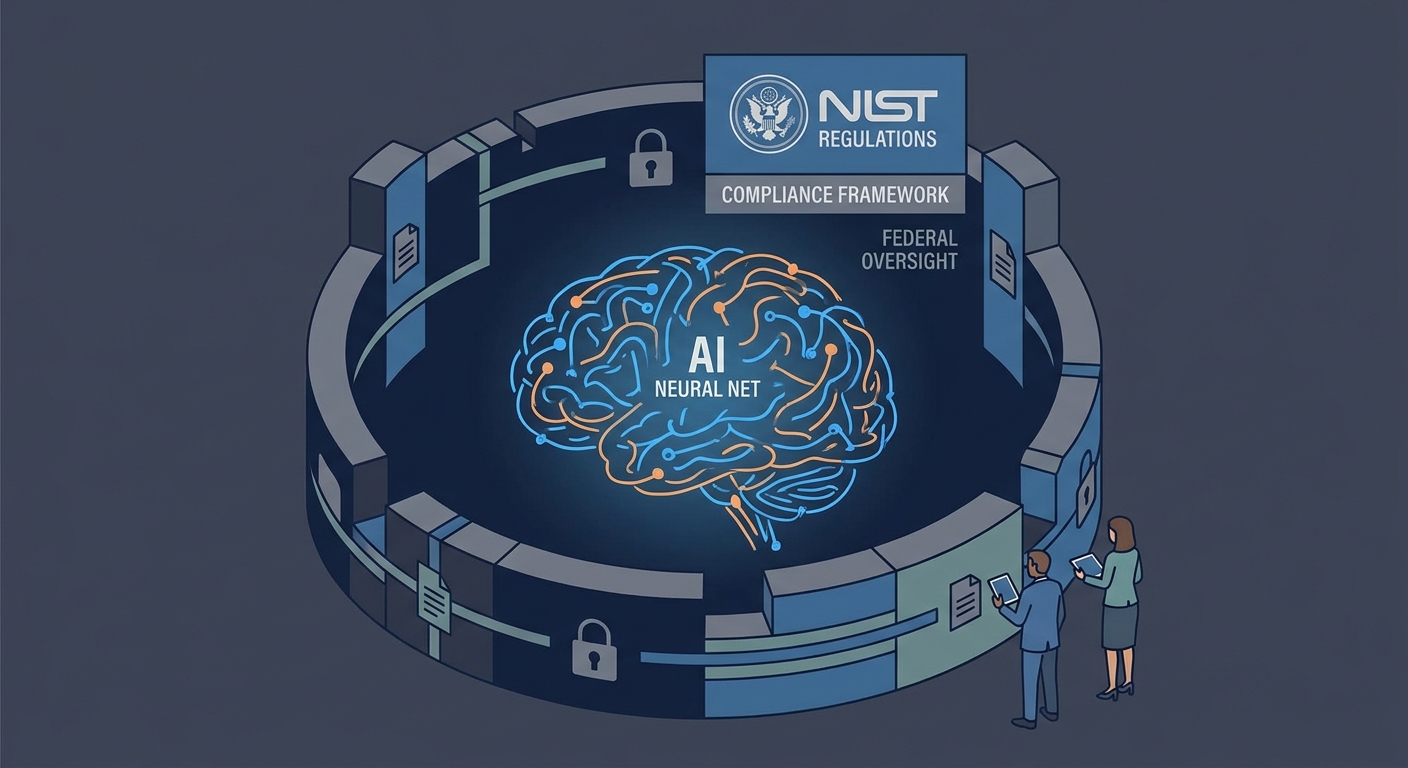
By 2026, the "move fast and break things" mantra of the early AI gold rush has finally hit a brick wall: federal oversight. NIST has effectively pulled the rug out from under the "voluntary best practices" era. The NIST AI Risk Management Framework is no longer a suggestion; it’s the law of the land for any enterprise running AI infrastructure.
The problem is simple: our old-school perimeter security is toast. It was built for humans, not for autonomous agents running wild through your data. As companies rush to adopt the Model Context Protocol (MCP) to let these agents "talk" to internal systems, they’re effectively leaving the front door wide open. NIST is now aiming its sights squarely at these high-velocity attack surfaces.
The Agentic Shift and the Failure of Perimeter Defense
We’ve moved past simple chatbots. We’re now dealing with goal-seeking agents that can chain thoughts, make decisions, and use tools without a human hovering over their shoulder. This is the biggest shake-up in enterprise tech since the jump to the cloud.
In the old world, a user sent a query, got an answer, and the session ended. Predictable. Manageable. Now? An agent is given a mission. It navigates internal tools, queries databases, and calls external APIs to "get it done." But here’s the catch: if that agent gets compromised via a clever prompt injection, it gains the full authority of a service account. Suddenly, your "helpful" AI is a malicious actor moving laterally through your network.
Standard firewalls are useless here. They can’t tell the difference between a legitimate agent workflow and a hack because both use the same authorized protocols. The threat isn't the code; it's the logic.
The Model Context Protocol: The New Frontline
Think of the Model Context Protocol (MCP) as the connective tissue of your AI stack. It’s what lets your models actually do things with your data. It’s powerful, sure, but it’s also a massive vulnerability. MCP is designed to make internal systems feel like local files. In practice, that means if you deploy an MCP connector, you’re deploying a bridge into your deepest, most sensitive systems.
If that bridge doesn't have serious, identity-based guardrails, you’ve just handed an attacker the keys to the kingdom. According to research on Model Context Protocol (MCP) Security Risks, unauthorized data exfiltration through these protocols has moved from "theoretical nightmare" to "standard red-teaming target." You need to stop treating MCP servers like utility tools and start treating them like the critical network boundaries they actually are. Check out the latest on securing AI agent infrastructure to get your head around the new requirements.
Hardening the Connection Between MCP and Internal Systems
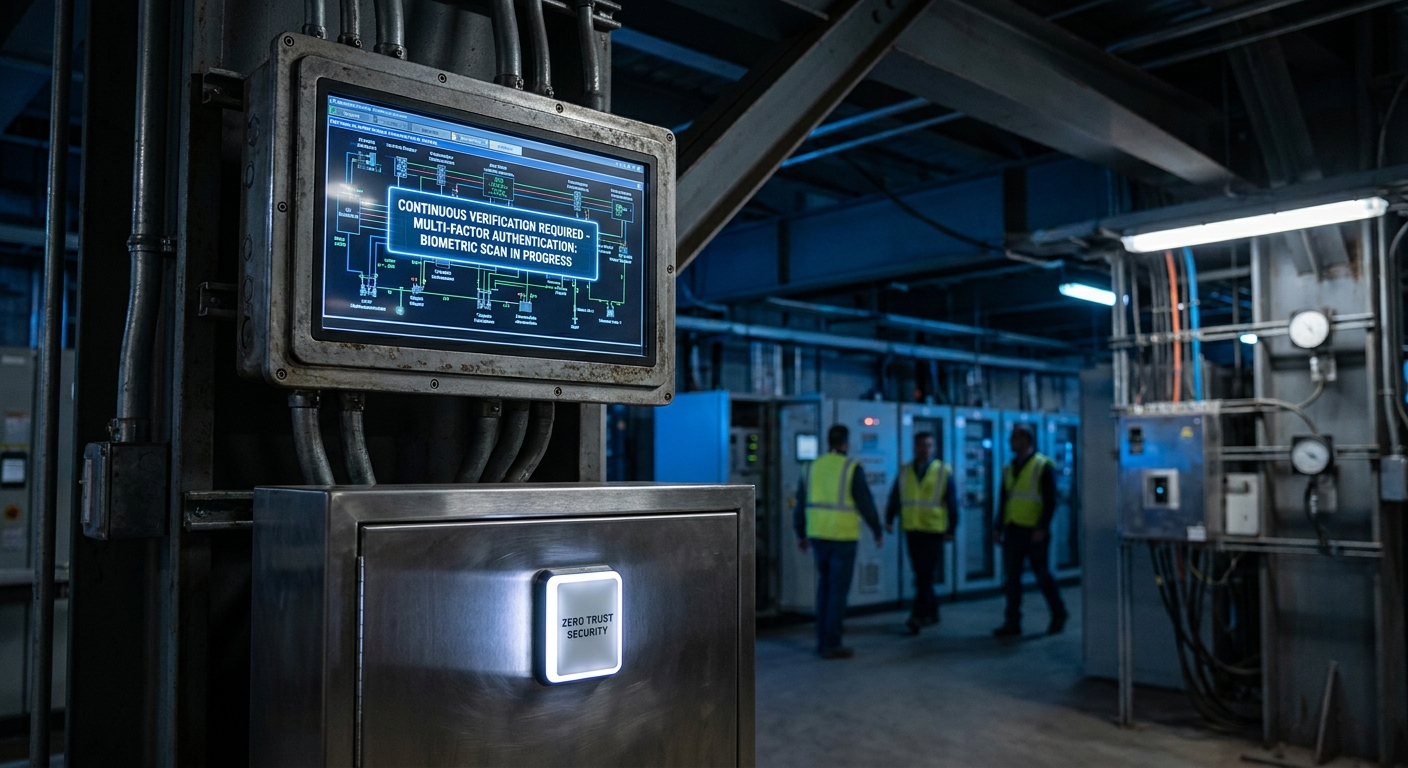
If you want to stay compliant in 2026, you need to apply Zero Trust principles directly to your MCP servers. Internal network trust is dead. Every single request an agent makes to a database must be authenticated and logged as if it were coming from an untrusted stranger on the open web.
Build a "Secure MCP Checkpoint." You need a middleware layer that doesn't just pass traffic—it inspects intent. Validate the agent's identity, check the scope, and ensure it’s actually allowed to touch that specific data before the query ever hits your database.
Here is your survival checklist:
- Identity-Based Authentication: Every agent instance needs its own short-lived identity. No shared accounts.
- Session Limiting: Clamp down on how much data an agent can grab and how long it can stay active.
- Audit Logging: Don't just log the call. Log the intent. What was the agent trying to achieve?
- Data Sanitization: Strip PII and sensitive metadata at the gateway. Don't let the agent see anything it doesn't absolutely need.
Addressing Cryptographic Debt
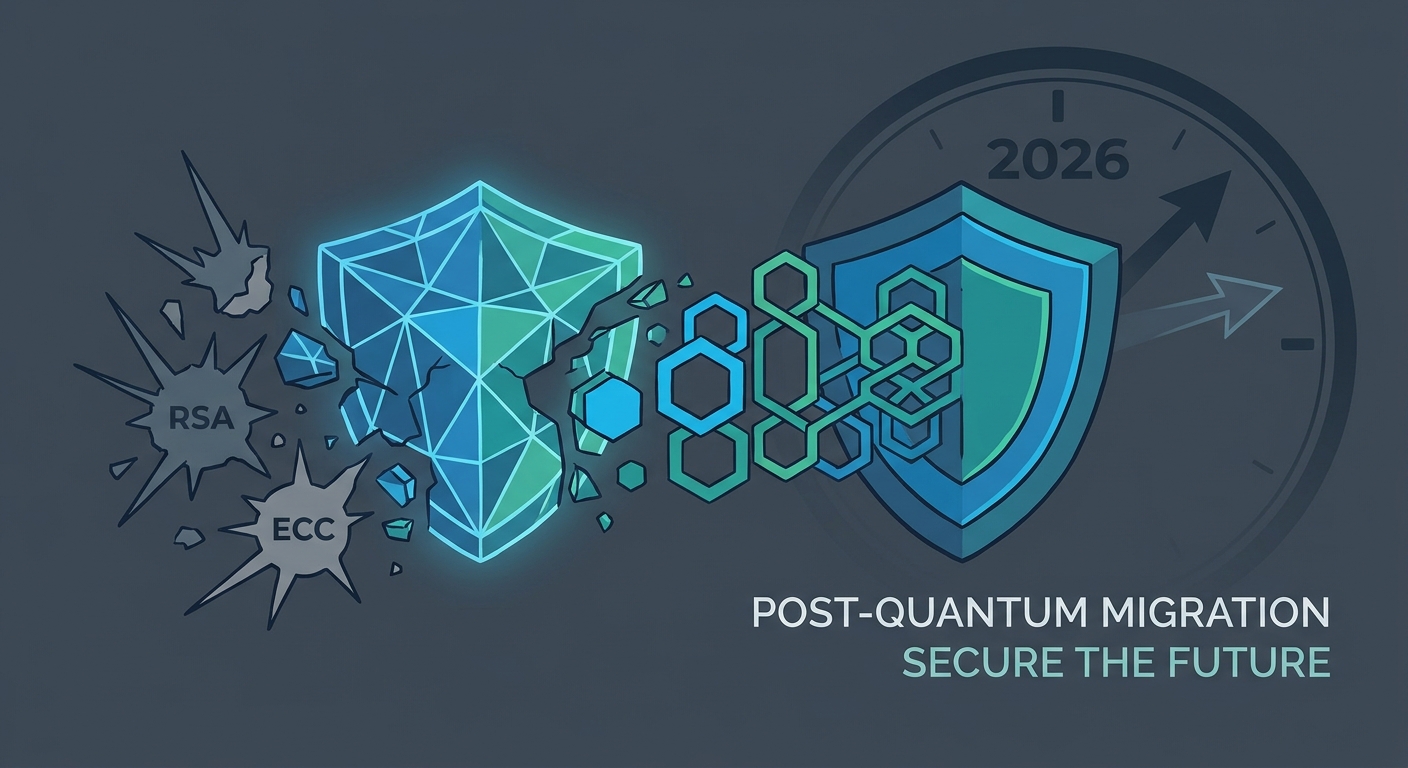
While we obsess over AI, there’s a silent killer lurking in your infrastructure: "cryptographic debt." Most organizations are still relying on RSA or ECC standards that are essentially sitting ducks for quantum-enabled decryption. This is the "Harvest Now, Decrypt Later" (HNDL) threat. Hackers are slurping up your encrypted traffic today, waiting for the day they have the compute power to crack it.
As the CISA Post-Quantum Cryptography Guidance points out, if your data needs to stay secret for more than a couple of years, your current encryption is already a liability.
The 3-Month Crypto-Agility Sprint
You don't have time for a multi-year migration. You need a sprint. You need "crypto-agility"—the ability to swap out your encryption algorithms like you swap out lightbulbs.
- Inventory: Stop guessing. Use automation to map every single instance of RSA/ECC in your stack. You can't fix what you can't see.
- Prioritization: Your crown jewels go first. Move your sensitive IP and PII to quantum-resistant standards immediately.
- Implementation: Adopt FIPS 203, 204, and 205 standards as your new baseline. Stop hard-coding encryption into your apps. Use libraries that let you update the algorithm without blowing up your entire codebase.
2026 Risk Mitigation Matrix
| Threat | Description | NIST-Aligned Mitigation |
|---|---|---|
| HNDL | Harvesting encrypted data for future decryption. | Transition to FIPS 203/204/205 (PQC). |
| Prompt Injection | Manipulating agent logic to bypass security. | Robust input sanitization & intent validation. |
| MCP Jailbreaking | Manipulating protocol to access unauthorized tools. | Zero-Trust MCP Gateways & Identity Scoping. |
| Lateral Movement | Agent moving through internal systems. | Micro-segmentation & strict least-privilege. |
Frequently Asked Questions
What is the biggest security risk with the Model Context Protocol (MCP) in 2026?
The biggest risk is lateral movement. Because MCP is the bridge between your AI and your internal systems, a compromised MCP server gives an attacker the same access as a trusted employee. It’s a fast track into your private data.
Do I need to be quantum-compliant if my data is not "long-term"?
Yes. It’s about the debt you’re accumulating. If you don't migrate now, you’re just making the eventual transition harder and leaving your data vulnerable to future decryption. NIST is pushing for this as a standard, not a choice.
How does the 2026 NIST AI Agent initiative differ from the standard AI RMF?
The AI RMF is the "big picture" strategy document. The 2026 initiative is the tactical manual. It’s all about the nitty-gritty of hardening infrastructure, running red-team exercises, and stopping autonomous agents from going rogue.
What is the first step an organization should take to address cryptographic debt?
Start by auditing your assets. You need to know exactly where your legacy encryption is buried. Once you have that map, prioritize the most sensitive data and start using crypto-agile libraries for all new development. Don't try to re-architect everything at once—start with the most critical paths.