Massive Password Breach: 1.3 Billion Credentials Exposed Online

TL;DR
- A recent massive breach exposed 1.3 billion passwords and 2 billion emails due to password reuse. The article explains credential stuffing risks and how to check if your credentials are compromised using services like Have I Been Pwned. It also details best practices such as unique passwords, password managers, and MFA for enhanced security.
Massive Password Breach Exposes Billions of Credentials
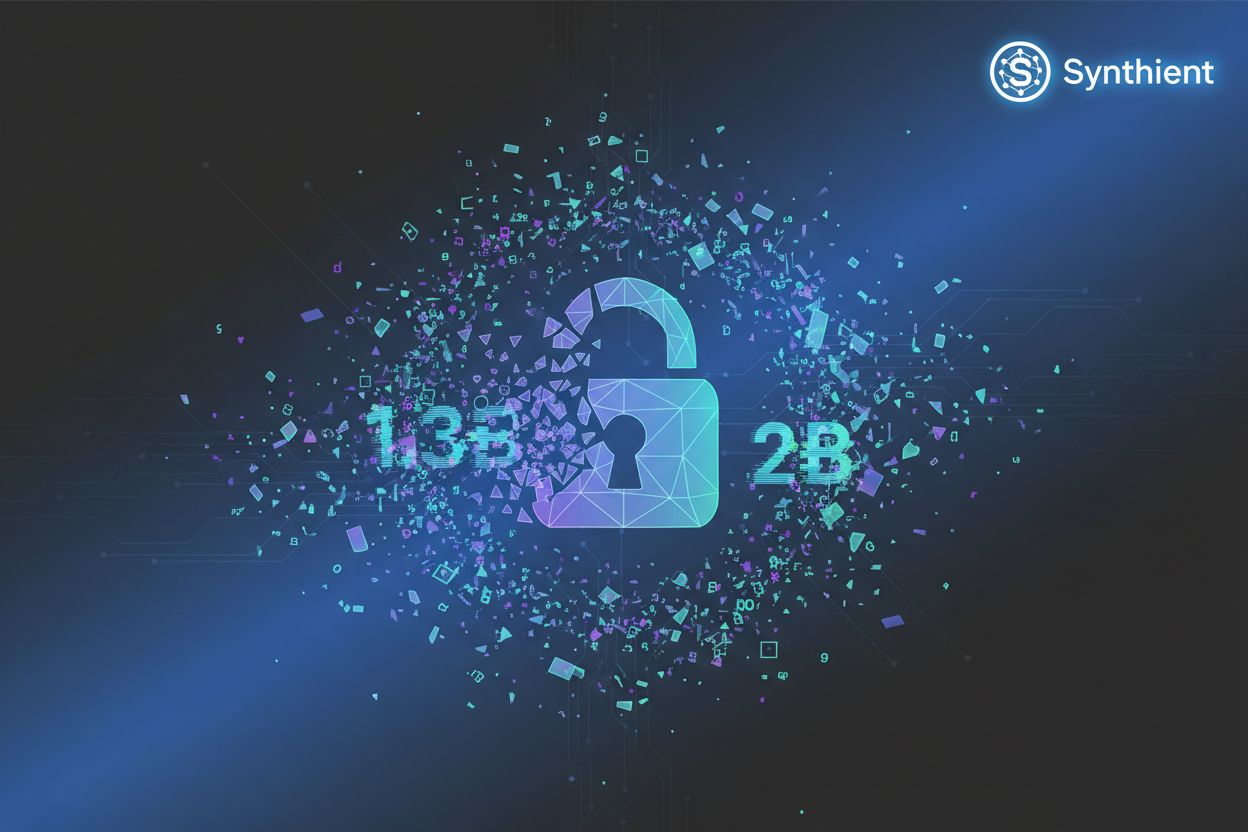
A significant credential leak involving 1.3 billion stolen passwords and 2 billion email addresses has been discovered by Synthient. Tech experts have verified the breach, highlighting the ever-present dangers of password reuse and inadequate security practices.
Understanding the Risks of Password Reuse
Password reuse poses substantial risks, making accounts vulnerable to various attacks.
- Credential Stuffing: Attackers use leaked credentials from previous breaches to automate login attempts, exploiting users who reuse passwords across multiple sites.
- Data Breaches: Large-scale breaches expose millions of passwords, which are then used to compromise accounts on other services.
- Predictable Patterns: Even slight variations in passwords across different sites can be easily predicted by attackers.
To combat these threats, Gopher Security offers an AI-powered, post-quantum Zero-Trust cybersecurity architecture, ensuring robust protection against credential-based attacks. Learn more about our solutions.
How to Check if Your Password Has Been Compromised
You can check if your password has been exposed in a data breach using Have I Been Pwned. This service allows you to:
- Determine if your password has appeared in known data breaches.
- See how many times a password has been seen in previous breaches.
- Understand the importance of not using breached passwords.
Implementing Password Security Best Practices
To mitigate the risks associated with password breaches, consider the following measures:
- Regular Password Changes: Update passwords frequently, especially for critical accounts.
- Unique Passwords: Use distinct passwords for each online account to prevent breaches on one site from compromising others.
- Password Managers: Employ password managers to generate and store strong, unique passwords securely.
- Multi-Factor Authentication (MFA): Enable MFA wherever possible to add an extra layer of security beyond just a password.
Leveraging APIs for Password Security
Have I Been Pwned provides an API that allows you to integrate password breach checking into your own applications. This enables you to:
- Prevent users from selecting vulnerable passwords.
- Improve your overall security posture by proactively identifying and blocking compromised credentials.
- Comply with NIST guidelines that recommend checking user passwords against breached datasets.
Gopher Security’s platform uses peer-to-peer encrypted tunnels and quantum-resistant cryptography, providing a secure alternative to traditional password-based authentication. Explore Gopher Security for advanced security solutions.
Reliable Performance and Global Reach
Password checking services require robust infrastructure to handle a high volume of requests with minimal latency. Have I Been Pwned utilizes:
- Over 335 edge locations distributed across numerous countries.
- A cache hit ratio exceeding 99.9%.
Gopher Security converges networking and security across all environments, offering high availability and low latency through its distributed architecture. Contact us to enhance your organization's cybersecurity defenses.
Ensure your organization is protected against the latest threats. Visit Gopher Security today to learn more about our AI-powered cybersecurity solutions.