Ransomware Expands Targeting Linux and VMware ESXi Systems

Linux Ransomware Threat Landscape
Overview of Ransomware Targeting Linux
Ransomware has evolved rapidly to target Linux systems, previously seen as safe from such attacks. This shift is fueled by the extensive use of Linux in cloud environments and critical workloads. With over 80% of public cloud workloads powered by Linux, attackers are increasingly exploiting its vulnerabilities. Traditional defenses are inadequate against these sophisticated threats.
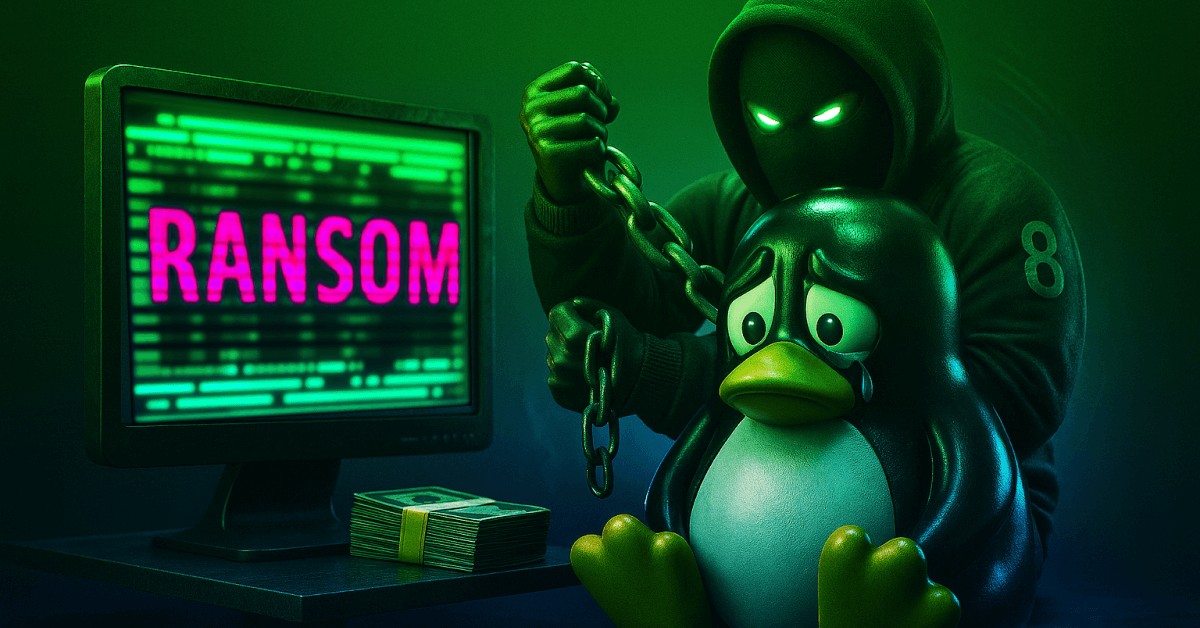
Image courtesy of Morphisec
Key Ransomware Variants
BERT Ransomware
BERT ransomware, also known as "Water Pombero," has emerged as a significant threat targeting both Linux and ESXi systems. Active since April, it utilizes multithreaded encryption to encrypt data quickly, making it a formidable opponent.

Image courtesy of Linux Security
Key features of BERT include:
- Targeting ESXi VMs directly, enforcing shutdowns to maximize downtime.
- Modular design allowing for customization in attack methods.
- Similarities to previous ransomware, indicating a calculated approach.
For more information, visit Trend Micro's analysis.
Helldown Ransomware
The Helldown ransomware group has recently expanded its operations to include Linux systems. This variant operates under a double-extortion model, exfiltrating sensitive data before encrypting files.
Image courtesy of Infosecurity Magazine
Notable characteristics:
- Exploits vulnerabilities in Zyxel firewalls for initial access.
- Focuses on VMware ESX servers, with features to shut down VMs prior to encryption.
- Relatively simpler than its Windows counterpart, indicating potential for further development.
For additional details, refer to the Sekoia report.
Attack Strategies
Evasive Techniques
Modern ransomware employs advanced tactics like fileless execution and living-off-the-land techniques, making detection challenging. Attackers leverage built-in Linux tools, executing malicious code in memory without leaving traditional artifacts.
- Fileless Execution: Utilizing Bash scripts and cron jobs for in-memory attacks.
- Double Extortion: Encrypting data while simultaneously exfiltrating sensitive information.
- Targeting Cloud and DevOps: Exploiting misconfigurations in cloud-native environments.
For strategies against these threats, consider Morphisec's Anti-Ransomware Assurance Suite.
Response Challenges
Traditional defenses are inadequate in the face of evolving ransomware threats. Most rely on reactive detection tools, which often fail against in-memory attacks. Key reasons for failure include:
- Inability to detect memory-based threats.
- Fragmentation across various Linux distributions.
- Resource constraints limiting the effectiveness of protection.
Organizations must transition to a preemptive defense model to neutralize threats before execution. The prevention-first strategy is essential to safeguard Linux systems.
Recommendations for Organizations
To mitigate the risks posed by ransomware, organizations should adopt the following practices:
Patch Management
Regular updates and patches for systems, particularly network devices like firewalls, are crucial. Delaying these updates can lead to vulnerabilities.
Backup Strategy
Implement immutable backups that cannot be altered by ransomware. Test recovery workflows regularly to ensure effectiveness.
Access Controls
Utilize role-based access control (RBAC) to enforce least privilege practices. Network segmentation for critical resources can limit exposure.
Monitoring and Response
Implement a SIEM solution to detect unusual activity, such as unexpected file encryption attempts or outbound traffic to known malicious IPs.
Virtualization Security
For organizations using virtual machines, tighten security on ESXi hosts by disabling unnecessary services and monitoring VM activity closely.
Conclusion
The landscape of ransomware targeting Linux systems is evolving rapidly, posing significant risks to organizations across various sectors. As attackers refine their techniques, organizations must enhance their defenses and adopt proactive measures to mitigate potential threats.
For organizations seeking robust protection against ransomware, explore the services offered by Gopher Security to safeguard your Linux environments effectively.