2026 Industry Report Maps Strategic Migration Path for Quantum-Resistant Enterprise Data Protection


TL;DR
- Quantum computers threaten to break current RSA and ECC encryption by 2030.
- 'Store Now, Decrypt Later' attacks make immediate data protection a critical priority.
- NCSC and federal mandates require full PQC migration completion by 2035.
- Organizations must inventory encryption assets and upgrade legacy hardware security modules.
- The quantum-safe market is projected to reach $10 billion by 2032.
2026 Industry Report: The Race to Quantum-Proof Enterprise Data
The ground is shifting beneath the feet of enterprise security teams. We’re staring down the barrel of fault-tolerant quantum computers (FTQC), and the timeline is tighter than many executives want to admit. If the experts are right—and they usually are—these machines will have the muscle to crack RSA and ECC encryption by 2028 or 2030. What was once a "future problem" for the next generation of IT leaders has suddenly become a federal-level emergency.
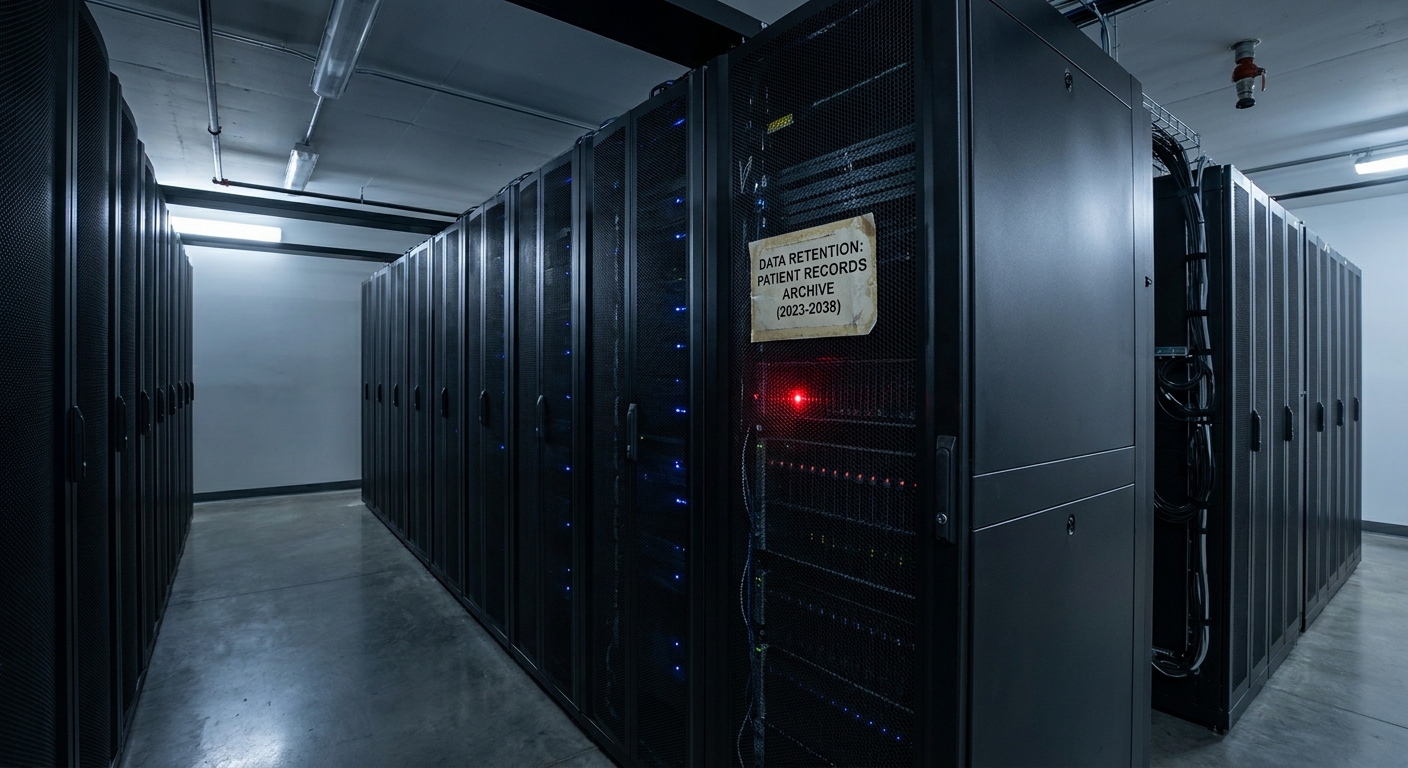
The real ghost in the room? "Store Now, Decrypt Later" (SNDL). Adversaries aren't just waiting for quantum hardware to arrive; they’re vacuuming up encrypted data today, hoarding it like digital gold, waiting for the day they can flip a switch and turn that gibberish into plain text. If your intellectual property, medical records, or national security data needs to stay secret past 2030, your window to act is slamming shut.
The market is reacting, and the numbers are staggering. We’re looking at a sector ballooning from $850 million in 2024 to a projected $10 billion by 2032, potentially hitting $45 billion by 2035. This isn't just about buying new software; it’s a massive, systemic overhaul of the legacy infrastructure that holds the modern world together.

The Regulatory Clock is Ticking
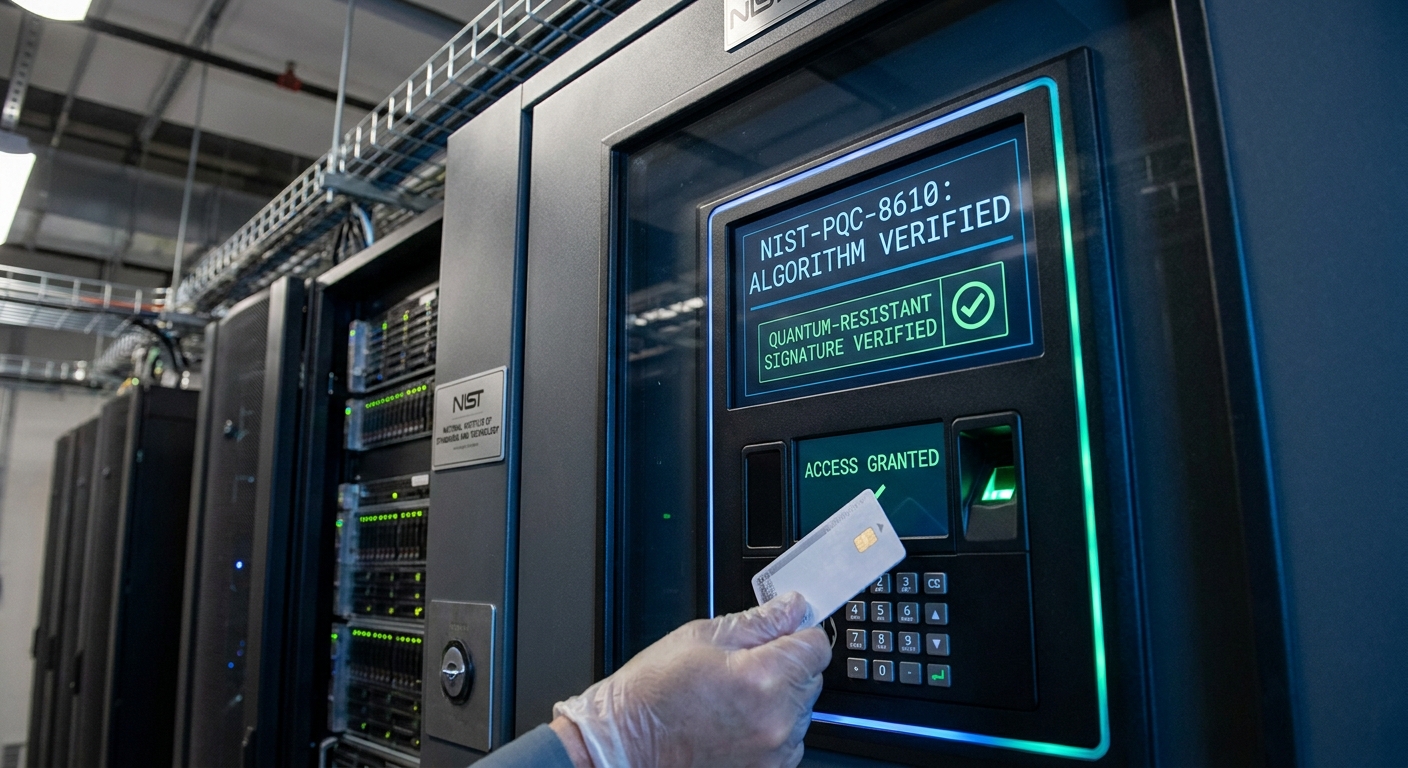
The White House’s March 2026 Cyber Strategy didn't mince words: post-quantum cryptography (PQC) is now a top-tier federal priority. To help organizations navigate this, the National Cyber Security Centre (NCSC) has rolled out a formal PQC migration timeline. It’s a roadmap for the terrified and the prepared alike.
The NCSC’s phased approach is pragmatic, if demanding:
- By 2028: Stop guessing. You need a full inventory of your encryption assets and a concrete migration plan. If you don't know where your keys are, you can't protect them.
- By 2031: The heavy lifting begins. High-priority systems need to be transitioned, and the long-term roadmap for the rest of your architecture must be locked in.
- By 2035: The finish line. Full migration across all systems, services, and products.
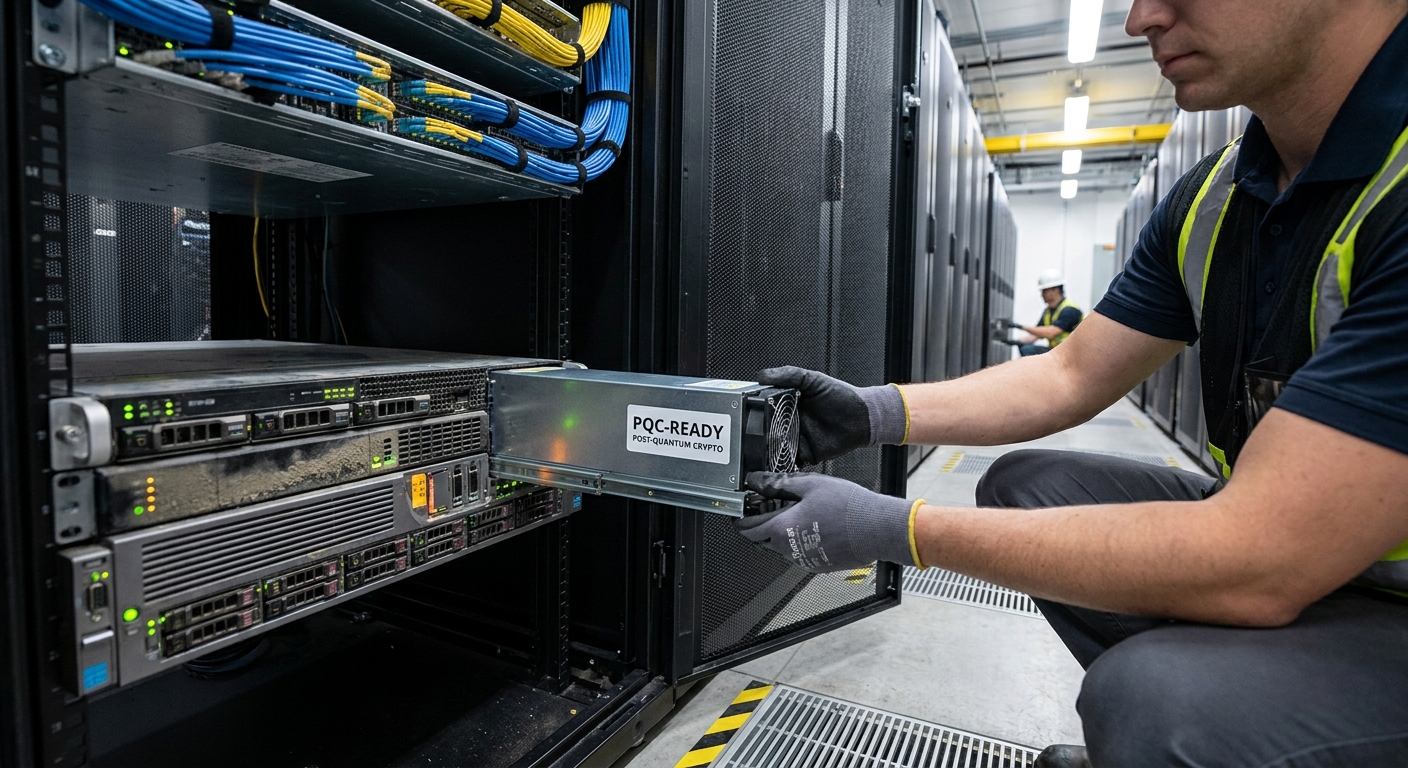
If you’re just starting to prepare for post-quantum cryptography, don't treat this like a standard patch Tuesday. This is structural engineering. We’re talking about certificate sizes ballooning by 5x to 10x, slower signature generation, and the very real possibility that your existing Hardware Security Modules (HSMs) are headed for the scrap heap.
Market Realities and Technical Hurdles
The industry is finally waking up. At the OFC 2026 conference, industry leaders demonstrated integrated post-quantum security solutions aimed at bridging the chasm between the systems we have and the security we need.
Companies like Quantum Secure Encryption Corp. (QSE) are moving fast. Their launch of the QPA v2 platform is a direct response to the chaos, focusing on automating the discovery of vulnerabilities. They’ve even expanded into the public sector through a pilot with the Municipal Information Systems Association (MISA). When local governments start worrying about quantum threats, you know the issue has gone mainstream.
The Technical Ledger
Transitioning to PQC isn't a free lunch. Here is the technical reality check for your IT department:
| Impact Category | Technical Consequence | Mitigation Requirement |
|---|---|---|
| Certificate Size | Increases by 5x–10x | Network bandwidth and storage optimization |
| Processing Time | Slower signature generation | Upgraded cryptographic accelerators/HSMs |
| Hardware | Legacy HSM incompatibility | Replacement of aging security hardware |
| Data Lifecycle | SNDL risk for long-term data | Prioritization of high-value, long-term assets |
Survival Strategy: The Hybrid Approach
How do you keep the lights on while swapping out the foundation? Most organizations are opting for a "hybrid" cryptographic model. By layering classical and post-quantum algorithms, you ensure that even if one layer is compromised, you aren't left completely exposed. It’s a belt-and-suspenders approach for the quantum age.
But this requires a ruthless audit of your data lifecycle. What actually needs to be protected for decades? If it’s high-value, it goes to the front of the line.
As we push toward 2035, manual management will become a relic of the past. You can’t track thousands of endpoints with a spreadsheet. The future belongs to automated discovery tools. And this isn't just an IT problem anymore. Because PQC migration touches every vendor and supply chain partner you have, your procurement and legal teams need to be in the room. One insecure third-party component is all it takes to create a "quantum blind spot" that compromises your entire network.
The path forward is clear: inventory your dependencies, follow the NCSC milestones, and accept that the era of "set it and forget it" encryption is over. The quantum clock is ticking—are you ready?