Security Experts Warn RSA and ECC Algorithms Face Imminent Obsolescence From Quantum Computing Advancements

TL;DR
- RSA and ECC encryption are becoming obsolete due to quantum computing advancements.
- Experts predict quantum machines will crack standard encryption by 2029.
- Estimates for the qubits required to break encryption have dropped significantly.
- "Harvest now, decrypt later" attacks pose an immediate threat to long-term data.
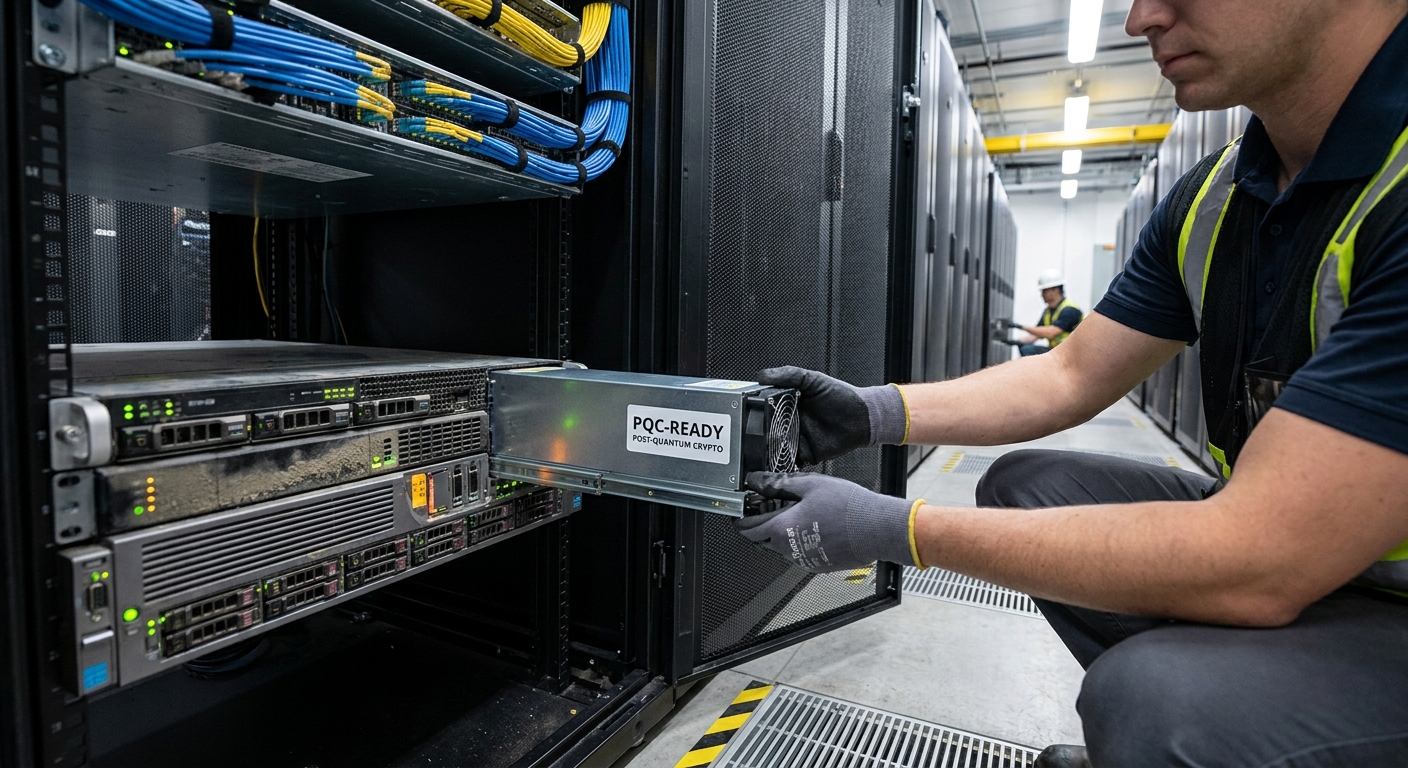
- Organizations must prioritize post-quantum migration to secure critical infrastructure.
The Clock is Ticking: Why RSA and ECC Are Nearing Their Expiration Date
We’ve spent decades building the internet on a foundation of math that seemed unbreakable. RSA and ECC—the invisible gatekeepers of our banking, our private messages, and our digital identities—are suddenly looking a lot more fragile. We’re hurtling toward "Q-Day," a theoretical but increasingly inevitable moment when quantum computers stop being science experiments and start being code-breaking engines.
Major players like Google and Cloudflare have circled 2029 on their calendars. That isn’t just a suggestion; it’s a deadline. If you aren’t thinking about post-quantum cryptography yet, you’re already behind.
The problem comes down to a fundamental mismatch in physics. Classical computers are linear; they chew through problems one bit at a time. Quantum machines, however, play by different rules. By leveraging qubits and the strange, counterintuitive phenomenon of superposition, they can tackle mathematical knots that would take a standard supercomputer until the heat death of the universe to untie. RSA and ECC rely on the difficulty of factoring massive prime numbers. For a quantum computer, that’s not a challenge—it’s a triviality.
The Goalposts Are Moving Faster Than We Thought
If you think we have plenty of time, look at the numbers. The progress in the last year alone has been staggering. Back in May 2025, the industry consensus was that you’d need roughly 20 million qubits to crack RSA-2048. By March 2026? That estimate plummeted to under 100,000.
This isn’t just about building bigger, clunkier hardware. It’s about algorithmic efficiency and better error correction. We’re getting smarter at making these machines work, which means the "quantum threat" is arriving on our doorstep much sooner than the experts originally predicted.
Consider ECC-256, the backbone of everything from your personal crypto wallet to the secure handshake that keeps your browser safe. It’s estimated that a sufficiently powerful quantum computer could tear through that security in about nine minutes. Nine minutes. That’s barely enough time to grab a coffee, yet it’s all the time a bad actor would need to compromise the digital infrastructure of a global enterprise.

The "Harvest Now, Decrypt Later" Strategy
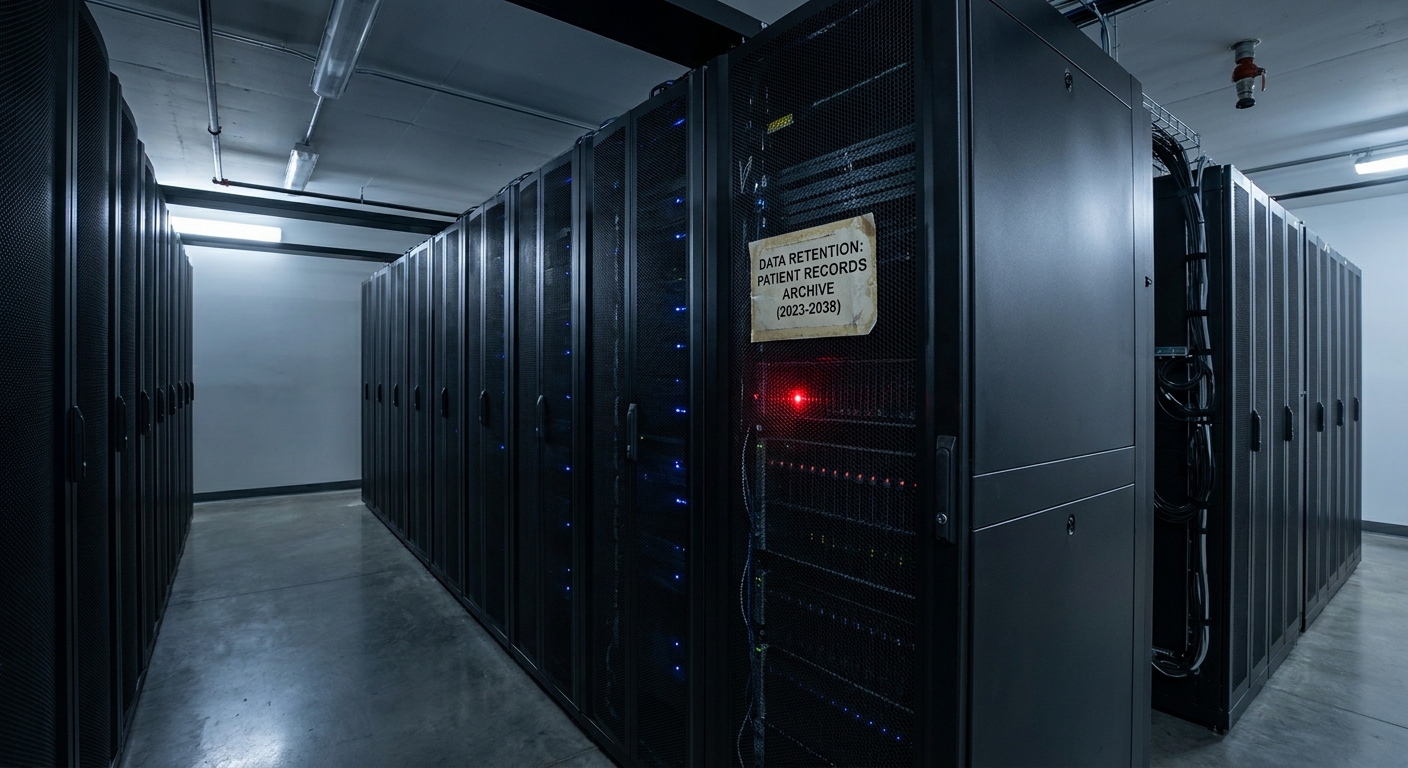
Perhaps the most insidious threat isn't what happens on Q-Day, but what’s happening right now. We’re seeing a rise in "harvest now, decrypt later" attacks. The strategy is simple, brutal, and effective: hackers intercept and store encrypted data today, knowing they can’t read it yet. They’re just waiting for the day their quantum hardware catches up.
If your data needs to stay secret for five, ten, or twenty years, it is already at risk. The Global Risk Institute's 2026 report makes it clear: a cryptographically relevant quantum computer is coming. Whether it arrives in five years or fifteen, the data being siphoned off today will be the open books of tomorrow.
| Metric | Current Status (May 2026) |
|---|---|
| Qubits needed for RSA-2048 | < 100,000 |
| Qubits needed for ECC-256 | < 500,000 |
| Google/Cloudflare Migration Target | 2029 |
| Global Organization Preparedness | 38% |
The Race to Migrate
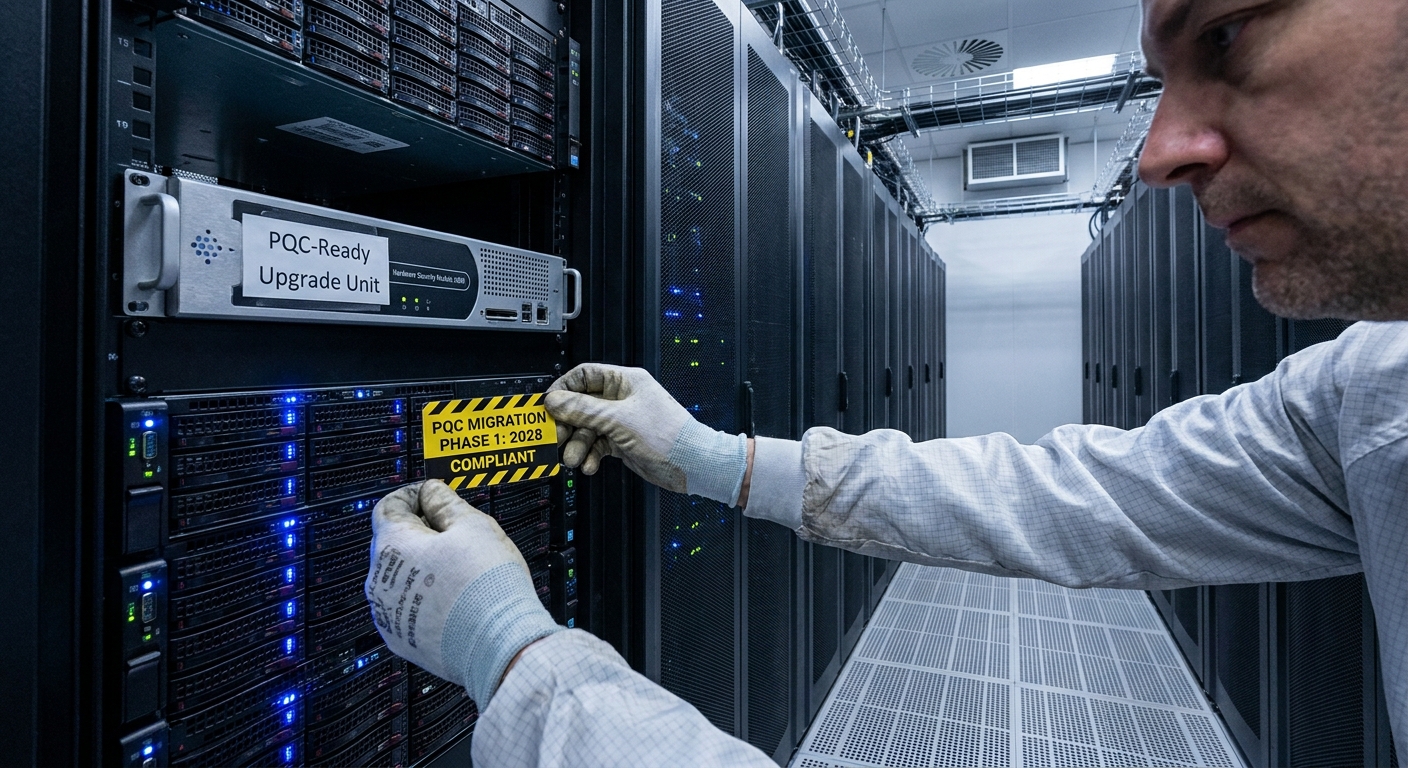
The industry is finally waking up, but the pace is uneven. Google has set a firm internal migration deadline for 2029, and Cloudflare has released a comprehensive roadmap for moving to quantum-resistant standards. These aren't just technical updates; they are massive, complex overhauls of how we handle digital trust.
Yet, despite the looming deadline, only 38% of organizations are taking any real action. It’s a classic case of inertia. We’ve relied on Shor's algorithm being a theoretical boogeyman for so long that it’s hard to treat it as a practical reality. But as researchers refine these algorithms, the barrier to entry is dropping. The math that protects our world is effectively being solved in real-time.
How to Build Resilience
If your organization is still running on legacy RSA and ECC, you need to pivot. Here is the reality of what needs to happen:
- Audit Your Assets: You can't protect what you don't know you have. Map out every single system, database, and connection that relies on these aging algorithms.
- Prioritize Long-Lived Data: If your data has a shelf life of a decade or more, it is your highest priority. Protect it now before the "harvest" becomes a catastrophe.
- Keep Your Ear to the Ground: The field of quantum-resistant standards is moving fast. Don't just set a policy and forget it; stay updated on the latest error-correction milestones and algorithmic breakthroughs.
- Shorten Your Timelines: If you’re aiming for a 2035 migration, you’re already behind. Align your internal roadmaps with the 2029 industry benchmark.
As discussed in recent coverage on the rise of Q-Day, this isn't just a patch—it’s a fundamental shift in the architecture of the internet. We are moving toward a world of "cryptographic agility," where systems must be designed to swap out encryption methods as easily as changing a lightbulb.
The era of RSA and ECC dominance is ending. It’s not a question of if the machines will catch up, but when. The organizations that thrive will be the ones that stop viewing this as a future problem and start treating it as a current crisis. The race is on, and the finish line is moving closer every single day.