New Regulatory Directives Mandate Enhanced Cybersecurity Resilience Standards for Global Critical Infrastructure Operators

TL;DR
- NSM-22 replaces voluntary compliance with mandatory, performance-based cybersecurity standards.
- New 'Systemically Important Entity' (SIE) designation increases federal oversight and reporting requirements.
- Federal directives now align state and local risk management with national benchmarks.
- The policy emphasizes integrating cybersecurity into the operational DNA of infrastructure sectors.
The era of the "gentleman’s agreement" in critical infrastructure security is effectively over. For years, the U.S. federal government relied on voluntary compliance, hoping that industry leaders would prioritize hardening their networks against state-sponsored actors and criminal syndicates. That patience has run out. With the issuance of National Security Memorandum-22 (NSM-22), the government is slamming the door on self-regulation, pivoting toward mandatory, performance-based standards that aim to secure the backbone of our national existence.
This isn't just another policy update; it’s a fundamental recalibration. NSM-22 acknowledges a grim reality: our infrastructure—from the power grid to the water supply—is increasingly vulnerable to sophisticated cyber and physical threats. As the White House policy previewing increased cybersecurity oversight and regulation makes clear, the days of relying on non-binding best practices are behind us. If you operate critical infrastructure, you are now on the clock.
The Rise of the "Systemically Important"
At the heart of NSM-22 is a new, high-stakes designation: the Systemically Important Entity (SIE). Think of these as the "too big to fail" organizations of the cyber world. These are the companies whose collapse wouldn't just hurt their own bottom line—it would trigger a cascading failure across the entire national economy or defense apparatus.
The government is keeping the list of SIEs under wraps for obvious security reasons, but the designation is a double-edged sword. Yes, these entities will get priority access to federal intelligence and support, but they’ll also be under the microscope. We’re talking about rigorous, non-negotiable reporting requirements and intense regulatory scrutiny. If you’re an SIE, you no longer get to grade your own homework.
This directive officially supersedes Presidential Policy Directive 21 (PPD-21), though it keeps the familiar 16 critical infrastructure sectors. The real change here is the shift in accountability. Agencies are now tasked with weaving cybersecurity and physical security into the very DNA of these organizations. Furthermore, the federal government is effectively twisting the arms of state and local authorities to ensure their own risk management standards align with these new, tougher federal benchmarks.
The Front Lines: Sector-Specific Shifts
The transition to mandatory standards isn't a theoretical exercise; it’s happening on the ground right now. Agencies are moving to close the gaps that have historically left us exposed.
- Energy Sector: The Federal Energy Regulatory Commission (FERC) has rolled out Reliability Standard CIP-003-9. It’s a direct response to the supply chain vulnerabilities that have plagued the industry, specifically tightening the screws on vendor remote access.
- Transportation Sector: The TSA has overhauled its Security Directives (SD) and Emergency Amendments (EA). They’ve moved away from the "check-the-box" mentality, favoring performance-based measures that force operators to prove their resilience in real-world scenarios.
- Water and Wastewater Sector: Often considered the "soft underbelly" of our infrastructure, the EPA has stepped up with new guidance and funding opportunities to help utilities defend against the rising tide of malicious cyber activity.
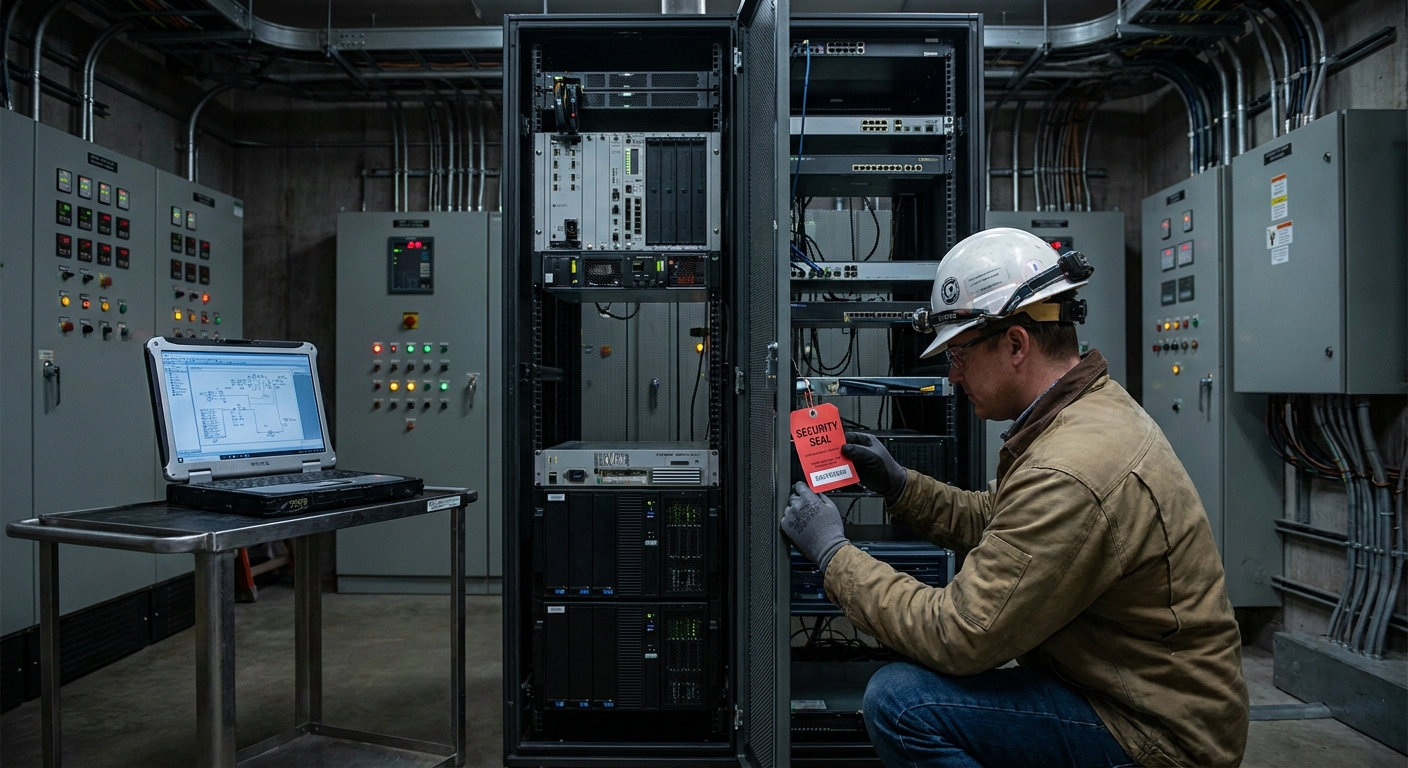
These moves align perfectly with the White House National Cybersecurity Strategy, which is pushing hard for "zero trust" architecture. As noted in industry assessments regarding the broadening requirements for defending critical infrastructure, the lines between IT and Operational Technology (OT) have blurred to the point of non-existence. When your factory floor is connected to the internet, your attack surface is massive. Regulators are finally catching up to that reality.
Regulatory Evolution: A Quick Comparison
| Feature | Previous Approach | New NSM-22 Framework |
|---|---|---|
| Compliance | Voluntary Guidelines | Mandatory Minimum Requirements |
| Focus | Sector-specific silos | Systemic, cross-sector resilience |
| Oversight | Self-assessment | Agency-led accountability |
| Strategic Goal | Best practice adoption | Measurable cyber/physical resilience |
Resilience as a Way of Life
The Cybersecurity and Infrastructure Security Agency (CISA) is moving beyond the "if it happens" mindset to a "when it happens" posture. Their "Shields Ready" initiative is the new gold standard for preparedness. It’s not about waiting for an incident to patch a hole; it’s about continuous monitoring and constant readiness.
CISA is also pushing Tabletop Exercise Packages (CTEPs). These aren't just for show. They are designed to force organizations to stress-test their incident response plans in a controlled environment, exposing the cracks in communication and technical capability before a real crisis hits.
Internal transparency is also getting a boost. The government knows that the people on the inside often see the vulnerabilities first. To protect those who speak up, the Occupational Safety and Health Administration (OSHA) maintains a Whistleblower Protection Program. It’s a clear signal: if you see a security failure that threatens the public, there are legal safeguards in place to ensure you can report it without fear of retaliation.
The Cost of Doing Business
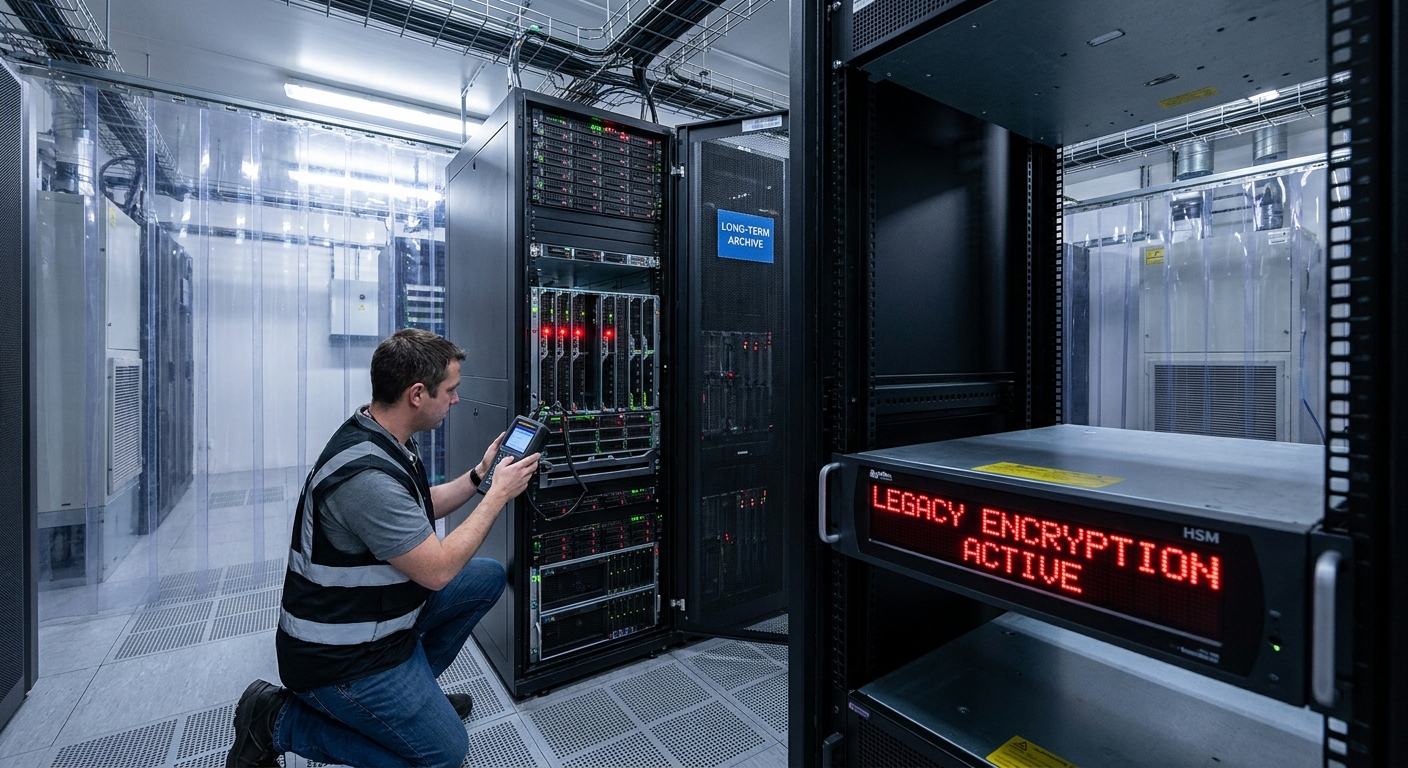
Let’s be honest: this shift is going to be expensive. Many of our legacy systems—the ones that keep the lights on and the water flowing—were built decades ago, long before the modern threat landscape existed. Retrofitting these systems with zero-trust principles is a massive technical hurdle, and it will require significant capital investment.
But the alternative is worse. The government is no longer willing to accept the risk of individual organizational failure leading to systemic economic collapse. The role of the federal agency has changed from a helpful consultant to an active, demanding overseer.
For operators, the mandate is clear: move beyond the compliance trap. Compliance is just a baseline—it’s the floor, not the ceiling. The new goal is continuous, demonstrable resilience. As these regulations solidify, the companies that thrive will be the ones that stop viewing security as a cost center and start viewing it as a core operational necessity. The era of the "check-box" is dead; the era of hard-nosed, performance-driven defense is here.