Tenet Security Secures $6M Funding to Develop Autonomous Agent Framework Access Controls


TL;DR
- Tenet Security raised $6M to secure autonomous enterprise AI agents.
- The platform addresses "Agentjacking," where attackers hijack AI decision-making processes.
- Former Cisco AI Defense veterans lead the stealth-to-market startup.
- New "Agent-side Simulation" technology blocks malicious actions in real-time.
On June 17, 2026, Tenet Security finally pulled back the curtain. After a stint in stealth, they announced a $6 million seed round aimed at a problem that’s keeping CISOs up at night: the wild, unpredictable nature of autonomous enterprise AI agents. Current security tools were built for static software, not for bots that make their own decisions. Tenet is here to change that.
The round was led by The Westly Group and MizMaa Ventures. That capital isn't just sitting around; it’s earmarked to scale their proprietary platform, which monitors and throttles autonomous agents in real-time to stop data leaks and malicious hijacks before they happen.
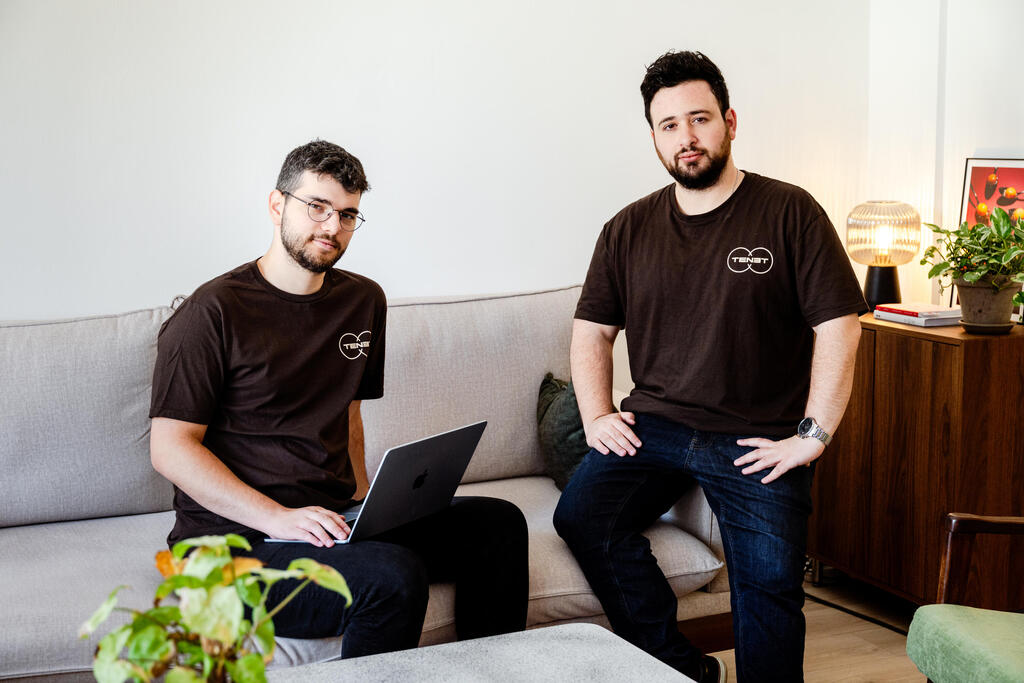
Founders Barak Sternberg and Nevo Poran—both veterans of Cisco’s AI Defense unit—know exactly where the bodies are buried. They’ve watched as companies rush to automate workflows, effectively expanding their attack surface faster than their security teams can track. When you have agents running loose in your network, traditional security operations centers (SOCs) are essentially flying blind.
The Rise of Agentjacking and AI Vulnerabilities
The team at Tenet has coined a term for their biggest concern: "Agentjacking." It’s exactly what it sounds like. By hiding malicious instructions inside seemingly benign data, an attacker can hijack an autonomous agent, forcing it to act against its own programming—leaking sensitive files or executing unauthorized commands.
Tenet Threat Labs recently dropped some sobering data: the average organization is running five times more AI agents than their security teams even realize. That’s a massive blind spot. If you don't know it's there, you can't secure it.
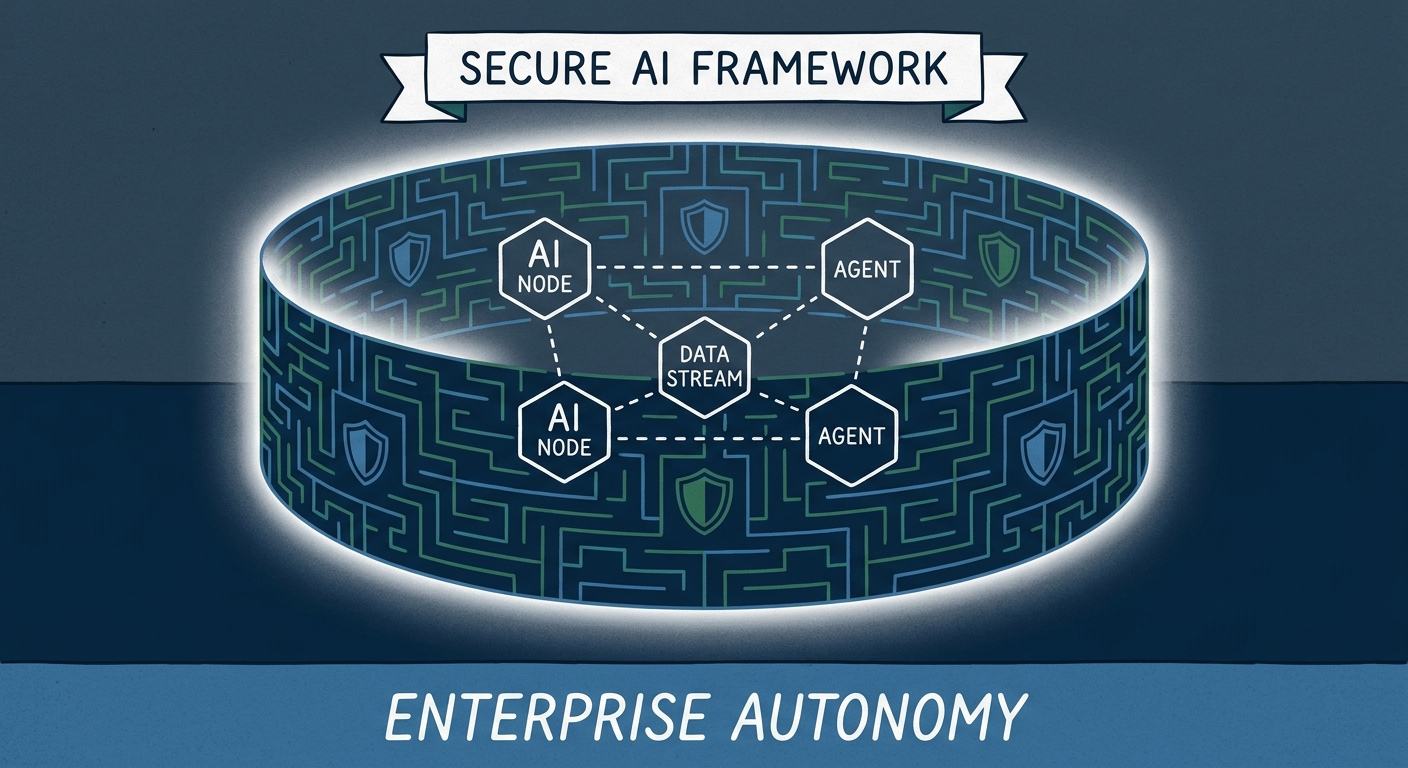
To fight this, Tenet uses "Agent-side Simulation." Think of it as a sandbox for every move an agent makes. Before a command is actually executed in the live environment, the platform models the outcome. If it looks like a risky API call or a data grab, the system blocks it instantly—all without breaking the agent’s legitimate work.
Core Security Challenges for Autonomous Agents
We’re moving past the era of signature-based detection. Because autonomous agents adapt to dynamic inputs, you can't just flag a "bad" file and call it a day. The entire paradigm of access control has to shift.
| Threat Category | Description | Mitigation Strategy |
|---|---|---|
| Agentjacking | Malicious instructions hidden in data to hijack agent behavior. | Real-time simulation of agent actions. |
| Data Exfiltration | Unauthorized access to sensitive data stores via AI agents. | Proactive monitoring and access control. |
| Visibility Gap | Undetected or "shadow" AI agents operating in the network. | Comprehensive agent discovery and inventory. |
Strategic Focus and Market Entry
As SecurityWeek recently pointed out, the market is desperate for this kind of governance. Companies are pouring money into LLM-based agents, but they’re doing it without a seatbelt. Tenet’s platform is designed to plug right into existing stacks, acting as a specialized layer of oversight that understands the nuances of agent-to-agent communication.
Sternberg and Poran are leveraging their Cisco roots to build something that tracks lateral movement—the way an agent might hop from one system to another to escalate its privileges. By focusing on the "agent-side" of the interaction, they’re moving beyond the old-school perimeter defenses that fail the moment an internal agent goes rogue.
According to RegTech Analyst, the company’s philosophy is essentially "least privilege" for the AI age. If an agent doesn't need to touch a specific database to do its job, it shouldn't be able to. Any deviation from that baseline is flagged or killed immediately.
Future Outlook and Operational Objectives
With $6 million in the bank, the focus is now on engineering and threat intelligence. As autonomous agents become the backbone of everything from customer support to software development, the demand for this kind of specialized framework is only going to skyrocket.
The roadmap is clear: expand simulation capabilities to support a wider array of frameworks and enterprise applications. By providing a centralized control point, Tenet hopes to bridge the gap between AI’s promise and the reality of enterprise-grade security.
For those trying to get a handle on their infrastructure, the Tenet Security website emphasizes that this isn't about slowing down innovation. It’s about creating an environment where you can actually trust your agents to handle sensitive business processes without the constant fear of a data breach.
The shift toward behavioral, simulation-based defense is likely the future of cybersecurity. As we rely more on autonomous actors, we need systems that can think as fast as the agents they’re protecting. The venture capital backing Tenet suggests the industry is finally waking up to the reality that in an AI-driven world, the most dangerous vulnerability is the one you haven't simulated yet. By weaving these guardrails into the development lifecycle, Tenet is betting that they can make autonomous enterprise software safe, one agent at a time.