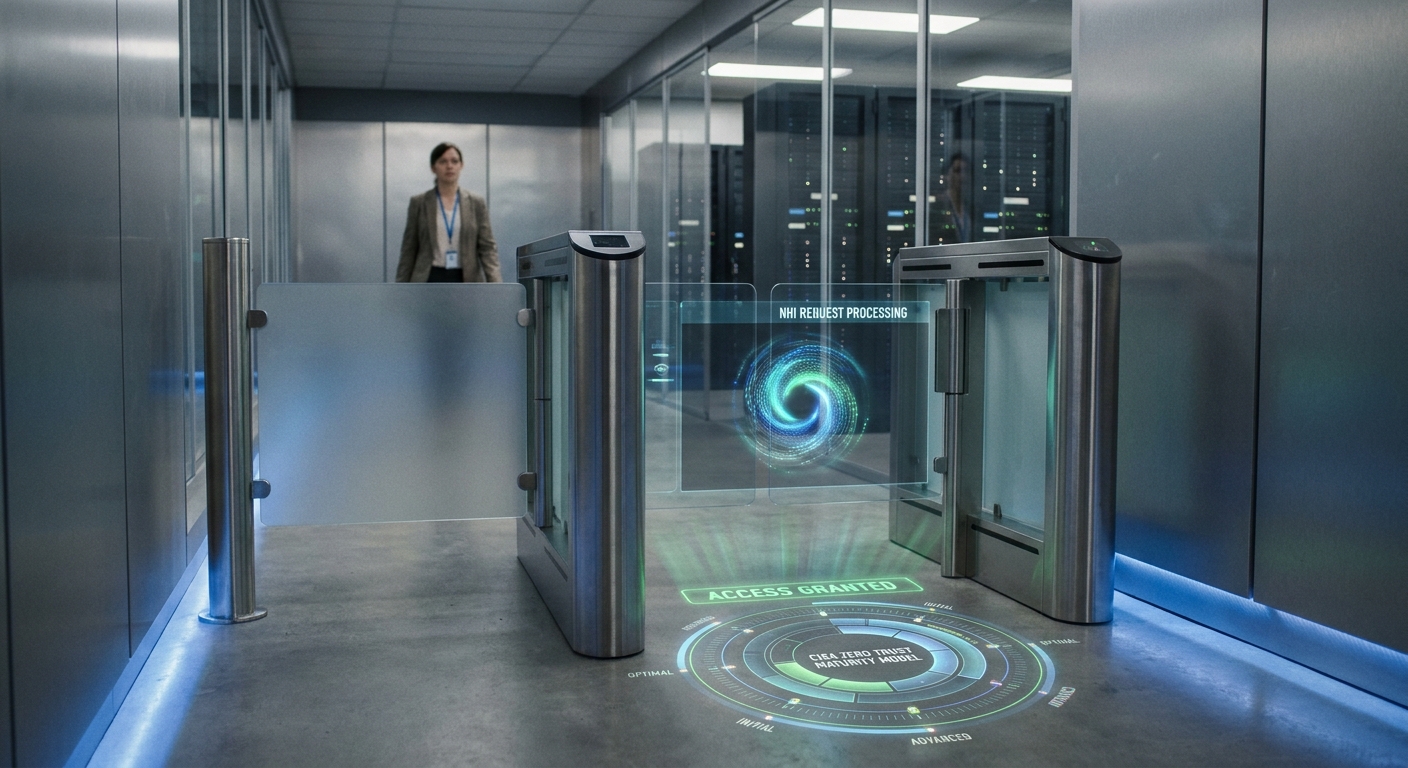
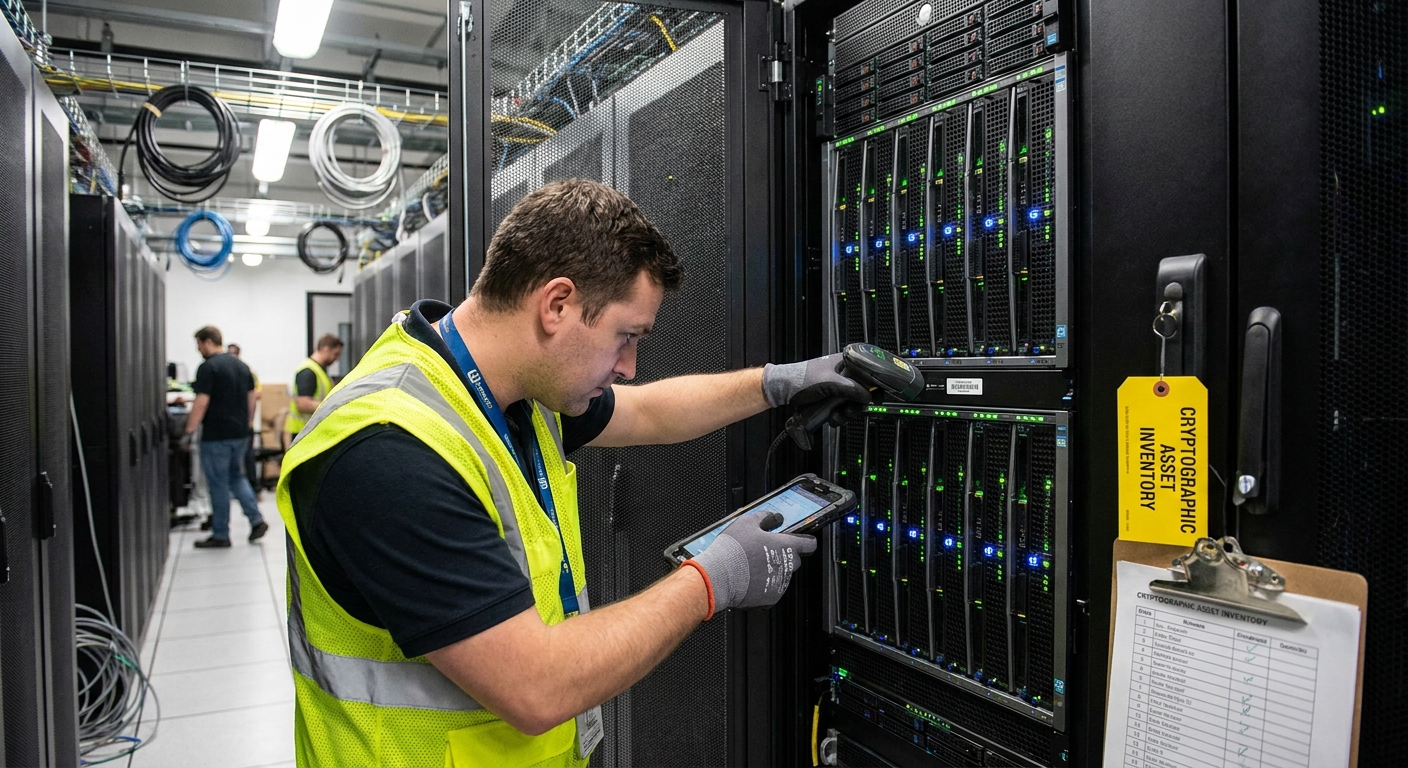
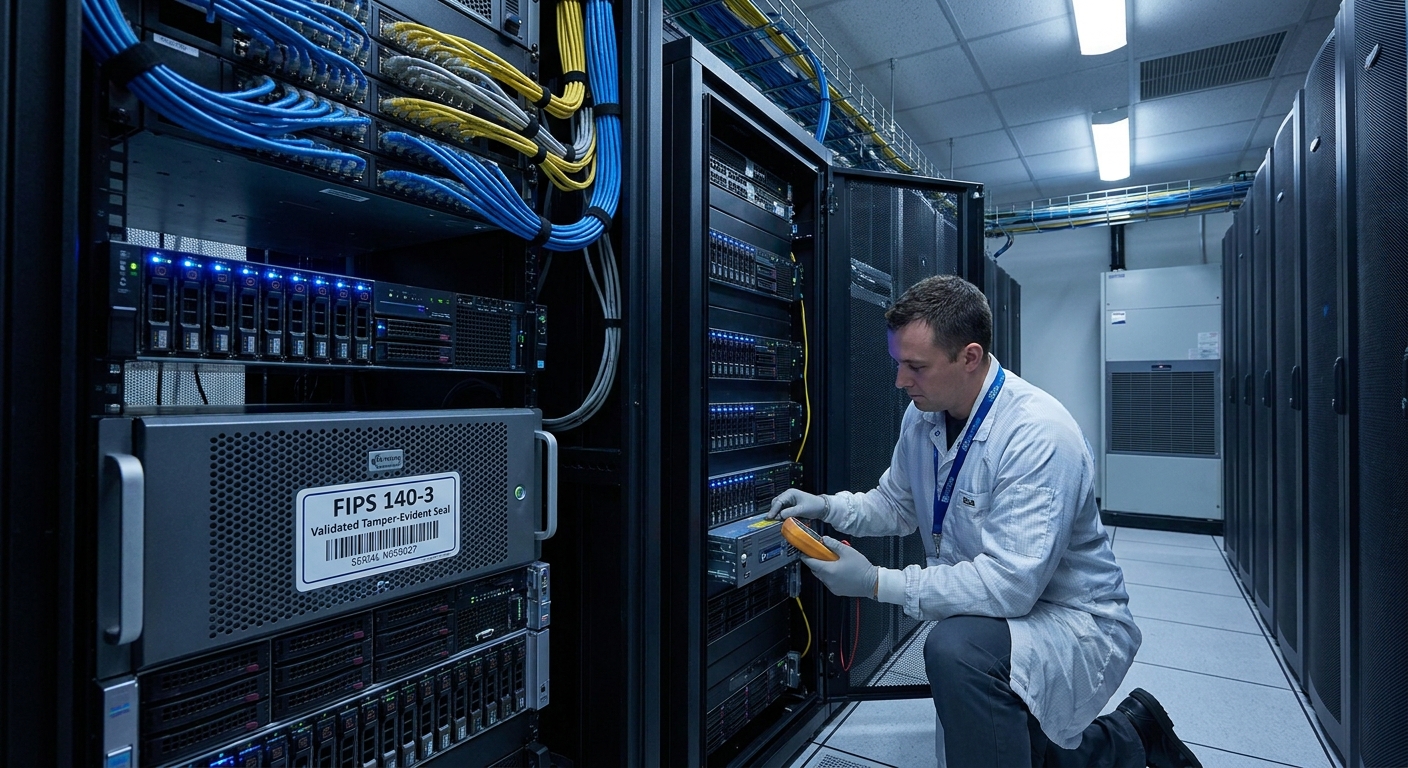
Rising Endpoint Security Breaches Drive Shift Toward Zero-Trust Architectures for Global Enterprise Remote Access

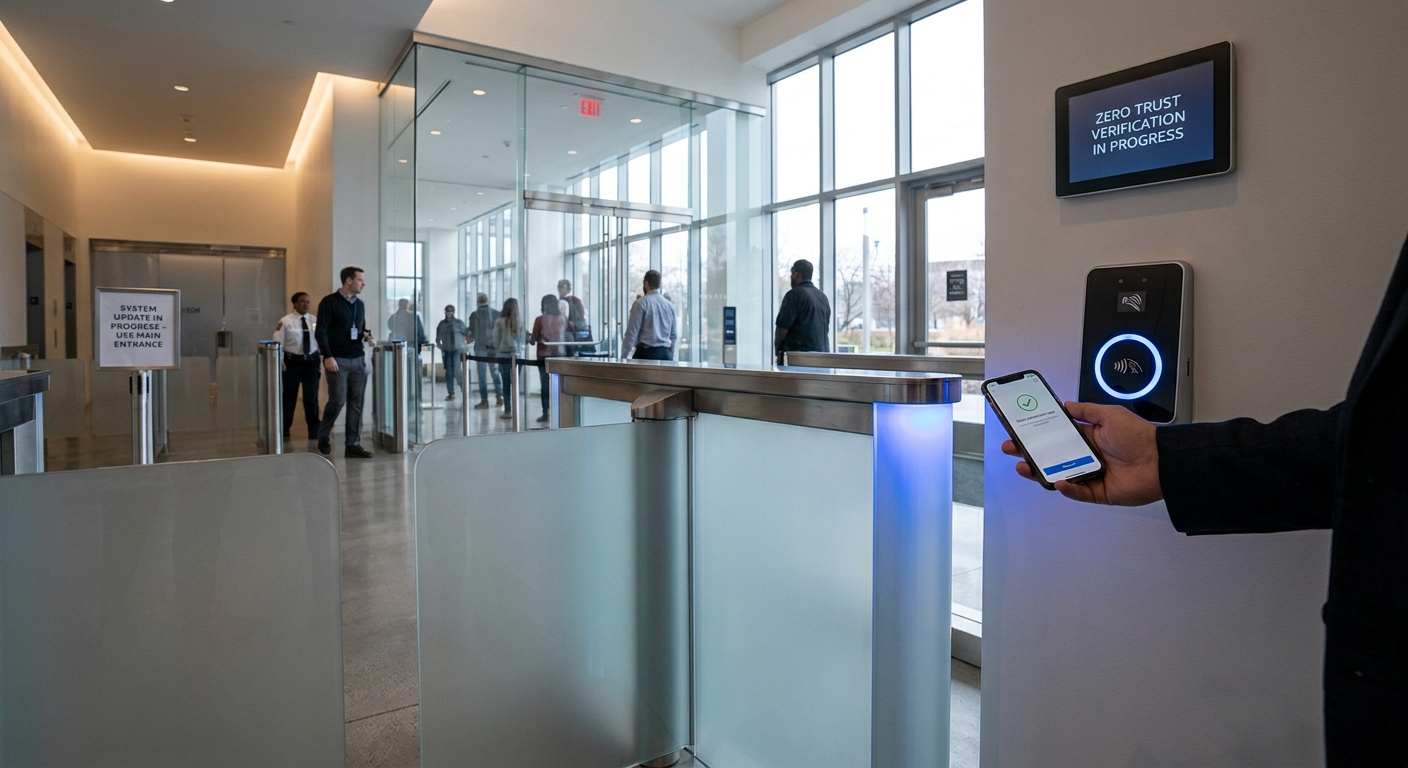
TL;DR
- Traditional network perimeters are obsolete due to hybrid work and cloud migration.
- Zero Trust Architecture is the essential framework for securing distributed enterprise assets.
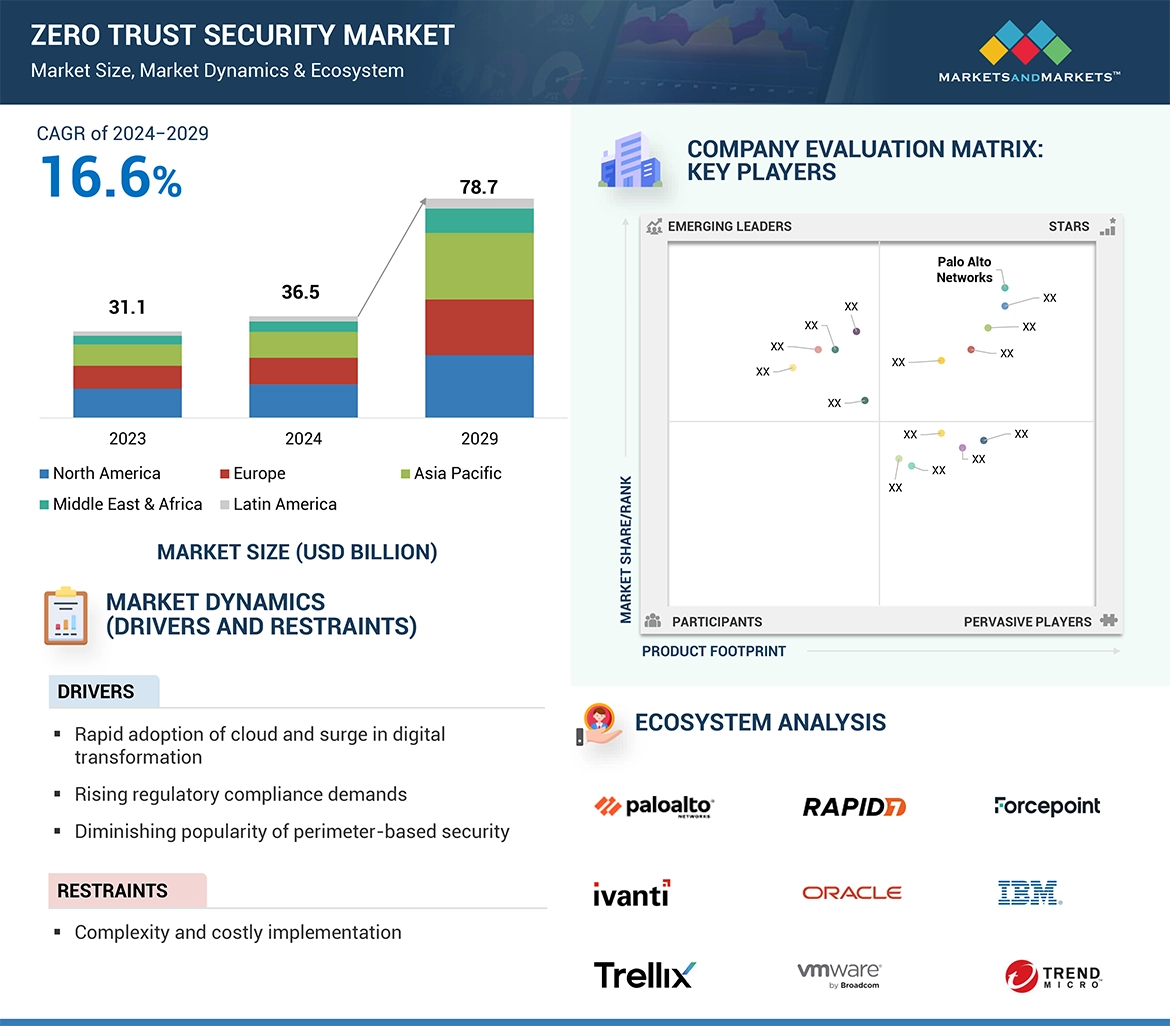
- The Zero Trust market is projected to reach $78.7 billion by 2029.
- Core pillars include strict identity verification and least-privilege access controls.
- Defensive strategies must evolve to counter sophisticated ransomware targeting remote endpoints.
The Perimeter is Dead: Why Zero Trust is the New Baseline for Global Enterprise
The corporate firewall used to be the digital equivalent of a castle moat. If you were inside, you were safe; if you were outside, you were a threat. But that era? It’s over. With hybrid work, cloud migration, and a relentless surge in endpoint breaches, the "castle" has effectively dissolved. Today, the only way to secure a global enterprise is to stop trusting the network entirely. Enter Zero Trust Architecture (ZTA)—the "never trust, always verify" framework that has become the industry’s survival kit.
It’s not just a trend; it’s a massive market shift. We’re looking at a jump from $36.5 billion in 2024 to a projected $78.7 billion by 2029. That’s a 16.6% CAGR, a figure that tells you everything you need to know about how desperate enterprises are to lock down their distributed assets.
Why We’re Ditching the Old Ways
The move to Zero Trust isn't some shiny tech upgrade; it’s a defensive necessity. When your employees are checking sensitive data from a coffee shop in London, a home office in Austin, or a mobile device on a train, the "trusted internal network" becomes a myth. Legacy security models simply weren't built for this level of chaos.
According to data from MarketsandMarkets, the catalysts for this change are clear:
- The Threat Landscape is Brutal: Ransomware and malware are getting smarter, specifically targeting remote endpoints that lack the protection of a central office.
- The Cloud is Everywhere: Data doesn't live in a basement server rack anymore. It’s scattered across SaaS platforms and public clouds, making physical perimeter defense irrelevant.
- The Remote Work Reality: Hybrid work is here to stay. If your security relies on being "in the office," you’re already behind.
- Compliance Pressure: Regulators aren't playing around. They demand granular control over who touches what data, and they don't care how hard that is to implement.
The Five Pillars of Zero Trust
Zero Trust isn't a product you buy off a shelf. You can't just install it and walk away. It’s a philosophy that requires a complete rethink of how you manage access. Most successful implementations lean on five foundational pillars:
- Identity Verification: If you can't prove who you are, you don't get in. Period.
- Least Privilege Access: Why should a marketing intern have access to the core financial database? They shouldn't. Limit access to the absolute minimum required for the job.
- Micro-Segmentation: If an attacker gets into one part of your network, don't let them wander through the rest. Break the network into small, isolated zones to stop lateral movement.
- Continuous Monitoring: Security isn't a one-time check at login. You need to watch traffic and behavior in real-time to spot anomalies before they turn into disasters.
- Data Protection: Encrypt everything. Whether it’s sitting on a server or moving across the internet, if it’s intercepted, it should be useless to the thief.
By weaving Identity and Access Management (IAM) into these pillars, companies can finally enforce security that follows the user, not the building.
The AI Factor
Managing these pillars manually is impossible at scale. That’s why we’re seeing a surge in Endpoint Security tools that lean heavily on Artificial Intelligence and Machine Learning.
AI acts as the brain of the Zero Trust operation. It doesn't just look for known signatures; it learns what "normal" looks like for every user. If a developer who usually logs in from New York suddenly starts downloading gigabytes of sensitive data from an IP address in a different country at 3:00 AM, the system knows. It can automatically revoke access, flag the account, and alert the team. In a world where manual oversight is a pipe dream, AI is the only way to keep pace.
| Metric | Details |
|---|---|
| Market Size (2024) | USD 36.5 Billion |
| Projected Size (2029) | USD 78.7 Billion |
| Expected CAGR | 16.6% |
| Primary Region | North America |
The Global Landscape
North America is currently leading the charge, largely because major tech and financial players were the first to realize that traditional VPNs were essentially Swiss cheese. But the rest of the world is catching up fast.
Industry giants like Palo Alto Networks, VMware, Zscaler, Akamai, and Microsoft are all pivoting toward SASE (Secure Access Service Edge) models. They’re trying to build unified platforms where security policies aren't just suggestions—they're enforced at the edge, regardless of where the user is sitting.
The Hard Truth About Scaling
Let’s be honest: moving to Zero Trust is a slog. Most enterprises are weighed down by legacy systems that were built on the assumption that everything inside the office was "safe." You can't just delete these systems overnight.
It requires a phased, surgical approach. You start by identifying your crown jewels—your most critical data—and wrapping them in MFA and SSO. You build out from there. Research from platforms like Elsevier and RELX continues to highlight that the biggest hurdle isn't technology—it's interoperability. Getting different security tools to talk to each other is the "final boss" of Zero Trust implementation.
As we look toward the future, the goal is simple: consistency. A security policy should be the same whether an employee is at their desk or on a beach. If you can maintain that level of control while the workforce keeps shifting, you've won the battle. The perimeter is gone, but with the right architecture, you don't actually need it anymore.