New Industry Report Defines Enterprise Maturity Benchmarks for Zero Trust Identity and Access Architecture

TL;DR
- The traditional network perimeter is obsolete; identity is now the control point.
- CISA’s maturity model offers a strategic roadmap for adopting identity-centric security.
- Managing non-human identities and AI agents requires advanced, intent-based authentication.
- Organizations must shift from static credentials to data-centric, verified access models.
The New North Star: Defining Enterprise Maturity for Zero Trust Identity
The old-school security model—the one where you build a high wall around your office network and trust everyone inside—is dead. It’s been dead for a while, but we’re finally seeing a genuine industry consensus on what comes next. We aren't just talking about "Zero Trust" as a vague marketing buzzword anymore. We’re talking about a fundamental architectural shift toward identity-centric security.
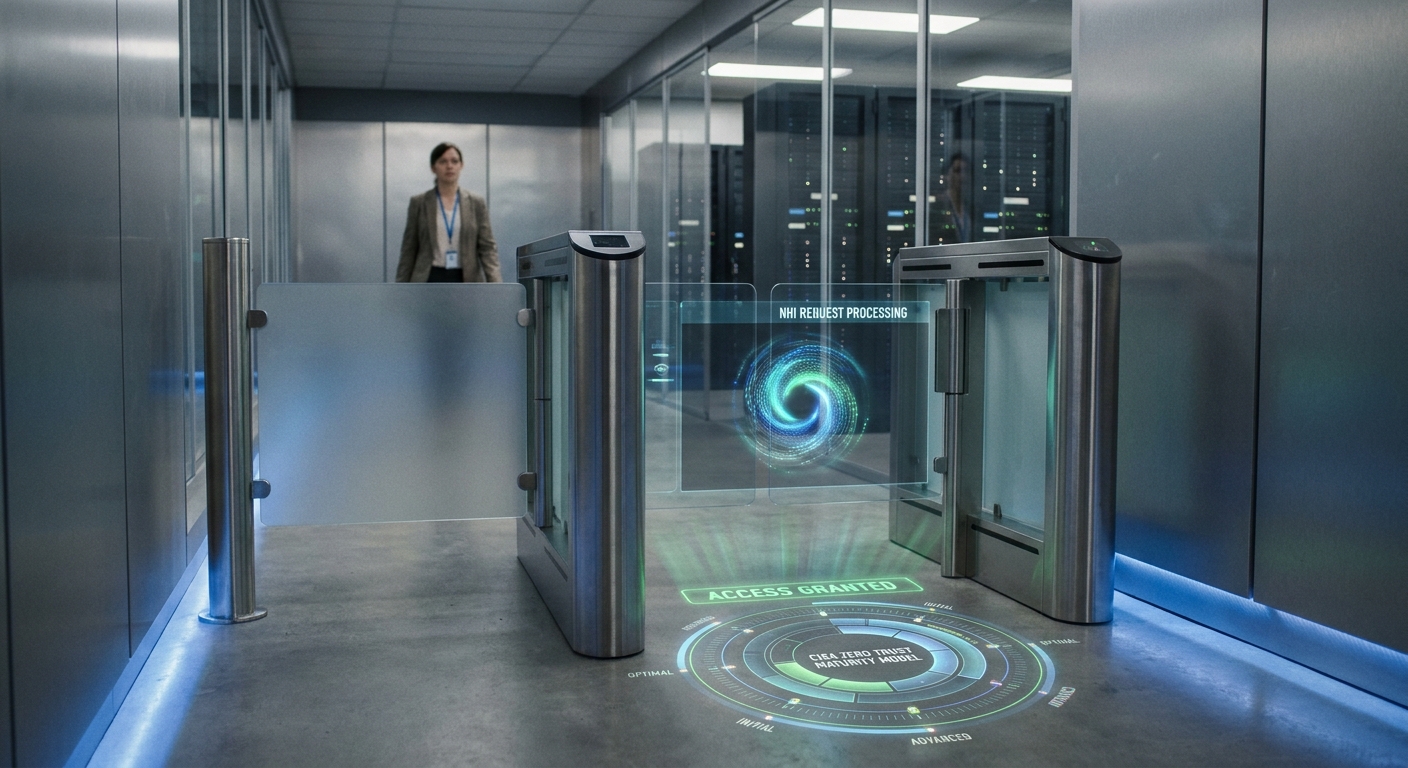
As organizations grapple with the messy reality of modern digital environments, the Cybersecurity and Infrastructure Security Agency (CISA) has stepped up. Their Zero Trust Maturity Model isn't just another compliance checklist; it’s a strategic roadmap designed to move companies away from perimeter-based paranoia and toward a data-centric reality.
The Perimeter is Gone. Now What?
The traditional network perimeter has effectively dissolved. With cloud migration, remote work, and the explosion of edge devices, the "inside" of your network is everywhere. As Mithilesh Kumar, Head of Zero Trust Strategy at Netskope, has pointed out, we have to stop thinking about boundaries. The network is no longer the control point. Identity is.
This is a massive shift. It means every single access request—whether it’s coming from a desk in the office or a coffee shop in Tokyo—must be verified. No exceptions. But it gets trickier. We’re no longer just dealing with human users. We’re dealing with a flood of non-human identities (NHI) and autonomous AI agents that are now embedded in our workflows.
These agents don't sleep, they don't take coffee breaks, and they often operate with high-level privileges. Relying on static credentials for them is like locking your front door but leaving the key under the mat. We need "intent-based" security—a model that looks at the why behind an action, not just the who. If an AI agent suddenly tries to dump a database at 3:00 AM, the system should recognize that the intent doesn't match the business context, regardless of whether the credentials are technically "correct."
Mapping the Maturity Journey
To keep this transition from becoming a chaotic free-for-all, CISA’s Version 2.0 of their maturity model—aligned with the OMB’s M-22-09 memorandum—provides a clear path forward. It’s a framework that works for both federal agencies and the private sector, focusing on one goal: minimizing unauthorized access by putting data at the center of the universe.
The framework breaks down the journey into stages, helping organizations figure out where they stand today and where they need to go.
| Maturity Stage | Description |
|---|---|
| Traditional | You’re still relying on manual configurations and static, perimeter-based defenses. |
| Initial | You’ve started automating attribute-based access and have some centralized visibility. |
| Advanced | You’ve integrated cross-pillar telemetry and automated, policy-driven responses. |
| Optimal | You’re running a fully dynamic, intent-based machine with continuous, real-time monitoring. |
The Five Pillars of Zero Trust
You can’t buy "Zero Trust" in a box. It’s not a product; it’s a philosophy that requires a phased, architectural overhaul. To make it work, you have to measure your maturity across five core pillars:
- Identity: This is the bedrock. Every user and machine is a potential threat until proven otherwise.
- Devices: If it’s not inventoried, monitored, and compliant, it doesn't get to touch your data. Period.
- Network: Stop the "flat network" mentality. Segment your environments to ensure that if a breach happens, it stays contained. Encrypt everything.
- Applications and Workloads: Don’t just protect the network; put the security controls directly on the apps themselves.
- Data: This is the crown jewel. Classify it, protect it, and ensure that even if the other pillars fail, the data remains locked down.
These pillars don't stand alone. They are held together by visibility, analytics, automation, and governance. Without these cross-cutting capabilities, your security policies are just suggestions, not rules.
The AI Agent Problem
The rise of autonomous agents is the next great security frontier. Because these agents operate at machine speed, they can perform tasks—and potentially cause damage—faster than any human security team could ever hope to catch.
This is why "intent-based" security is non-negotiable. We need systems that can analyze the context of an agent's request. Does this action align with the established business logic? Is this agent doing what it’s supposed to be doing, or has it been compromised?
Of course, there’s a balance to strike here. If you turn the security dials up to eleven, you’ll break your business processes and frustrate your teams. If you leave them too loose, you’re just waiting for a disaster. The CISA Zero Trust Maturity Model is meant to be a scalable guide, helping you tighten the screws without grinding your operations to a halt.
Looking Ahead: It’s a Marathon, Not a Sprint
The transition to Zero Trust isn't a project with a finish line; it’s a permanent shift in how you operate. Standards will evolve, threats will change, and your architecture will need to adapt.
For those looking to stay ahead of the curve, keep an eye on the resource hubs maintained by CISA and the OMB. While academic and industry research from organizations like Elsevier or RELX provides valuable context on the shifting threat landscape, the core directive for any leader is simple: stay data-centric, treat identity as your new perimeter, and keep moving forward.
Digital transformation is inevitable, but it doesn't have to be insecure. By focusing on these benchmarks, you’re not just checking boxes—you’re building a foundation that can actually withstand the pressures of the modern world.