Columbus Approves $23M Cybersecurity Investment Post-Hack

Alan V Gutnov
Alan V Gutnov

Director of Strategy

 
July 15, 2025
2 min read

Columbus City Council Approves $23 Million for Cybersecurity

Columbus City Council has authorized the expenditure of $23 million to enhance the city's cybersecurity infrastructure, particularly following a significant cyberattack experienced around July 18, 2024. This decision comes almost a year after the attack, which involved the cybercriminal group Rhysida leaking sensitive data about residents and city employees on the dark web. The council unanimously passed this proposal, with Councilmember Nick Bankston heralding the establishment of a "zero trust network" as "transformational" for the city.

Columbus City Council Meeting

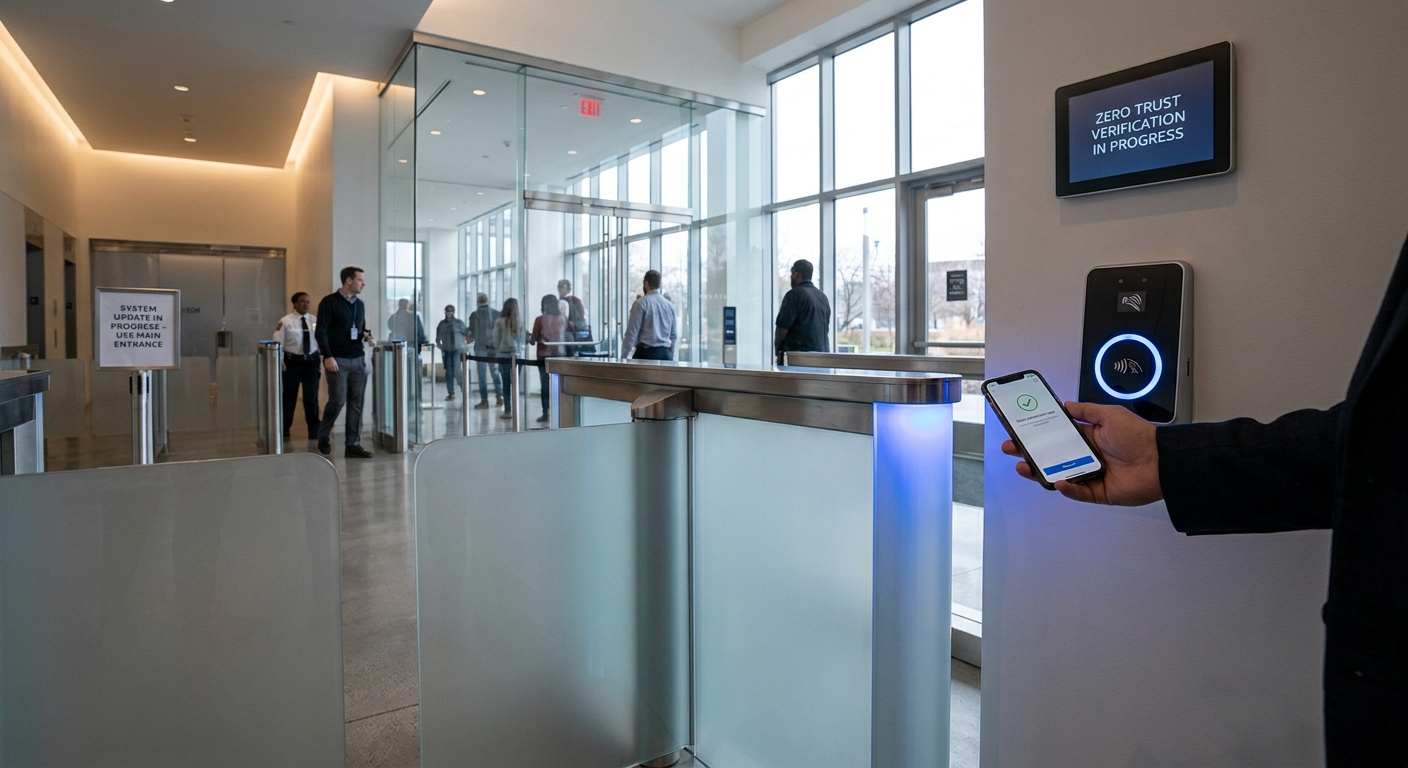
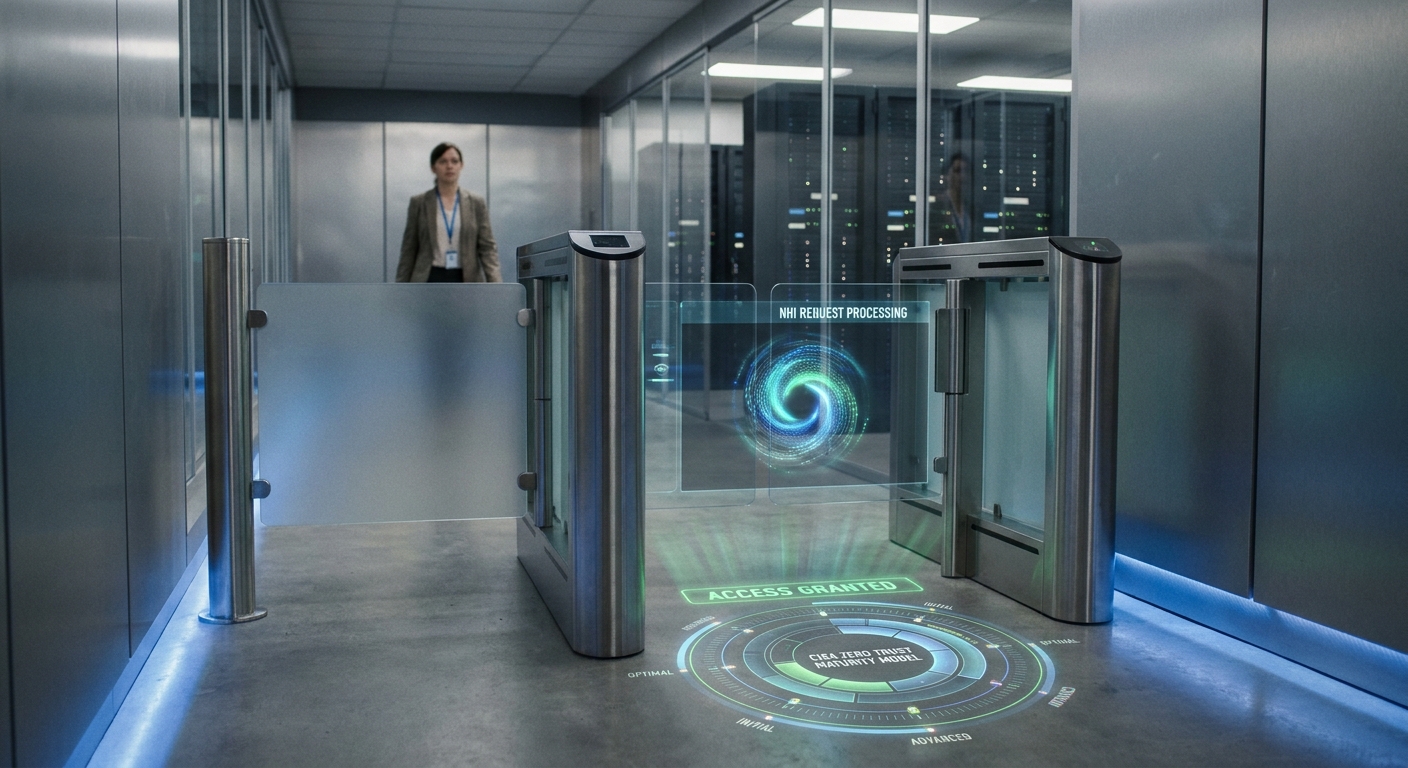
The zero-trust network framework will require strict verification for every user and device, and segment the city’s network into smaller, isolated zones, thereby minimizing the risk of widespread threats. Fening from the mayor's office explained this model aims to assume threats can exist inside and outside the network, which is a departure from traditional security frameworks.

Further, Columbus previously allocated up to $7 million in a contract with Dinsmore & Shohl for legal and incident response services after the cyberattack. Council plans to hold a hearing upon the release of a report detailing the cyber incident, which has faced delays.

For more information, visit the following links: Columbus Cyberattack Recovery | Zero Trust Network Details | Dinsmore & Shohl

Columbus Allocates $4 Million for Affordable Housing

The Columbus City Council has also allocated approximately $4 million from affordable housing bonds to support two apartment complexes. The Reserve at Maryland Avenue will create 84 new affordable apartments, while the renovation of the Tivoli Apartments will preserve 88 affordable units.

As Columbus prepares to ask voters for additional affordable housing bonds, the council voted unanimously to approve these allocations on July 14. The city plans to present a $1.9 billion bond package to voters in November, including $500 million specifically for affordable housing and neighborhood development.

Using bond dollars approved by previous elections, $2 million is allocated to the Reserve at Maryland Avenue, a modular development set to be built by Connect Housing Blocks, which emphasizes environmental sustainability and efficiency. The Tivoli Apartments will receive $2.2 million to preserve its affordable offerings, ensuring that the units are accessible to families making 60% of the area's median income or less.

For further details, check the links below: Columbus Affordable Housing Bonds | Connect Housing Blocks | Previous Bond Approvals

Alan V Gutnov
Alan V Gutnov

Director of Strategy


MBA-credentialed cybersecurity expert specializing in Post-Quantum Cybersecurity solutions with proven capability to reduce attack surfaces by 90%.

Related News

Tenet Security Secures $6 Million Seed Funding to Address AI Agent Framework Vulnerabilities
AI agent framework security

Tenet Security Secures $6 Million Seed Funding to Address AI Agent Framework Vulnerabilities

Tenet Security secures $6M seed funding to defend enterprise AI agents from 'Agentjacking' and unauthorized data access. Learn how they secure autonomous workflows.

By Brandon Woo June 19, 2026 4 min read
common.read_full_article
Global Enterprises Accelerate PQC Migration Strategies to Counter Harvest Now Decrypt Later Quantum Threats
Harvest Now Decrypt Later

Global Enterprises Accelerate PQC Migration Strategies to Counter Harvest Now Decrypt Later Quantum Threats

Discover how enterprises are adopting post-quantum cryptography to defend against 'Harvest Now, Decrypt Later' threats and meet new NIST and NSA mandates.

By Edward Zhou June 18, 2026 4 min read
common.read_full_article
New Defense Bulletin Highlights Urgent Need for Quantum Readiness Against Harvest Now Decrypt Later Threats
Harvest Now Decrypt Later threat

New Defense Bulletin Highlights Urgent Need for Quantum Readiness Against Harvest Now Decrypt Later Threats

Discover why the 'Harvest Now, Decrypt Later' threat demands immediate quantum-resistant encryption. Learn how to protect sensitive data from future quantum attacks.

By Alan V Gutnov June 17, 2026 3 min read
common.read_full_article
Critical LangGraph Vulnerability Chain Allows Unauthorized Server Control in AI Agent Frameworks
LangGraph vulnerabilities

Critical LangGraph Vulnerability Chain Allows Unauthorized Server Control in AI Agent Frameworks

Discover how a chain of vulnerabilities in LangGraph allows unauthorized server control. Learn the risks to self-hosted AI agents and how to secure your framework.

By Divyansh Ingle June 16, 2026 4 min read
common.read_full_article