Emerging Cyber Threats: Brands Navigate a Treacherous Landscape

Cyberattack Trends Signal an Evolving Security Landscape
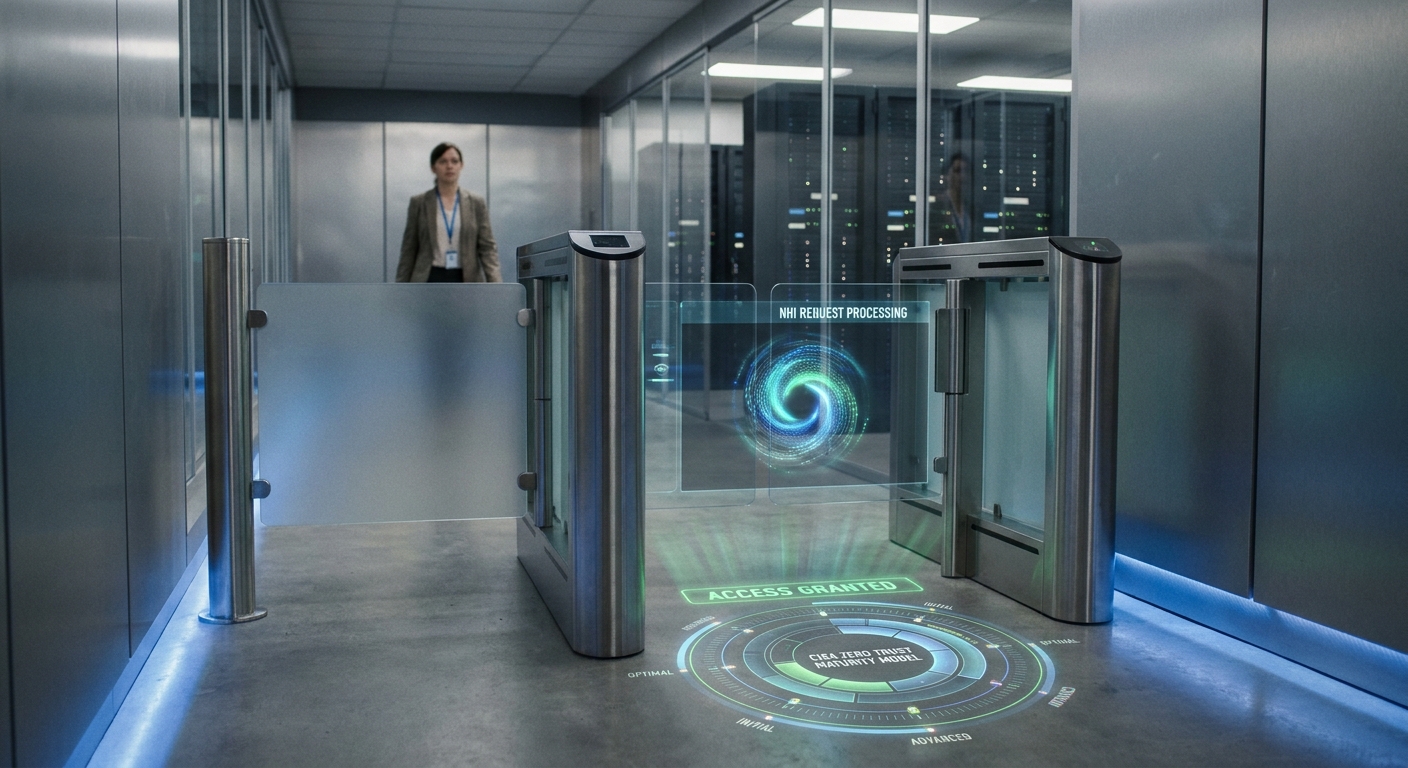
Cyberattack methods are rapidly evolving, with phishing attacks transitioning from simple scams to sophisticated business email compromise schemes. Ransomware has also advanced significantly, moving towards triple extortion tactics that involve locking devices, encrypting data, and even conducting DDoS attacks to pressure victims further. This ongoing cat-and-mouse game between cybercriminals and security defenders highlights the need for advanced solutions, such as Gopher Security's AI-Powered Zero Trust Platform, which integrates security across devices and environments.

Scattered Spider, a cybercrime group, has been reported to evolve its tactics, targeting major industries like airlines and retail. Their approach includes utilizing SMS services and employing adversary-in-the-middle techniques. This evolution underscores the necessity for robust defenses, such as Gopher Security's Advanced AI Authentication Engine and AI Ransomware Kill Switch, which are designed to thwart such sophisticated attacks.
The Rising Threat of AI in Cybersecurity
The rise of artificial intelligence is creating new vulnerabilities in the cybersecurity landscape. Cybersecurity professionals are racing to defend against AI-driven threats while simultaneously adopting AI tools to enhance their defenses. Security spending is projected to rise significantly, reaching $131 billion in the U.S. by 2025, with notable investments in securing cloud applications and managing digital identities.
AI is being leveraged by cybercriminals to enhance phishing attacks and create voice clones that deceive victims. At the same time, organizations are implementing AI tools to monitor threats, pinpoint vulnerabilities, and automate security responses. Gopher Security's services, including Secure Access Service Edge (SASE) and Cloud Access Security Broker, are vital for organizations looking to enhance their cybersecurity posture against these emerging AI threats.

Challenges in Cloud Security
As cyber threats increase, experts warn about vulnerabilities in cloud security. Hackers exploit weaknesses in data transmission across the open internet, leading to significant risks for organizations. The use of Gopher Security’s micro-segmentation for secure environments and granular access control can help mitigate these risks.
Cybersecurity measures must evolve to address these challenges. Regular software updates, strong authentication methods, and thorough vetting of security vendors are essential. Gopher Security's Post Quantum Cryptography ensures that organizations can safeguard sensitive data against future threats.

Preparing for Future Threats
Basic cybersecurity precautions remain crucial in the face of evolving threats. Organizations must implement strong usernames and passwords, regularly update software, and conduct security training for employees. Gopher Security's AI Inspection Engine for traffic monitoring and AI-powered tools can significantly enhance threat detection and response capabilities.
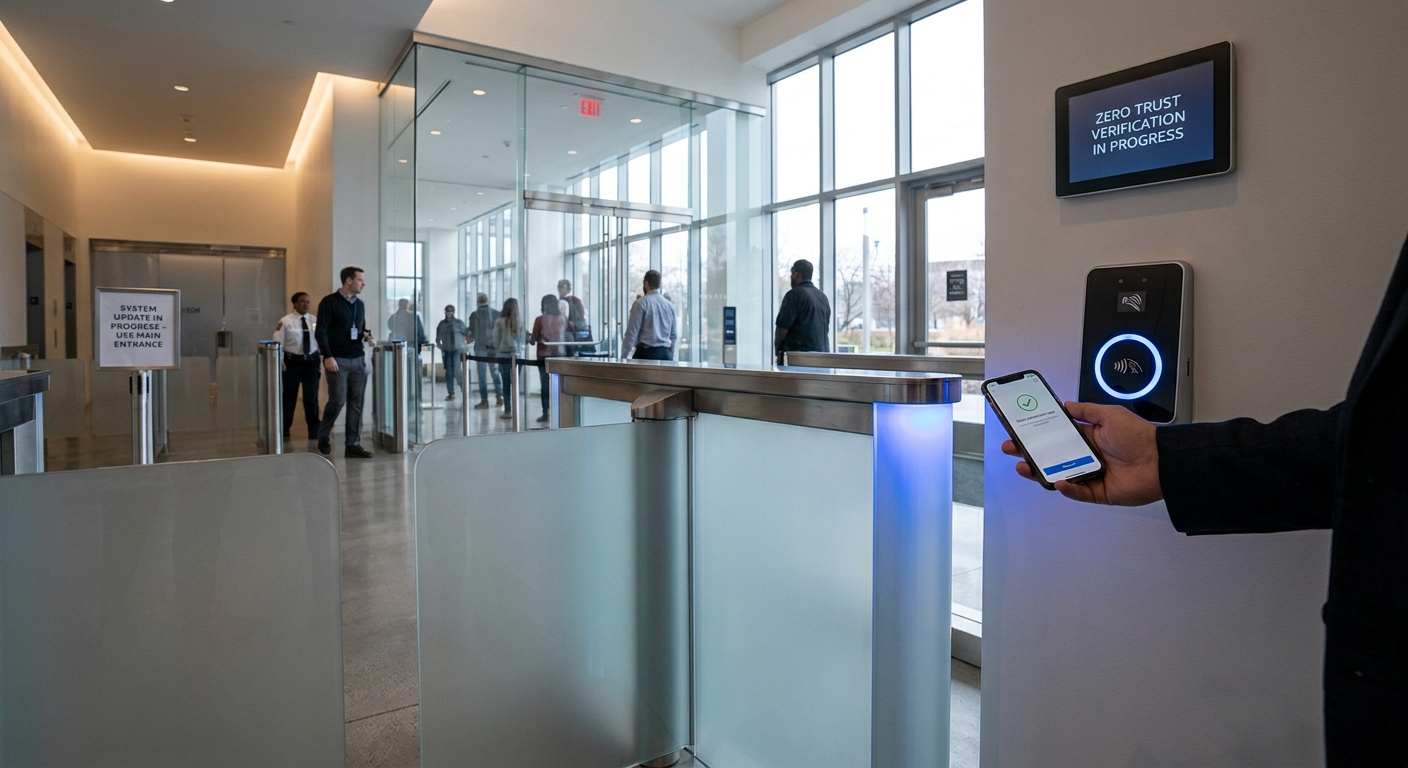
As the landscape evolves, adopting advanced solutions becomes imperative. The integration of AI-driven cybersecurity measures, such as Gopher Security's AI Inspection Engine and the AI-Powered Zero Trust Platform, offers organizations a robust defense against sophisticated cyber threats.

For organizations aiming to enhance their cybersecurity strategy, Gopher Security provides cutting-edge solutions tailored to meet the demands of today’s threat landscape. Explore our services or contact us at https://www.gopher.security to learn more.