Essential Cloud Security Trends Every Business Should Know in 2025

TL;DR
- This article outlines critical cloud security trends for 2025, addressing the growing risks in cloud adoption. It covers advancements in AI and ML for threat detection, the expansion of Zero Trust architectures, and the rise of DevSecOps. Key takeaways also include the importance of cybersecurity mesh, data sovereignty, confidential computing, and enhanced encryption methods to secure modern cloud environments.
Key Cloud Security Trends for 2025
Cloud adoption is accelerating, but so are the risks. In 2024, 80% of companies experienced at least one cloud security incident, and 27% suffered a breach related to public cloud services. A separate analysis found that 32% of cloud assets are currently neglected, each carrying an average of 115 unresolved vulnerabilities.
AI and ML for Threat Detection and Response
AI and machine learning are central to cloud threat detection and response. These technologies enable real-time analysis of cloud activity to detect anomalies, such as unusual login patterns or unauthorized access attempts. Behavioral baselining allows systems to learn normal operations and flag deviations, indicating compromised credential use or insider activity. AI supports automated remediation workflows, and many CSPM platforms now integrate AI to identify misconfigurations and optimize security posture without manual intervention.
A Cloud Security Alliance survey commissioned by Google Cloud found that 63% of security professionals believe AI enhances security, with threat detection and response capabilities highlighted. Over half (55%) planned to implement generative AI solutions for cloud security during 2024. AI-driven threat detection includes real-time analysis to identify abnormal activity and AI-powered behavioral analysis to understand organizational operations.
Expansion of Zero Trust Architectures
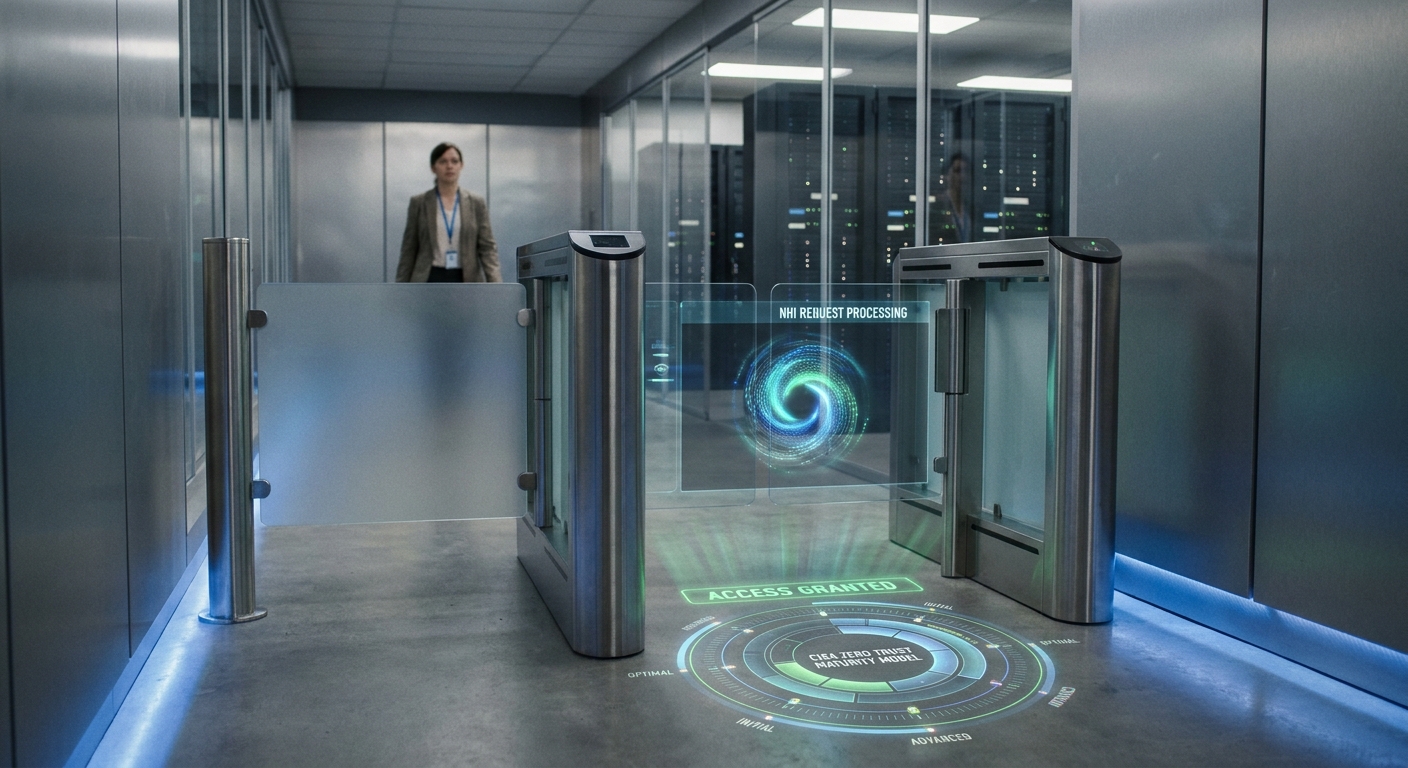
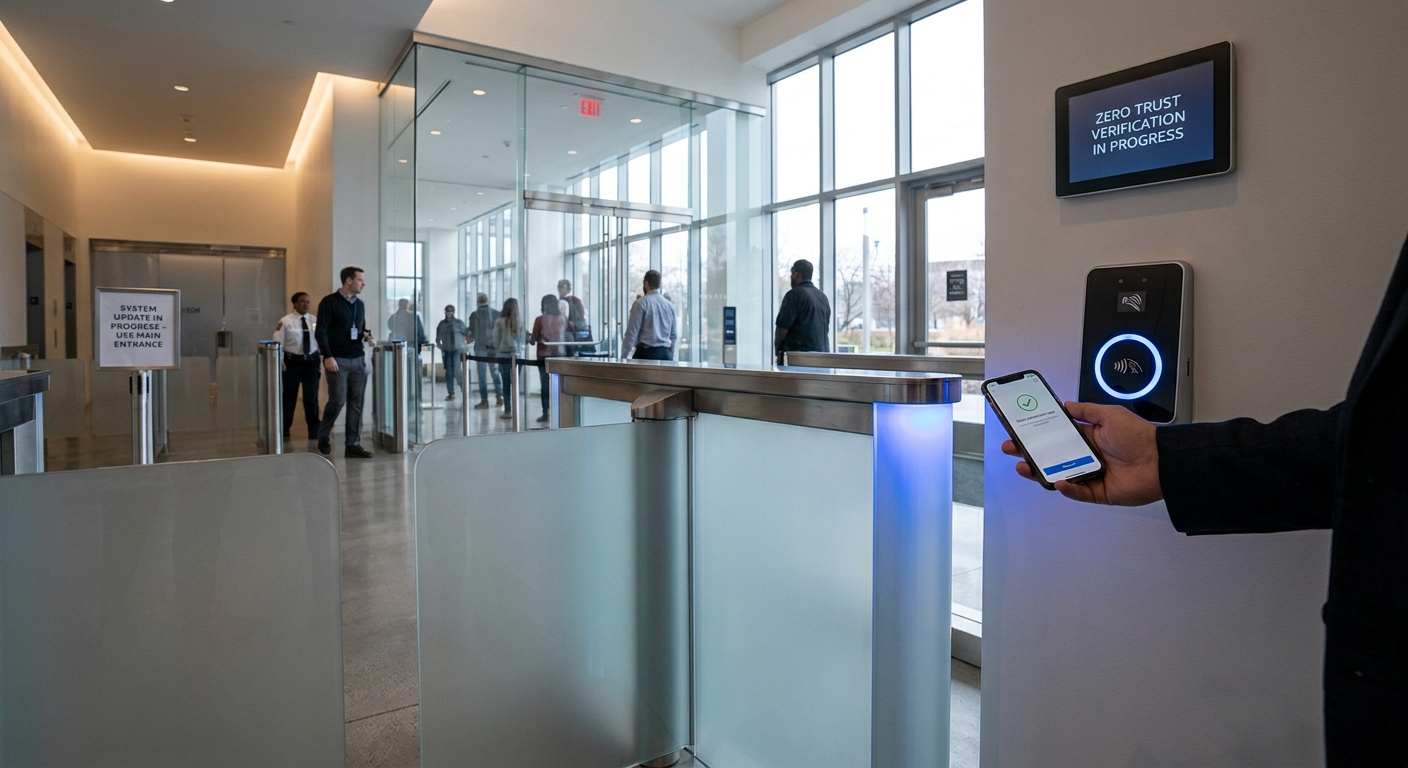
Zero Trust Architecture continues to gain traction as the default security model. It replaces implicit trust with continuous verification of identity, context, and device posture, regardless of network location. This involves authenticating users for each resource, applying granular access controls, and isolating workloads to prevent lateral movement.
The expansion of Zero Trust is driven by the distributed nature of modern cloud environments. More organizations are deploying identity-aware proxies, microsegmentation, and continuous authentication mechanisms to enforce Zero Trust at scale. 87% of organizations now focus on a zero-trust approach that strictly verifies each request for access based on user identity, device, and location, following the principle of least privilege. Proper ZTA reduces the likelihood of unauthorized access leading to a data breach.
Rise of Cloud-Native Security and DevSecOps
Security is being embedded directly into development workflows through DevSecOps practices. Development and security teams collaborate from the outset, integrating security testing into CI/CD pipelines, scanning Infrastructure-as-Code templates, and enforcing policy-as-code across development stages. Cloud-native security tools enable teams to secure containers, APIs, and microservices as they are built and deployed.
By shifting security left in the development lifecycle, organizations reduce the cost of remediation and improve release velocity without compromising their security posture. 46% of organizations drive the DevSecOps to include security controls within continuous integration. 40% of the organizations surveyed say DevSecOps improves collaboration among development, infrastructure, and security teams, while the same percentage finds it boosts operational efficiency. With every team working together closely and consolidating data insights, you can find new efficiencies and save time during development.
Cybersecurity Mesh and Decentralized Enforcement
Cybersecurity Mesh Architecture (CSMA) addresses the challenge of implementing effective hybrid cloud security across highly distributed and multi-cloud environments. Rather than relying on centralized gateways or fixed perimeters, CSMA enforces policies close to each asset or service while maintaining unified visibility and control.
This model allows for more adaptive access decisions, localized threat detection, and dynamic enforcement, all coordinated through a central control plane. CSMA is being adopted to standardize security across disparate environments, improve context sharing, and reduce the complexity of managing security controls across cloud providers. CSMA introduces decentralized security controls, providing tools to a distributed environment while centralizing the data and control planes for enhanced collaboration. This leads to a range of benefits, with businesses able to detect and respond to security risks consistently across cloud service providers while also introducing adaptive and granular access controls.
Data Sovereignty and Confidential Computing
As regulatory frameworks evolve, organizations are under increased pressure to maintain strict control over where and how their data is stored and processed. Data sovereignty has become a core compliance requirement, particularly for sensitive or regulated information. In response, confidential computing is gaining momentum.
This approach isolates data during processing within secure hardware enclaves, preventing it from being accessed by unauthorized processes or cloud providers. Paired with region-specific storage configurations and access controls, these technologies allow enterprises to meet regulatory demands without compromising performance or availability. To reduce the challenges of data privacy regulation, more organizations are investing in compliance platforms that can adapt workflows based on the specific rules you must adhere to.
Enhanced Encryption and Tokenization
Traditional encryption methods are no longer sufficient for the scale and complexity of cloud services. Organizations are adopting adaptive encryption strategies that apply context-based controls, such as encrypting data based on sensitivity level or regulatory classification. Automated key management, integrated with identity systems, ensures encryption remains enforceable across diverse workloads.
Tokenization is also on the rise, especially in environments where data must be protected during processing. By replacing sensitive values with non-sensitive tokens, this method reduces exposure without affecting application functionality. Cyber attacks are evolving and becoming more sophisticated in decryption techniques and attempts to access all-important keys. Therefore, businesses must continually enhance their data encryption techniques to find new ways to stay ahead of the attackers. New encryption methods include the integration of AI and machine learning to automate key management and better identify data access anomalies.
Secure Access for Remote and Hybrid Teams
Remote and hybrid work remain dominant operational models, requiring cloud security strategies to focus on identity, access, and endpoint context. Security teams are enforcing a set of policies that evaluate device posture, location, time of access, and behavioral patterns before granting access to applications or resources. Identity and Access Management (IAM) platforms have evolved to support adaptive authentication, session monitoring, and granular permission controls based on user risk.
Together with centralized access visibility and automation, these controls reduce the risk of unauthorized access while preserving usability and efficiency across distributed teams. Multi-factor authentication (MFA) adds a critical layer of security that significantly reduces the risk of unauthorized access, even if credentials are compromised. Implement IAM solutions with advanced biometrics and contextual analytics.
Multi-Cloud Visibility Gaps
Modern attack surfaces are defined by the fluid, interconnected sprawl of workloads, identities, and services that span multiple cloud providers. According to Flexera’s 2023 State of the Cloud Report, 87 percent of companies now run a multicloud or hybrid cloud strategy. Cloud assets interact in unpredictable ways, creating hidden paths for lateral movement. Teams need continuous insight into how assets relate to one another and where lateral movement could occur. This means correlating signals across providers, analyzing real-time permissions drift, and focusing security efforts on the assets and relationships that present the highest blast radius. Also, important here is the ability to continuously compute and visualize attack paths.
Sensitive Data Exposure
Sensitive data exposure in the cloud persists. Sensitive data is being stored in more places than ever before, including ephemeral cloud functions, developer sandboxes, SaaS applications, and AI pipelines. In these sprawling environments, visibility falters. Securing data in the cloud in 2025 means moving past checklist compliance. You need continuous discovery of where sensitive data resides. Classification must happen automatically, not manually. Access policies must be least-privilege by default and time-bound where possible. Your security team must treat storage and data access as part of the attack surface.
Secrets Sprawl
Secrets include API keys, access tokens, database credentials, encryption keys, and other privileged artifacts used by both human and machine identities to authenticate, authorize, or configure systems. In a cloud-native world, secrets are everywhere, embedded in CI/CD pipelines, hardcoded in containers, misused in infrastructure-as-code, and echoed into logs and configuration scripts. Treat secrets as live assets with ownership, expiry, and traceability. Instead of static secret storage, rotate and scope secrets to ephemeral, least-privilege contexts. Proper secrets lifecycle management is vital.
AI Introduces New Vulnerabilities
AI workloads are rapidly becoming integral to cloud environments, introducing a new class of security risks. AI systems operate on vast, sensitive datasets and dynamic models that must be trained, tuned, and exposed to production inputs, making them both resource-intensive and high-value targets. Security teams need continuous, adversarial perspectives from ongoing pen tests to flag exploitable conditions across SaaS integrations, model hosting environments, and underlying cloud infrastructure.
A recent KBI.Media press release highlighted the findings of a Tenable report that found AI cloud workloads contained 20 percent more vulnerabilities than non-AI workloads.
Rising Machine Identity Risks
In cloud-native environments, machine identities now vastly outnumber human ones. These non-human identities (NHIs) include service accounts, workload identities, cloud functions, and containerized processes. They’re the connective tissue of cloud automation, quietly authenticating and authorizing countless backend operations, creating a sprawling, often-overlooked security liability. Securing this hidden layer demands proactive discovery of all active machine identities, continuous analysis of their access patterns, and tight enforcement of least privilege. Organizations must embrace automated identity governance and integrate it into their DevOps pipelines.
Reactive Detection Limitations
When external auditors, partners, cybersecurity researchers, or even end users are the ones surfacing security incidents, it’s a glaring indictment of how ineffective many detection strategies still are. Cloud threat detection needs to evolve from static rule sets toward proactive, environment-aware monitoring. That means understanding baseline behaviors, integrating telemetry across silos, and stress-testing detection coverage continuously.
Skills Shortages
The root cause of several other cloud security trends often comes down to a persistent shortage of professionals who can translate complex environments into defensible architectures. In 2025, cloud risk is increasingly a resourcing problem. Modern cloud defense demands practitioners who can move between security engineering, infrastructure automation, DevSecOps, and increasingly, AI systems. That hybrid skillset remains rare. Continuous pen testing, security-as-code, and tighter feedback loops between detection and remediation are force multipliers for thinly stretched teams. You can’t just close this gap by hiring more staff.
Passwordless Authentication
Passwords are inherently vulnerable to a range of attacks, such as phishing messages or using other social engineering attacks to trick users into revealing their passwords. Passwordless authentication looks to lessen these security risks by making users provide something else when logging into their accounts. This could be biometric authentication, such as a fingerprint or a code from an additional hardware token that users carry with them. Moving on from passwords and finding a more sophisticated authentication method offers a range of benefits, from reducing the threat of compromised accounts to simplifying IT operations and improving the user experience. Plus, passwordless authentication helps facilitate SSO solutions that make life easier for employees.
Quantum-Safe Encryption
2025 marks a turning point in the rollout of quantum computing technology, which is poised to outpace traditional encryption methods. Cloud security strategies must now incorporate quantum-safe encryption to stay ahead of bad actors capable of cracking conventional algorithms. Protocols like lattice-based cryptography provide robust protection against emerging quantum-powered attacks, making them essential for entities storing highly sensitive data, such as in finance and healthcare sectors. Partner with cloud providers offering quantum-safe encryption standards. Begin transitioning legacy encryption protocols to quantum-resistant models.
Securing Edge Computing
Edge computing is transforming how cloud services operate, enabling quicker data processing by placing computing power closer to users. While this advancement is a boon for efficiency, it represents a new frontier in cybersecurity. Each edge device—whether surveillance cameras, IoT sensors, or wearable devices—becomes a potential vulnerability. Enhanced Edge Protections Include: Endpoint protection tools specifically designed for edge devices and encryption of data at the edge before transmission to the cloud. Edge computing is transforming how cloud services operate, enabling quicker data processing by placing computing power closer to users.
Identity and Access Management (IAM) 2.0
Identity management has reached a new level of sophistication with the integration of behavioral biometrics and adaptive access controls. Systems now consider contextual factors like device, location, and user's behavioral patterns to determine access permissions dynamically. Implement IAM solutions with advanced biometrics and contextual analytics. Regularly audit permissions to clean up unused or outdated access credentials.
Shared Responsibility Model
While cloud service providers (CSPs) manage much of the infrastructure, end-users often overlook their responsibility in securing their data and applications. The shared responsibility model of 2025 emphasizes clear definitions of who secures what. Clearly outline responsibilities between your team and CSPs. Regularly review contracts to ensure transparency and accountability.