Fake Telegram Apps: New Android Malware Threatens User Security

Fake Telegram Apps Malware Campaign
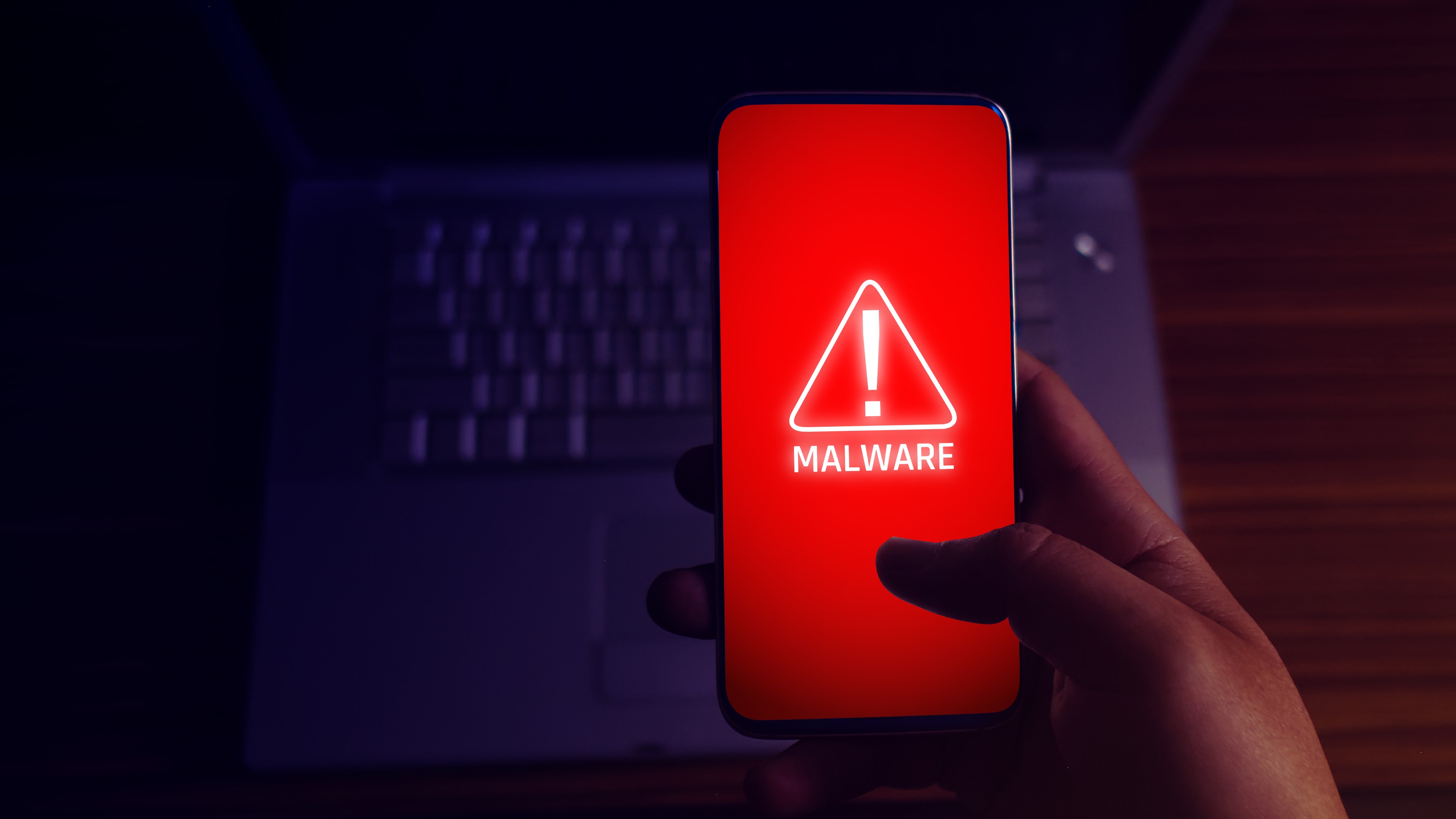
A significant malware campaign has emerged, targeting Android users through fake Telegram applications. Researchers have identified 607 different domains distributing these malicious apps, posing serious threats to user security and privacy. The fraudulent applications are designed to mimic the legitimate Telegram app, tricking users into downloading them. Once installed, these apps can compromise personal data, steal sensitive information, and even take control of the device. Users are advised to download apps only from official sources like the Google Play Store, and to be cautious of applications that request excessive permissions or appear suspicious. For more detailed insights, refer to the report here.
FireScam Android Malware
An Android malware named FireScam has been found posing as a premium version of the Telegram app to steal data and maintain remote control over compromised devices. The malware is distributed through a GitHub.io-hosted phishing site that impersonates RuStore, a popular app store in Russia. The dropper APK file, named "GetAppsRu.apk," initiates extensive surveillance activities once installed.
The malicious app requests various permissions, including access to external storage and the ability to install, update, or delete apps. It employs advanced evasion techniques and can monitor notifications, clipboard data, SMS messages, and more. Additionally, it registers for Firebase Cloud Messaging (FCM) notifications, allowing it to receive remote commands for covert access.
For more detailed information, visit The Hacker News.
Cybersecurity Recommendations
To mitigate risks associated with this type of malware, users are encouraged to follow best practices in app security. This includes downloading applications solely from official app stores, regularly updating software, and avoiding any suspicious links or files from untrusted sources. Google spokespersons have confirmed that no apps containing this malware are found on Google Play, and the platform offers protection against known malware through Google Play Protect.
For further details on cybersecurity practices, refer to resources like TechRadar and Google Play Protect.
Overall Cybersecurity Landscape
The evolving cybersecurity landscape requires constant vigilance. Organizations and users alike must stay informed about potential threats and adopt proactive measures. For ongoing updates, follow platforms like Hackread and The Hacker News that provide real-time insights into the latest cybersecurity developments.
For comprehensive cybersecurity solutions, explore services offered by Gopher Security contact us for more information.