How to Avoid Phishing Scams: Tips from KISA and Korean Air

KISA's Role in Digital Safety
Korea Internet & Security Agency (KISA) plays a significant role in ensuring a safe and reliable digital future. Their initiatives focus on maintaining cybersecurity and protecting users from digital threats. KISA's Digital Threat Response Center is dedicated to safeguarding citizens against cyber incidents. They offer support to victims of digital breaches and aim for a "Phishing ZERO" environment.

Image courtesy of KISA
KISA also emphasizes the importance of personal data safety through its Privacy Safety Utilization Division. They provide resources to combat spam messages and enhance user awareness regarding online threats.
For more information, visit KISA's official page at KISA.
Korean Air's Warning on Phishing Scams
Korean Air has recently issued a warning about phishing scams that utilize fake e-tickets to deceive customers. Seungwon Chung, KE Global Communications deputy general manager, confirmed that several complaints have been received from customers in South Korea.
Customers are advised to verify the sender's email address, specifically ensuring that emails are from [email protected]. Phishing attempts often direct users to malicious links designed to steal sensitive information.
For more details, refer to the report by the Philippine News Agency here.
Understanding Password Phishing Scams
Password phishing scams have become increasingly common, targeting users across various online platforms. Attackers often impersonate trusted organizations to trick individuals into revealing their login credentials.
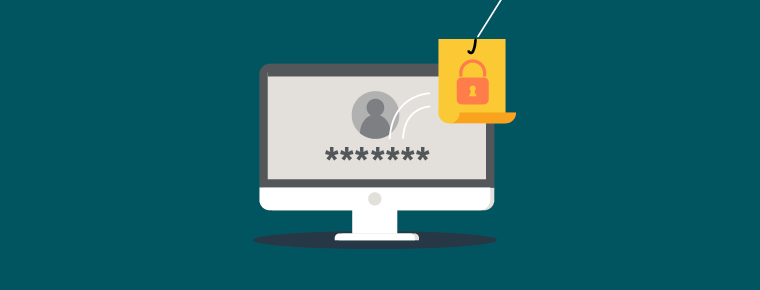
Image courtesy of BECU
Common tactics used by scammers include fake password resets, delivery status alerts, fake rebates, and impersonation of financial institutions. To protect against these scams, users should:
- Never provide personal information over email or phone calls.
- Verify the sender's email address before clicking any links.
- Use a password manager to generate and store secure passwords.
For more information on staying safe online, visit BECU's article on Password Phishing.
Resources to Enhance Cybersecurity
Several tools and resources are available to help users enhance their cybersecurity. KISA offers a range of services, including:
Additionally, organizations like BECU provide educational materials to raise awareness about phishing scams and identity theft.
For further information, explore more resources at KISA and BECU.
Best Practices for Online Safety
To ensure online safety, individuals should implement the following best practices:
- Use strong, unique passwords for different accounts.
- Regularly update passwords and avoid sharing them.
- Be cautious with links in emails and messages, especially those that create a sense of urgency.
For professional guidance and support in managing cybersecurity risks, consider reaching out to Gopher Security for more information on our services.
Explore our offerings and contact us to enhance your digital security today!