HyperKey Tech Achieves FIPS 140-3 Software Validation for Quantum-Resistant Cryptographic Operations

TL;DR
- HyperKey Tech achieved FIPS 140-3 validation for quantum-resistant software.
- The CLEAR cryptosystem allows for rapid software-defined security deployment.
- It addresses "harvest now, decrypt later" threats to critical infrastructure.
- Provides 10,240-bit symmetric key strength for federal and industrial use.
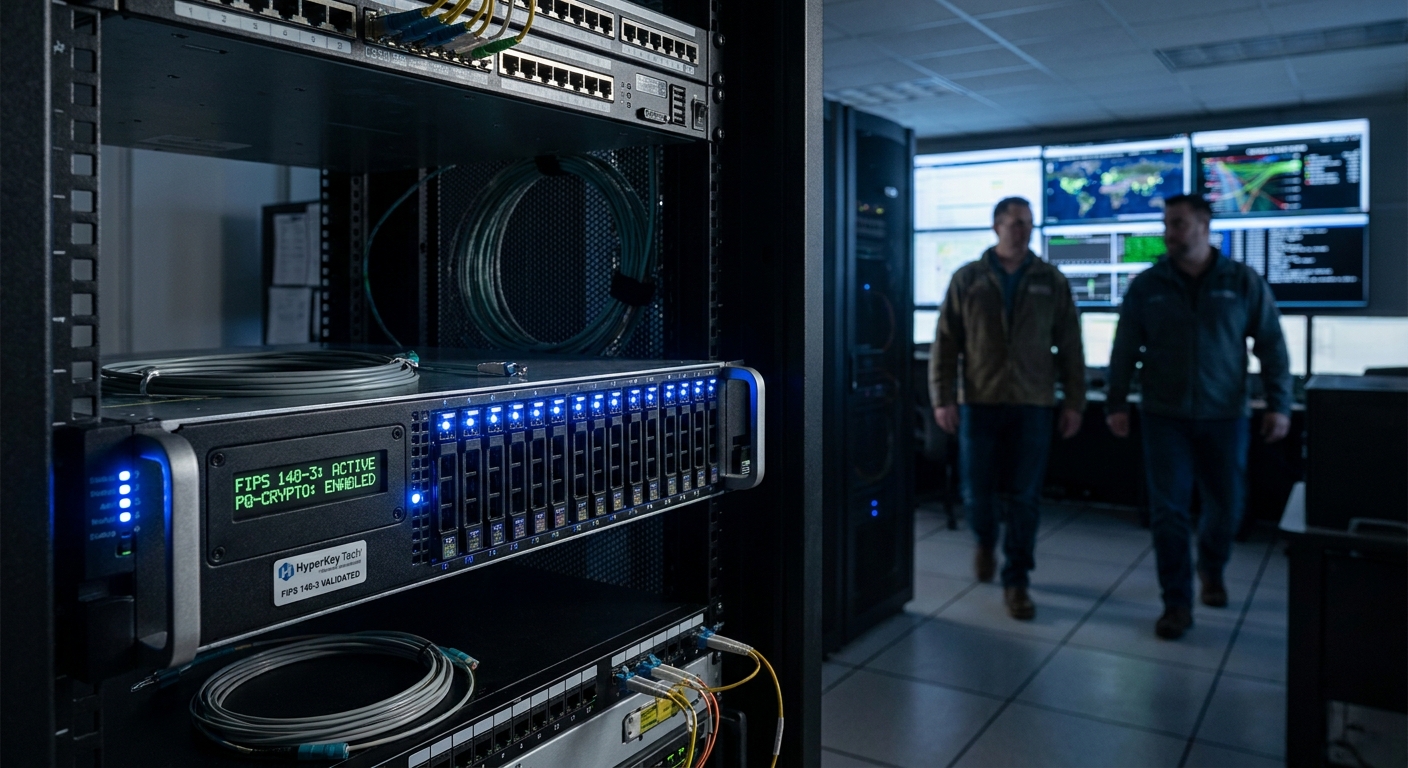
The clock is ticking on classical encryption. As quantum computing shifts from a theoretical threat to a looming reality, the race to secure critical infrastructure has hit a major milestone. Concurrent Technologies Corporation (CTC) has officially teamed up with Quantum Knight Inc. to roll out HyperKey—a software-based cryptographic platform that just snagged FIPS 140-3 validation.
This isn't just another tech spec update. It’s a tactical shift. By achieving this validation, HyperKey provides a way to fortify U.S. infrastructure against both the hackers of today and the quantum-enabled adversaries of tomorrow.
The Power of Software-Defined Security
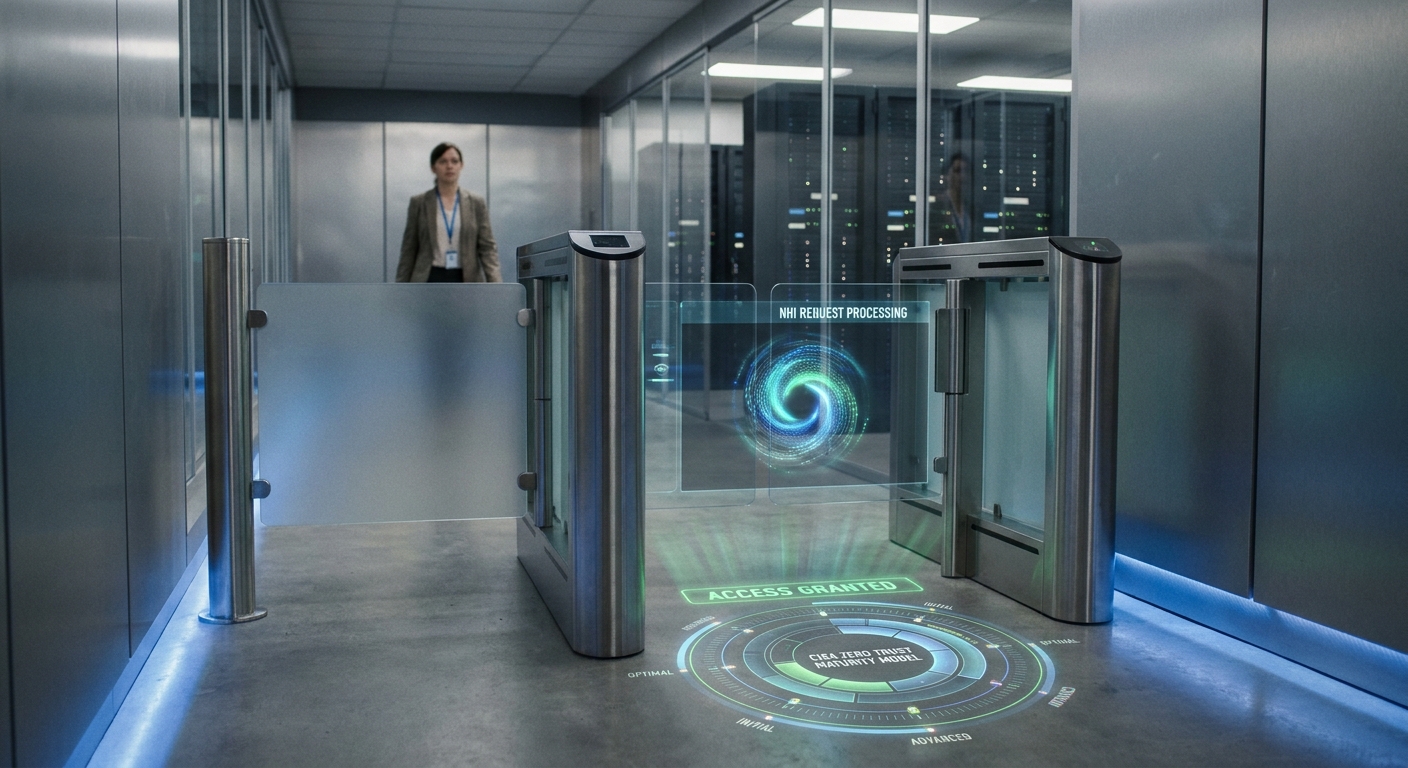
At the heart of this rollout is the CLEAR cryptosystem. Historically, upgrading security meant ripping out hardware—a slow, expensive, and often impossible process for things like satellites or industrial power grids. CLEAR changes the math. Because it’s software-defined, it can be deployed in minutes across a dizzying array of platforms.
Think about the stakes: defense systems, federal databases, and the electrical grid. These aren't environments where you can afford a "hardware overhaul" every time a new threat emerges. With encryption strength equivalent to 10,240-bit symmetric keys, CLEAR offers a formidable shield for data whether it’s sitting on a server or flying through the air. The FDA has already stamped it with an Authority to Operate (ATO), proving that this isn't just lab-bench theory—it’s ready for the real world.
The FIPS 140-3 Reality Check
If you’ve been following government security standards, you know FIPS 140-3 is the new gold standard. It’s the gatekeeper for any cryptographic module wanting to play in the federal sandbox. As we pivot toward quantum-resistant architectures, the industry is scrambling to align with these requirements. The goal is simple: stop "harvest now, decrypt later" attacks, where bad actors steal encrypted data today, betting they’ll have the quantum power to crack it in a few years.
To combat this, the industry is leaning heavily into NIST-standardized post-quantum algorithms (PQC). Here’s how the landscape is shifting:
- Setting the Bar: PQShield recently made waves by achieving the first-ever FIPS 140-3 certification for a quantum-safe solution, effectively drawing a line in the sand for everyone else.
- The Hybrid Approach: Companies like wolfSSL are taking the "belt and suspenders" route. They’re using hybrid migration strategies—pairing conventional FIPS-approved algorithms with post-quantum ones. It’s the best of both worlds: you keep your backward compatibility while future-proofing your security.
- Standardization: We’re seeing a massive move toward FIPS 203 (ML-KEM), FIPS 204 (ML-DSA), and FIPS 205 (SLH-DSA). These aren't suggestions anymore; they are the new blueprints for data integrity.
Engineering Trust: Entropy and Performance
You can have the best encryption in the world, but if your random number generation is weak, your security is a house of cards. Modern modules are hyper-focused on high-performance entropy. Take wolfSSL’s approach to FIPS leadership, for example. They utilize wolfEntropy, a software-based generator that holds an Entropy Source Validation (ESV) certificate. It’s the kind of rigorous, boring, essential engineering that keeps the lights on and the data locked down.
| Feature | Purpose |
|---|---|
| FIPS 140-3 Validation | Ensures compliance with updated U.S. government security standards. |
| ML-KEM (FIPS 203) | Provides quantum-resistant key establishment. |
| ML-DSA/SLH-DSA | Offers quantum-safe digital signature verification. |
| Software-Defined Deployment | Allows rapid integration into existing infrastructure like satellites. |
The Long Game: Why This Matters
As Quantum Zeitgeist has highlighted, the CTC and Quantum Knight collaboration isn't just about checking a box; it’s about agility. When you move security into the software layer, you gain the ability to pivot.
We’re also seeing a rise in stateless hash-based signature verification—specifically LMS and XMSS. These are lifesavers for firmware and software updates in remote or legacy environments where you can’t just swap out a chip. It’s about building a system that can survive the long haul.
Getting Started
For developers and agencies looking to get their hands dirty, the path is becoming clearer. PQC-enabled FIPS configurations are moving from the whiteboard to the repository. Portals like the wolfSSL download site are now providing the libraries needed to start testing these standards today.
The industry-wide focus on PQShield’s quantum-safe certification and similar initiatives confirms a broader truth: post-quantum cryptography is no longer a "future" problem. It’s a "right now" requirement. Whether you’re in the public sector or the private, the task is the same: audit your modules, identify the gaps, and start integrating validated, quantum-resistant solutions before the threat landscape shifts again. The era of static security is over; in the quantum age, adaptability is the only real defense.