NIST Post-Quantum Cryptography Standards Formally Adopted for Model Context Protocol Infrastructure Deployments


TL;DR
- NIST has finalized three post-quantum cryptographic standards to counter quantum computing threats.
- New standards (ML-KEM, ML-DSA, SLH-DSA) replace legacy algorithms vulnerable to future decryption.
- Integration into Model Context Protocol (MCP) is now mandatory for AI-scale infrastructure.
- Organizations must address "cryptographic debt" to mitigate "harvest now, decrypt later" data risks.
The National Institute of Standards and Technology (NIST) has finally dropped the hammer. After eight years of global R&D, they’ve officially finalized their first three post-quantum cryptographic standards. It’s a massive pivot in the cybersecurity landscape, designed to build a firewall against the looming threat of cryptographically-relevant quantum computers (CRQC).
For years, this was academic chatter. Now? It’s the new reality of enterprise infrastructure. These standards are being baked directly into Model Context Protocol (MCP) environments—the plumbing that lets autonomous AI agents talk to your internal systems. As of 2026, this isn't a "nice-to-have" security patch. NIST has officially flipped their AI Risk Management Framework from a library of voluntary tips into a set of mandatory federal requirements for anyone running AI at scale.
Why the rush? It’s the "Harvest Now, Decrypt Later" problem. Bad actors are currently vacuuming up encrypted data, banking it, and waiting for the day they can crack it with a quantum machine. Experts figure that hardware is only a decade away. If you’re still relying on the old math, you’re essentially handing your future secrets to the highest bidder.
The New Standards: Out with the Old Math
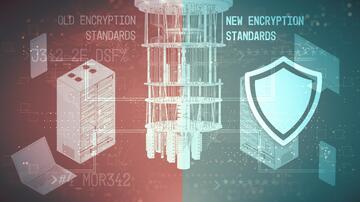
NIST didn't just pick a winner out of a hat. They spent years stress-testing 82 different candidates from 25 countries. The goal was simple: replace the legacy math—the stuff that relies on factoring massive numbers—with algorithms that don't crumble under quantum pressure.
| Algorithm Name | Primary Function | Purpose |
|---|---|---|
| ML-KEM | Key Encapsulation Mechanism | Secure key exchange |
| ML-DSA | Digital Signature Algorithm | Data integrity and authentication |
| SLH-DSA | Digital Signature Algorithm | Stateless hash-based signatures |
There’s a fourth player, FN-DSA, currently in the oven. Expect that to drop later in 2024 to handle specific hardware limitations. This issuance of these Federal Information Processing Standards is the legal line in the sand, forcing organizations to finally pay down their "cryptographic debt."
Hardening the Model Context Protocol (MCP)
If you’re running AI agents, you’re already using MCP. It’s the standard interface connecting your agents to your data. But here’s the catch: these agents act with the authority of service accounts, which basically makes traditional perimeter security look like a screen door in a hurricane.
Autonomous agents are now moving laterally through corporate networks, hitting APIs and databases with speed no human could match. If you don't have quantum-resistant identity checks and rock-solid encryption for data-in-transit, you’re leaving the front door wide open. The NIST-approved post-quantum algorithms are the new locks for these connections. Even if a hacker intercepts the traffic, they’ll be staring at a wall of noise that even a quantum computer can't easily parse.
To hit the 2026 compliance mark, organizations are shifting their architecture:
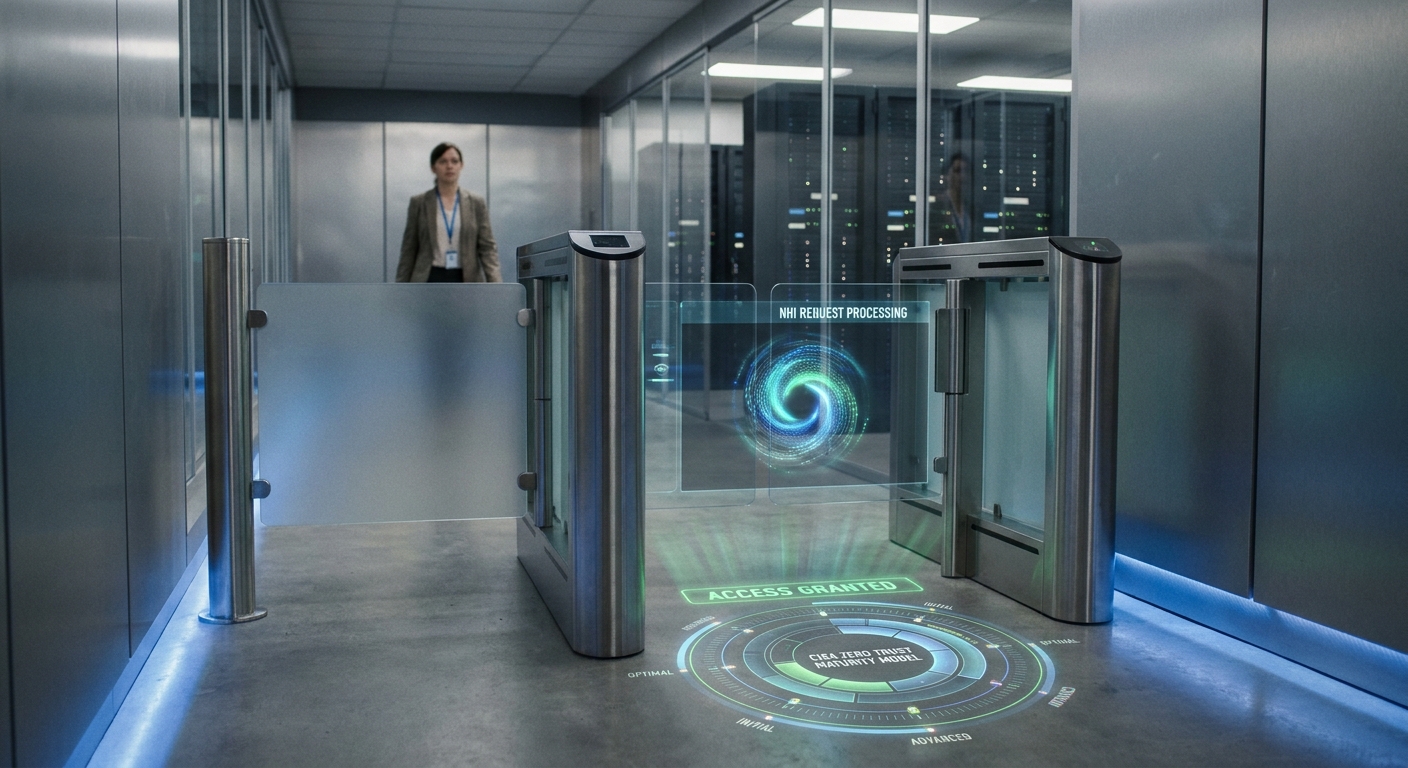
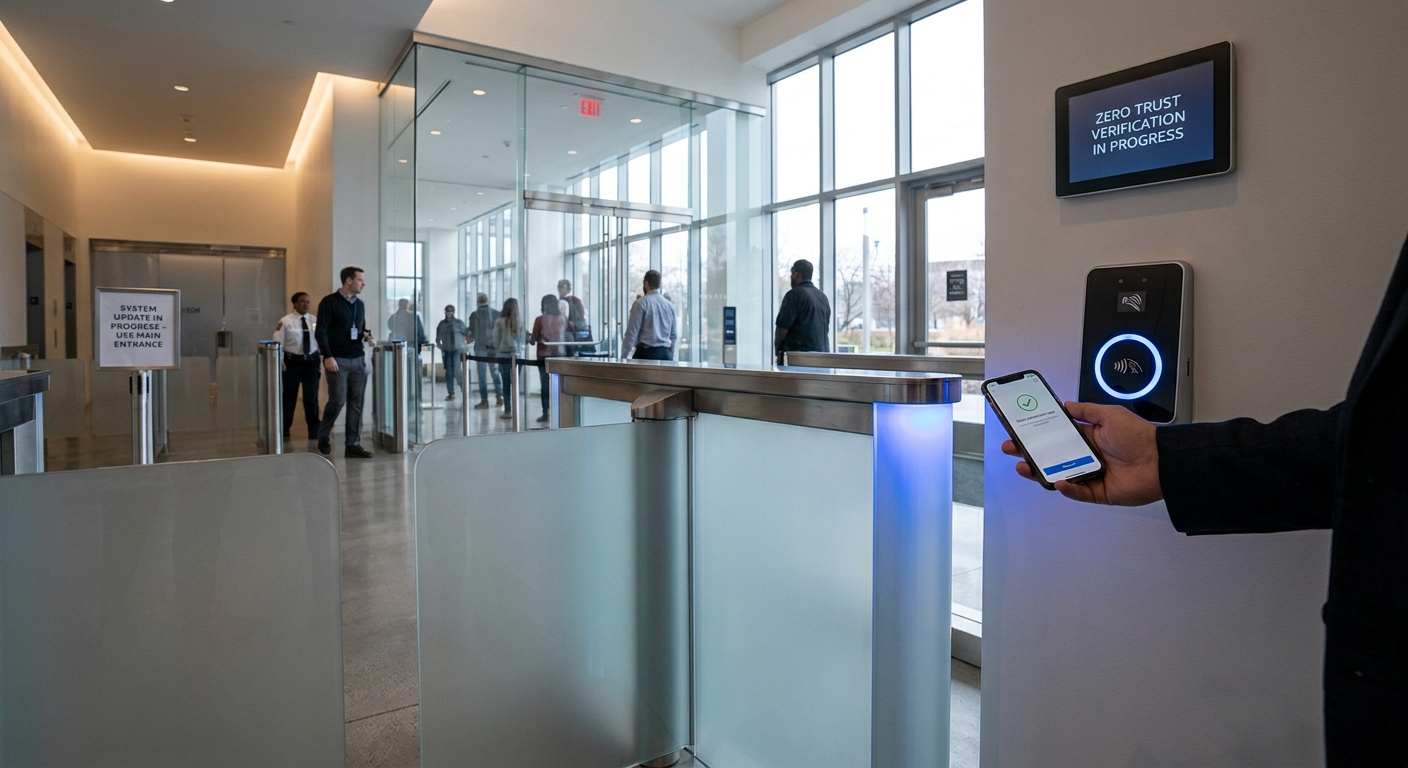
- Zero Trust Architecture: Every single request from an AI agent gets inspected. No exceptions.
- Identity-Based Guardrails: We’re moving away from broad service account permissions. Every agent instance needs its own verified ID.
- Quantum-Resistant Tunnels: All data moving between MCP connectors and internal systems is now being wrapped in ML-KEM and ML-DSA encryption.
- Continuous Monitoring: We’re tracking agent behavior in real-time to catch unauthorized data exfiltration before it leaves the network.
The Quantum Race
Let’s be real: this is a race against the clock. Current standards like RSA and Elliptic Curve Cryptography (ECC) are built on math that quantum computers are destined to solve. Research into the timeline of quantum computing makes it clear—this isn't a hypothetical "what if." It’s an "eventually."
By finalizing these three standards, NIST has given us the roadmap to swap out the vulnerable parts of our digital foundation. The focus on MCP is smart, too. When you have autonomous agents performing thousands of transactions a second, manual oversight is impossible. The security has to be baked into the protocol itself.
This mandate isn't just for the tech giants; it’s for anyone touching federal information systems. You need to audit your entire supply chain. Where is the legacy encryption hiding? It’s not just in your SQL databases; it’s in the ephemeral, high-speed communication channels your agents use to do their jobs.
Ultimately, this is about recognizing that the security of your protocols is the security of your organization. As AI agents become the hands and feet of modern enterprise, the protocols they use become the most critical attack surface.
Implementation: How to Actually Do It
This isn't a "flip the switch" situation. It’s a phased migration. Post-quantum algorithms are beefier—they have larger key sizes and signature sizes—which means your existing hardware might feel the squeeze.
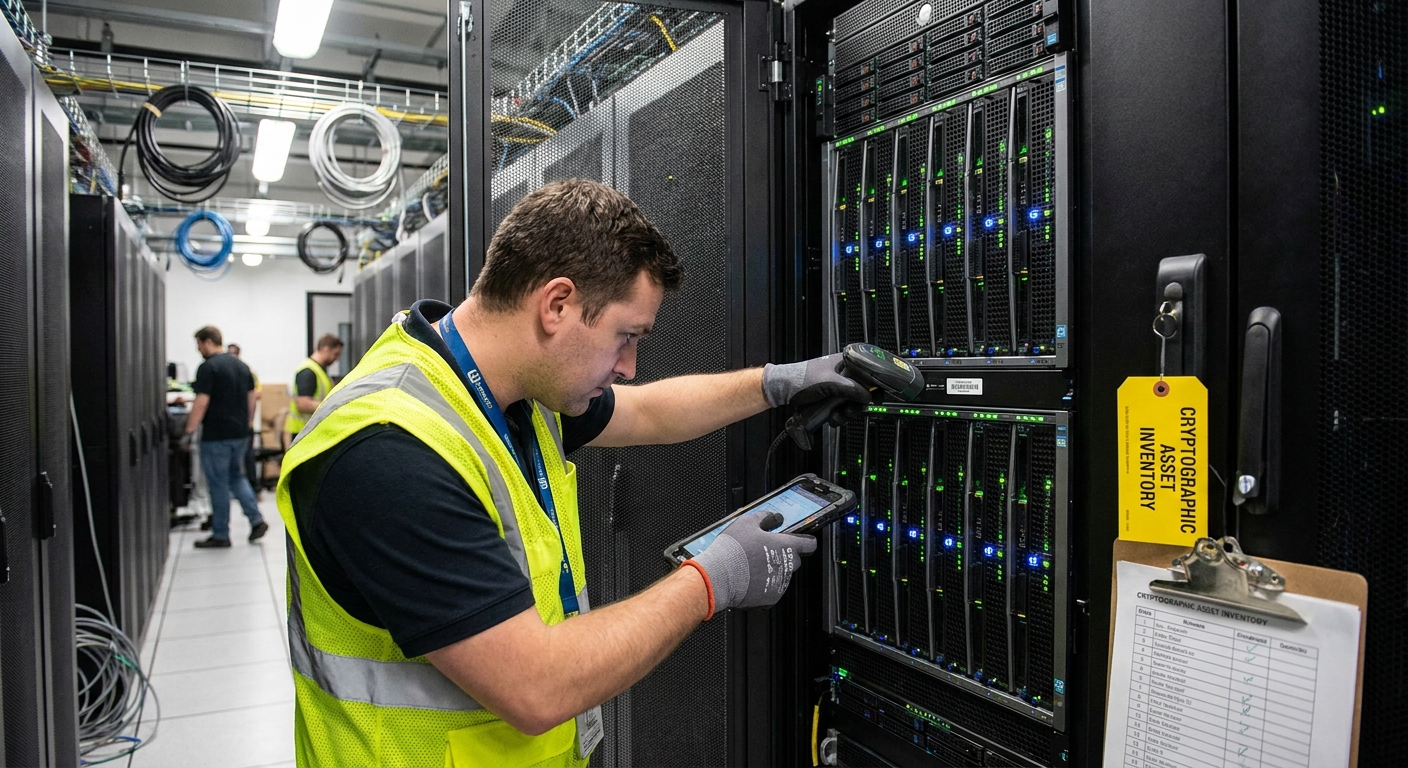
- Inventory Assessment: Find every single system using RSA or ECC. If you don't know where it is, you can't fix it.
- Algorithm Selection: Don't just pick one. Match the algorithm to the job (e.g., ML-KEM for key exchange, ML-DSA for signatures).
- Hybrid Implementation: Most pros are currently running hybrid schemes—layering classical encryption with post-quantum algorithms. It’s the safest way to hedge your bets against both today’s threats and tomorrow’s quantum hardware.
- Vendor Compliance: Check your third-party MCP connectors. If your vendors haven't updated their cryptographic libraries, they’re a liability.
The world of security has changed. The old boundaries are gone, replaced by autonomous agents and the shadow of quantum adversaries. Adopting these standards isn't just about checking a box for federal compliance—it’s about making sure your infrastructure doesn't become a relic of the pre-quantum era.